Exporting Japanese Whisky to Europe
 By
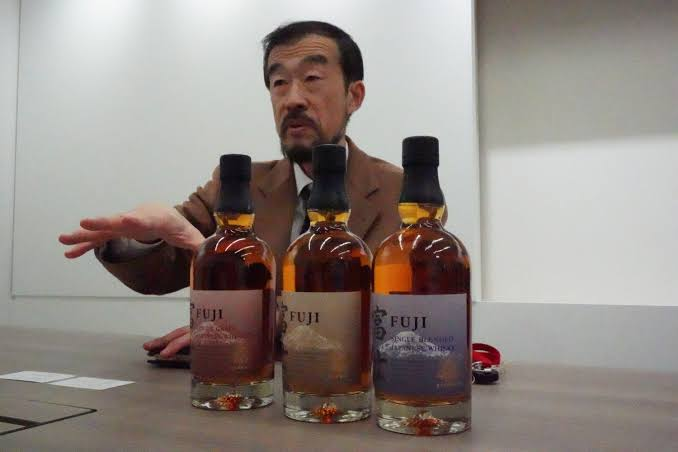
Japanese whisky has earned a strong reputation across Europe. Few other Japanese drinks enjoy the same recognition among European collectors, bars, and specialist merchants. However, that reputation also creates challenges for exporters.
If you want to export Japanese whisky to Europe, you need more than a quality product. You need a reliable EU importer, a clear excise position, compliant labels, and convincing proof of authenticity.
European buyers also want to know one important thing: Is this genuinely Japanese whisky?
This guide explains the European market, import and labeling requirements, authenticity standards, premium positioning, distributor selection, and the practical steps involved in exporting Japanese whisky.
Europe’s Japanese Whisky Boom
What an exporter needs to understand
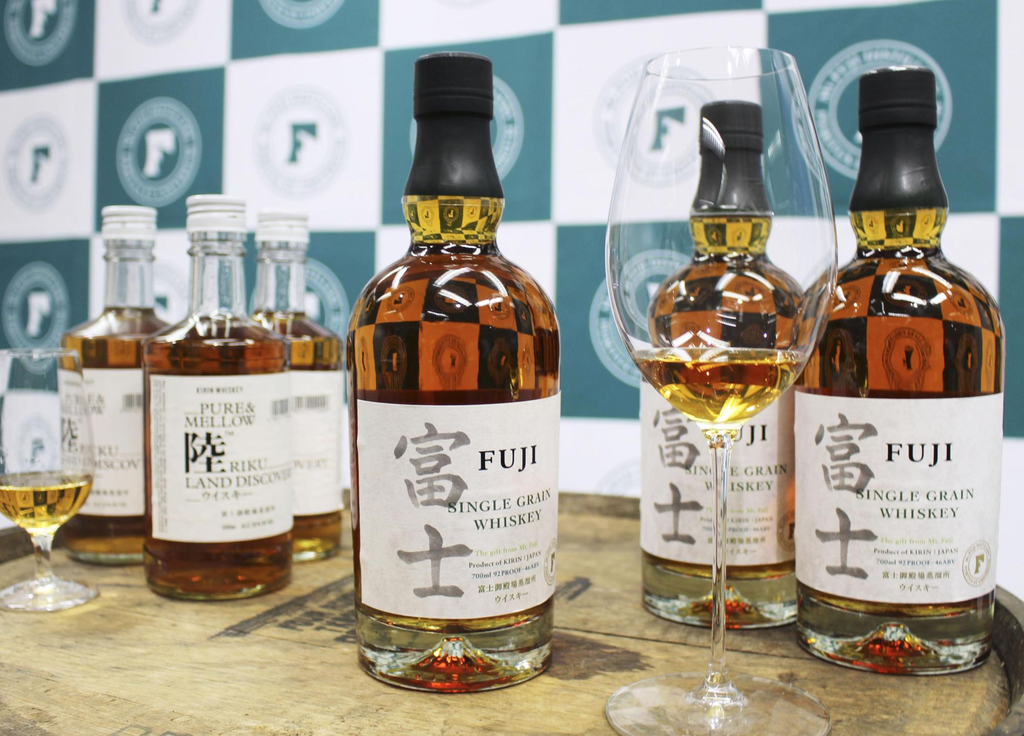
Europe has played an important role in building Japanese whisky’s international reputation. Whisky bars, specialist merchants, and collectors in the UK, Germany, France, the Netherlands, and Nordic countries have followed the category for years.
Demand for older and rarer bottles has also outpaced the available supply from Japanese producers. However, exporters should check current trade data to understand demand levels and differences between individual countries. This guide does not provide market figures. [VERIFY]
European buyers understand whisky well. They compare Japanese expressions with Scotch and other international brands. They also question marketing claims that lack supporting evidence.
A distillery can stand out through a clear identity, distinctive production methods, and accurate age statements. Simply using the word “Japanese” is not enough.
How the destination market works
At the European end, a licensed importer handles customs formalities and distributes the product to trade customers. Japanese distilleries generally rely on these local partners to manage import responsibilities.
This arrangement resembles the process for foreign alcohol brands entering Japan. Without a suitable Japanese entity and the required liquor license, an overseas producer must work through a Japanese importer of record.
Supply planning also matters. Whisky requires years of aging, so producers cannot increase aged stock overnight. A distillery must decide how much stock it can allocate to Europe without affecting its domestic customers or other export markets.
The practical takeaway
Before approaching European importers, calculate how much stock you can realistically supply. Then choose the products that best represent your brand.
A small, consistent product range often makes a stronger first impression than a large selection you cannot maintain. Importers value reliable supply, and broken delivery promises can damage long-term relationships.
Import and Labeling Requirements for Japanese Whisky
What the regulations require
Exporting Japanese whisky and importing it into the EU involve two separate compliance processes.
In Japan, exporters need an export declaration. They may also qualify for liquor tax relief on exported alcohol if they provide the required proof that the goods actually left Japan. Our guide to Japanese alcohol export licenses explains this process.
In Europe, the importer handles customs declarations, import VAT, and excise duties. An authorized excise warehouse can usually suspend excise payments until the importer releases the goods for consumption. [VERIFY]
Every EU export project should address three important areas:
- Product classification and excise: Confirm the whisky classification and the excise rate in the destination country. Each EU country sets its own rates. These rates depend on factors such as alcohol strength and volume, and they can change.
- Japan–EU trade agreement: Check whether the Japan–EU Economic Partnership Agreement reduces the applicable customs tariff. Also confirm which origin documents the importer needs to claim the benefit. [VERIFY]
- Label compliance: Identify the EU food-information rules and additional national requirements that apply to the destination market.
An EU retail label typically needs the product category, alcohol strength, net volume in metric units, the responsible EU-based business’s name and address, country of origin, and lot identification. It must also include relevant allergen information.
The label language must suit the destination market. Exporters should also confirm requirements for ingredient and nutrition information, packaging and recycling marks, and pregnancy warnings. These rules can vary, particularly for alcoholic drinks. [VERIFY]
Common compliance gaps
Japanese whisky exporters should watch for several recurring labeling and documentation problems:
- Reusing a Japanese label with a sticker that lacks required local information.
- Displaying alcohol strength or bottle volume in an unsuitable format.
- Failing to identify the responsible EU-based importer.
- Choosing bottle sizes that local retailers do not commonly stock. [VERIFY]
- Using age statements without supporting cask records.
- Making heritage or origin claims that do not accurately describe the whisky.
- Including health-related marketing claims that EU rules restrict for alcoholic drinks. [VERIFY]
A label that works in Japan may not meet the requirements of a particular European market. Exporters should arrange a compliance review before shipping.
JapanPint helps businesses understand this process through its experience with alcohol labeling and cross-border documentation. A review of your existing artwork can identify which elements you can retain and which require changes.
How label localization works
Translation, label design, and compliance checks should form one connected process.
First, identify the destination country’s requirements. Next, prepare the label using an accurate product specification sheet. Finally, ask the importer to approve the artwork before printing.
Use consistent terminology across the bottle label, tasting sheet, and importer catalog. This approach reduces confusion and helps European partners present your whisky accurately.
Japanese Whisky Authenticity Standards
What an exporter needs to understand
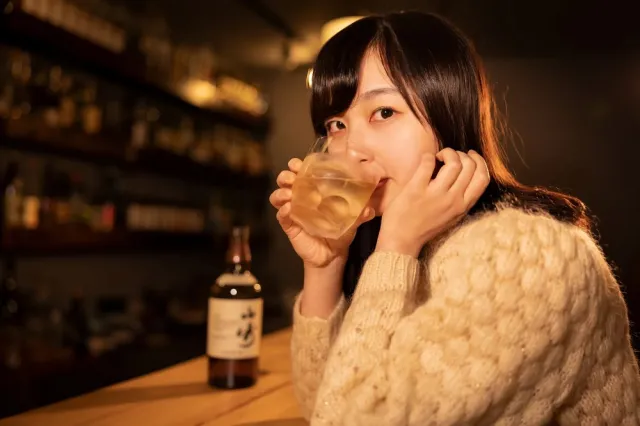
The meaning of “Japanese whisky” has attracted considerable attention in international markets.
For years, some products used Japanese-sounding names despite containing imported whisky or foreign stock bottled in Japan. European buyers became increasingly aware of these practices.
The Japan Spirits & Liqueurs Makers Association subsequently introduced voluntary labeling standards. These standards define Japanese whisky more narrowly.
They cover where producers ferment, distill, age, and bottle the whisky. They also address minimum aging periods and alcohol strength.
Exporters should check the latest association guidance for the exact definition, its status as an industry standard rather than legislation, and any applicable transition arrangements. [VERIFY]
These standards matter because European buyers increasingly demand transparency. An importer who cannot explain a product’s origin risks damaging its own reputation.
By maintaining clear production records, a Japanese distillery makes it easier for its European partners to verify the product and answer customer questions.
How European regulations affect authenticity
The EU also maintains a legal definition of whisky. Its requirements cover production methods, minimum alcohol strength, and aging in wooden casks. [VERIFY]
A product must meet the EU definition before sellers can market it as whisky. Importers must also avoid wording that suggests an origin or age that the product cannot support.
Geographical indications may also affect Japanese whisky exports. The Japan–EU Economic Partnership Agreement provides for the mutual protection of certain geographical indications.
Exporters should check whether the agreement protects the specific Japanese name or spirit associated with their product. [VERIFY]
Our guide to protected terms and geographical indications explains the basic principles from the Japanese market perspective.
The practical takeaway
Support every product claim with reliable evidence.
Keep production records, cask details, and documents that confirm the whisky’s origin and age. Describe blends accurately, especially when they contain whisky from outside Japan.
Never use the Japanese whisky designation for a product that does not meet the applicable standards.
Honest labeling protects your importer and your brand. It also gives knowledgeable European buyers greater confidence in your products.
Before shipping, consider whether your labels and marketing claims can withstand scrutiny from experienced whisky buyers. JapanPint can review your product information and artwork to help identify potential issues.
Premium Positioning for Japanese Whisky in Europe
How this channel works in Japan
Japan offers a useful reference point for understanding premium whisky sales.
Specialist shops and whisky bars play an important role in introducing customers to premium bottles. Knowledgeable staff explain the distillery, production methods, cask selection, and flavor profile. E-commerce also provides another route to customers.
Europe follows a similar pattern at the premium end. Specialist whisky merchants, dedicated bars, fine-dining restaurants, and hotels provide valuable opportunities to introduce high-end Japanese whisky.
Quality and a convincing brand story matter more than volume in this segment. A recognizable distillery, distinctive production method, and accurate age information give sellers something meaningful to communicate.
Matching products with the right price tier
Different whisky expressions suit different sales channels.
Premium single malts and limited releases often appeal to specialist retailers, collectors, auctions, and whisky bars. Younger and more approachable expressions may perform better in cocktail bars and broader retail channels.
However, price competition can become difficult. Import duty, excise, and VAT all affect the final retail price, regardless of the whisky’s country of origin. Japanese producers also compete with established Scotch brands at different price levels.
Start with the retail price that your target market can realistically support. Then subtract retailer and distributor margins, VAT, and excise duties. The remaining amount shows what the importer can pay and what the exporter can expect to receive.
Our guide to pricing alcohol exports from a tax perspective explains this calculation from the Japanese side.
We do not provide fixed pricing figures because the final calculation depends on the product, classification, alcohol strength, and importer.
Some European countries also operate state-controlled alcohol retail systems or tender-based purchasing arrangements. These systems can change how importers introduce new products. Ask potential partners how their target markets handle alcohol distribution. [VERIFY]
How JapanPint’s owned channels apply
JapanPint operates several channels in Japan, including CraftBeer.co.jp, OmoriMart.com, and Jasumo.com. We also maintain marketplace operations on Amazon Japan, Rakuten, and Yahoo Shopping.
These channels serve the Japanese market. They do not provide a European retail distribution route, and JapanPint does not claim to hold overseas alcohol licenses.
However, our experience with Japanese alcohol licensing, labeling, and export documentation provides a practical operator perspective. We apply that knowledge to help businesses understand the requirements involved in cross-border alcohol trade.
Finding Japanese Whisky Importers and Distributors in Europe
How the distribution channel works
The European alcohol distribution chain has a familiar structure:
Importer → Wholesaler → Retailer, bar, restaurant, or e-commerce seller.
The company that purchases whisky directly from a Japanese producer rarely sells every bottle to the final consumer.
European markets generally organize distribution country by country. An importer may also operate as a distributor, supplying specialist merchants, bars, and restaurants.
Before offering exclusive territory rights, review your existing contracts. Japanese trading companies or distributors may already hold overseas sales rights for your products. Check these agreements carefully before granting new rights. [VERIFY]
Choosing a distributor for your product and price tier
A premium single malt needs an importer with access to specialist retailers and whisky bars. The distributor should also have staff who understand how to explain the product.
A volume-focused importer may lack the specialist accounts and expertise needed to support a premium brand. It may also push for prices that weaken your positioning.
If you are searching for a whisky Europe distributor, ask potential partners several questions:
- Which whisky categories do they currently handle?
- Which retailers, bars, and restaurants do they supply?
- Have they distributed comparable Japanese whisky brands?
- Can their sales team explain premium whisky to specialist customers?
- How would they manage limited releases and restricted allocations?
- What registrations and licenses do they hold in their target markets?
You can identify potential partners through trade fairs, whisky festivals, industry associations, government trade-promotion organizations such as JETRO, and referrals from other producers.
Personal referrals often provide a stronger starting point than unsolicited messages. If you want to sell Japanese whisky to EU importers who can support repeat orders, prioritize product knowledge and market access over response speed.
How JapanPint can help
JapanPint does not broker introductions to European importers or claim to operate a European importer network.
Our contribution focuses on practical export knowledge. We can explain the questions exporters should ask about importer registrations, category experience, and documentation.
Our guide to finding and evaluating overseas importers provides a useful checklist. Ask every candidate the same questions, record their answers, and verify any claims that could affect your export agreement.
Be particularly careful with long-term exclusivity across several countries. A shorter initial agreement covering one market gives both parties an opportunity to assess performance before expanding the relationship.
Include clear sales expectations, review dates, and conditions for renewing or ending exclusivity.
A Practical Roadmap for Exporting Japanese Whisky to Europe
What an exporter needs to understand
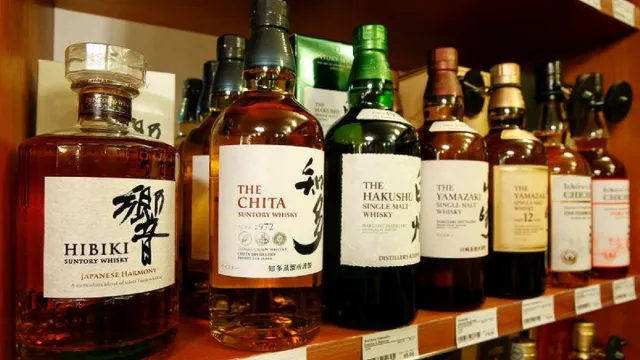
Successful European exports require careful preparation and a clear sequence of steps.
Many problems arise when exporters move too quickly. For example, agreeing on a selling price before confirming excise duties and label requirements can create unexpected costs.
Europe is also not a single market from a practical business perspective. Language, excise rates, registrations, and distribution systems differ between countries.
Choose one initial destination and build your export strategy around its requirements.
How the export process works
Follow this sequence when preparing your first European shipment:
- Confirm your Japanese export position. Check your licenses and review any existing distribution agreements.
- Plan your European allocation. Decide how much stock you can supply and select your main export products.
- Prepare product specifications. Record ABV, bottle volume, age statements, supporting cask records, ingredients, and production methods.
- Identify suitable importers. Evaluate their registrations, licenses, category experience, and distribution capabilities.
- Confirm taxes and customs requirements. Work with the importer to establish classification, excise, VAT, and applicable tariffs. Check the origin documents required under the Japan–EU Economic Partnership Agreement. [VERIFY]
- Prepare compliant labels. Adapt each label to the destination market and obtain the importer’s approval before printing.
- Complete Japanese export procedures. Arrange the export declaration and retain the proof of export needed for any applicable liquor tax relief.
- Organize transportation and insurance. Choose freight arrangements that protect the value of your whisky shipment.
- Agree on commercial terms. Put territory, exclusivity, pricing, allocation, payment, and review conditions in writing.
- Start with a manageable order. Monitor sales, collect feedback, and adjust your approach before increasing supply.
Planning samples and delivery
Samples also require careful preparation.
Bottles sent to prospective European importers may need customs documentation. They may also attract excise duties or fall under licensing requirements.
Check the rules with your importer before sending samples. [VERIFY]
Remember that the United Kingdom is outside the EU. It therefore requires a separate export and import plan.
Our guide to exporting sake to the UK provides additional information about this separate market.
The practical takeaway
Treat your first shipment as the beginning of a long-term business relationship.
Build enough time into your schedule for customs procedures, documentation checks, and possible transport delays. Clearance times vary, so avoid promising fixed delivery dates before confirming the arrangements.
JapanPint does not quote fixed export prices or clearance timelines in advance. These depend on the product, classification, number of SKUs, and importer.
European buyers value preparation, transparency, and consistent supply. Before approaching potential distributors, make sure your product specifications, labels, and supporting records are ready.
Start Preparing Your Japanese Whisky Export
Exporting Japanese whisky to Europe requires more than finding a buyer. You need a compliant product, reliable documentation, realistic supply planning, and an importer who understands your market position.
A careful first step can help you avoid costly compliance problems and build stronger relationships with European trade partners.
Tell us about your product and SKU range through our JapanPint contact form. We can review your current export position and help identify areas that need further preparation.
You can also contact our team directly at su*****@*******nt.com.