Exporting Japanese Sake to France
 By
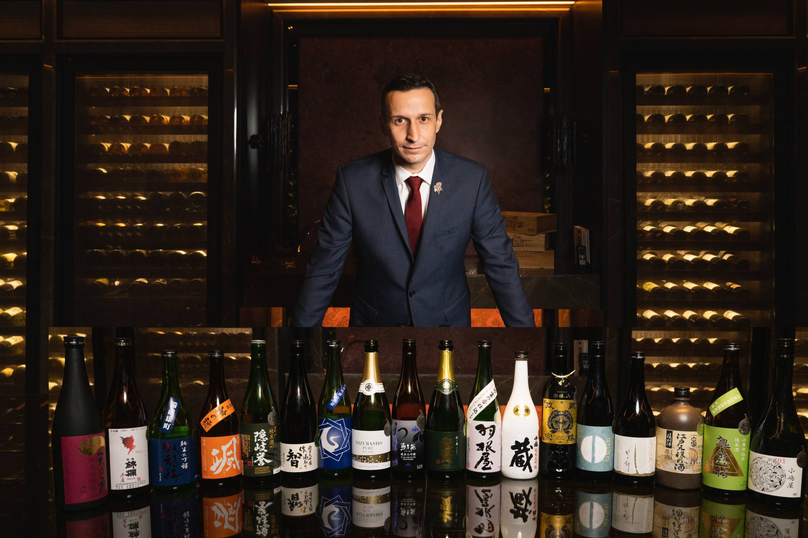
Exporting sake to France requires more than finding restaurants and merchants willing to stock it. Before the first bottle ships, you need to confirm your importer, excise position, French-language label, and marketing approach. This guide explains each step, from understanding the market to building a practical export roadmap.
France’s Growing Interest in Sake
What an Exporter Needs to Understand
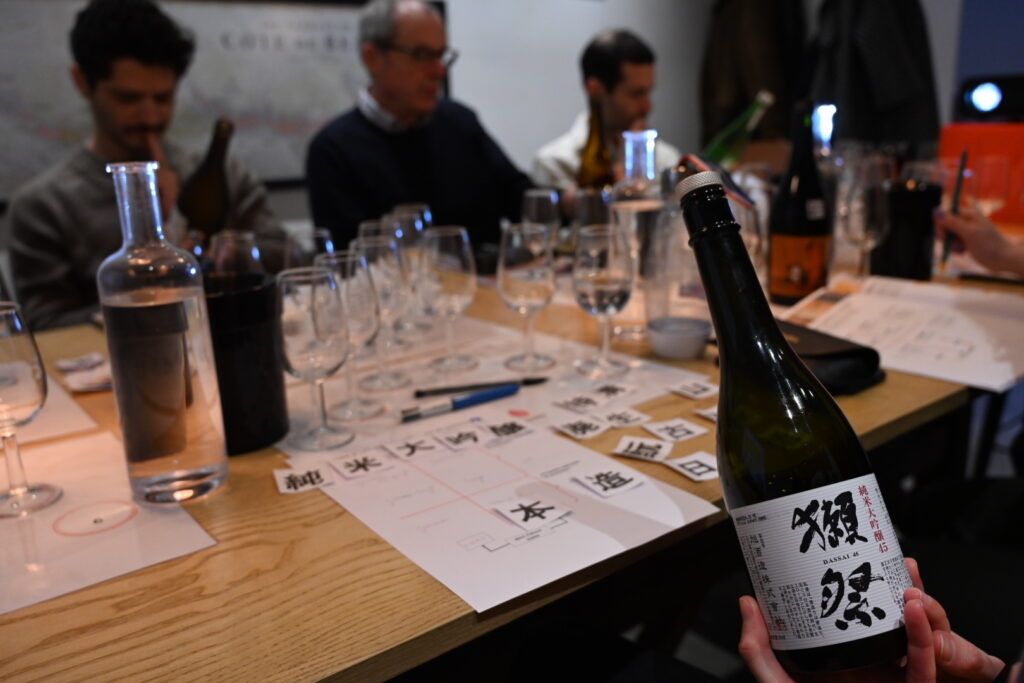
France has a strong wine culture, and this shapes how consumers receive sake. French drinkers and trade buyers often consider a drink’s region, producer, and production method. Sake fits this approach well. Its rice, water, brewery, and brewing style give buyers specific details to explore.
Sake has gained visibility in fine dining and Japanese restaurants. However, most French consumers still consider it a discovery category.
This creates an opportunity for producers with a distinctive story. A brewery with a clear identity can stand out more easily than a catalog filled with similar bottles. Quality and storytelling often matter more than price.
How the French Market Works
At the French end, a licensed importer manages the import process and supplies trade customers. A Japanese brewery generally does not perform these roles itself.
This arrangement resembles the position of a foreign brand entering Japan. Without a Japanese entity, a foreign producer cannot hold a National Tax Agency liquor license. Instead, it works through an importer of record.
French buyers also ask questions similar to those asked about wine. They want to know the rice variety, polishing ratio, production region, and sake style. Producers who answer these questions clearly make the importer’s job easier. Importers generally favor products they can explain confidently.
The Practical Takeaway
Identify what makes your sake distinctive before approaching potential buyers. Consider its region, rice variety, brewing method, and intended occasion.
Then select two or three products for your initial offer. A focused selection gives French buyers a clearer proposition than a full catalog. It also helps you understand market demand before making a larger commitment.
Import and Excise Requirements
What an Exporter Needs to Understand
Exporting from Japan and importing into France involve separate compliance procedures. On the Japanese side, you need an export declaration. You must also provide proof that the goods left Japan to qualify for liquor tax relief on exported alcohol, as explained in our post about export licenses.
On the French side, your importer handles French customs, import VAT, and excise requirements under EU rules.
The Japan–EU Economic Partnership Agreement aims to remove tariffs on many goods, including alcohol. However, you should confirm the agreement’s treatment of your specific product. Check which origin documents you need before claiming any tariff benefit [VERIFY].
France sets excise rates nationally. The applicable rate depends on product classification and alcohol strength. These rates also change over time, so ask your importer to confirm the current figures. France applies additional charges to certain stronger alcoholic drinks. Confirm whether these charges affect sake at its usual strength [VERIFY].
How It Works in the French Market
Importers often use authorized bonded warehouses to store alcoholic drinks. These facilities allow them to suspend excise payments until they release the goods for consumption.
EU authorities track alcohol movements under excise suspension through electronic documents. Wholesale activities may also require specific registrations. Therefore, confirm your importer’s legal status before agreeing to a shipment [VERIFY].
Import and tax costs affect the final price at every stage. Each distributor and retailer also adds a margin. As a result, French consumers usually pay considerably more than the original Japanese export price.
The Practical Takeaway
Start with the retail price your target customers can afford. Then work backward by subtracting VAT, excise, and each distribution tier’s margin. This calculation shows how much remains for your business.
Avoid promising firm prices or delivery dates too early. The final figures depend on product classification, alcohol strength, and the importer’s arrangements. Customs clearance can also take different amounts of time. Always allow extra time when planning a shipment.
French Sake Labeling Requirements
What the Regulations Require
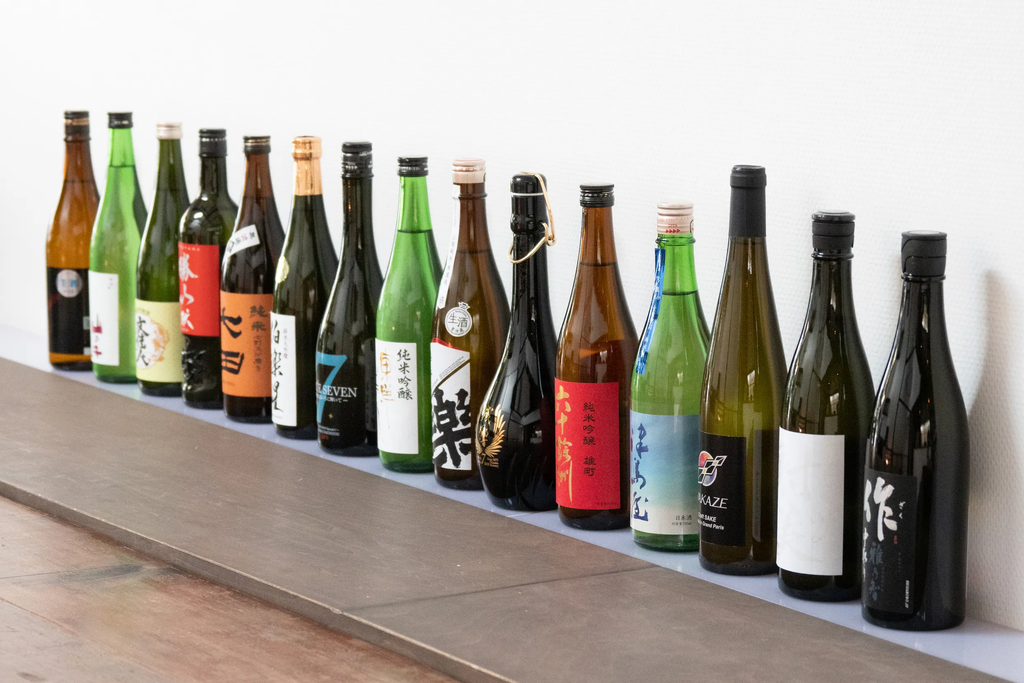
Products sold in France must meet EU food-information rules and relevant French national requirements. French generally serves as the required language for consumer-facing product information. French law also includes specific requirements for alcoholic drinks [VERIFY].
Your label may need to include the following information:
- Product name and an accurate description.
- Alcohol content by volume, using the required EU format.
- Net volume in metric units.
- Name and address of the EU-based business responsible for the product, normally the importer.
- Country of origin.
- Lot or batch identification code.
- Allergen information, where relevant.
- The pregnancy warning pictogram required in France for alcoholic drinks.
- Recycling and sorting information under French waste regulations.
Confirm several requirements against current guidance for sake before printing your labels [VERIFY]. These include the exact pregnancy warning format, recycling marks, and any ingredient or electronic-label requirements for alcoholic drinks.
You should also check the conditions for using protected terms such as “Nihonshu” or “Japanese sake” under the Economic Partnership Agreement.
A label that works in Japan may not automatically meet French requirements. Reviewing the artwork before shipping can prevent unnecessary changes and delays. Our label review process follows the same principle: check the existing artwork, identify gaps, and agree on the necessary changes before production.
Common Labeling Mistakes
Exporters often overlook practical details during label preparation. Watch out for these common problems:
- Reusing a Japanese label with a sticker that lacks required French information.
- Missing the French pregnancy warning pictogram or recycling mark.
- Using alcohol or volume formats that do not meet French requirements.
- Failing to identify an EU-based importer on the label.
- Leaving terms such as junmai, ginjo, nama, or genshu unexplained or translating them inaccurately.
- Using container sizes that French trade buyers may not recognize [VERIFY].
- Including health-related claims that EU alcohol regulations restrict [VERIFY].
How to Localize Your Labels
Treat translation, design, and compliance as one connected process. First, collect the relevant French requirements. Next, prepare a label using an accurate product specification sheet.
Your importer should review and approve the artwork before printing. You can also include a short glossary on the back label or provide a separate tasting sheet. These materials help customers understand Japanese sake terminology without overcrowding the front label.
Keep the terminology consistent across the label, tasting sheet, and importer’s product catalog.
Gastronomy-Led Sake Positioning
How the Distribution Channel Works
Japan provides a useful reference point for understanding sake’s market position. Producers often present sake as a drink that complements meals. Restaurants and specialist shops also help customers discover different varieties.
France offers a similar opportunity. Restaurants, cafés, hotels, and specialist wine merchants known as cavistes can introduce sake to customers. Staff recommendations and food-pairing suggestions help explain unfamiliar products.
However, France imposes strict rules on alcohol advertising and promotion. Producers must follow restrictions on promotional messages and imagery, with a strong emphasis on factual product information [VERIFY].
This makes accurate tasting sheets, food-pairing notes, and trained restaurant staff especially valuable. Discuss every promotional plan with your importer before producing marketing materials.
Matching Products With the Right Customers
Premium and craft sake can suit gastronomic restaurants, cavistes, and Japanese restaurants. These businesses often have staff who can explain a product’s origin and production method.
Local food pairings can also strengthen your positioning. For example, test sake alongside regional seafood, cheese, or charcuterie with chefs in France. Use their feedback before preparing tasting materials.
Lower-priced sake faces a different challenge. Import duties and VAT can affect its final price regardless of its country of origin. This makes a price-led strategy more difficult than it may initially appear.
Avoid health and lifestyle claims in promotional materials. Wording that seems harmless in Japan may violate French or EU alcohol advertising rules.
How JapanPint’s Owned Channels Apply
JapanPint operates several channels for the Japanese market. These include CraftBeer.co.jp, OmoriMart.com, and Jasumo.com, alongside marketplace operations on Amazon Japan, Rakuten, and Yahoo Shopping.
These platforms do not provide a French retail route, and we do not claim to hold French licenses. However, our experience with Japanese licensing, product labels, and border documentation provides useful operational knowledge for exporters.
Finding French Sake Importers and Distribution Partners
Understanding the Distribution Chain
From Japan, the French distribution structure looks familiar. It typically includes an importer, wholesaler, retailer, restaurant, and e-commerce seller.
The company that purchases your sake may not be the one that sells it to the final consumer. French importers and distributors supply cavistes, restaurant groups, and sometimes other wholesalers.
Before offering exclusive territory rights, review your existing contracts. A Japanese distributor or trading company may already hold rights that affect overseas sales. You cannot grant the same rights twice [VERIFY].
Choosing the Right Partner for Your Product
A craft junmai daiginjo needs an importer who understands premium sake. Look for partners who supply specialist retailers and restaurants. Their staff should also know how to explain Japanese brewing methods.
A volume-focused importer may lack the right customers or product knowledge. Such a partner may also demand prices that weaken your premium positioning.
If you are looking for a sake French distributor, ask potential partners these questions:
- Which alcoholic beverage categories do you currently handle?
- Which restaurants, retailers, and wholesalers do you supply?
- Have you worked with similar Japanese products?
- Can your team prepare French-language product materials?
- What registrations and licenses support your import activities?
- How do you manage storage, distribution, and product promotion?
You can find potential partners through trade fairs, industry competitions, trade associations, and government trade-promotion organizations such as JETRO. Referrals from other producers can also help. Direct outreach offers another option, although personal recommendations often carry more weight.
How JapanPint Can Help
We do not broker introductions to French importers or claim to maintain a French importer network.
Instead, we offer an operator’s perspective on the export process. This includes the questions to ask potential partners about registrations, product categories, and previous experience.
Our post on finding and vetting overseas importers provides an additional checklist. Ask every candidate the same questions, record their answers, and request supporting documents where necessary.
If you want to sell sake that French buyers will reorder, prioritize a partner who understands the product. A quick response alone does not guarantee a good business relationship.
A Practical Roadmap for Exporting Sake to France
What an Exporter Needs to Understand
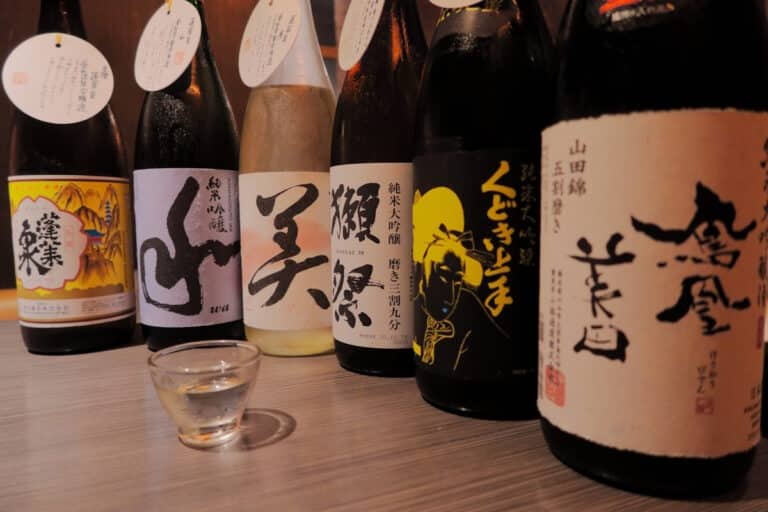
A successful export project follows a clear sequence. Many problems arise when producers rush ahead without confirming important requirements.
For example, agreeing on a selling price before checking excise and labeling requirements can create unexpected costs. Long exclusivity agreements can also limit your options if a partner underperforms.
Consider starting with a shorter contract and clear performance targets. Include a review date so both parties can assess the relationship.
How the Export Process Works
Follow these steps to prepare your sake for the French market:
- Confirm your Japanese license position. Review your export permissions and any existing distribution agreements.
- Select your lead products. Prepare an accurate specification sheet for each SKU. Include ingredients, alcohol content, volume, production method, and storage requirements.
- Find and evaluate French importers. Check their registrations, category experience, and distribution capabilities.
- Confirm import costs and classification. Discuss excise, VAT, and tariff treatment with your importer. Check the origin documents required under the Japan–EU Economic Partnership Agreement [VERIFY].
- Prepare French-language labels. Review every label with your importer and obtain approval before printing.
- Arrange Japanese export documentation. Complete the export declaration and secure the proof of export needed to support liquor tax relief.
- Organize suitable transportation. Consider temperature control when the product requires it. Unpasteurized sake may need refrigerated transport and storage. Not every carrier or warehouse offers these facilities [VERIFY].
- Agree on commercial terms. Put territory, exclusivity, pricing, payment conditions, and contract review dates in writing.
- Start with a modest shipment. Monitor sales, collect feedback, and adjust your product selection based on actual demand.
Preparing Samples for French Importers
Samples need attention too. Bottles sent to potential importers may still require customs documentation. They may also fall under excise and licensing rules.
Check the applicable requirements with your importer before sending samples. Do not assume that small quantities automatically qualify for exemptions [VERIFY].
The Practical Takeaway
Treat your first shipment as the beginning of a long-term business relationship. Build enough flexibility into your plans to handle customs delays, label changes, and unexpected costs.
If you want to export sake that France’s market will take seriously, preparation matters more than speed. Start by understanding your products, checking your labels, and choosing the right distribution partner.
Tell us about your products and SKU range through our contact form. We can review your brand’s export position and discuss the next steps.
You can also contact our team directly at su*****@*******nt.com.