Exporting Japanese Sake to Singapore and Southeast Asia
 By
Singapore is often the first market Japanese breweries consider when exploring Southeast Asia. Buyers can source sake there and reach other regional markets through established trade networks. The country has a strong restaurant scene, reliable logistics and experienced importers of Japanese products.
However, Southeast Asia is not one uniform market. Each country has different consumer preferences, alcohol regulations and import requirements. A strategy that works in Singapore may fail elsewhere.
This guide explores regional demand, Singapore’s role as a trading hub, import and labeling requirements, hospitality channels and partner selection. It also provides a practical roadmap for Japanese breweries planning their first export.
Southeast Asia’s Premium Sake Demand
What Exporters Need to Understand
Southeast Asia contains several distinct markets. Singapore, Malaysia, Thailand, Vietnam, Indonesia and the Philippines all have different consumer habits and regulations.
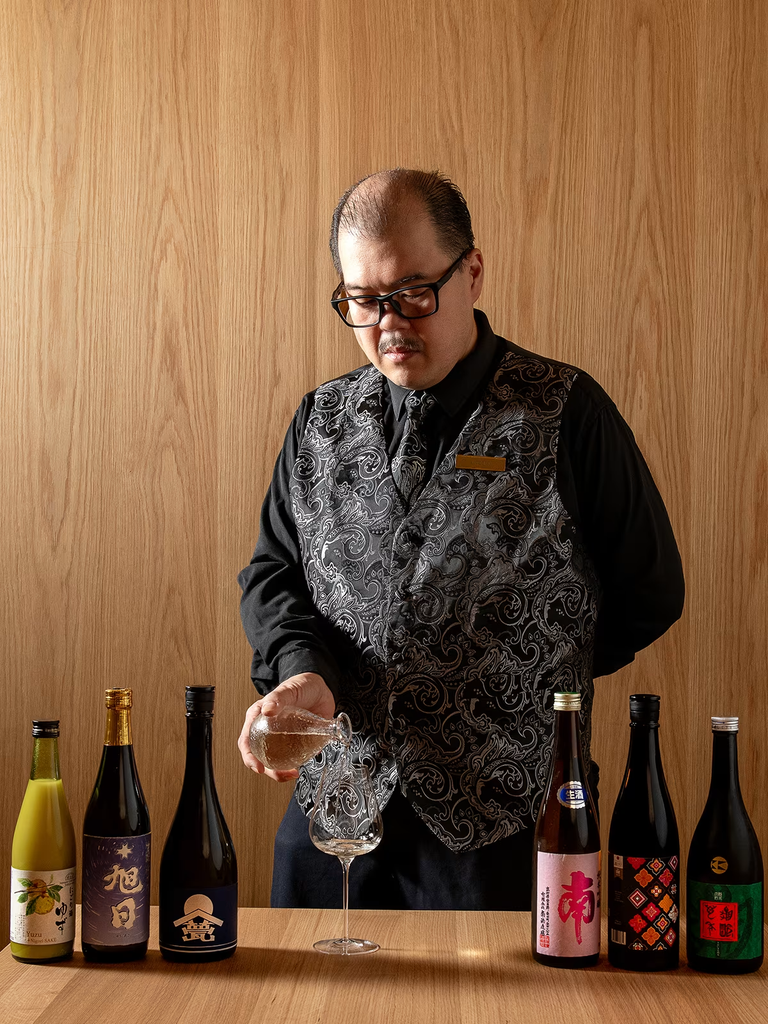
Demand for premium Japanese products tends to grow around established hospitality businesses. Japanese expatriate communities also create opportunities. Travellers who discover sake in Japan may want to enjoy the same experience at home.
Singapore fits this profile particularly well. Other major cities offer opportunities on a smaller or more specialised scale.
For Japanese breweries, product identity matters more than price alone. A clear regional origin, distinctive rice variety or traditional brewing method can help a brand stand out. Food-friendly styles also appeal to restaurants and specialist retailers.
Price competition can prove difficult. Alcohol duties and sales taxes affect imported products regardless of their country of origin.
How the Destination Market Works
A licensed local importer usually manages the customs process and supplies trade customers. Japanese breweries generally rely on these local partners rather than handling every import and distribution task themselves.
This arrangement resembles the inbound alcohol trade in Japan. Foreign producers entering Japan also need a properly licensed importer to manage the relevant liquor import and sales requirements.
Regulations differ significantly across Southeast Asia. Some countries restrict alcohol imports, advertising and retail sales. Others impose rules based on religious or public policies.
Before choosing a destination, confirm whether local authorities permit your product category. Also check the requirements for importing, distributing and selling it.
The Practical Takeaway
Start with one or two target markets rather than the entire region. Identify your sake’s strongest selling points and select two or three lead products.
A focused product range makes discussions with importers easier. It also helps you understand customer preferences before expanding into additional markets.
Singapore as a Regional Export Hub
What Exporters Need to Understand
Singapore serves as an important trading and logistics centre. Many international brands use the country as a regional base for distribution.
Its advantages include:
- A well-developed seaport.
- Strong air-freight connections.
- Established logistics providers.
- Licensed storage facilities.
- Importers with regional trading experience.
Working with a Singapore-based partner can simplify communication and shipping arrangements. It may also provide access to buyers in neighbouring countries.
However, Singapore cannot replace the import requirements of other destinations. Every country maintains its own licensing, customs and labeling rules.
Products re-exported from Singapore must still meet the regulations of their final destination. Approval of a label in Singapore does not automatically make it acceptable elsewhere.
The suitability of this model depends on the importer’s licenses and actual distribution network. Ask potential partners which countries they serve before making an agreement.
How Singapore’s Import System Works
Singapore applies customs duties and goods and services tax (GST) to alcoholic beverages. Businesses that import or trade alcohol must also obtain the relevant approvals and licenses.
Singapore Customs and other responsible authorities oversee different parts of the process. Importers should confirm their specific obligations before shipping.
Licensed warehouses can offer another advantage. Eligible businesses may store imported goods under approved arrangements while suspending applicable duties and taxes until release.
This approach can help businesses manage inventory intended for re-export. However, the available arrangements depend on the warehouse and the importer’s approvals.
Sake storage also deserves attention. Unpasteurized and fresh sake can react to heat during transport and storage.
Singapore’s tropical climate makes temperature management particularly important. Not every carrier, warehouse or restaurant provides suitable refrigerated facilities. Discuss storage conditions with your logistics provider before shipping.
The Practical Takeaway
Consider Singapore from two perspectives:
- Is Singapore itself a suitable market for your sake?
- Can Singapore serve as a practical base for reaching other countries?
Evaluate its domestic market first. Once sales become established, explore its potential as a regional distribution centre.
If you plan to use Singapore as a hub, ask importers which countries they supply. Request details about their re-export experience and documentation procedures.
These questions help you understand whether a hub strategy fits your products and business goals. They also form part of the export-readiness review we conduct for producers.
Import and Labeling Requirements
What Export Regulations Require
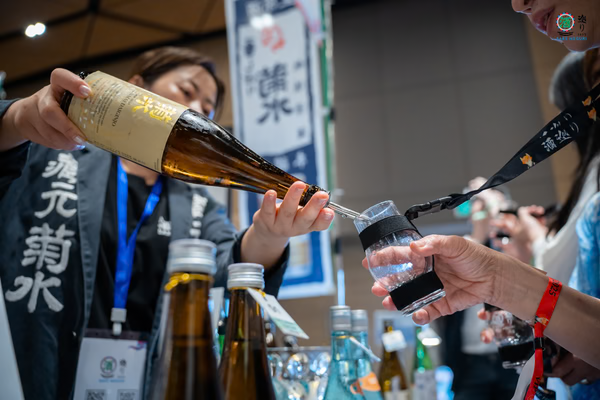
Sake labels must meet the food and alcohol regulations of their destination country. Singapore has specific requirements that importers and exporters must check before shipment.
Depending on the product category, important label details may include:
- Product name.
- Alcohol content by volume.
- Net volume.
- Country of origin.
- Importer or responsible party details.
- Required ingredient and allergen information.
English generally serves as the main language for Singapore’s consumer-facing information. However, additional requirements may apply to alcoholic beverages.
Confirm the exact rules with your importer. You should also consult current guidance from the Singapore Food Agency and Singapore Customs.
Other Southeast Asian countries have separate labeling systems. Some require local-language information, importer registration numbers or health warnings. Certain products may also need approval before sale.
Do not assume that a label approved in Singapore will satisfy another country’s rules. Sake classification also deserves attention because it can affect customs duties and taxes.
Common Compliance Gaps
Exporters often overlook small labeling details that can delay shipments or create problems at customs.
Watch out for these common issues:
- Reusing a Japanese label with a sticker that lacks required local information.
- Displaying alcohol content or volume in an unacceptable format.
- Leaving out the importer’s name or address.
- Using Japanese allergen information without checking local requirements.
- Translating terms such as junmai, ginjo, nama and genshu incorrectly.
- Making health or lifestyle claims that local alcohol advertising rules prohibit.
- Assuming one country’s label approval applies throughout the region.
A label that works in Japan may need adjustments before entering another market.
Review your artwork before shipping. A short consultation can identify which elements you can retain and which ones require changes.
How to Localize Sake Labels
Good localization connects translation, design and compliance into one process. This approach also reflects the inbound support we provide to international alcohol brands.
Start by collecting the destination country’s labeling requirements. Then prepare the artwork using an accurate product specification sheet.
Your importer should review and approve the final label before printing. This reduces the risk of expensive corrections after production.
A short glossary can explain Japanese brewing terminology without overcrowding the front label. You can also provide a separate tasting sheet for restaurants and specialist retailers.
Keep terminology consistent across all materials. The label, tasting sheet and importer’s product catalogue should describe the same product accurately.
Hospitality-Led Distribution Channels
How the Channel Works in Japan
Japan provides a useful reference point for understanding sake distribution. Producers often connect with consumers through restaurants, izakayas and specialist alcohol shops.
E-commerce also plays an important role in reaching customers.
Southeast Asia follows a similar pattern in its more developed hospitality markets. Japanese restaurants, hotel bars, fine-dining venues and specialist retailers offer opportunities for premium sake.
These businesses can introduce unfamiliar products to customers. Knowledgeable staff also help explain brewing methods, regional origins and food pairings.
However, alcohol sales rules vary across the region. Some markets restrict online alcohol sales, advertising and promotional activities.
Check these requirements with your importer before producing marketing materials or launching a campaign.
Matching Products to Venues and Price Levels
Premium and craft sake often suits Japanese restaurants, hotel dining venues and specialist retailers. These businesses can explain the product’s background and recommend suitable food pairings.
Local partnerships with chefs can strengthen this approach. Test sake alongside regional seafood, grilled dishes and spice-rich cuisine.
Sparkling and lighter sake styles may also appeal to different occasions. They can help introduce Japanese sake to customers who prefer less traditional options.
Lower-priced products face different challenges. Import duties and sales taxes can reduce their price advantage.
For every product category, consider the final retail price and the margins required by distributors and retailers. Avoid unsupported health or lifestyle claims in promotional materials.
How JapanPint’s Owned Channels Apply
JapanPint operates several channels in Japan. These include CraftBeer.co.jp, OmoriMart.com and Jasumo.com.
The company also maintains marketplace presence on Amazon Japan, Rakuten and Yahoo! Shopping.
These channels serve the Japanese market. They do not provide a Southeast Asian retail distribution route, and we do not present them as one.
We also do not claim to hold overseas alcohol import licenses. Instead, our outbound work draws on practical experience with Japanese licensing, product labels and import documentation.
We apply this knowledge to help Japanese producers understand the requirements they may encounter when exporting.
Finding Regional Import and Distribution Partners
How the Distribution Chain Works
The distribution structure in Southeast Asia resembles the system used in Japan.
A typical chain includes:
- Importer.
- Wholesaler or distributor.
- Retailer or hospitality business.
- Final consumer.
The company that purchases your sake may not sell directly to the consumer. Instead, it may supply restaurants, hotels and specialist retailers.
Before offering exclusive territory rights, review your existing contracts. Your Japanese distributor or trading company may already have overseas sales rights.
Check these agreements carefully. You should not grant the same rights to another partner if an existing contract already covers them.
Choosing a Partner for Your Product
Different sake categories require different distribution partners.
For example, a specialist importer may suit premium junmai daiginjo. A mass-market distributor may offer better access to customers for sparkling sake.
Consider these questions when evaluating potential partners:
- Which Southeast Asian markets do they currently serve?
- Which Japanese food and beverage categories do they import?
- Have they handled products similar to yours?
- Do they understand sake production and terminology?
- Can their sales team explain your product to restaurants?
- Do they hold the required licenses and registrations?
You can identify potential partners through trade fairs, industry associations and government trade-promotion organisations such as JETRO.
Referrals from other Japanese producers can also help. Direct outreach provides another option, although it may require more time to establish trust.
How JapanPint Can Help
JapanPint does not broker introductions to Southeast Asian importers. We also do not claim to maintain an importer network in Singapore or other regional markets.
Our contribution focuses on practical export knowledge. We can help producers understand the questions to ask potential partners about licensing, registrations and product experience.
Our guide to finding and vetting overseas importers provides a useful starting checklist.
Ask every candidate the same questions. Record their answers and request supporting information where necessary.
Be careful with long-term exclusive agreements that cover several countries. A short initial agreement limited to one market offers greater flexibility.
Include clear sales targets, performance expectations and review periods. These terms make it easier to assess the relationship before expanding the partnership.
A Practical Roadmap for Exporting Sake to Southeast Asia
What Exporters Need to Understand
Successful regional exports require careful planning. Each step should support the next one.
Problems often arise when businesses agree on prices before checking duties, product classification or labeling requirements.
Getting the first market right matters more than entering several countries at once.
How to Approach the Export Process
Follow this sequence when preparing your first shipment:
1. Review your Japanese license position: Confirm your export eligibility and check existing distribution agreements.
2. Select your lead products: Prepare accurate specifications covering ingredients, alcohol content, volume, production methods and storage requirements.
3. Choose your first market: Check whether local regulations permit the import and sale of your sake category.
4. Identify potential importers: Review their licenses, registrations and experience with Japanese beverages.
5. Confirm duties and taxes: Ask your importer to verify product classification, customs duties, sales taxes and any preferential tariff arrangements. Check origin documentation if a trade agreement applies.
6. Prepare destination labels: Adapt your artwork to local requirements and obtain importer approval before printing.
7. Arrange Japanese export procedures: Prepare the required export declaration and supporting proof of export. Check whether your shipment qualifies for liquor tax relief under the applicable rules.
8. Organize transportation: Select suitable freight services and arrange temperature control when necessary.
9. Agree on commercial terms: Document territory, exclusivity, pricing, payment terms and performance reviews.
10. Start with a modest shipment: Monitor sales, collect feedback and adjust your product strategy before expanding.
Samples also require attention. Bottles sent to prospective importers may need customs documents and could attract duties or licensing requirements.
Check the rules with your freight provider and destination importer before sending samples.
The Practical Takeaway
Work backward from the final retail price your target market can support.
Subtract the margins required by importers, wholesalers and retailers. Then account for customs duties, sales taxes and other distribution costs.
This calculation helps you understand the price available to the brewery.
We do not promise fixed prices or clearance timelines in advance. These depend on the product, classification, alcohol strength, destination and importer.
Customs clearance times can also vary. Allow enough time for shipments linked to product launches or seasonal promotions.
Exporting to Singapore and Southeast Asia rewards preparation more than speed. Start by checking your products, labels and documentation before approaching potential buyers.
Ready to Explore Sake Export Opportunities?
Tell us about your products and SKU range through our contact form. We will review your brand’s export position and help identify the areas that need attention.
You can also email our team at su*****@*******nt.com.