Exporting Japanese Sake to South Korea
 By
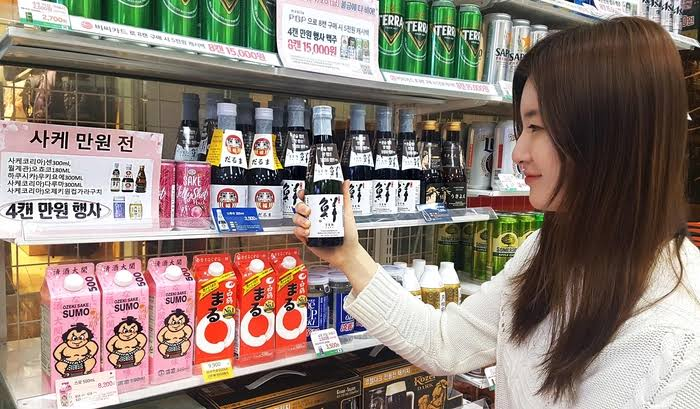
South Korea offers an interesting opportunity for Japanese sake exporters. The country has a strong drinking culture and a growing interest in international beverages. Its restaurants, bars, and specialist retailers also provide potential sales channels.
However, entering the Korean market requires careful preparation. Exporters need a licensed Korean importer, compliant Korean-language labels, and a clear understanding of duties and taxes. They must also consider consumer preferences and local competition before setting prices.
This guide explores Korea’s sake market, younger consumers, import requirements, premium positioning, distributor selection, and the steps involved in exporting Japanese sake successfully.
Korea’s Sake Market: Understanding Demand
What Exporters Need to Know
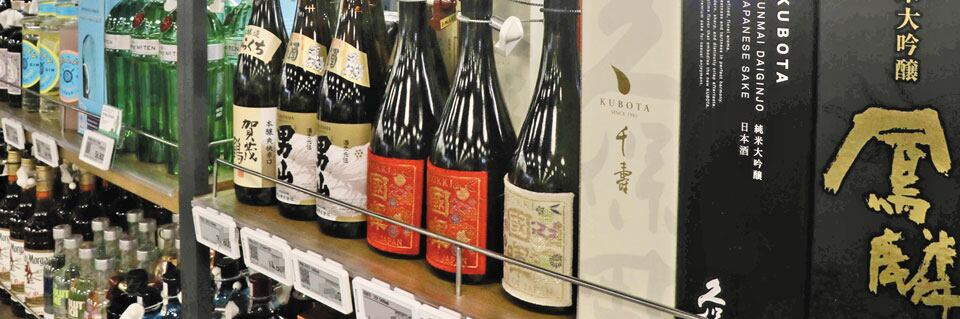
South Korea has a well-established drinking culture. Popular beverages include soju, beer, makgeolli, whisky, and wine. This creates an interesting environment for Japanese sake, as local consumers already enjoy exploring different drinks.
Japanese restaurants and izakaya-style bars also have a familiar presence in major Korean cities. These venues provide natural opportunities to introduce sake alongside traditional Japanese dishes.
However, exporters should avoid assuming that demand continues to grow at a particular rate. They should review current Korean import statistics and trade data before making market forecasts.
Korea and Japan also share a complex historical relationship. Consumer attitudes toward Japanese products have changed over time. These attitudes can vary between generations and customer groups.
Therefore, breweries should discuss current consumer perceptions with potential importers. Local partners can explain how customers view Japanese beverages across different sales channels.
How the Korean Market Works
A licensed Korean importer usually manages the main import procedures. The importer handles customs clearance and coordinates the necessary food import requirements. They may also distribute the products to wholesalers, restaurants, bars, and specialist retailers.
Japanese breweries generally work through these local partners rather than managing Korean import procedures themselves.
Alcohol imports also fall under South Korea’s food safety and customs framework. Importers must follow the applicable import notification and inspection procedures. Exporters should confirm the latest requirements before shipping.
The Practical Takeaway
Identify your sake’s strongest selling points before approaching Korean buyers. These could include its brewing region, rice variety, production method, or food-pairing potential.
Start with two or three carefully selected products. A focused product range makes your offer easier to explain. It also helps you understand local demand before expanding your export portfolio.
Understanding Younger Korean Consumers
What Exporters Need to Know
Younger Korean consumers offer an interesting audience for international beverages. Many explore new drinks through restaurants, bars, social media, and food trends.
Some consumers may find lighter, fruity, and sparkling sake styles particularly approachable. These products can introduce sake to people who have limited experience with traditional Japanese brewing.
However, novelty alone does not guarantee long-term demand. Younger consumers also consider affordability, taste, convenience, and brand identity.
Exporters should therefore build a clear product story rather than rely entirely on short-lived trends.
How the Korean Market Works
Restaurants and bars can introduce sake to customers before they purchase bottles for home consumption.
This makes hospitality venues valuable partners for building brand awareness. Japanese restaurants, cocktail bars, and specialist beverage venues can help explain different sake styles.
However, South Korea regulates alcohol advertising and promotion. Rules may affect promotional campaigns, sponsorships, social media content, and advertising messages.
Exporters should ask their Korean importer to review all promotional materials before publication. They should also confirm the restrictions that apply to online alcohol sales and distribution.
The Practical Takeaway
Give local sellers the information they need to explain your products.
Prepare Korean-language tasting sheets and straightforward serving instructions. Include food-pairing suggestions that local chefs and bartenders can test.
Keep all product claims factual. Avoid unsupported health or lifestyle claims, as alcohol marketing rules can restrict this type of language.
Japanese Sake Import Requirements and Korean Labeling
What the Regulations Require
Exporting sake from Japan and importing it into South Korea involve separate compliance procedures.
On the Japanese side, exporters must prepare the required export declaration. They should also retain proof that the goods left Japan. This documentation supports any applicable Japanese liquor tax exemption or refund procedures.
Our guide to Japanese alcohol export licenses explains the relevant procedures in more detail.
On the Korean side, the importer coordinates customs clearance, food import notifications, and applicable alcohol taxes.
Depending on the product classification, Korean authorities may apply several charges:
- Customs duty
- Liquor tax
- Education tax, where applicable
- Value-added tax (VAT)
The final tax position depends on the product’s classification, customs value, and applicable trade arrangements. Exporters should ask their importers to confirm the current rates before agreeing on a wholesale price.
Korean-Language Label Requirements
Products sold in South Korea must meet the applicable Korean labeling rules.
Depending on the product category, labels may need to include:
- Product name
- Alcohol content (ABV)
- Net volume
- Ingredients
- Country of origin
- Importer’s name and address
- Required date information
- Applicable alcohol warning statements
Korean alcohol labeling rules may also require warnings about excessive drinking and alcohol consumption during pregnancy.
The exact wording and placement depend on the applicable regulations. Ask the importer to confirm the current requirements before printing labels.
Sake classification also deserves attention. Terms such as junmai, ginjo, daiginjo, nama, and genshu describe different production methods or styles. However, their use does not automatically determine the product’s Korean customs or tax classification.
Confirm the correct tariff classification with the importer and customs specialist. This step helps establish the applicable duty and tax position.
Common Korean Import Compliance Gaps
Several practical mistakes can delay an export shipment or create additional costs.
Common problems include:
- Reusing a Japanese label without adding all required Korean information.
- Omitting mandatory alcohol warning statements.
- Presenting alcohol content or volume incorrectly.
- Leaving out the importer’s required details.
- Translating traditional sake terminology inaccurately.
- Failing to review ingredient and allergen information.
- Including unsupported health or lifestyle claims.
- Assuming that one importer’s label approval applies to another importer.
A label that works in Japan may not satisfy Korean requirements. Exporters should arrange a separate review for the Korean market.
This is an important part of international alcohol distribution. Our team can review your existing documentation and help identify areas that need further attention.
How Localization Works
Translation, label design, and compliance checks should form one connected process.
First, collect the Korean importer’s labeling requirements. Next, prepare an accurate product specification sheet. Use this information to develop the Korean-language label.
The importer should review and approve the artwork before printing. A short glossary can also explain Japanese brewing terminology without overcrowding the main label.
Use consistent product descriptions across labels, tasting sheets, and distributor catalogs. This approach helps prevent confusion during sales and distribution.
Positioning Japanese Sake in Korea’s Premium Market
How Premium Distribution Works
Japan offers a useful reference point for understanding premium sake sales.
In Japan, specialist retailers, restaurants, and knowledgeable beverage professionals help customers understand premium sake. E-commerce also provides another route to consumers.
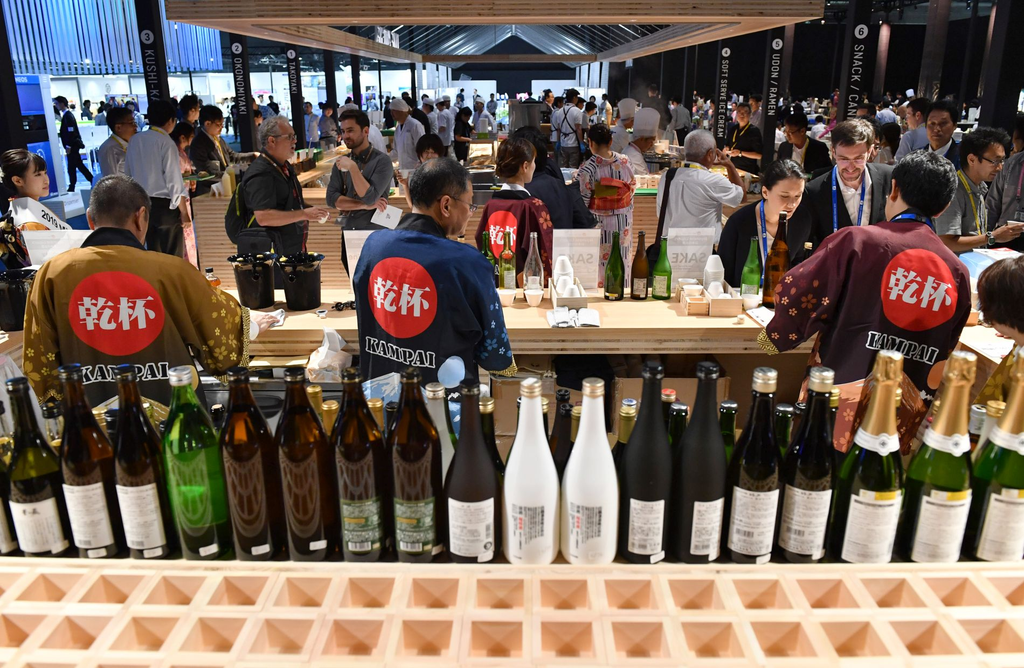
South Korea offers similar opportunities through Japanese restaurants, fine-dining venues, premium bars, hotels, and specialist wine and spirits shops.
These channels allow sellers to explain the brewery, production method, rice variety, and recommended food pairings.
A strong product story can help a premium sake stand out. However, the story must reflect genuine product characteristics rather than unsupported marketing claims.
Matching Products to the Right Price Tier
Different sake styles appeal to different customer groups.
Premium junmai daiginjo may suit specialist retailers and fine-dining restaurants. These venues can explain its brewing method and distinctive characteristics.
Lighter and sparkling styles may appeal to cocktail bars and customers who are new to sake.
Lower-priced products face a different challenge. They compete with familiar domestic beverages and other imported drinks. Import duties, liquor taxes, and distributor margins also influence their final retail prices.
Before setting your export price, work backward from the expected Korean retail price.
Consider each cost:
- Korean customs duty and applicable taxes.
- Importer and distributor margins.
- Retailer or restaurant margins.
- Freight, insurance, and handling.
- Your required export revenue.
Our guide to pricing alcohol exports from a tax perspective explains how to approach this calculation from the Japanese side.
How JapanPint’s Owned Channels Apply
JapanPint operates several channels that serve the Japanese market. These include CraftBeer.co.jp, OmoriMart.com, and Jasumo.com.
The company also has marketplace experience through Amazon Japan, Rakuten, and Yahoo Shopping.
These channels do not provide a Korean retail route. JapanPint also does not claim to hold Korean alcohol import licenses.
However, our experience with Japanese alcohol distribution, licensing, labeling, and export documentation provides useful operational knowledge for international trade.
Finding Korean Sake Importers and Distribution Partners
How the Distribution Chain Works
Japanese exporters can use a familiar distribution structure when approaching South Korea.
The typical chain involves:
Japanese brewery → Korean importer → Wholesaler or distributor → Retailer, restaurant, bar, or e-commerce channel.
The company purchasing directly from the brewery may not sell the product to the final consumer.
Understanding this structure helps exporters identify the right business partner.
Before offering exclusive territory rights, review your existing agreements. Your Japanese distributor or trading company may already hold certain international sales rights.
Check all existing contracts carefully. You should resolve overlapping territory arrangements before negotiating with a Korean importer.
Choosing the Right Importer
Your product category should guide your importer selection.
For example, a brewery exporting premium junmai daiginjo needs a partner with access to specialist retailers and quality restaurants.
A volume-focused importer may not have the right customer base or product knowledge. Such a partnership could also create pressure to reduce prices.
When evaluating potential Korean importers, ask:
- Which Japanese sake brands do you currently distribute?
- Which restaurants and specialist retailers do you supply?
- Have you imported similar products before?
- Can your team explain different sake categories?
- Do you provide Korean-language product materials?
- What import licenses and regulatory permissions do you hold?
- What sales volumes do you expect during the first year?
- Do you require exclusive distribution rights?
You can identify potential partners through trade fairs, industry associations, government trade-promotion organizations such as JETRO, and referrals from other producers.
Referrals can provide useful background information. However, every candidate still needs independent verification.
How JapanPint’s Owned Channels Apply
JapanPint does not broker introductions to Korean importers. We also do not claim to maintain an importer network in South Korea.
Our contribution focuses on the operational side of international alcohol trade. We understand the importance of licensing, documentation, product specifications, and label preparation.
Our guide to finding and evaluating overseas importers provides a practical checklist for assessing potential partners.
Ask every candidate the same questions. Keep their answers in writing and verify any claims about licenses, distribution coverage, and sales performance.
If you are searching for a sake distributor in South Korea, prioritize product knowledge and market access over a quick response.
Be particularly careful with long-term exclusivity agreements. Set clear sales targets, performance expectations, and review dates. A shorter initial agreement can give both parties room to assess the relationship.
A Practical Roadmap for Exporting Sake to South Korea
What Exporters Need to Understand
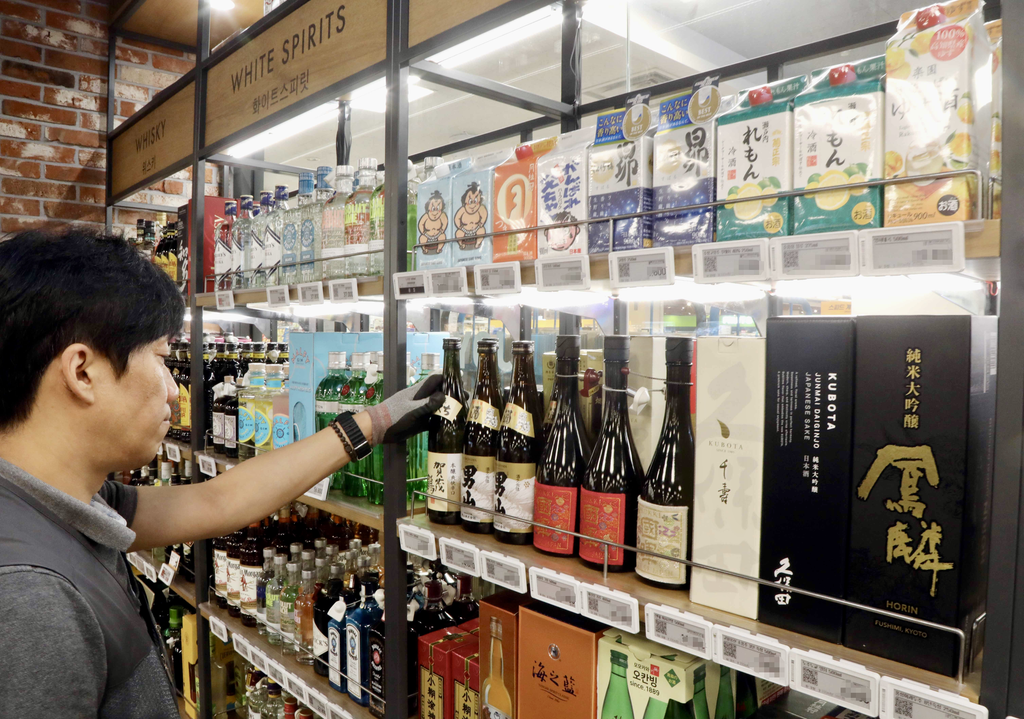
Successful exports require careful coordination between the brewery and its Korean importer.
The biggest problems often arise when businesses agree on prices or shipment dates before checking taxes, labels, and import requirements.
A clear export plan helps reduce these risks.
How to Prepare Your First Shipment
Follow these steps when preparing to enter the Korean market.
1. Confirm your Japanese export position.
Check your applicable Japanese liquor licenses and existing distribution agreements. Identify any restrictions that could affect overseas sales.
2. Select your lead products.
Choose a small number of products for the initial offer. Prepare accurate specifications for each SKU, including ingredients, ABV, volume, production method, and storage requirements.
3. Identify and evaluate Korean importers.
Find partners with relevant licenses and experience in Japanese alcohol distribution. Review their existing product categories and customer networks.
4. Confirm customs classification and taxes.
Ask the importer or customs specialist to confirm the product’s classification, applicable duties, liquor tax, education tax, VAT, and any preferential tariff treatment.
5. Prepare Korean-language labels.
Translate the required product information and prepare compliant artwork. Obtain the importer’s approval before printing labels.
6. Complete Japanese export documentation.
Arrange the necessary export declaration and retain proof of export. Confirm the documentation needed for any applicable liquor tax relief.
7. Organize transportation and storage.
Choose a suitable freight provider. Some sake products require additional temperature control.
For example, unpasteurized nama sake may need refrigerated transportation and storage. Confirm the requirements with your brewery, importer, and logistics provider before shipment.
8. Agree on commercial terms.
Put territory, exclusivity, wholesale pricing, payment terms, delivery responsibilities, and performance expectations in writing.
9. Start with a manageable order.
A modest first shipment helps you evaluate customer feedback and sales performance. Use the results to adjust your product selection and future order volumes.
Do Not Overlook Product Samples
Samples can help Korean importers assess quality before placing a commercial order.
However, sample shipments may still require customs documentation and compliance checks. They may also attract applicable duties and taxes.
Do not assume that small quantities automatically qualify for exemptions. Ask your importer to confirm the rules before sending any bottles.
The Practical Takeaway
Treat your first shipment as the beginning of a long-term business relationship.
Allow enough time for document reviews, label approval, customs procedures, and transportation. Clearance times can vary, so avoid promising a fixed launch date before confirming the logistics.
Export costs and timelines also depend on several factors. These include product strength, classification, SKU count, shipment size, and the importer’s requirements.
South Korea rewards preparation more than speed. Start by checking your products, labels, and documentation before approaching potential buyers.
Explore Your Sake Export Options with JapanPint
Are you planning to introduce Japanese sake to the South Korean market?
JapanPint can help you review the operational requirements involved in international alcohol distribution. We can discuss product documentation, export procedures, labeling considerations, and the preparation needed before approaching overseas partners.
Tell us about your brewery and product range through our contact form. Our team can review your export requirements and help identify the next steps.
For direct enquiries, contact us at su*****@*******nt.com.