Exporting Japanese Shochu Overseas: Breaking Into New Markets
 By
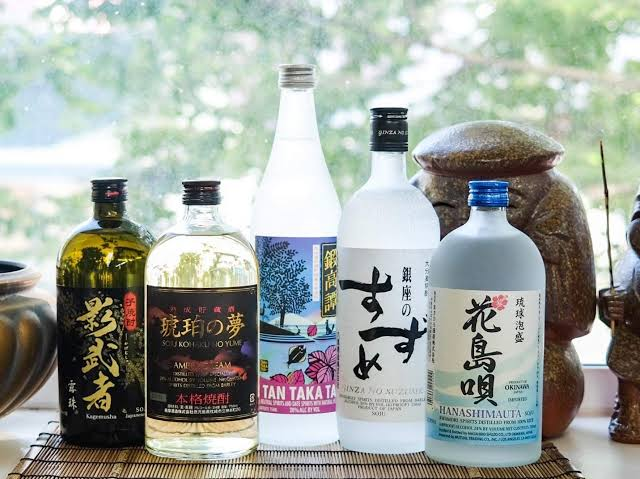
Shochu is one of Japan’s most distinctive spirits, yet it has barely begun to travel, and a producer who wants to export shochu quickly learns that quality is rarely the obstacle. Overseas buyers don’t yet know what the category is, and every destination market has its own rules for classifying and labeling it. This guide sets out how to approach the shochu international market from an operator’s seat, including where Japanese-side and destination-side compliance meet.
Shochu’s export challenge
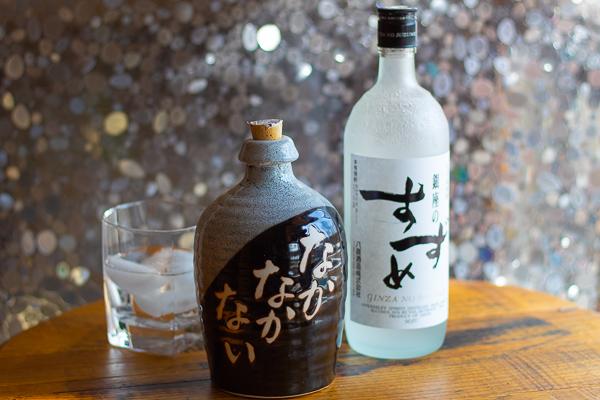
What an exporter needs to understand
Japan’s drinking population is shrinking and aging, and domestic volume is flat to declining. Shochu’s traditional drinkers are an older cohort, so the push to look abroad is understandable. The difficulty is that sake and Japanese whisky have built international recognition over years, while shochu has not yet earned a shelf of its own in most countries.
The category is also unusually broad. Single-distilled shochu (otsu-rui, much of which is sold as honkaku) is made from sweet potato, barley, rice, buckwheat, brown sugar and other bases, and it keeps the character of its ingredient. Continuously distilled shochu (kou-rui) is a much more neutral spirit. That range is a real asset, but it is hard to explain to a buyer who has never tasted either style.
How it plays out in the destination market
An importer or retailer abroad has to decide where shochu sits. Next to vodka, it looks low in strength and unfamiliar. Next to sake, it looks like a spirit that doesn’t belong. Beside soju, it gets compared on price against a category with far more volume and name recognition.
Each placement produces a different price comparison, and most of them don’t favor a craft producer. A 25% ABV spirit priced against 40% vodka reads as weak value to anyone who doesn’t know what they’re tasting. This is why positioning has to be settled before the first container ships.
The practical takeaway
Decide exactly what you are exporting before you talk to any importer. A single hero SKU with a clear ingredient and place story is easier to place than a full range with no entry point. As in Japan itself, an overseas buyer will respond to premium quality and narrative far more than to a lower price, and competing with soju or vodka on price is a race you are unlikely to win.
Educating new consumers
What an exporter needs to understand
In a new market, education is part of the product. A handful of ideas carry most of the weight. The base ingredient shapes the flavor, koji is the starter that drives fermentation, and single distillation leaves the raw material’s character intact.
Avoid shortcuts such as “Japanese vodka.” They are easy to remember, but they undersell the spirit and invite exactly the wrong comparison. Simple, accurate language about what is in the bottle works better, and it holds up when a knowledgeable bartender asks follow-up questions.
How it plays out in the destination market
For a new spirit, education usually happens in the on-trade before it reaches retail shelves. A bartender or sommelier who understands shochu can explain it in two sentences at the table, and that one conversation does more than any shelf talker. Importer sales staff need the same two-sentence pitch, or the product will sit unsold in their portfolio.
Consumers also need to know how to drink it. Shochu is served on the rocks, with soda, with cold or hot water (oyuwari), or with tea, and a drinker who doesn’t know these serves tends to treat it as an unfamiliar neat spirit. Suggested serves on the back label or at the point of sale remove that hesitation.
The practical takeaway
Prepare a small education kit before you approach importers: a one-page explainer in the destination language, three or four recommended serves, and a short note on your base ingredient and production method. Samples are part of this, but remember that alcohol samples arriving in the destination country are still alcohol shipments, so they generally need to move through a licensed importer there rather than being posted informally. [VERIFY: sample-shipment rules vary by destination and should be confirmed per market.]
Labeling and classification abroad

What the regulation requires
Your Japanese label was built for Japanese rules. Once the bottle leaves Japan, the destination country’s rules apply, and they differ by market. As a general pattern, expect requirements covering the product’s class or type designation, alcohol content, net contents, the name and address of the producer or importer, country of origin, and any local health or allergen statements. In the United States, for example, labels need federal label approval and must also meet state requirements, while the European Union applies its own spirit-drink and food-information rules. [VERIFY: current label requirements for each destination market, including any ingredient or allergen disclosure rules.]
Classification is the harder part. Shochu is not a recognized class in every market, so the importer and the regulator have to agree on how to describe and tax it. That decision can affect both the label wording and the excise treatment.
The most common compliance gaps
The most common gap is carrying Japanese category language straight onto an export label. Terms like otsu-rui or kou-rui mean something precise under the Liquor Tax Act, but they mean nothing to a foreign regulator or consumer. A class designation has to make sense in the destination market, not just in Japan.
Other gaps are more mechanical. Alcohol-by-volume statements can be checked against laboratory results, and tolerance rules differ from market to market. Bottle sizes also matter, since common Japanese formats such as 720 ml and 1.8 L don’t match every market’s expected sizes. [VERIFY: current standards of fill and ABV tolerance for each destination.] Finally, descriptive shortcuts such as “sake” or “soju” on a label can be both inaccurate and a reason for rejection.
How localization handles it
The reliable approach is to build the destination label alongside the product, not after it. Keep your Japanese brand identity on the front label and add the required destination-language information on a back label. Confirm the class designation with your importer before anything goes to print.
Whether a given label and classification statement will hold up in a specific destination is exactly the kind of thing worth checking before you commit to a print run. We apply the same discipline from our import work, where a label and SKU review before filing is what prevents expensive surprises, but in reverse, for a Japanese producer facing a foreign regulator.
Cocktail-led positioning
How this channel actually works abroad
For many new spirits, the bar trade is the gateway. A bartender’s menu is effectively the shelf, and a cocktail lowers the cost of trying something unfamiliar. Shochu suits this route. Its typical strength is lower than most Western spirits, which suits long drinks and highball-style serves, and its flavor range gives bartenders a lot to work with.
The risk is being typecast as a mixer. If shochu enters a market only as an inexpensive cocktail ingredient, it can struggle to move up to a premium sipping position later, because buyers and consumers have already fixed their idea of its price.
Fit for your product and price tier
Not every style fits this route equally. A clean barley shochu or a soft rice shochu tends to be approachable in cocktails. A strongly aromatic sweet potato shochu can be polarizing, and it may work better when introduced neat or on the rocks to a more curious audience.
A practical option for a producer with a range is to pair a mixable hero SKU with a smaller sipping flagship. The first gives bartenders an easy way in, and the second keeps a premium story alive. Whatever the mix, avoid pricing the range against everyday soju or vodka.
Where JapanPint’s operator view applies
JapanPint’s owned channels (CraftBeer.co.jp, OmoriMart.com and Jasumo.com), along with Amazon Japan, Rakuten and Yahoo Shopping, operate inside Japan, so they are not an overseas distribution network, and we won’t claim otherwise. What we bring to outbound projects is the operator knowledge we use on the import side, applied in reverse: what a licensed importer needs to see from a producer, how labels and notifications are checked, and where documentation tends to fall short.
Finding partners
How this channel actually works abroad
In most destination markets you will need a licensed importer, and in some of them the chain continues through distributors to retailers and on-trade venues. The United States, for instance, is organized state by state. [VERIFY: current structure by destination, including excise and bonded-warehouse arrangements in the EU and the three-tier rules in US states.]
Your options generally fall into two groups. Specialist importers of Japanese drinks understand the story but may have limited spirits reach. Large spirits distributors have reach and licenses, but a single shochu SKU can disappear inside a very large portfolio.
Fit for your product and price tier
Choose a partner by category depth and attention, not size alone. A premium, story-led shochu usually does better with a smaller importer who will train bartenders and champion the product than with a large distributor that lists it and forgets it.
Ask the questions we recommend foreign brands put to Japanese importers. Which licenses do you hold, and do they cover the channels I want? How many Japanese products do you carry? How do you train the trade? Who is responsible for label approval in your market? A partner who answers these plainly is behaving like an operator.
Where JapanPint’s operator view applies
Because we sit on the import side of this exact relationship, we know what a well-prepared producer looks like from the importer’s chair: consistent SKU information, accurate ABV and ingredient data, and labels that are ready for review. We do not claim a network of overseas distributors. What we can offer is a review of your labels, SKUs and documentation, so your first conversations with foreign importers start from a clean file.
A shochu-export roadmap
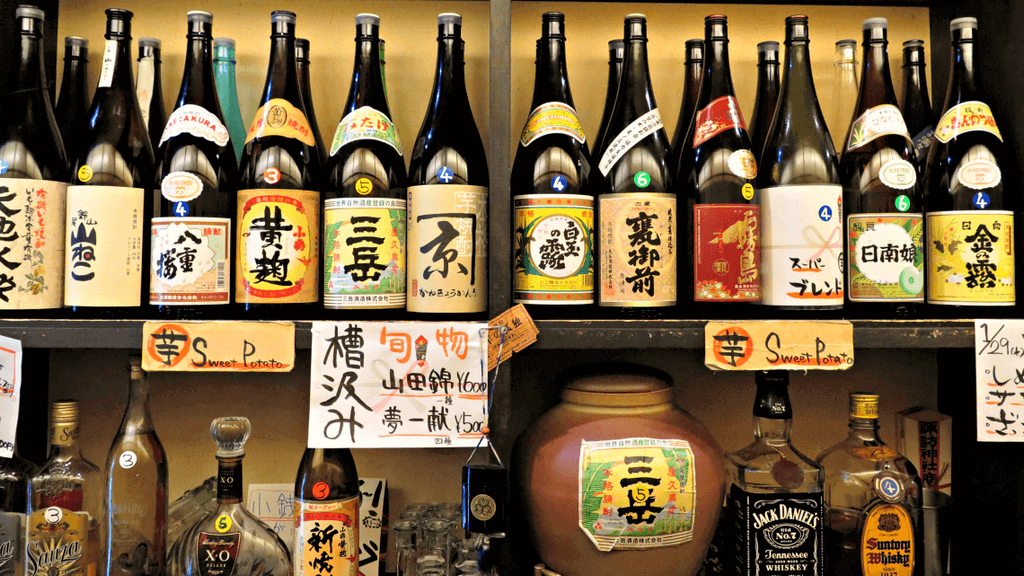
What an exporter needs to understand
Most successful programs follow the same rough sequence, and the order matters more than the speed.
- Choose one or two destination markets and a hero SKU, rather than launching everywhere at once.
- Confirm the Japanese-side export steps, including the liquor tax treatment of exported alcohol and who is licensed to handle the export. [VERIFY: current export exemption and licensing requirements administered by the NTA.]
- Confirm classification and label requirements for the destination with a prospective importer.
- Select an importer based on category depth and attention to your product.
- Send samples through a compliant channel and prepare your education kit.
- Ship the first order and support it with trade education.
How it plays out in the destination market
Timelines and costs vary widely with the destination, the classification outcome and the partner. Duty and excise in many markets are tied to alcohol content, label changes carry design and printing costs, and freight and storage add their own variables. We don’t quote firm figures for any of these, because a realistic number depends on reviewing your labels and SKU count.
What tends to separate a smooth first shipment from a stalled one is preparation: classification confirmed early, a label made for the market, and an importer who understands what they are buying.
The practical takeaway
Take one market at a time and lead with a clear, premium story rather than a low price. If you export shochu with that discipline, the category’s diversity becomes a strength instead of a source of confusion for buyers.
Exporting shochu is a long game that rewards careful preparation more than speed. The details that decide your outcome, from classification to label wording, are specific to your range and your target market.
Tell us about your shochu range and the markets you’re considering through our contact form, and we’ll review your labels and SKUs against what your target importers will expect to see. If you prefer email, you can also reach us at su*****@*******nt.com.