Exporting Japanese Gin and New-Wave Spirits Overseas
 By
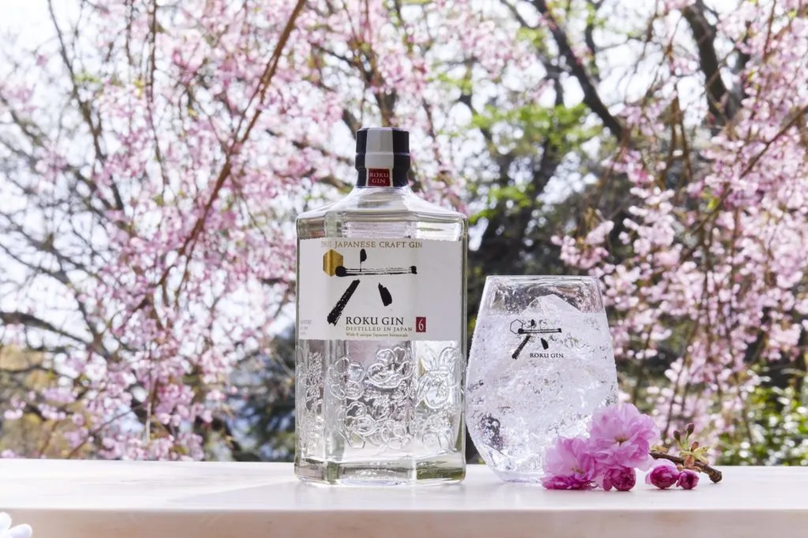
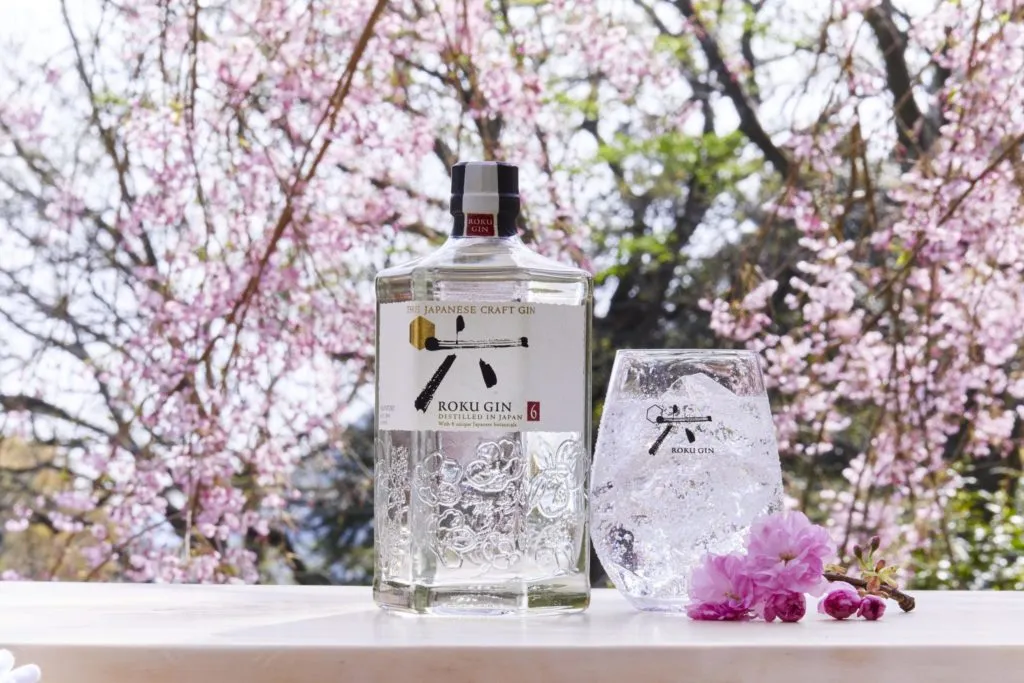
Japanese gin has gone from curiosity to credible category in a few years, and producers now ask how to export japanese gin without being treated as a novelty. The opportunity is real, but it depends on a clear botanical story, a label that satisfies the destination regulator, and an importer who will champion the product. This guide covers each of those from an operator’s seat.
Japanese gin’s rise
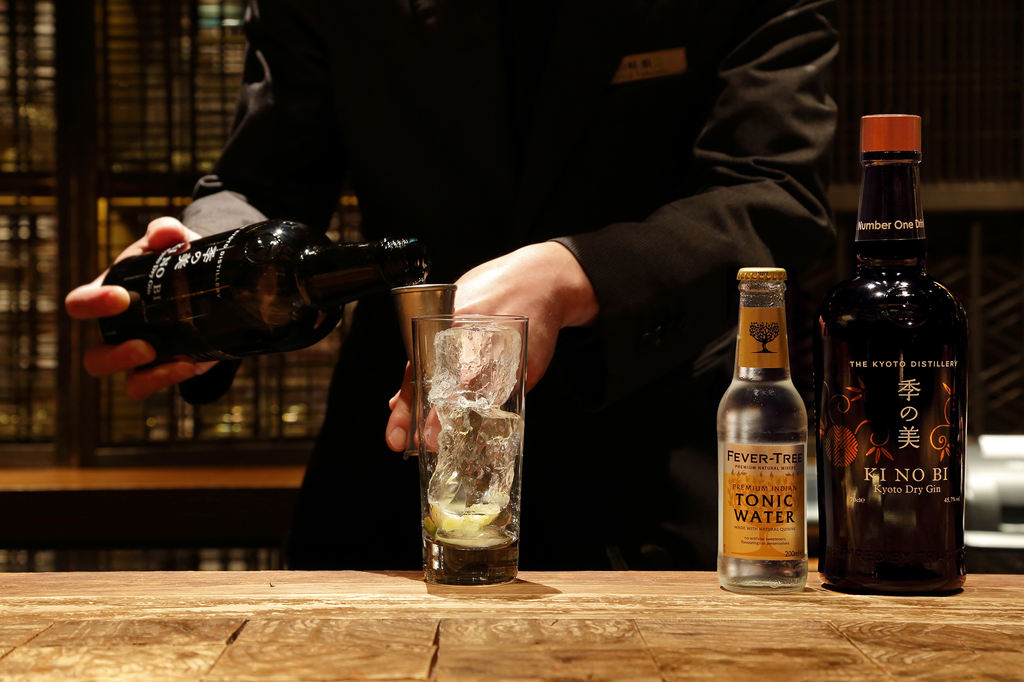
What an exporter needs to understand
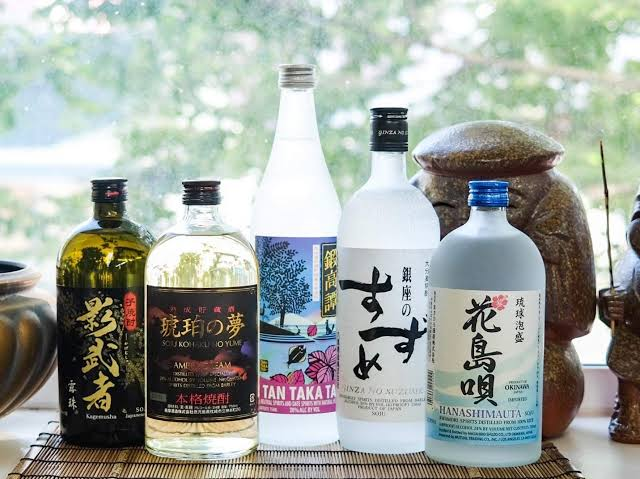
Japan’s drinking population is shrinking and aging, and domestic volume is flat to declining. For craft producers, looking abroad is increasingly a strategic choice rather than a side project. Japanese craft gin, along with other new-wave spirits such as those built on local citrus, tea or rice, arrives at a moment when international bartenders are actively looking for distinctive, provenance-driven products.
The category’s appeal rests on a few things: precise production, unusual native botanicals, and a reputation for quality that Japanese whisky has already helped establish for Japanese spirits in general. That reputation opens doors, but it does not close sales.
How it plays out in the destination market
Buyers abroad will already have an opinion about Japanese spirits, and often a favorable one. They will also have seen several Japanese gins by now, so a new entrant is judged against a growing field rather than welcomed as the first of its kind.
That means “Japanese gin” alone is no longer a sufficient pitch. Buyers will ask what specifically makes yours different: the botanicals, the base spirit, the distillery’s story, the place.
The practical takeaway
Lead with what is distinctive about your gin, not with its nationality. As in Japan’s own premiumizing market, overseas buyers respond to quality and narrative far more than to price, and competing with mainstream gins on price is a race a craft producer should not enter.
Botanical storytelling
What an exporter needs to understand
Botanicals are the strongest storytelling asset a Japanese gin has. Ingredients such as yuzu, sansho pepper, sakura, green tea, shiso and hinoki are vivid, specific and hard for a generic competitor to copy. Used well, they give a bartender something to say in one sentence and a consumer something to remember.
The discipline is accuracy. Every botanical you name in marketing should be one you can substantiate, and the story should explain why it matters to the spirit, not simply list it.
How it plays out in the destination market
Bartenders respond to flavor and to a story they can retell. A gin that can be described as “built around Japanese citrus and pepper, distilled in small batches” gives them something to put on a menu. A long list of botanicals with no hierarchy gives them nothing to hold.
Botanical claims also carry regulatory weight. What you say on the label and in trade materials can be checked against the product, and some destination markets treat flavor or ingredient claims strictly.
The practical takeaway
Choose two or three hero botanicals and build the story around them. Keep a full, accurate ingredient specification in your documentation so that the marketing story and the compliance file match. [VERIFY: whether destination-market rules require disclosure of flavorings or botanicals on the label.]
Labeling abroad
What the regulation requires
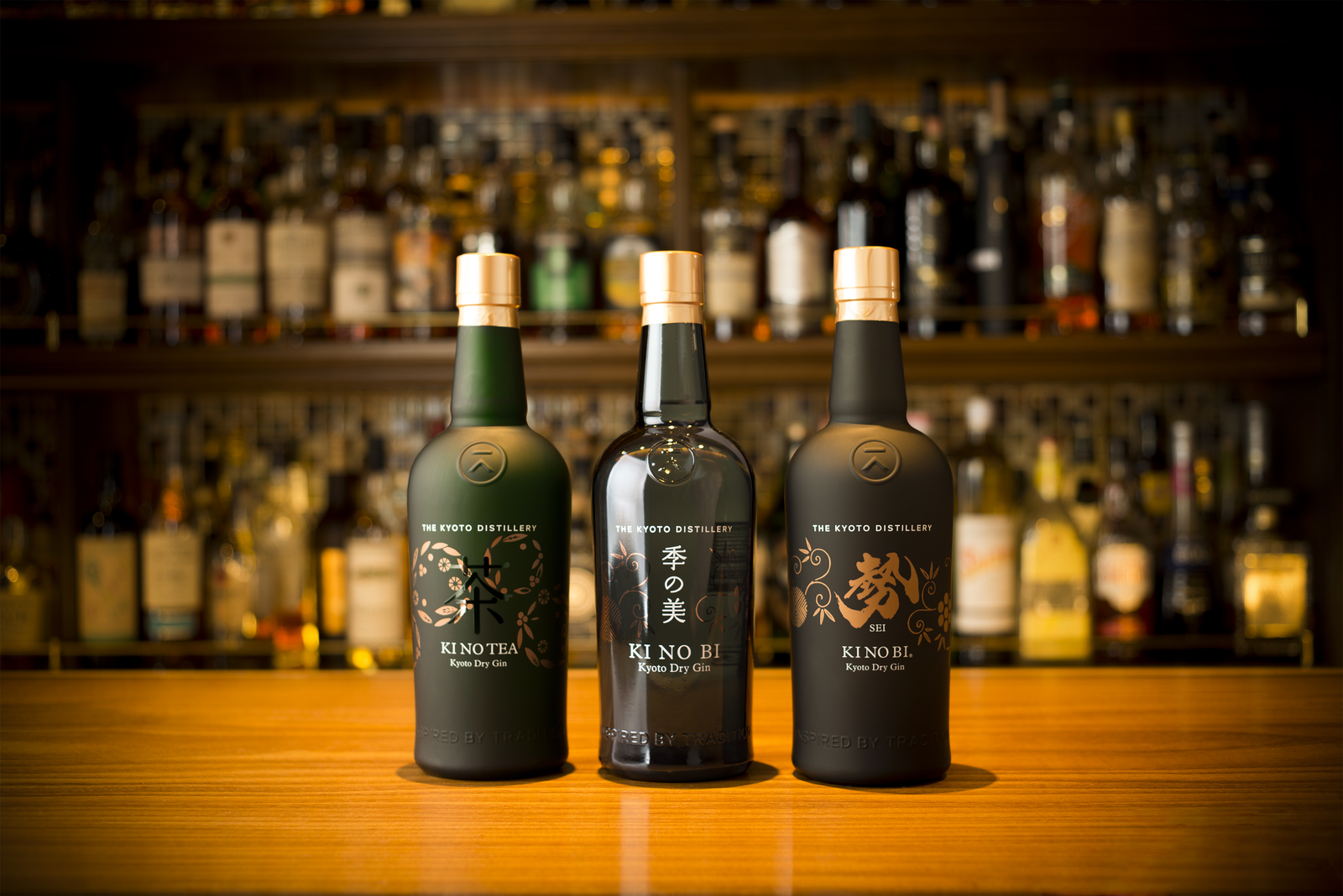
Your Japanese label was built for Japanese rules. Once the bottle leaves Japan, the destination country’s rules apply, and they differ by market. As a general pattern, expect requirements covering the class or type designation, alcohol content, net contents, the name and address of the producer or importer, country of origin, and any local health or allergen statements. In the United States, for example, labels need federal label approval and must also meet state requirements, while the European Union applies its own spirit-drink and food-information rules. [VERIFY: current label requirements for each destination market.]
Classification is the delicate part. Whether a spirit may be described as “gin” depends on the destination’s definition, which usually centers on juniper and on how the botanicals are added. Many Japanese craft gins are deliberately juniper-light or built on unusual bases, and these can sit awkwardly against a strict definition. [VERIFY: gin definition and any labeling consequence for each destination, including how “distilled gin” and “gin” are distinguished.]
The most common compliance gaps
The most common gap is assuming that a product sold as gin in Japan can be labeled as gin everywhere. A product that does not meet a destination’s definition may need a different class designation, which affects the label and sometimes the excise treatment.
Other gaps are mechanical. ABV statements can be verified, and tolerance rules differ by market. Japanese bottle sizes such as 700 ml may not match every market’s expected sizes. [VERIFY: current standards of fill and ABV tolerance for each destination.] Marketing words on the front label, such as “premium” or claims about origin and botanicals, can also be challenged if they cannot be supported.
How localization handles it
Build the destination label alongside the product, not after it. Keep your Japanese brand identity on the front label and add the required destination-language information on a back label. Confirm the class designation with your importer before anything goes to print.
Whether a given label and classification statement will hold up in a specific destination is exactly the kind of thing worth checking before a print run. We apply the same discipline from our import work, where a label and SKU review before filing prevents expensive surprises, but in reverse, for a Japanese producer facing a foreign regulator.
Premium positioning
How this channel actually works abroad
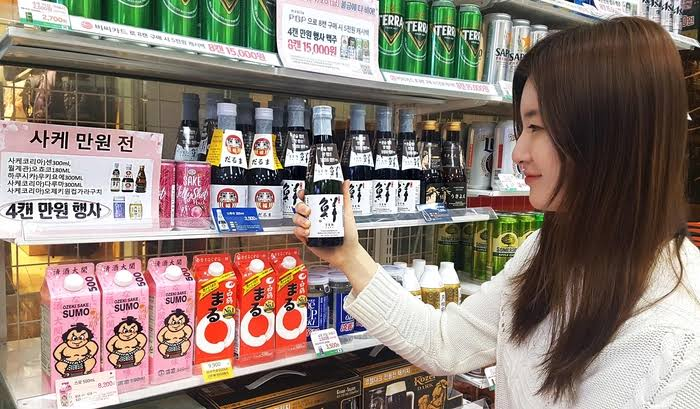
Premium gin is sold through three main doors: the bar trade, specialist spirits retail and e-commerce, and, for some brands, travel retail. The bar trade usually comes first, because a bartender’s menu is the shelf for a new spirit and a back-bar placement signals quality to everyone who sees it.
Specialist retailers and online sellers then convert that visibility into sales among drinkers who are actively exploring new gins.
Fit for your product and price tier
Japanese craft gin generally fits the upper-middle and premium tiers, where its production cost and story justify the price. Trying to enter at the value end puts it against large, efficient brands and undermines the premium story that gives it a reason to exist.
If your range has a flagship and a more approachable expression, treat them differently. The approachable bottle is the bartender’s easy way in, and the flagship carries the premium narrative. Neither should be priced against everyday gin.
Where JapanPint’s operator view applies
JapanPint’s owned channels (CraftBeer.co.jp, OmoriMart.com and Jasumo.com), along with Amazon Japan, Rakuten and Yahoo Shopping, operate inside Japan, so they are not an overseas distribution network, and we won’t claim otherwise. What we bring to outbound projects is the operator knowledge we use on the import side, applied in reverse: what a licensed importer needs to see from a producer, how labels and notifications are checked, and where documentation tends to fall short.
Finding partners
How this channel actually works abroad
In most destination markets you need a licensed importer, and in some the chain continues through distributors to retailers and on-trade venues. The United States, for instance, is organized state by state. [VERIFY: current structure by destination, including excise and bonded-warehouse arrangements in the EU and the three-tier rules in US states.]
Options generally fall into two groups. Specialist importers of Japanese drinks understand the story but may have limited reach beyond that niche. Large spirits distributors have reach and licenses, but a single gin can disappear inside a very large portfolio.
Fit for your product and price tier
Choose a partner by category depth and attention, not size alone. A premium, story-led gin usually does better with a smaller importer that will train bartenders and champion the brand than with a large distributor that lists it and forgets it.
Ask the questions we recommend foreign brands put to Japanese importers. Which licenses do you hold, and do they cover the channels I want? How many craft spirits do you carry? How do you train the trade? Who is responsible for label approval in your market? A partner who answers plainly is behaving like an operator.
Where JapanPint’s operator view applies
Because we sit on the import side of this exact relationship, we know what a well-prepared producer looks like from the importer’s chair: consistent SKU information, accurate ABV and ingredient data, and labels that are ready for review. We do not claim a network of overseas distributors. What we can offer is a review of your labels, SKUs and documentation, so that your first conversations with foreign importers start from a clean file.
A Japanese-gin export roadmap
What an exporter needs to understand
Most successful programs follow the same rough sequence, and the order matters more than the speed.
- Choose one or two destination markets and a hero SKU, rather than launching everywhere at once.
- Confirm the Japanese-side export steps, including the liquor tax treatment of exported alcohol and who is licensed to handle the export. [VERIFY: current export exemption and licensing requirements administered by the NTA.]
- Confirm classification and label requirements for the destination with a prospective importer.
- Select an importer based on category depth and attention to your product.
- Send samples through a compliant channel, remembering that alcohol samples are still alcohol shipments and generally need to move through a licensed importer. [VERIFY: sample rules per destination.]
- Ship the first order and support it with bartender education.
How it plays out in the destination market
Timelines and costs vary widely with the destination, the classification outcome and the partner. Duty and excise in many markets are tied to alcohol content, label changes carry design and printing costs, and freight and storage add their own variables. We don’t quote firm figures for any of these, because a realistic number depends on reviewing your labels and SKU count.
What separates a smooth first shipment from a stalled one is preparation: classification confirmed early, a label made for the market, and an importer who understands what they are buying.
The practical takeaway
Take one market at a time and lead with a clear, premium botanical story rather than a low price. If you export japanese gin with that discipline, the category’s growing reputation works for you instead of against you.
Exporting is a long game that rewards careful preparation more than speed. The details that decide your outcome, from classification to label wording, are specific to your range and your target market.
Tell us about your gin range and the markets you’re considering through our contact form, and we’ll review your labels and SKUs against what your target importers will expect to see. If you prefer email, you can also reach us at su*****@*******nt.com.