Translating Tasting Notes and Marketing Copy for Japanese Labels
 By
By 
Once the mandatory compliance elements of a label are settled, a second, less-discussed question comes up: how do you translate tasting notes japanese consumers will actually connect with, without either losing the brand’s voice or accidentally making a claim Japanese regulation doesn’t allow? This post covers both halves of that problem.
Mandatory text vs. marketing text

How the two options actually differ
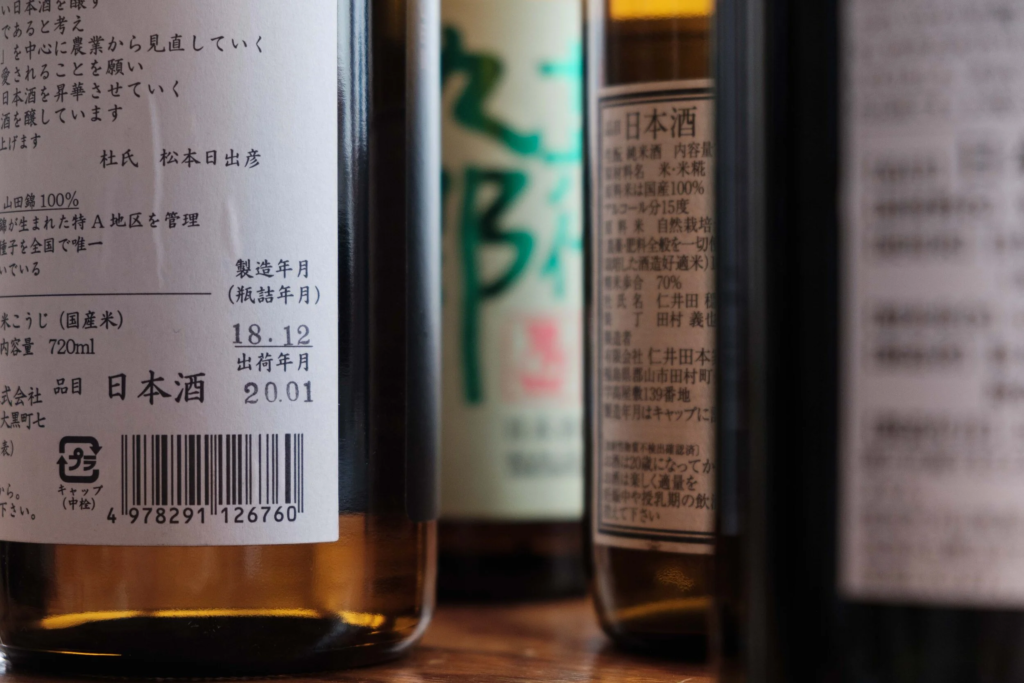
A Japanese alcohol label carries two categories of text that function very differently: mandatory disclosures required under the Food Labeling Act and Liquor Tax Act — ABV, volume, ingredients, importer, the under-20 warning — and marketing copy, including tasting notes and brand storytelling, which isn’t legally required in the same way but is what actually earns a consumer’s attention.
Cost, speed and control trade-offs
Mandatory text has to be translated with precision and reviewed for compliance accuracy; there’s little room for creative interpretation because it’s answering to specific regulatory requirements. Marketing copy has more flexibility, but that flexibility is exactly what makes it require its own kind of care — a literal translation often reads flat or strange to a Japanese reader, while a loose adaptation risks drifting from claims the brand can actually stand behind.
How to decide which fits your situation
Treat these as genuinely different translation tasks handled with different priorities: mandatory text prioritizes regulatory accuracy above all, while marketing copy prioritizes how it reads and resonates — and both should still go through the same overall compliance review before anything is finalized.
Translating brand voice faithfully
What a foreign brand needs to understand
A brand’s voice — the specific way a distillery or winery talks about its process, its founder, its region — often carries meaning through tone and rhythm as much as literal content, and a direct, word-for-word translation frequently loses exactly what made the original copy distinctive.
How it plays out in the import process
This doesn’t intersect with the regulatory filing process directly, but it does affect how the finished label performs once the product clears the border and reaches a shelf or storefront — copy that reads as generic or slightly off in translation undercuts the brand-story fit that Japan’s premium-leaning market actually rewards.
The practical takeaway
Prioritize a translator or copywriter who can adapt tone and meaning for a Japanese reader, rather than one focused purely on literal accuracy. The goal is a Japanese reader having the same reaction a home-market reader has to the original copy, not a technically correct but flat translation.
Cultural nuance in tasting language
What a foreign brand needs to understand
Tasting-note vocabulary doesn’t always map cleanly between languages — a flavor descriptor common in Western tasting notes may not have a natural equivalent in Japanese, or may carry a different connotation than intended, and some references common in one market’s marketing language may simply not register the same way with a Japanese consumer.
How it plays out in the import process
This is a genuine craft translation problem rather than a compliance one — there’s no regulatory filing that checks whether tasting notes resonate culturally, which means it’s entirely on the brand and its localization partner to get right, since nothing downstream in the import process will flag it if it’s off.
The practical takeaway
Work with a translator who understands both the beverage category and Japanese consumer language specifically, not a generalist translator working from a dictionary. Tasting notes are one of the areas where quality of localization directly affects commercial performance, not just compliance.
What not to over-claim
The direct answer up front
Marketing copy for alcohol in Japan is not a free-form space — claims about health benefits, specific effects, or comparative superiority over other products can run into restrictions under Japanese labeling and advertising rules, and what’s permissible should be checked against current guidance rather than assumed to mirror home-market norms [VERIFY].
What the answer depends on in practice
Whether a specific claim is acceptable often depends on how it’s phrased and what it implies — a factual statement about production method generally reads very differently from a claim implying a health benefit, and the line between the two isn’t always obvious to someone translating from a home-market label that operates under different rules.
A concrete example for a foreign brand
A US label describing a spirit as “smooth” or “award-winning” translates relatively safely, but a claim implying the product supports digestion, relaxation, or any specific physiological effect needs a closer look before it goes on a Japanese label, since language that reads as a lifestyle claim at home can read as an efficacy claim under Japanese review.
Health and efficacy claim limits
What a foreign brand needs to understand
Alcohol marketing in Japan sits under general restrictions on health and efficacy claims that apply broadly to food and beverage labeling, on top of the alcohol-specific requirements under the Liquor Tax Act. This isn’t unique to imported products, but a foreign brand translating existing marketing copy is at particular risk of carrying over a claim that was fine at home but crosses a line in Japan.
How it plays out in the import process
Claims like this get caught during the compliance review that precedes the labeling-method notification filing, which means the earlier a brand flags questionable language for review, the less likely a late-stage rewrite disrupts the shipment timeline.
The practical takeaway
Flag any language implying a health effect, medicinal benefit, or specific physiological claim for compliance review early, rather than assuming existing home-market marketing language will translate through unchanged. When in doubt, a factual, provenance-based claim is safer than an efficacy-adjacent one.
Localizing copy that converts
What a foreign brand needs to understand
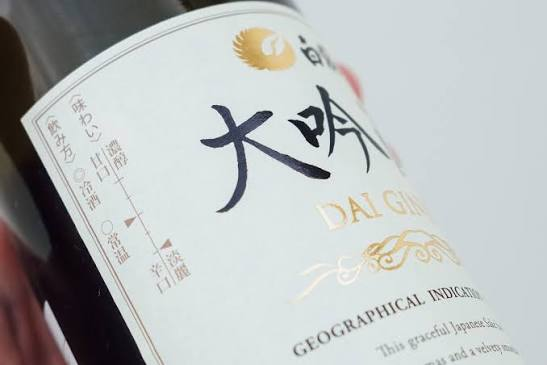
The end goal of all of this isn’t just a legally compliant label — it’s marketing copy that actually helps a Japanese consumer or retail buyer understand why this specific product is worth choosing, in language that feels native rather than translated.
How it plays out in the import process
Copy that converts well tends to lean on the same brand-story specificity that performs well throughout the Japanese market generally — a real founder, a real region, a real process — translated by someone who understands both the category and how Japanese consumers actually respond to that kind of specificity.
The practical takeaway
Invest in quality translation and adaptation for marketing copy the same way you’d invest in quality translation for mandatory compliance text — treating one as a legal necessity and the other as an afterthought is a common mistake that undercuts a label’s actual commercial performance.
Getting both the compliance and the marketing side of your label right comes down to the specifics of your copy and claims, which is exactly what a full label review covers.
Tell us about your product and SKU range through our contact form, and we’ll review where your brand stands for Japan entry. If you prefer email, you can also reach us at su*****@*******nt.com.