Content Marketing for Japanese Alcohol Brands Going Global
 By

Most Japanese producers treat marketing as something that begins once a bottle reaches an importer’s warehouse. In practice, the buyers who decide whether a brand gets a chance start looking much earlier, and they look online. A producer who invests in content marketing sake and spirits brands can use can build credibility before the first sales conversation. This guide covers why content compounds, what to publish, how to be found, and how to build a repeatable system, from an operator’s seat.
Why content compounds
The direct answer up front
A good piece of content keeps working after it is published. A clear explainer on your production method, a well-made tasting guide or an accurate page on how your product is labeled can be found by an importer, a bartender or a journalist months or years later, and it answers their first questions without you being in the room. Advertising stops when the budget does. Useful content continues to earn attention, and each new piece strengthens the ones already published.
What the answer depends on in practice
The compounding effect depends on quality and consistency. A handful of accurate, specific pages will outperform a large volume of vague promotional posts. It also depends on audience: content written for overseas buyers, such as importers and trade, behaves differently from content written for consumers, and trying to serve both with the same page usually serves neither. Japan’s drinking population is shrinking and aging, and domestic volume is flat to declining, so many producers are building an overseas audience from nothing, which makes the early investment more valuable, not less.
A concrete example for a foreign brand
A small sake brewery publishes a bilingual page explaining its rice, its polish rates and the reasoning behind one limited release, along with a plain statement of the alcohol content and bottle size. Over time, importers searching for premium sake find it, sommeliers reference it and the brewery’s later releases link back to it. No single page was dramatic, but together they became the brewery’s trusted record, and the importer’s first conversation started from a position of familiarity.
Education-led content

What an exporter needs to understand
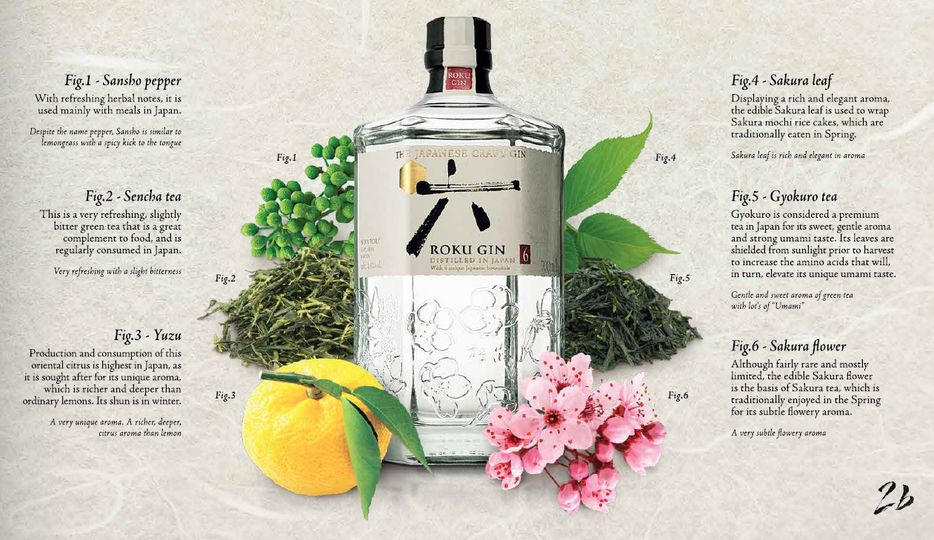
For most Japanese categories, education is the product. Shochu, sake and even Japanese gin need explanation in markets where the vocabulary is unfamiliar. Education-led content answers real questions: what is it made from, how is it different, how should it be served, and what does it taste like.
The discipline is accuracy. Every claim about polish rate, base ingredient, age, origin or production method must match your records. Buyers and regulators can check, and a mismatch between marketing and documentation costs trust faster than any competitor.
How it plays out in the destination market
Bartenders and sommeliers are the first audience for a new category, and they want content they can use: a short explanation they can repeat in a sentence, tested serves, a clear tasting note and facts they can rely on. An importer’s sales staff want the same material, in the destination language, because they cannot champion what they cannot explain.
Avoid shortcuts that undersell the product, such as describing a Japanese spirit as an equivalent of something it is not. Simple, accurate language holds up when a knowledgeable buyer asks follow-up questions.
The practical takeaway
Build a small education kit before you approach importers: a one-page explainer in the destination language, three or four recommended serves, a short note on your base ingredient and production method, and a clear statement of the facts you will stand behind. Premium quality and a truthful story earn far more than a low price, abroad as in Japan.
SEO for international buyers
What an exporter needs to understand
Search engine optimization is how overseas buyers find you without an introduction. The practical starting point is understanding what they search for. An importer looking for a new Japanese product does not type your brand name. They search for the category, the style, the origin and the problem they are trying to solve, and they do it in their own language. Japanese alcohol SEO therefore means writing for those searches, not for a domestic audience translated word for word.
Language is the main trap. A page that reads naturally in Japanese can read oddly in English, and category terms such as shochu, junmai or umeshu may need a one-line explanation before they work as search targets. [VERIFY: current search behavior and keyword data for each destination language, using a keyword research tool before committing to terms.]
How it plays out in the destination market
Buyers in different countries use different words for the same product and often search in different languages. A single English-language site will serve some markets and miss others. Pages that name the category, explain it and answer the obvious questions tend to attract the right visitors, while pages that offer only brand slogans attract almost none.
Trust signals matter for a trade audience. Clear contact details, accurate product specifications, consistent naming and a visible record of what you have published all help an importer decide you are a serious producer. Product information must also be consistent everywhere it appears, because inconsistent ABV, bottle size or naming across pages looks careless and invites questions.
The practical takeaway
Choose a handful of search topics that match your hero product and write one thorough page for each, in the language of your target market. Keep specifications identical across your site, catalog and marketing materials. Add a plain contact route for trade inquiries, and measure which pages bring genuine inquiries, not just visits.
Video and visual assets
What an exporter needs to understand
For alcohol, visuals do much of the persuading. Buyers cannot taste through a screen, so photography and video carry the place, the process and the care behind the product. The most useful assets show things that are true and specific: the brewery or distillery, the raw materials, the people, the process and the finished bottle in clean, accurate detail.
Quality matters more than quantity. A few well-made images and one short, honest video outperform a large library of generic footage.
How it plays out in the destination market
Alcohol marketing is regulated in many destinations, and the rules differ by market and by platform. Some restrict how products can be shown, which claims can be made, who can be targeted and whether health-related or youth-oriented imagery is permitted. [VERIFY: alcohol advertising and social-media rules for each destination and platform, including any age-gating requirements.]
Visual assets should also match your label. A bottle shown in marketing should carry the approved label for that market, and any alcohol content or origin statement in a caption must agree with the documentation. Visuals that suggest heritage, awards or origin the product cannot support create reputational and sometimes legal risk.
The practical takeaway
Produce a small, accurate set: a clean bottle shot on a neutral background, a few images of the production site, and one short video that explains what makes the product distinctive. Check each against local advertising rules before publishing, and keep a record of which versions were approved for which market.
Repurposing across markets
How this channel actually works abroad
One strong piece of content can serve several markets, but not unchanged. The same explainer may need a different language, different examples, a different regulatory note and a different emphasis. A trade-focused guide for importers can become a bartender kit, a consumer-facing page and a set of social posts, each at a different depth.
The structure of the destination market also shapes what is useful. In most countries a licensed importer is required, and in some the chain continues through distributors to retailers. The United States, for instance, is organized state by state, so content for American buyers often needs to address that structure. [VERIFY: current market structure by destination, including excise arrangements in the EU and the three-tier rules in US states.]
Fit for your product and price tier
A premium, limited release suits detailed, story-led content aimed at specialist buyers and collectors. An accessible, repeatable product suits simpler material aimed at bars and retail. Repurposing works best when the underlying facts are shared and the presentation changes, not the other way around.
Translate carefully. Have important documents and any text that appears on labels or in regulated claims checked by someone fluent in both languages, since small errors in terminology can create real problems.
Where JapanPint’s operator view applies
JapanPint’s owned channels (CraftBeer.co.jp, OmoriMart.com and Jasumo.com), along with Amazon Japan, Rakuten and Yahoo Shopping, operate inside Japan, so they are not an overseas distribution network, and we do not claim otherwise. We also do not claim a network of overseas importers. What we bring to outbound projects is the operator knowledge we use on the import side, applied in reverse: what a licensed importer needs to see from a producer, how labels and notifications are checked, and where documentation tends to fall short.
A content engine for export

What an exporter needs to understand
A content engine is a simple, repeatable routine, not a large operation. It has four parts: a fact base, a calendar, a review step and a measurement habit. The fact base is a single source of truth for every product, covering the ingredients, ABV, bottle sizes, production details, approved labels and the claims you are able to substantiate. Everything you publish draws from it, so nothing contradicts anything else.
The calendar sets a modest, realistic rhythm, such as one substantial piece each month and smaller pieces derived from it. The review step checks each piece for accuracy and for local advertising rules before it goes out. Measurement asks which pieces produced real trade inquiries.
How it plays out in the destination market
The engine matters because importers judge consistency. A producer who publishes accurate, current material over a long period looks like a reliable partner, while one whose site has not changed in two years, or whose specifications differ from page to page, looks risky. Content also gives your importer something to work with, such as trade sheets, serve guides and story pages they can adapt for their own customers.
Keep the first export steps in view as well. A sensible sequence is to choose one destination and one hero product, confirm the Japanese-side export steps, confirm classification and label requirements with a prospective importer, select that importer on category depth and attention, send samples through a compliant channel, and ship a modest first order. [VERIFY: current export exemption and licensing requirements administered by the NTA, and sample-shipment rules for each destination.] Content supports that sequence, but it does not replace it.
The practical takeaway
Start with the fact base, then produce one strong page for your hero product and build outward. Lead with quality and a truthful story, not a low price, and keep every claim traceable to your records. We do not quote firm costs or timelines for any of this, because they depend on your product, markets and labels.
Because we sit on the import side of this relationship, we know what a well-prepared producer looks like from the importer’s chair: consistent SKU information, accurate ABV and ingredient data, and labels that are ready for review. Good content and clean documentation reinforce each other.
Tell us about your range and the markets you’re considering through our contact form, and we’ll review your labels and SKUs against what your target importers will expect to see. If you prefer email, you can also reach us at su*****@*******nt.com.