Category Comparison: Which Japanese Alcohol Exports Most Easily?
 By

Every Japanese producer eventually asks which category is the easiest Japanese alcohol export, and the honest answer is that “easy” depends on what you measure. Buyer familiarity, logistics, margin and competition each point to a different winner, and none of them wins on all four. This guide compares sake, whisky, gin, shochu, umeshu and Japanese beer and RTDs on those four measures, then offers a way to choose where to start.
Comparing buyer familiarity
What an exporter needs to understand
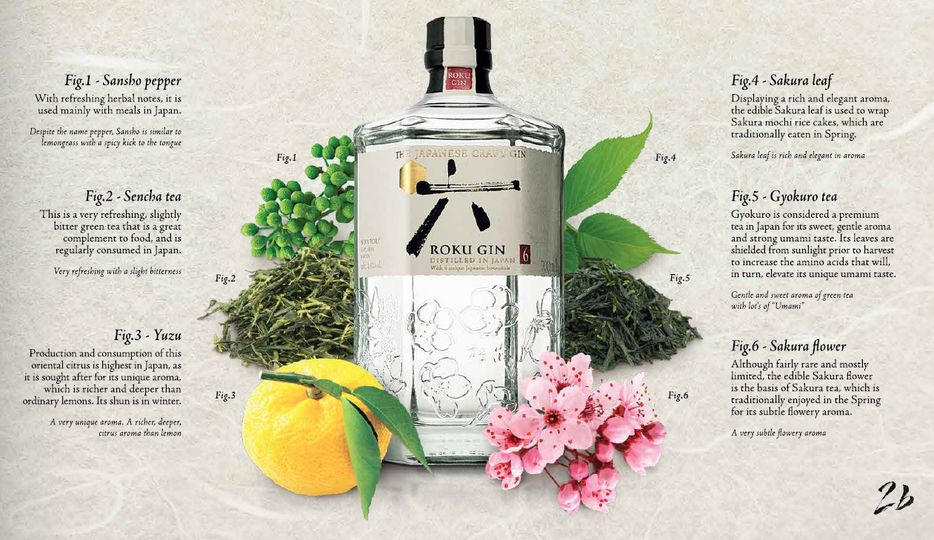
Japan’s drinking population is shrinking and aging, and domestic volume is flat to declining, so most producers now look abroad. Familiarity is the first thing that separates the categories. Sake is the best known, mostly through Japanese restaurants, though many buyers still know it only as a single product served warm. Japanese whisky has the strongest global reputation, built over two decades of international awards. Gin is newer but benefits from the worldwide craft-gin boom. Umeshu has a loyal following in specific markets. Shochu is the least known, and often needs to be explained from scratch.
Familiarity cuts two ways. A known category needs less education but meets stronger comparisons, while an unknown one gives you room to define it at the cost of a slower build.
How it plays out in the destination market
Buyers place a Japanese product against what they already know. Whisky is compared with Scotch, sake with wine, gin with every craft gin on the back bar, and shochu with vodka or soju, a comparison that rarely flatters it. In each case the buyer’s first question is what makes yours different, and a vague answer ends the conversation.
Familiarity also varies by market within the same category. A market with a large Japanese dining scene will understand sake and shochu far better than one without. [VERIFY: current consumer familiarity and import data by category and destination, using published trade sources before quoting any figure.]
The practical takeaway
Match the category to the market’s existing vocabulary. If buyers already understand it, lead with what distinguishes your product. If they do not, choose one hero product and plan for education, which usually starts with bartenders and sommeliers, not shelf talkers.
Comparing logistics difficulty

What an exporter needs to understand
Logistics differ more than producers expect, and they shape both cost and risk. Aged spirits such as whisky are robust: stable, shelf-stable and tolerant of ordinary shipping. Gin and shochu are similarly forgiving. Sake is the most sensitive. Unpasteurized (nama) and delicate, fragrant styles can suffer from heat and light, so cold-chain or temperature-protected shipping may be advisable. [VERIFY: recommended storage and transport conditions for each sake style and for any lower-ABV or flavored product.] Beer and canned RTDs also have freshness windows and, being heavy and low in value per unit, are costly to ship.
The Japanese-side steps apply to every category: exported alcohol is handled under liquor tax rules, and the party handling the export must be properly licensed. [VERIFY: current export exemption and licensing requirements administered by the NTA.]
How it plays out in the destination market
Destination rules add a layer. Each country has its own requirements for registration, class designation, label content, standards of fill and ABV tolerance, and a licensed importer is generally the accountable party. In the United States, for example, labels need federal approval and must also meet state requirements, while the European Union applies its own spirit-drink and food-information rules. [VERIFY: current import, label and excise requirements for each target destination.]
Classification can be the biggest surprise. A category that is clearly defined in Japan, such as shochu or sake, may have no direct equivalent abroad, and a flavored or unusual-base gin may not meet a strict definition. Samples also count as alcohol shipments and generally need to move through a licensed importer. [VERIFY: sample-shipment rules for each destination.]
The practical takeaway
For logistics alone, robust, shelf-stable categories are easier to ship. If you export a more sensitive product such as sake, budget for temperature protection and a partner who understands it. We do not quote firm costs or timelines, because they depend on your product, labels and route.
Comparing margins
What an exporter needs to understand
Margin is where the categories diverge most. Premium and aged products can support strong margins, but they depend on scarce stock and on a story that justifies the price. Everyday products have thin margins once freight, duty, excise and each distribution layer are stacked on top, and a Japanese producer shipping small volumes rarely matches the cost position of large international brands.
Landed price is the sum of many parts: producer price, packaging, export handling, freight, duty, excise, and importer, distributor and retailer margins. Destination tax treatment varies widely and is often tied to category and alcohol content. [VERIFY: how each destination classifies and taxes each category, and any duty or preferential treatment applying to Japanese-origin alcohol.]
How it plays out in the destination market
A bottle that looks well priced ex-brewery can reach the shelf at a price that no longer fits its positioning. The higher the duty and excise, the more room the premium story must carry. That is why heavily taxed, lower-value products are often the hardest to make work, regardless of how popular the category is.
Premium positioning also protects margin. Buyers abroad respond to quality and narrative, as they do in Japan’s own premiumizing market, and a producer who discounts to win placement tends to lose both margin and positioning.
The practical takeaway
Work backward from the shelf or menu price your target customer will accept, subtract each confirmed cost and see what remains. If the number does not work at premium positioning, the product may belong in a different tier, category or market. Never plan to win on price alone.
Comparing competition
What an exporter needs to understand
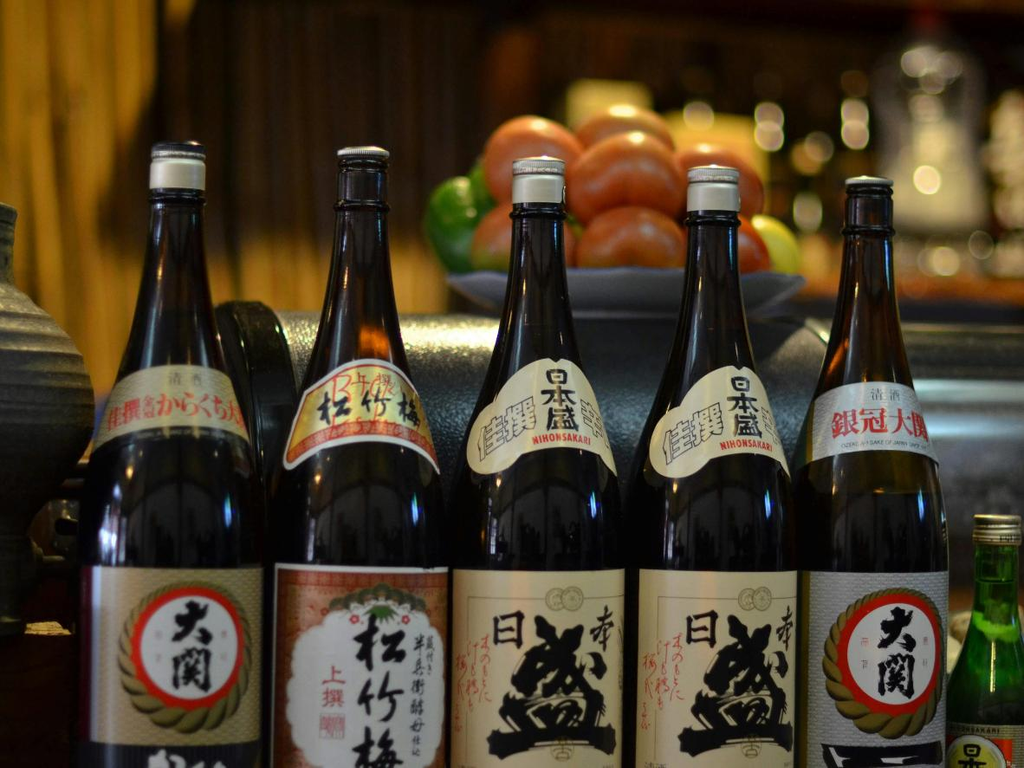
Competition comes from other Japanese producers, established international brands and local products serving the same occasion. Whisky faces both Scotch and a growing field of Japanese-style claims. Gin competes in one of the most crowded craft categories in the world. Sake has more room at the premium end but faces rising numbers of exporting breweries. Shochu has little direct competition simply because it is little known, which is an opportunity and a burden.
How it plays out in the destination market
Competition also shows up in the importer’s portfolio. A distributor with several Japanese brands in your category may have little attention left for another, while a smaller importer with a thin Japanese list may champion yours. Whatever your closest comparable sells for will anchor your price.
Authenticity is part of the competitive picture. Counterfeits and misleading imitations of well-known Japanese products have appeared in several markets, and origin claims in whisky have drawn particular scrutiny. [VERIFY: trademark registration and origin-labeling rules in each destination, ideally with a qualified local IP adviser.]
The practical takeaway
Look for the segment where your product is distinctive and the field is not overcrowded, not simply the largest category. A narrow position held well is worth more than a wide one held weakly.
Risk vs. reward by category
How the two options actually differ
Think of the categories as a spectrum. At one end, aged whisky and premium sake offer high reward but depend on scarce stock, a protected brand and a credible story, and they punish exaggerated claims. At the other end, everyday shochu or mainstream RTDs carry low barriers to entry but thin margins and little defense against larger competitors.
Gin and umeshu sit between them. Gin has a fast route to bars but a crowded field. Umeshu has a distinct profile and loyal buyers but a narrower audience.
Cost, speed and control trade-offs
Premium categories move slowly, since they depend on education, relationships and allocation, but they hold their value. Accessible categories can start faster but are easier to copy and harder to defend. Sensitive products such as unpasteurized sake demand more control over storage and transport, which adds cost but also screens out weaker competitors.
Your own capacity matters as much as the category. A brewery with limited stock and no export staff should not choose a category that requires constant attention, however attractive its margins look.
How to decide which fits your situation
Ask four questions of each candidate: how well do buyers already understand it, how demanding is shipping and compliance, what margin survives the landed-cost stack, and how crowded is the field? A category that scores acceptably on all four is a safer start than one that scores brilliantly on one and poorly on the rest.
Choosing where to start
What an exporter needs to understand
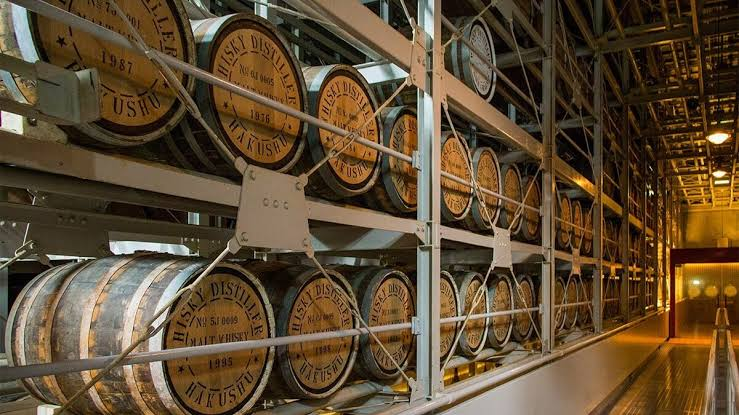
There is no single easiest category. There is only the category that fits your product, your capacity and your target market. A producer with robust, premium stock and a strong story may find whisky or gin the simplest to place. A brewery with a distinctive junmai daiginjo and a partner who understands cold-chain handling may find sake perfectly workable. A shochu maker will usually need to plan for more education but will face less direct competition.
How it plays out in the destination market
Whichever category you choose, the destination-side basics are the same. A licensed importer must be accountable, classification must be confirmed early, the label must meet local rules, and the documentation must be consistent. [VERIFY: current structure and label requirements by destination, including the three-tier rules in US states and the excise arrangements in the EU.]
A sensible sequence is to choose one category, one hero product and one destination, confirm classification and label requirements in writing with a prospective importer, select that importer on category depth and attention, send samples through a compliant channel, and ship a modest first order.
The practical takeaway
Start narrow, lead with quality and a truthful story rather than a low price, and learn from the first shipment before expanding. If you want to choose the best Japan alcohol to export, let your landed-cost model and your capacity decide, not the category’s reputation.
Because we sit on the import side of this relationship, we know what a well-prepared producer looks like from the importer’s chair: consistent SKU information, accurate ABV and ingredient data, and labels that are ready for review. JapanPint’s owned channels (CraftBeer.co.jp, OmoriMart.com and Jasumo.com), along with Amazon Japan, Rakuten and Yahoo Shopping, operate inside Japan, so they are not an overseas distribution network, and we do not claim otherwise. We also do not claim a network of overseas importers.
Tell us about your range and the markets you’re considering through our contact form, and we’ll review your labels and SKUs against what your target importers will expect to see. If you prefer email, you can also reach us at su*****@*******nt.com.