The 10,000 Yen Threshold and Other Duty Exemptions You Should Know
 By
By 
Small duty-exemption thresholds show up frequently in general Japanese customs guidance, and foreign brands researching their first shipment sometimes wonder whether any of them might reduce costs on a modest initial order. Here’s a clear look at duty exemption alcohol japan provisions — what they actually cover, and why they almost never apply to a commercial shipment, however small.
The 10,000 yen exemption explained
What a foreign brand needs to understand
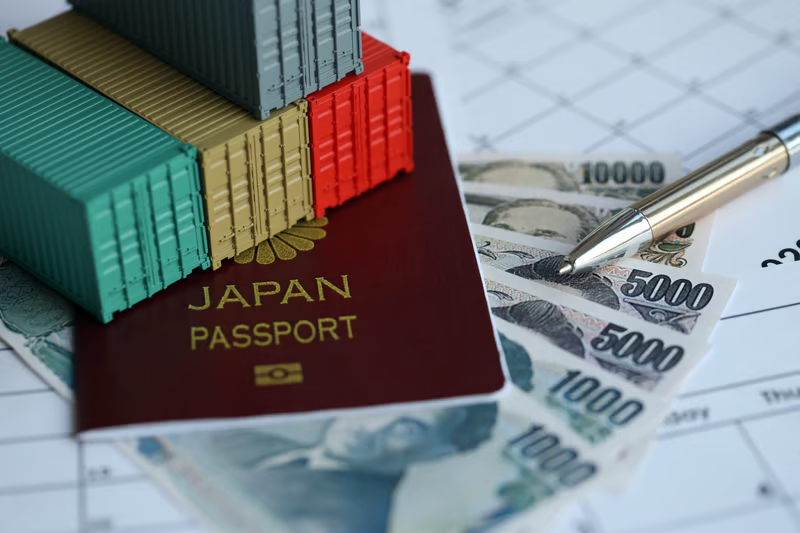
Japan’s customs framework includes a duty-exemption threshold for low-value shipments, commonly referenced around a 10,000 yen value figure, designed to spare low-value personal or gift shipments from the administrative burden of full duty assessment. [VERIFY: the current specific threshold figure and its precise scope, as this should be confirmed against current customs guidance.] This provision exists for a specific category of low-value, non-commercial goods.
How it plays out in the import process
For a foreign brand shipping alcohol intended for resale, this exemption doesn’t apply — regardless of how small the shipment’s total value happens to be. The 10000 yen threshold japan exemption is built around the nature of the shipment (personal or gift, low-value) rather than simply its dollar value, so a commercial shipment of even modest size doesn’t qualify by virtue of staying under that figure.
The practical takeaway
Don’t build early cost planning around this threshold if your goal is commercial import. It’s a genuinely different category of shipment from what your business needs, and assuming it applies can lead to inaccurate budget expectations early in your planning process.
Personal-use exemptions
What a foreign brand needs to understand
Alongside value-based exemptions, Japan’s customs system includes personal-use allowances for individuals bringing alcohol into the country for their own consumption — a category built around travelers and individual imports, not businesses bringing product in for sale. These allowances typically specify a quantity threshold understood as reasonable for personal use rather than resale.
How it plays out in the import process
A business importing alcohol as inventory for commercial distribution is never operating under personal-use provisions, no matter the shipment’s size. This is a categorical distinction, not a volume-based one — the intended use (resale versus personal consumption) is what determines which framework applies, not simply how much product is involved.
The practical takeaway
If your Japan market entry research turns up personal-use allowance figures, treat them as background information about an entirely separate category of import — not a lighter-touch option available to you as a commercial importer, even for a very small first test shipment.
Sample-related considerations

What a foreign brand needs to understand
Product samples sent for evaluation by a prospective distributor, retailer, or buyer occupy a category foreign brands sometimes assume is treated more leniently than a full commercial shipment. In practice, samples of alcohol generally still fall under the standard commercial import framework, since they remain alcohol entering the country regardless of the small quantity or evaluative purpose.
How it plays out in the import process
This means even a handful of sample bottles sent ahead of a formal order typically still needs to move through a licensed importer of record and the standard compliance process — food import notification, appropriate labeling, and the relevant licensing — rather than qualifying for exemption treatment because the quantity is small or the purpose is evaluative rather than immediately commercial.
The practical takeaway
If you’re planning to send samples to a prospective Japanese partner ahead of a full order, coordinate this through your import partner from the start rather than assuming a lighter, exemption-based process applies. This avoids both compliance risk and the frustration of a sample shipment stalling unexpectedly.
When exemptions don’t apply
What a foreign brand needs to understand
The unifying theme across these various thresholds and allowances is that they’re built around personal, non-commercial import scenarios — value-based exemptions for low-value personal or gift shipments, quantity-based allowances for individual travelers. None of them are designed with commercial alcohol import in mind, and none of them scale up to cover a business shipment simply because that shipment happens to be small.
How it plays out in the import process
Every commercial shipment of alcohol into Japan — regardless of size, value, or whether it’s a full order or an initial test batch — moves through the standard commercial framework: licensed importer of record, food import notification, labeling-method notification, and full duty and liquor tax assessment. There’s no smaller-scale version of this process triggered by shipment size alone.
The practical takeaway
Plan your first shipment’s cost and compliance expectations around the standard commercial framework from the outset, rather than researching exemption thresholds hoping one might reduce your burden. It’s a more accurate — and ultimately less disappointing — way to budget.
Avoiding exemption misuse
What a foreign brand needs to understand
It’s worth stating plainly: attempting to structure a genuinely commercial shipment as a personal-use, gift, or low-value import to access exemption treatment isn’t a legitimate cost-saving strategy — it’s a misrepresentation of the shipment’s actual purpose, and it creates real compliance risk rather than avoiding it.
How it plays out in the import process
Customs and quarantine authorities evaluate a shipment based on its actual character and intended use, not simply its declared category. A shipment that’s functionally commercial — intended for resale, arriving as part of an ongoing business relationship — is subject to commercial requirements regardless of how it’s labeled or valued on paperwork.
The practical takeaway
There’s no meaningful upside to attempting this kind of exemption misuse, and genuine downside risk if the shipment’s true character doesn’t match its declared category during review. The straightforward, compliant path is always the better one — both for this shipment and for your standing on every shipment that follows it.
Using exemptions correctly

What a foreign brand needs to understand
None of this means these exemptions are irrelevant or poorly designed — they serve a real purpose for the personal, low-value, and gift-related import scenarios they were built for. It simply means they’re not a resource available to a business bringing product into Japan for commercial sale, which needs to work within the standard commercial import and licensing framework instead.
How it plays out in the import process
For a tax free alcohol import japan outcome to genuinely apply, the shipment needs to actually fall into one of these narrow, non-commercial categories — not be a commercial shipment hoping to qualify. Understanding this distinction early helps you plan an accurate budget and avoid pursuing a path that was never going to apply to your situation.
The practical takeaway
If you’re planning your first commercial shipment to Japan, the cost planning that actually matters is built around standard duty, liquor tax, and consumption tax calculated for your specific product — not around exemption thresholds designed for a different kind of import entirely. A proper cost estimate starts with your actual labels and SKU details, not with hoping an exemption applies.
Understanding what these thresholds actually cover — and confirming that your commercial shipment doesn’t qualify for them — is a useful piece of groundwork before you build out your real cost expectations for entering Japan.
Tell us about your product and SKU range through our contact form, and we’ll review where your brand stands for Japan entry. If you prefer email, you can also reach us at su*****@*******nt.com.