Seasonal and Holiday Alcohol Imports: Timing Your Japan Shipments
 By
By 
Japan’s gift-giving culture creates genuine, predictable seasonal demand spikes for alcohol — occasions where a well-timed product and shipment plan can capture meaningful sales that a brand operating on a flat, year-round schedule would simply miss. Understanding seasonal alcohol import japan timing requires is as much about working backward from the calendar as it is about the standard import process itself.
Japan’s gifting and seasonal calendar
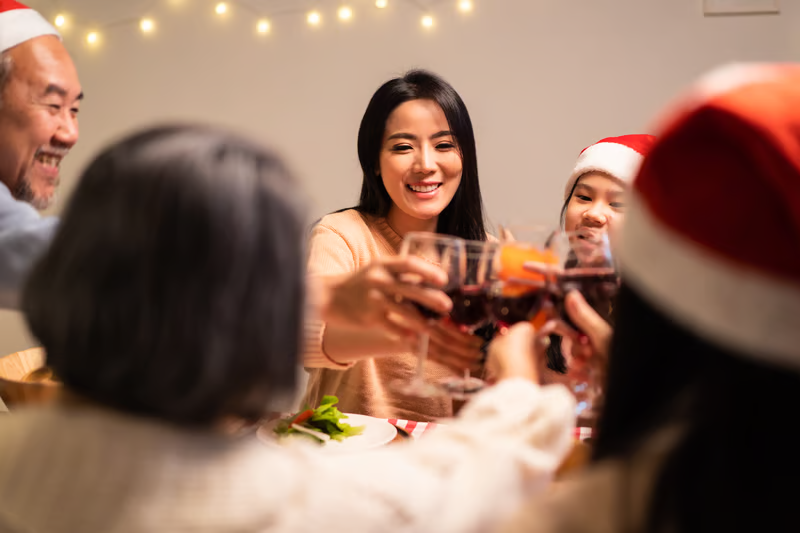
What a foreign brand needs to understand
Japan observes distinct gift-giving seasons — most notably year-end (oseibo) and mid-year (ochugen) gifting periods, alongside New Year’s and other occasions — where alcohol, particularly in attractive packaging or premium presentation, is a genuinely common and well-regarded gift category.
How it plays out in the import process
These seasonal windows create real demand spikes that a brand can plan around deliberately, provided the import process is timed to have product cleared, labeled, and in-channel well before the actual gifting season begins — arriving even a few weeks late can mean missing the window entirely for that year.
The practical takeaway
Identify which Japanese gifting season, if any, genuinely fits your product’s positioning and packaging, and build your entire import timeline backward from that season’s actual start, not from when you’d prefer to ship.
Lead times for seasonal launches
What a foreign brand needs to understand
A seasonal launch requires working backward from the target season through every stage covered throughout this series — label localization, the food import notification process, any inspection or testing time, and distribution lead time to get product actually on shelves or in e-commerce listings before the season begins, not during it.
How it plays out in the import process
Given how many variable-length stages this full process involves — testing selection being genuinely unpredictable, for instance — a seasonal launch needs more schedule buffer than a non-seasonal shipment where a modest delay simply means the product arrives a bit later with less commercial consequence.
The practical takeaway
Build in meaningfully more buffer for a seasonal shipment than you would for a standard one, since missing a specific calendar window has real commercial cost in a way that a flexible, non-seasonal launch date doesn’t carry to the same degree.
Customs timing around holidays
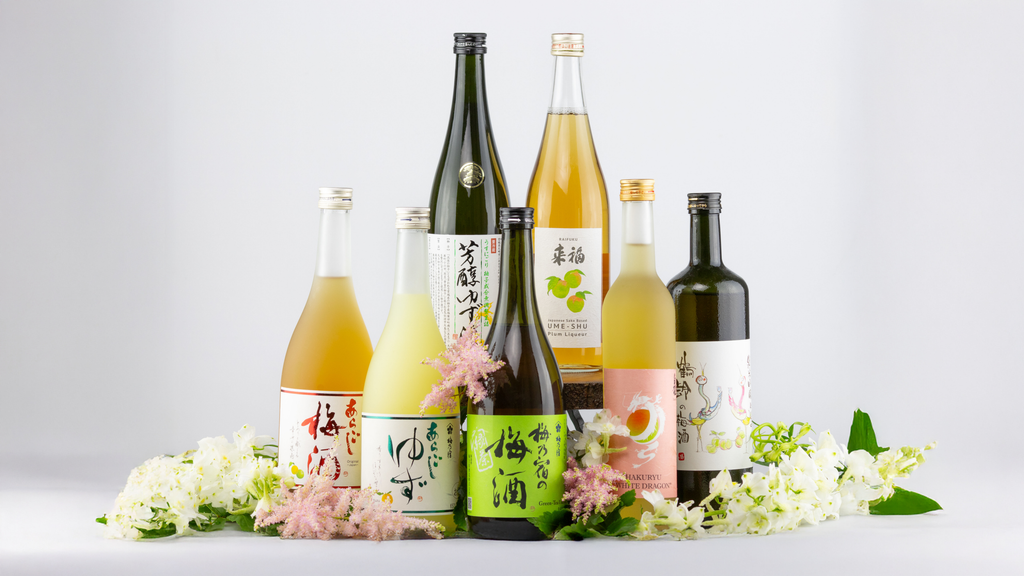
What a foreign brand needs to understand
Japanese holidays and year-end periods can affect customs, quarantine station, and tax office processing schedules and capacity, meaning a shipment timed to arrive right around a major Japanese holiday period may face different processing timelines than one arriving during a standard working period.
How it plays out in the import process
This is particularly relevant for a shipment timed for year-end gifting season specifically, since the shipment needs to clear and reach the market before the holiday period itself, but the holiday period’s effect on processing capacity could also affect a shipment arriving close to it — a genuinely important timing consideration to discuss directly with your importer of record.
The practical takeaway
Discuss holiday-period processing timing specifically with your importer of record when planning a seasonal shipment, rather than assuming standard processing timelines apply uniformly regardless of when during the year a shipment arrives.
Inventory and reorder planning
What a foreign brand needs to understand
A seasonal demand spike requires inventory planning that accounts for both the initial seasonal shipment and the realistic possibility of a reorder need if the season performs well — but a reorder shipment faces the same full import timeline as the original, meaning it generally can’t be used to extend supply deep into an already-underway season.
How it plays out in the import process
This means seasonal inventory planning benefits from a somewhat conservative initial shipment sizing judgment — sized to genuinely cover the expected season rather than planned around the assumption that a fast reorder can easily top up supply mid-season if demand exceeds initial expectations.
The practical takeaway
Size your initial seasonal shipment with the full import timeline in mind — a reorder, while possible, won’t move fast enough to meaningfully extend supply within an already-underway short seasonal window, so get the initial sizing judgment right rather than relying on reorder flexibility.
Marketing the seasonal angle
How this channel actually works in Japan
Japan’s gift-giving retail culture, particularly around year-end and mid-year gifting seasons, supports dedicated gift-oriented retail sections, department store gift displays, and e-commerce gift-category placement — channels specifically built around this seasonal gifting pattern rather than standard, year-round retail presentation.
Fit for a foreign brand’s product and price tier
A premium-positioned product with attractive packaging fits particularly well into this seasonal gift channel, since Japanese gift-giving culture tends to favor presentation and perceived value over the practical, everyday consumption positioning that might suit a different, non-seasonal marketing approach.
How JapanPint’s owned channels apply
Through JapanPint’s owned channels — CraftBeer.co.jp, OmoriMart.com, and Jasumo.com — alongside Amazon Japan, Rakuten, and Yahoo Shopping, a seasonal product can be positioned within gift-oriented storefront sections and timed promotional placement that matches Japan’s actual gifting calendar, rather than presented as a standard, undifferentiated year-round SKU.
A seasonal import timeline

What happens at each stage
A seasonal launch requires working backward from the target gifting season through distribution lead time, bond release and labeling, the food import notification and any inspection or testing time, label localization completion, and the initial product and shipping arrangement — each stage needing to complete with enough buffer before the next to still land before the season begins.
Who is responsible for what
The brand is responsible for communicating the target seasonal window clearly and early, and for meeting production and shipping timelines on its end; the importer of record is responsible for managing the Japan-side process efficiently and flagging realistically whether the full timeline actually supports the intended seasonal target.
Where delays or errors typically occur
The most common seasonal planning error is starting the process too close to the target season, underestimating how much buffer the full import timeline genuinely requires — a seasonal launch planned with standard, non-buffered timing is exactly the kind of plan that risks missing its actual commercial window.
Getting your seasonal timeline right starts with working backward from your target season through a real review of your specific product and process.
Tell us about your product and SKU range through our contact form, and we’ll review where your brand stands for Japan entry. If you prefer email, you can also reach us at su*****@*******nt.com.