Pricing Japanese Alcohol for Export Markets
 By
Many Japanese producers set export prices by adjusting their domestic prices. However, the final shelf price abroad often differs from their expectations.
A brewery or distillery that wants to price Japanese alcohol for export needs to build its price from the ground up. Start with production costs, then consider supply-chain margins, destination taxes, market positioning and currency risk.
This guide explains each step from an operator’s perspective. It helps producers protect their products’ value while maintaining a sustainable export margin.
Cost Build-Up for Alcohol Export
The Main Variables That Drive Export Costs
Start with your production costs. However, remember that these costs represent only the beginning of your export price.
Your cost sheet should include:
- Production cost per bottle
- Export-grade packaging
- Cartons and pallets
- Destination-specific labels
- Inland transport to the port
- Export handling and documentation
Shipping terms also affect your final price. Depending on the agreed Incoterms, you may need to include freight and insurance. Sensitive products may also require temperature protection.
[VERIFY: Confirm how the selected Incoterms allocate freight and insurance. Check the current Incoterms edition before publishing.]
Product complexity also affects your costs. Each SKU requires accurate label, ABV, ingredient and compliance information. In addition, destination-language labels may require new designs and printing.
A producer with many SKUs will usually face more preparation work than one exporting a single product.
Estimate Costs Without Making Unsupported Promises
We do not provide firm export quotations in this guide. One producer’s costs cannot reliably represent another producer’s costs.
However, export prices generally need to cover expenses that domestic sales do not include. Therefore, simply converting a Japanese domestic price into foreign currency can leave you with an insufficient margin.
Instead, prepare a cost sheet for every SKU.
List each confirmed expense from the brewery or distillery gate to the agreed delivery point. Then add the margin you need.
Mark every unconfirmed figure as an assumption. This approach helps you identify the costs that still require verification.
Why You Need a Label and SKU Review
Your export costs depend on the number of SKUs, bottle sizes and label versions.
Some labels may need only minor changes. Others may require substantial redesign or compliance work.
Therefore, review your actual labels and SKU list before estimating costs. A generic estimate for sake or whisky cannot accurately represent every product.
Understanding Margins Along the Export Chain
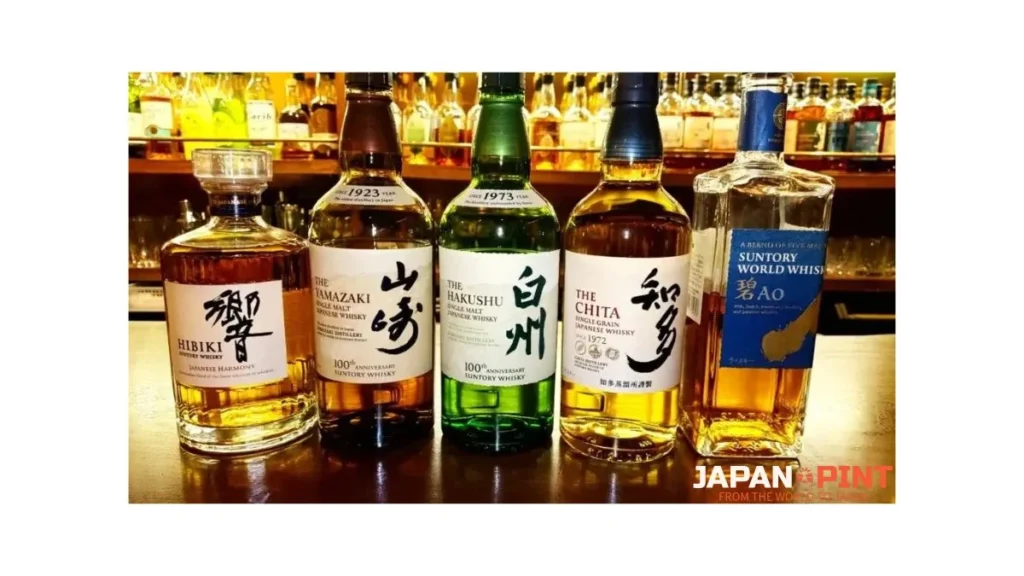
What Exporters Need to Know
Your export price is only one part of the final consumer price.
A typical distribution chain may include:
- The Japanese producer or exporter
- The overseas importer
- A distributor, where applicable
- The retailer, restaurant or bar
Each business expects to earn a margin. However, the margin structure varies by destination, product category and sales channel.
The final shelf or menu price must accommodate these costs.
[VERIFY: Research current imported-alcohol margin structures by destination and channel. Use reliable importer and trade sources before quoting percentages.]
Japan’s domestic drinking population is shrinking and aging. Domestic alcohol volumes also face pressure in several categories.
As a result, producers exporting small quantities may struggle to absorb thin margins. They need to understand the entire distribution chain before setting their own prices.
How Margins Affect the Destination Market
A product may look affordable at the brewery gate. However, the shelf price can rise significantly as each business adds its margin and costs.
Therefore, ask prospective importers what shelf or menu price they expect. Then work backward to determine the export price that fits their market.
Margins also influence how much attention an importer gives your product.
An importer with a healthy margin has a stronger incentive to promote your brand. In contrast, an importer earning very little may prioritise other products.
Consequently, squeezing every business in the chain to achieve a low shelf price can weaken your product’s sales support.
The Practical Takeaway
Ask each prospective importer about the expected shelf or menu price. Also, confirm the margin structure they use.
Then calculate how much remains for your business.
If the resulting export price is too low, consider a different market or product tier. A lower price is not always the best solution.
How Destination Duties and Taxes Affect Export Prices
The Main Variables That Drive Tax Costs
Import duties and excise taxes can significantly affect the final shelf price. However, their impact varies by destination.
Excise tax often depends on the product category and alcohol content. Import duty may depend on the destination country’s trade agreements with Japan.
Sales tax or value-added tax may also apply.
Some taxes use a customs value that includes freight and insurance. Therefore, your shipping arrangements can affect the final tax calculation.
[VERIFY: Confirm current duty, excise and VAT or sales-tax treatment for Japanese-origin sake, shochu, whisky and gin in each destination. Check preferential rates and the documents required to claim them.]
Product Classification Matters
A product’s classification can change its tax treatment.
For example, a category that Japanese authorities clearly define may receive a different classification overseas. This decision can affect both the product label and its tax rate.
[VERIFY: Check how each destination classifies sake, shochu and spirits made with unusual or flavoured bases.]
Build a Landed-Cost Model
We do not provide firm tax estimates because the figures depend on the destination and product.
However, heavily taxed products with low selling prices can be difficult to export profitably. Taxes may represent a large share of the final price.
Premium products may have more room to absorb these costs. Nevertheless, preferential tax treatment rarely applies automatically.
If an importer assumes a preferential rate without the correct paperwork, the business may face unexpected costs.
Therefore, ask your importer to confirm the applicable duty and excise in writing. Use those confirmed figures to build your landed-cost model.
Why a Label and SKU Review Matters
Tax treatment depends on the product’s exact category, ABV and customs classification.
A label and SKU review helps identify the information required for that assessment.
Without these details, a general statement about Japanese alcohol cannot accurately predict the cost of importing a specific bottle into a particular country.
Premium vs. Value Positioning for Japanese Alcohol
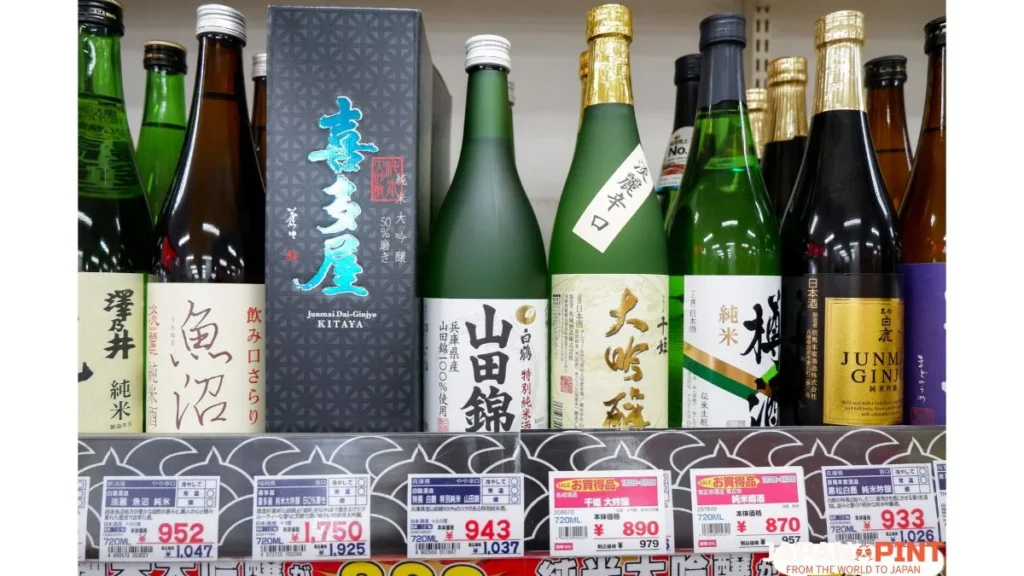
How Premium and Value Products Differ
Premium positioning presents a product as a quality-led choice. It relies on factors such as provenance, craftsmanship, scarcity and a credible brand story.
Value positioning focuses on affordability. It competes through price, volume and operational efficiency.
For many Japanese producers exporting modest quantities, premium positioning may offer a more realistic path.
Large international brands often benefit from economies of scale and established distribution networks. Smaller producers may struggle to compete with them on price alone.
Therefore, competing only on cost can put a small producer in a difficult position.
Cost, Speed and Control
Premium positioning usually takes longer to establish. It requires product education, strong relationships and careful placement.
However, it can protect margins and support long-term brand value.
Value positioning may help a product enter the market faster. It can also support higher volumes.
On the other hand, value products face stronger price competition. They leave less room for freight, duty and excise. They can also become difficult to reposition later.
Buyers abroad often respond to product quality and a compelling story. A price reduction cannot always replace those advantages.
Your production capacity also matters. A producer with limited stock and no export staff should avoid a strategy that demands high volume and constant sales support.
How to Choose the Right Position
Ask yourself three questions:
- Does the product have a clear point of difference that buyers can taste or verify?
- Can your production volume support a lower export price?
- Does the landed-cost model leave enough margin for your business?
If your product has a strong story and limited supply, consider premium positioning.
However, if it lacks a clear advantage and cannot compete efficiently on cost, reconsider whether exporting is the right use of your resources.
Exchange-Rate Considerations for Alcohol Export
The Main Variables That Drive Currency Risk
Currency affects export pricing in two important ways.
First, your quotation currency determines who carries the exchange-rate risk.
If you quote in Japanese yen, the overseas buyer carries the currency risk. If you quote in the buyer’s currency, your business carries it.
Second, exchange-rate movements can change how affordable your product looks abroad. Your yen price may remain unchanged while the destination currency strengthens or weakens.
[VERIFY: Review current exchange-rate conditions and available hedging or forward-contract options with your bank.]
Payment terms also affect your exposure. The longer the period between quotation and payment, the more the exchange rate can change.
Protect Your Margin Against Currency Changes
We do not forecast exchange rates or provide firm currency quotations.
Instead, decide how much exchange-rate movement your margin can absorb. Then structure your quotation to manage that risk.
You could use:
- A short quotation validity period
- A currency-adjustment clause
- An agreed exchange-rate movement limit
- A quotation currency your business can comfortably hold
A weak yen can make Japanese products more affordable abroad. However, avoid passing the entire currency advantage to the buyer through a lower price.
A currency-driven price reduction can become difficult to reverse when the exchange rate changes.
Why Your SKU Mix Matters
Currency exposure depends on order size, product mix and payment terms.
Therefore, the effect on your margin varies from one shipment to another.
Review your actual SKU list and expected order quantities. Then model the currency exposure for your products instead of relying on an average estimate.
How to Set Your Japanese Alcohol Export Price
Bring All the Variables Together
Your final export price should reflect:
- Production and export preparation costs
- The margin your business needs
- The expected destination shelf price
- Import duty and excise
- Shipping terms and insurance
- Quotation currency
- Premium or value positioning
No single factor determines the final price. Instead, each variable affects the others.
A Practical Export Pricing Process
Follow these steps to prepare a realistic quotation.
- Choose one destination and one hero product. Start with a product that can support your intended market position.
- Confirm the Japanese export requirements. Check the relevant liquor tax treatment and identify who will handle the export.
- Confirm destination requirements. Ask your importer to verify product classification, label rules, duty and excise in writing.
- Build your landed-cost model. Use confirmed figures and compare the result with your target shelf price.
- Choose the right importer. Consider category knowledge, distribution strength and the attention they can give your product.
- Agree on pricing principles. Put the quotation currency, payment terms and price-adjustment conditions in writing.
- Send samples through a compliant channel. Remember that alcohol samples still require appropriate shipping and import procedures.
- Start with a modest order. Use the first shipment to test demand and refine your pricing.
[VERIFY: Confirm current export exemption and licensing requirements administered by the National Tax Agency of Japan. Also verify sample-shipment rules for each destination.]
Build a Sustainable Price, Not Just a Competitive Quote
Costs and timelines vary widely by destination, product classification, shipping method and business partner.
We do not provide firm figures for these items. However, a price based on confirmed costs and a realistic shelf price is more reliable than one based on guesswork.
Protect your margin with a written agreement. Also, offer support instead of relying on discounts.
Product training, tasting materials and a clear brand story can strengthen your position. By contrast, frequent price cuts may teach buyers to wait for the next discount.
Why a Label and SKU Review Helps
Every export calculation depends on specific products, labels and destinations.
From an importer’s perspective, a well-prepared producer provides consistent SKU information. The producer also supplies accurate ABV and ingredient data and labels that are ready for review.
JapanPint’s owned channels include CraftBeer.co.jp, OmoriMart.com and Jasumo.com. These platforms operate within Japan, alongside marketplaces such as Amazon Japan, Rakuten and Yahoo Shopping.
However, these channels do not form an overseas distribution network. We do not claim to operate one or maintain a network of overseas importers.
Instead, we can review your product information and help you understand what prospective importers may expect.
Tell us about your range and target markets through our contact form.
We will review your labels and SKUs against the information your target importers may need.
You can also email us at su*****@*******nt.com.