From First Order to Repeat Business: Retaining Overseas Alcohol Buyers
 By
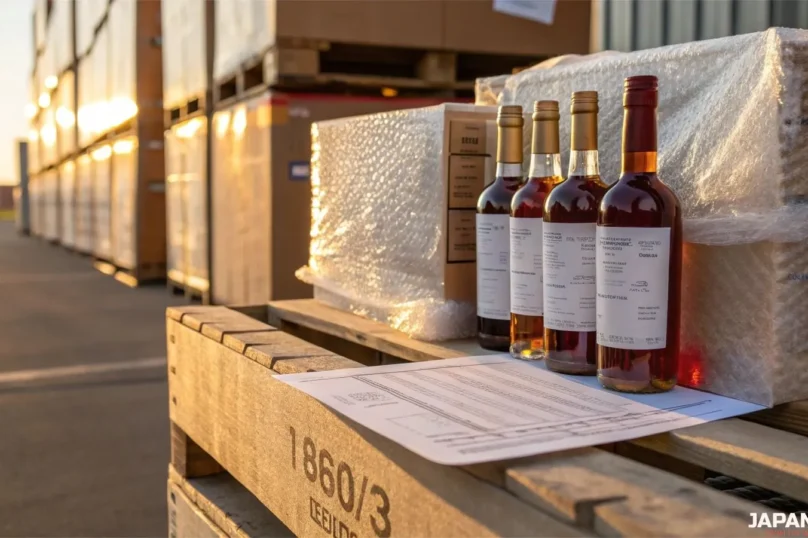
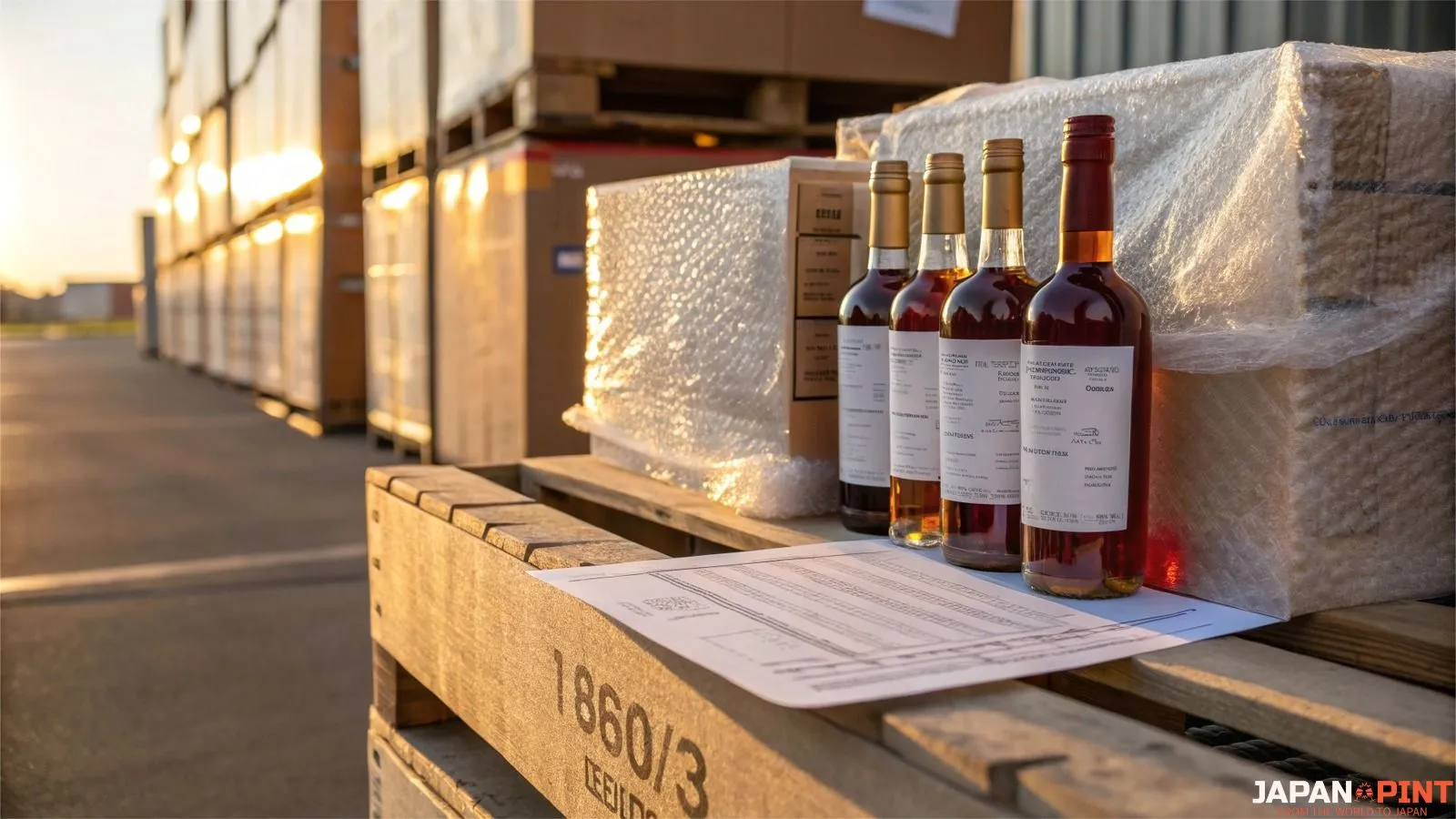
Winning a first order from an overseas importer feels like a finish line. However, for many Japanese producers, the real work begins after that shipment. Brands that succeed abroad build relationships with importers who reorder.
Producers who want to retain alcohol buyers overseas must treat each relationship as an ongoing business operation. This guide explains how to support importers, plan joint promotions, use sales data and match orders to real demand.
Why Retention Beats Acquisition
The Direct Answer
Finding a new importer takes time and money. Producers must research potential partners, send samples, check labels, negotiate terms and prepare the first shipment. That initial order also teaches both sides valuable lessons.
An importer who already understands your product and has built a customer base is worth protecting. Repeat orders also improve production planning. They help your brand remain visible in shops, restaurants and bars.
What Retention Depends On
Retention starts with sell-through. An importer who holds unsold stock will hesitate to reorder. Likewise, a producer who pushes too much volume into the first shipment can damage the relationship before the second order.
Support also matters. Japan’s drinking population is shrinking and aging. Domestic alcohol demand faces pressure, so many producers need reliable overseas business. A stable importer relationship offers more value than a series of short-lived partnerships.
A Practical Example
Imagine a small sake brewery that ships one premium bottling to a specialist importer.
Instead of waiting for a reorder, the brewery sends tasting notes for the sales team. It also shares a short product guide for sommeliers. After the first month, the brewery asks which bottles sold and what customers said.
The importer then places a second order. The brewery increases the volume, but only to match demand. The relationship now has a clear rhythm.
The brewery did not need a complicated strategy. It simply stayed useful.
Joint Promotion Activities
What Exporters Need to Understand
Importers have limited budgets and attention. They divide both across every brand in their portfolio. Producers who provide practical support often earn more attention.
Joint promotion means choosing activities that suit the product and destination market. These may include:
- Staff training sessions
- Restaurant menu collaborations
- Tastings at specialist retailers
- Features in trade newsletters
- Participation in local trade events
The key word is joint. Both sides should agree on the activities. A producer who imposes a plan without consulting the importer risks wasting money and damaging trust.
How Promotions Work in the Destination Market
Local regulations determine which activities producers can run. Many countries regulate alcohol advertising, tastings and promotional campaigns. Some also restrict discounts, giveaways and product displays.
Compliance check: Verify alcohol advertising, tasting and promotion rules in each destination. Check trade incentives, age restrictions and age-gating requirements before launching a campaign.
The importer’s team understands its customers. A bartender event may work well in one city but deliver little value in another. Ask the importer what its customers respond to. Then offer support that fits its plan.
Samples and event bottles also require care. Do not send alcohol informally without checking the rules.
Compliance check: Confirm the requirements for sample shipments and event stock in each destination. Check whether a licensed importer must handle the shipment.
The Practical Takeaway
Agree on two or three promotional activities each year. Record the activities, responsibilities and budget in writing.
Offer product materials, staff training and your time before offering discounts. Premium quality and an honest product story can build stronger loyalty than repeated price cuts.
Discount-led promotions may also teach customers to wait for the next sale.
Brewmaster Visits and Online Tastings
What Exporters Need to Understand
The people behind a craft product can become a valuable sales asset. A visit from a brewmaster, distiller or blender gives importers and customers a direct connection to the product.
A well-run online tasting can create the same connection. Both formats help turn a bottle into a story that sales teams can share.
Visits require time and money. Plan them around a clear commercial goal, such as a product launch, seasonal release, staff training session or trade event.
Online tastings cost less and offer more flexibility. Producers can repeat them throughout the year to maintain contact with importers.
How to Prepare for the Destination Market
Preparation determines the success of a visit or tasting.
The importer needs the dates, audience, language arrangements and event plan in advance. A brewmaster who arrives without interpretation or a clear brief can waste the importer’s time.
For an online tasting, participants need their samples before the event. Producers must arrange the shipment through the appropriate channels.
Compliance check: Verify the rules for sending alcohol samples to online tasting participants. Check age verification, shipping and importer requirements in each destination.
Keep every presentation accurate. Claims about rice, polishing rates, ingredients, age, origin and production methods must match your product documentation.
Importers rely on these details when they explain the product to customers.
The Practical Takeaway
Plan one visit or online tasting each year for every important market. Connect it to a specific commercial goal.
Prepare a short presentation in the local language. Brief the importer’s team before the event. Afterward, send a written summary and any materials that participants requested.
Tracking and Acting on Sales Data
What Exporters Need to Understand
Many producers know exactly what they shipped but have little information about what happened afterward.
That gap makes importer retention difficult. Producers cannot adjust their strategy without understanding sales performance.
Useful information includes:
- Which products sold
- Which channels generated sales
- How quickly stock moved
- What types of customers bought the product
- Typical shelf or menu prices
- Customer feedback
Importers vary in how much information they share. Some provide regular reports. Others only communicate when problems arise.
Ask for data early. Keep the request simple and offer useful information in return, such as sales insights from other markets.
How to Use Sales Data
Agree on data-sharing arrangements in writing. Competition and data-protection rules may affect the information businesses can exchange in some jurisdictions.
Compliance check: Ask local legal advisers about any restrictions on sharing sales, pricing or customer information with importers.
Look for patterns rather than isolated figures.
A product that sells steadily in restaurants but slowly in retail may suit the importer’s restaurant network. A bottling that sells out quickly may indicate that the importer ordered too little.
Slow sales can point to several problems. The product story may need improvement. The price may not fit the market. The importer may also need a different sales channel.
The Practical Takeaway
Ask each importer for a simple quarterly sales summary. Include units sold, channels, price points and customer feedback.
Keep the reports in one place. Compare them with your shipments and use the results to decide what to support, change or discontinue.
Do not respond to weak sales with immediate discounts. First, find out why the product is not moving.
Adjusting Orders to Demand
What Exporters Need to Understand
Matching orders to demand protects both the producer and the importer.
Too little stock can cost the importer sales and customer goodwill. Too much stock can lead to discounting or long storage periods.
For sensitive products such as sake, poor storage conditions can also affect quality. Producers should understand the storage needs of each product before setting shipment plans.
Product check: Confirm suitable storage and transport conditions. Establish realistic shelf-life guidance for each product style.
Reorder timing matters to producers too. Breweries and distilleries plan production well ahead. A predictable order pattern makes production easier to manage.
Limited and aged products create additional challenges. Producers must allocate finite stock carefully and communicate availability clearly.
How to Plan Orders in the Destination Market
Agree on a forecast with each importer. Review it regularly and treat it as a shared planning tool, not a fixed commitment.
Size shipments according to expected sell-through. Add a modest buffer when the market justifies it.
Freight, duties and excise costs can make very small, frequent orders uneconomical.
Shipping check: Review minimum shipment sizes, consolidation options and duty timing in each destination. These factors can affect the most economical order frequency.
Check the paperwork before every reorder. If the label, formulation, alcohol content or packaging has changed, tell the importer before shipping.
The destination market may require updated filings or label approvals. Each new SKU also needs its own documentation and compliance record.
The Practical Takeaway
Review demand before every reorder. Match shipment size to actual sales and keep a written forecast.
Tell the importer about product or label changes well before shipping. Plan scarce-stock allocation carefully and communicate any limits early.
A Practical Importer Retention Playbook
What Exporters Need to Understand
A successful retention plan follows a regular schedule. It should not depend on someone remembering to make contact.
Use this simple playbook:
- Contact the importer 30 days after the first shipment. Follow up again at 90 days.
- Ask what sold, who bought it and what customers said.
- Agree on two or three joint promotional activities for the year.
- Schedule one visit or online tasting for each key market.
- Request a short quarterly sales report.
- Review demand together before every reorder.
- Maintain a current compliance file for each SKU.
- Keep approved labels, product specifications and importer filings ready.
How It Works in the Destination Market
Importers notice reliability.
A producer who answers questions promptly, delivers as agreed and communicates changes in advance becomes a priority brand. A producer who disappears between shipments becomes just another name on a list.
Timelines and costs vary by destination, product and importer. We do not quote firm figures without reviewing the labels and SKU count.
Japanese export procedures also remain part of every reorder. Producers must understand the applicable liquor tax treatment and identify the party responsible for handling the export.
Compliance check: Verify current export exemptions, licensing requirements and procedures with Japan’s National Tax Agency (NTA).
JapanPint’s owned channels include CraftBeer.co.jp, OmoriMart.com and Jasumo.com. Amazon Japan, Rakuten and Yahoo Shopping also serve the domestic market.
These channels operate inside Japan. They do not form an overseas distribution network, and we do not claim otherwise. We also do not claim to maintain a network of overseas importers.
Instead, we bring practical knowledge from the import side to outbound projects. We understand what licensed importers need before they reorder. We also know how they review labels, check notifications and assess documentation.
The Practical Takeaway
Treat every importer as a long-term partner. Lead with quality and an honest product story rather than a low price.
Keep your documentation as current as your relationships. Consistency matters on the tenth shipment just as much as it does on the first.
How JapanPint Can Help

From the importer’s perspective, a well-prepared producer provides consistent SKU information, accurate alcohol content and ingredient data, and labels ready for review.
These details help importers assess products and prepare for smooth reorders. However, the exact requirements depend on your product range and destination markets.
Tell us about your products and target markets through our contact form. We can review your labels and SKUs against the information importers typically expect.
You can also contact us at su*****@*******nt.com.
Final Thoughts
Retaining overseas alcohol buyers requires more than a successful first shipment. Producers must support their importers, understand sales performance and plan orders around real demand.
Regular communication builds trust. Joint promotion creates visibility. Accurate documentation helps prevent delays.
The strongest exporter-importer relationships grow through consistent work. Make every shipment easier than the last, and give your importer a clear reason to order again.