Pricing Strategy and Premiumization for Japanese Alcohol Exports
 By
Japanese producers often assume that the best way to enter a new market is to price below the competition. However, this approach can damage a premium brand before it gains recognition.
A brewery or distillery planning a premium sake export strategy must answer three questions. What is the product worth abroad? How should the portfolio be tiered? And how can the producer protect its position when buyers request discounts?
This guide explores these questions from an operator’s perspective. It explains how to price for perceived value, structure a portfolio and defend premium positioning in overseas markets.
The premiumization trend
What exporters need to understand
Japan’s drinking population is shrinking and aging. Domestic alcohol consumption has also faced long-term pressure. However, value can remain resilient when consumers drink less but choose higher-quality products.
This shift is known as premiumization. It offers an important lesson for Japanese exporters.
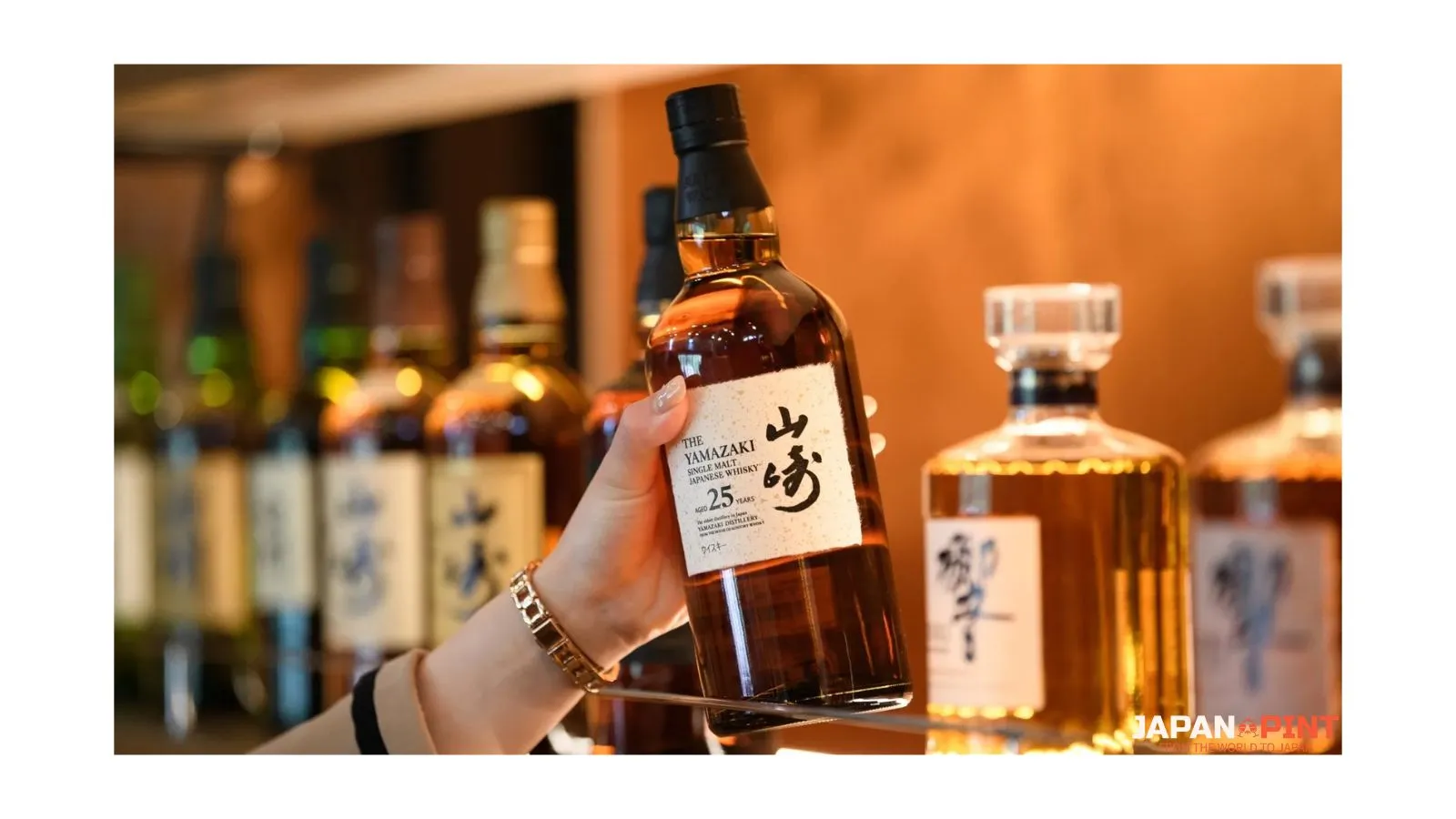
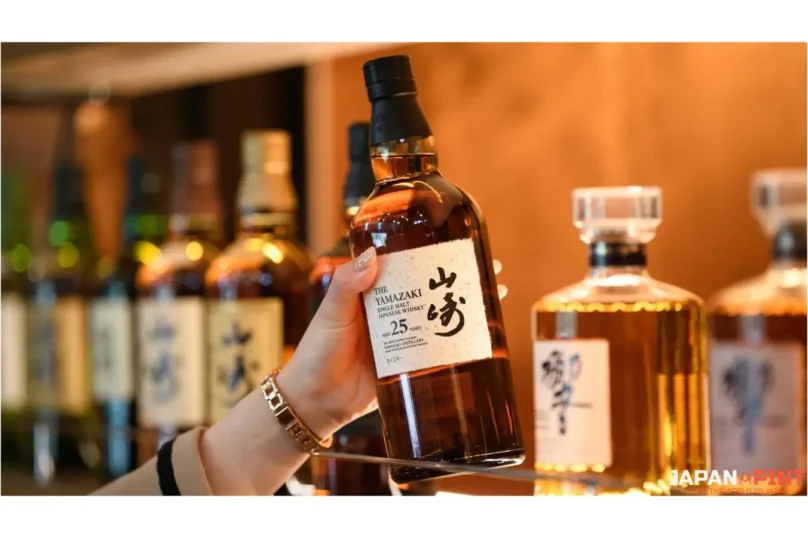
Sake, whisky, gin and other spirits can benefit from the same approach. Instead of competing on volume alone, producers can focus on quality, provenance and craftsmanship.
The same principle applies overseas. Buyers who seek Japanese drinks often want something distinctive rather than something cheap.
[VERIFY: Add current premium sake and Japanese spirits export-value trends using published trade statistics before quoting figures.]
How premiumization works in overseas markets
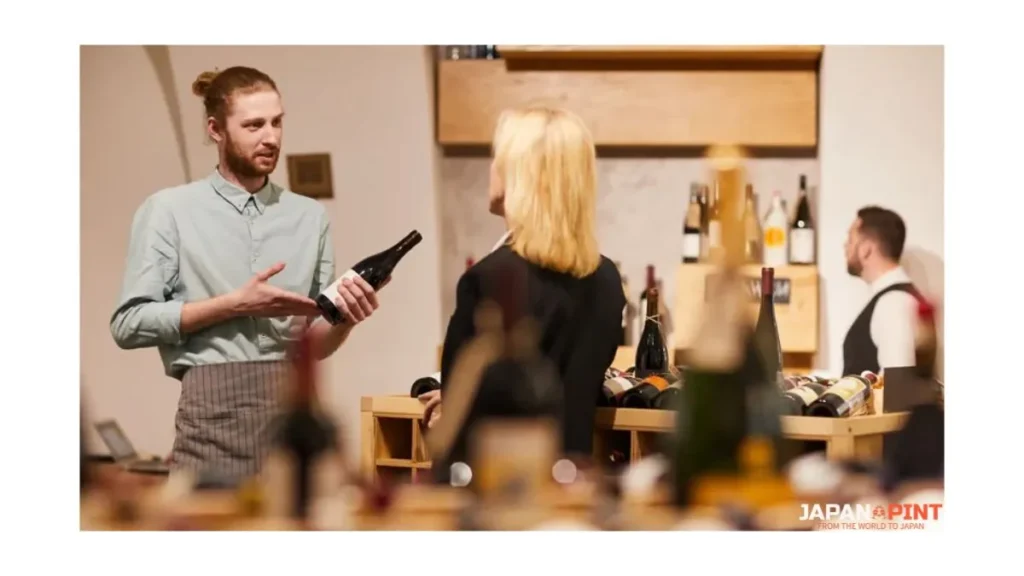
Buyers often use price as a quality signal.
A Japanese product priced far below comparable imports may raise questions about its quality. By contrast, a price supported by a convincing brand story can attract curiosity.
Importers also organise their portfolios by price tier. They need to understand where your product fits and why it deserves that position.
Competition is increasing at the premium end as more Japanese producers export. Therefore, every premium price needs a clear reason that a bartender or retailer can explain in one sentence.
The practical takeaway
Choose your market position before sending a quotation.
A small craft producer rarely competes with large international brands on cost. Instead, a durable position depends on quality, differentiation and an honest story.
Pricing for perceived value
The variables that shape the price
The overseas shelf price includes several cost layers:
- Producer price and packaging.
- Export handling and documentation.
- Freight and any temperature protection.
- Destination duties, taxes and excise.
- Importer and distributor margins.
- Retailer or hospitality margins.
Perceived value also influences the final price. It depends on the brand story, scarcity, packaging quality and the reputation of the retailers that stock the product.
Awards can support the story, but producers should only use awards they can verify.
Destination taxes and product classification
Destination tax treatment can vary significantly by product category and alcohol content.
Classification can also move a product into a different price tier. For example, sake, shochu, whisky and gin may receive different tax treatment in a particular market.
[VERIFY: Confirm how each destination classifies and taxes sake, shochu, whisky and gin. Check any applicable preferential treatment for Japanese-origin alcohol.]
A realistic pricing range
We do not quote firm prices without reviewing the product. A reliable pricing method works backward from the target shelf or menu price.
First, identify the price your target buyer will accept. Then subtract confirmed costs and margins. The remaining amount shows what the producer can receive.
If that amount is too low, the product may belong in another market or price tier. Lowering the producer price should not be the automatic response.
Pricing far above better-known comparable bottles can create resistance. Meanwhile, pricing far below them can weaken the premium story.
The workable range is usually the point where buyers see your product as a considered alternative to its closest competitors.
Why a label and SKU review matters
Pricing also depends on the structure of your product range.
Each bottle size, release and batch may require its own SKU information, label, ABV and documentation. Label changes can also create design and printing costs.
Therefore, a realistic pricing model starts with your actual labels and SKU list. A generic estimate cannot account for every product-specific requirement.
Tiering a portfolio
What exporters need to understand
A strong product range gives every SKU a clear role.
A common portfolio structure includes three tiers:
- Core expression: An accessible product that bartenders and retailers can reorder regularly.
- Premium expression: A product that communicates the brand’s craftsmanship and quality.
- Limited release: A special product that attracts attention and rewards loyal partners.
The products should differ in ways buyers can see or taste. A higher price alone does not create a meaningful tier.
Each SKU also adds administrative work. Exporters must maintain accurate label, ABV, ingredient and compliance information.
Consequently, a narrow range launched well can outperform a broad range launched without sufficient preparation.
How portfolio choices affect the market
Importers rarely take an entire product range during the first order. Instead, they select one or two products to test.
That first choice can shape how buyers perceive the brand.
If the importer lists your cheapest product first, customers may begin to associate the entire brand with that price. Moving the brand upmarket later can then become difficult.
For this reason, lead with the product that best represents your quality and can support a realistic delivered price.
Once the market understands the brand, you can introduce more accessible and limited products.
The practical takeaway
Choose one hero product for your first shipment.
Keep cheaper and rarer products in reserve until your importer understands the brand. Also, describe the role of each tier in writing so your partner can present the range consistently.
Defending premium positioning
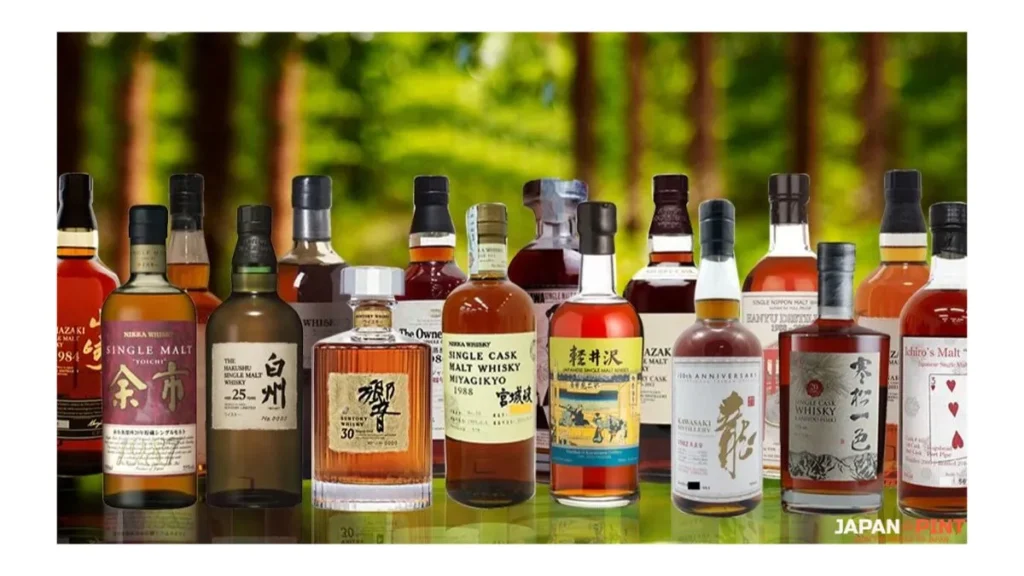
How overseas distribution works
Premium positioning depends on the distribution channels you choose.
In many markets, producers need a licensed importer. The distribution chain may then continue through wholesalers, retailers and hospitality venues.
The structure differs by destination. For example, the United States has state-specific alcohol distribution rules.
[VERIFY: Confirm the current distribution structure and excise arrangements in each target market. Check EU requirements and US state-level rules where relevant.]
Protecting the price through distribution
Every distribution layer can affect the final price.
Distributors may discount products to move stock. Retailers may use a bottle in a promotion. Online sellers may undercut one another.
If producers ignore these risks, they can lose control of the consumer-facing price.
Matching channels to the product
A limited or high-value product may suit specialist retailers, fine-dining venues and collector channels. These outlets can explain the product and may rely less on discounting.
A repeatable core product may suit bars and broader specialist retail. These channels often value consistency and regular reorders.
Choose partners based on their category knowledge and attention to your product, not their size alone.
Discuss pricing expectations openly before the first order.
[VERIFY: Confirm whether recommended or minimum resale-price arrangements are lawful in each destination. Seek local legal advice before establishing a pricing policy.]
JapanPint’s operator perspective
JapanPint’s owned channels include CraftBeer.co.jp, OmoriMart.com and Jasumo.com. These channels, along with Amazon Japan, Rakuten and Yahoo Shopping, operate inside Japan.
They do not form an overseas distribution network, and we do not claim otherwise. We also do not claim to maintain a network of overseas importers.
However, our import-side experience provides useful insight for outbound projects.
We understand how licensed importers assess landed costs, labels and documentation. We also know where a producer’s pricing assumptions can break down.
We apply that operator knowledge in reverse to help Japanese producers prepare for overseas buyers.
Avoiding the discount trap
What goes wrong
The discount trap often begins with a seemingly reasonable request.
A new importer asks for a lower price to secure its first placements. The producer agrees because it wants the initial order.
However, that discounted price can become the reference point for every later negotiation.
Within a year, buyers may see the brand as a value product, even if the producer intended to position it as premium.
The risk of excessive volume
The discount trap can also involve large orders.
A producer may offer a deep discount to secure a large first shipment. However, the importer may not have enough demand to sell the stock quickly.
The warehouse fills, and the importer may discount the product further to clear inventory.
This approach can damage both the brand’s price and its market reputation.
The real cost of getting it wrong
A premium position takes time to build but can disappear quickly.
Once a brand sells cheaply, rebuilding its price with the same buyers becomes difficult. The damage may also spread across markets when retailers and online sellers compare prices internationally.
Margins suffer as well. Freight, duty and excise do not necessarily fall when the selling price drops.
Protecting product quality
Storage conditions matter, especially for sensitive products such as sake.
Stock that remains unsold in a warm warehouse may deteriorate. A poor bottle can damage the brand more than a high price ever would.
[VERIFY: Confirm recommended storage and transport conditions for each product style with the producer and relevant technical guidance.]
How to prevent discounting before shipment
Agree on the pricing structure before accepting the first order.
Document the producer price, intended market position and acceptable commercial terms. Then start with a modest order that the importer can sell at the intended price.
Offer support instead of discounts. Staff training, tasting materials and a clear product story can help the importer sell at the right level.
If a market only accepts a discounted price, treat that as information about market fit. Do not automatically cut the price to secure the order.
A premiumization roadmap
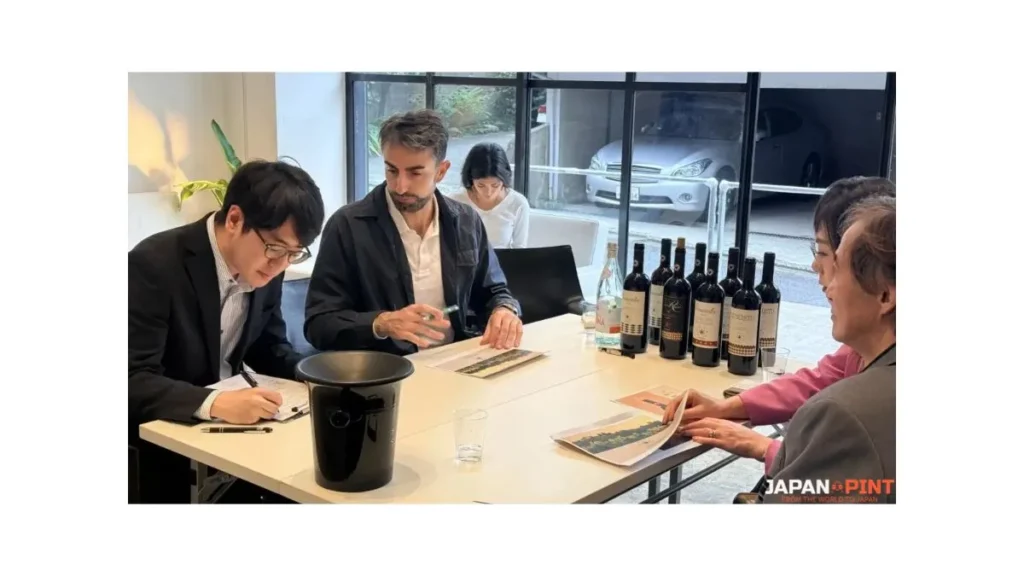
What exporters need to understand
A workable export roadmap follows a clear sequence. The order matters more than the speed.
- Choose one destination and one hero product that can support a premium price.
- Confirm the Japanese export procedures, including the liquor tax treatment of exported alcohol and the parties responsible for the shipment. [VERIFY: Current export exemption and licensing requirements with the NTA.]
- Confirm the destination’s product classification, labelling, duty and excise requirements with a prospective importer.
- Build a landed-cost model using confirmed figures. Compare it with your target shelf price.
- Select an importer based on category knowledge and attention to your product.
- Agree on pricing principles before the first order.
- Send samples through a compliant channel. Remember that alcohol samples are still alcohol shipments. [VERIFY: Sample-shipment requirements for each destination.]
- Start with a modest first order and review the results before expanding.
How the process works in the destination market
Timelines and costs vary by destination, classification, shipping method and business partner.
Duty and excise, label changes, freight and storage all affect the final calculation. We do not quote firm figures for these items without reviewing the producer’s labels and SKU count.
Preparation makes the difference between a smooth first shipment and a delayed one.
Confirm classification early. Prepare a label suitable for the destination. Build a landed-cost model that holds up under review, and choose an importer who understands the product.
The practical takeaway
Focus on one market at a time.
Protect your premium position from the first order. Let quality and a truthful story support the price.
When you plan a premium sake export strategy this way, price becomes evidence of the brand’s value rather than the only thing it competes on.
Because we work from the import side, we understand what a well-prepared producer looks like from an importer’s perspective.
That means consistent SKU information, accurate ABV and ingredient data, and labels ready for review.
Tell us about your range and the markets you’re considering through our contact form. We can review your labels and SKUs against the information your target importers will expect.
You can also email us at su*****@*******nt.com.