FOB, CIF and Incoterms for Japanese Alcohol Exporters
 By

Shipping terms may look like a line on an invoice. However, they determine who pays for transport, who carries the risk if a pallet gets damaged, and how much profit survives the journey. A producer who understands FOB and CIF alcohol export terms can quote confidently, avoid disputes, and protect premium products in transit.
This guide explains what Incoterms cover and how FOB and CIF work. It also explores temperature-sensitive shipments and shows how to choose the right term for each buyer.
What Incoterms decide
The direct answer up front
Incoterms are standard trade terms published by the International Chamber of Commerce (ICC). They define three key responsibilities between sellers and buyers:
- Who arranges and pays for transport and insurance.
- Where the risk of loss or damage transfers from seller to buyer.
- Who handles export and import customs clearance.
However, Incoterms do not determine ownership of the goods or payment deadlines. They also do not replace a proper sales contract. Producers should therefore confirm the applicable edition and exact rule before using an Incoterm in a contract.
What the answer depends on in practice
The right term depends on which party can manage each stage more effectively. For example, a producer with a trusted forwarder at a Japanese port may prefer to manage more of the shipment. By contrast, a buyer with established freight arrangements may want to take control at the departure port.
The transport method also matters. Some Incoterms apply only to sea and inland waterway transport. Others cover any mode of transport.
Japan’s domestic alcohol market faces a shrinking and aging population. Domestic consumption also remains flat or declines in several categories. As a result, more producers are exploring overseas sales. Many first-time exporters discover that a quotation is only as useful as the shipping term attached to it.
A concrete example for a foreign brand
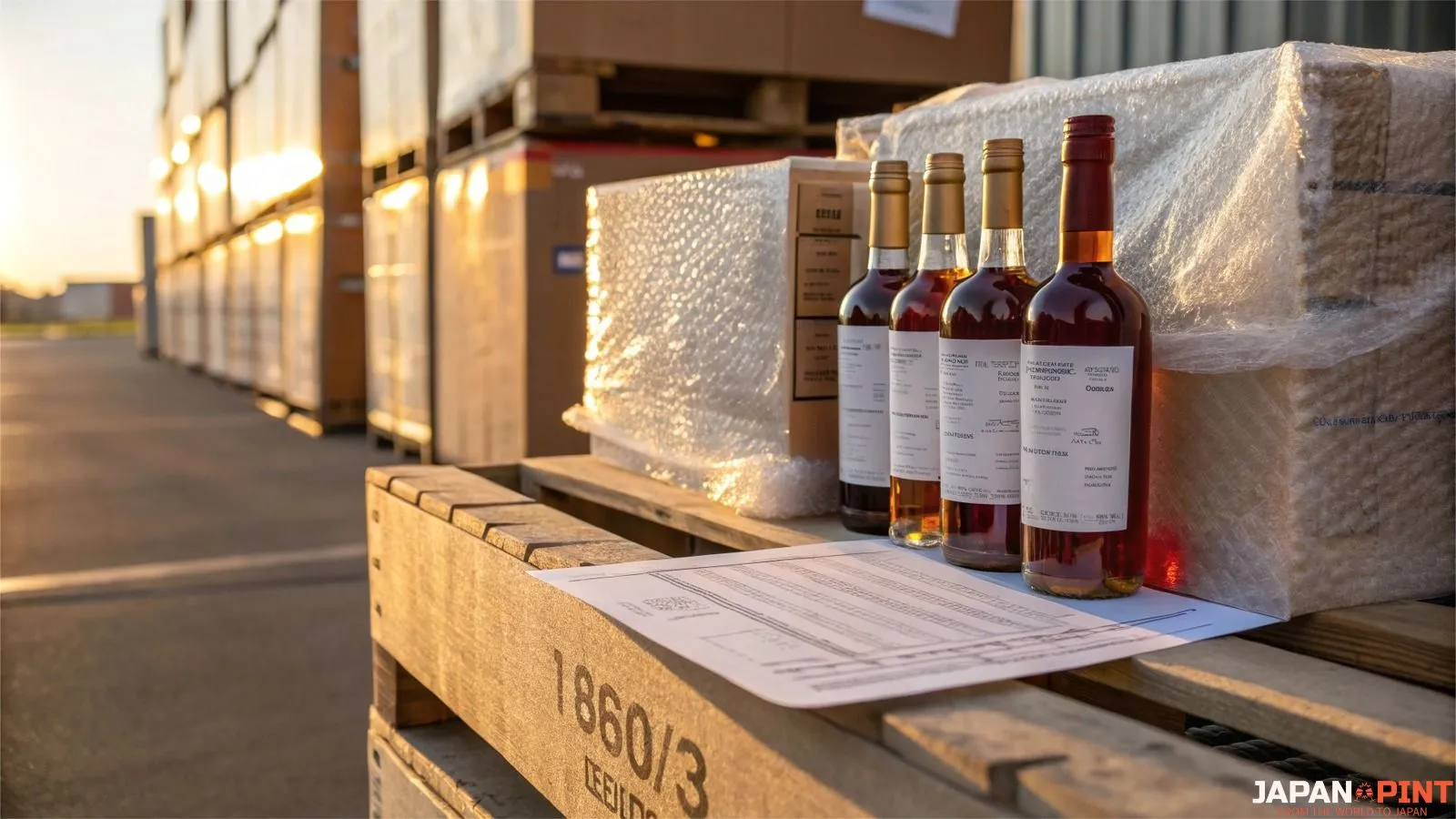
Imagine a small Japanese distillery quoting a European importer for a pallet of gin. The distillery offers two quotations at the same product price. One uses FOB, while the other uses CIF.
Under FOB, the importer arranges and pays for the main sea freight and insurance. The risk transfers once the goods are loaded onto the vessel. Under CIF, the distillery arranges and pays for freight and minimum insurance to the destination port. However, the risk still transfers to the importer when the goods go on board in Japan.
The two quotations may look similar. Yet they create very different costs and responsibilities for each party.
FOB explained
What an exporter needs to understand
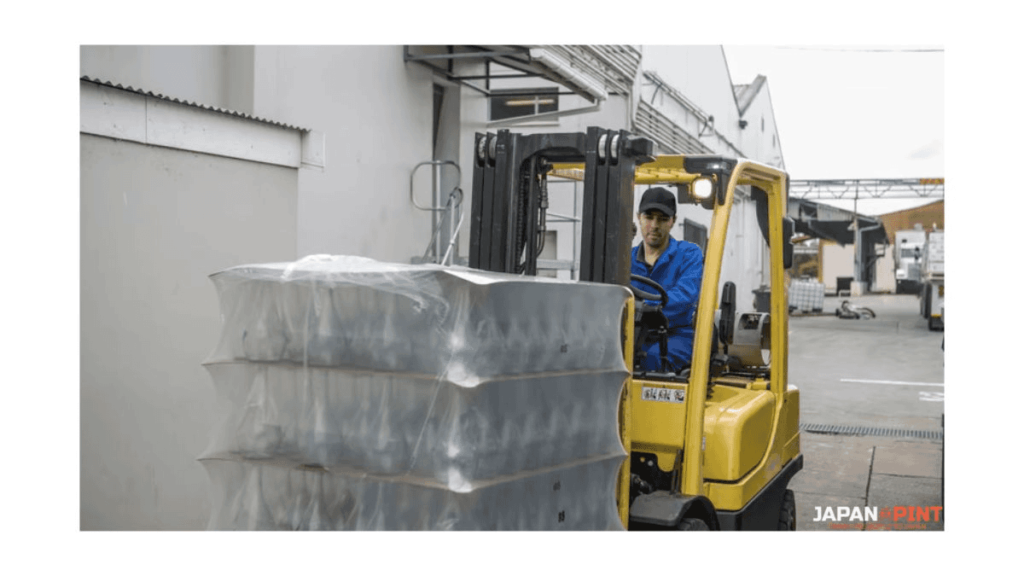
FOB means Free On Board. It applies to sea and inland waterway transport. Under this rule, the seller delivers the goods on board the vessel at the named port of shipment. The risk transfers to the buyer at that point.
The seller handles export clearance. Meanwhile, the buyer arranges and pays for the main carriage and insurance. The buyer also handles import clearance at the destination.
A typical quotation names the rule and the Japanese departure port. For example, it may state FOB Yokohama, Incoterms 2020.
For a Japanese producer, FOB can simplify the export process. It limits the seller’s transport responsibilities to the Japanese side of the shipment. Experienced importers may also prefer FOB because they can use their own forwarders and negotiate competitive freight rates.
However, exporters should check whether FOB suits the shipment. For containerized cargo, many shipping professionals recommend FCA when the seller hands the goods to a carrier at a terminal before vessel loading. Confirm the appropriate rule with your freight forwarder.
How it plays out in the destination market
Under FOB, the importer controls the main freight arrangements. This also gives the importer greater influence over shipping schedules and handling.
That approach suits buyers who ship regularly and have established freight rates. However, it may concern producers who want greater control over delicate products after they leave the port. Your contractual responsibility may end at vessel loading, but your brand reputation continues beyond that point.
Japanese export requirements still matter. Alcohol exports involve liquor tax and customs procedures. Producers must confirm the applicable export rules and licensing requirements with the relevant Japanese authorities. They should also establish which party handles each document when the buyer’s forwarder collects the goods.
At the destination, the licensed importer generally manages import procedures. However, producers should still help confirm product classification, labels, and required product information. These details can affect whether the shipment clears customs smoothly.
The practical takeaway
Offer FOB when the buyer has reliable freight arrangements and you trust its handling process. Name the departure port clearly. Also, confirm who prepares export documents and how the parties will manage collection, packing, and loading.
Most importantly, put these responsibilities in writing. Never assume that a short term on an invoice covers every shipping detail.
CIF explained
What an exporter needs to understand
CIF means Cost, Insurance and Freight. Like FOB, it applies to sea and inland waterway transport.
Under CIF, the seller arranges and pays for carriage to the named destination port. The seller must also provide the required minimum insurance cover. However, the risk transfers to the buyer once the goods go on board at the Japanese departure port.
This difference between cost and risk often causes confusion. The seller pays for the voyage, but the buyer carries the risk during the sea journey.
The insurance required under CIF provides only a minimum level of protection. It may not cover everything a buyer or premium producer needs. Therefore, both parties should check the policy and consider extra cover for breakage, leakage, or temperature damage.
How it plays out in the destination market
CIF can attract buyers who want a delivered-to-port price without managing freight themselves. This arrangement may suit small importers with limited shipping experience.
It also gives the seller more control over the carrier and booking. As a result, the producer can make its quotation easier to compare with competing port-based offers.
However, that control comes with costs. The seller faces freight-rate changes between the quotation and booking. The seller must also manage the carrier relationship. Unless the contract allows adjustments, higher shipping costs can reduce the seller’s margin.
Clear insurance records are equally important. A buyer who needs to make a claim will rely on the policy and supporting documents. Meanwhile, the buyer remains responsible for destination import clearance, duties, and excise under CIF.
The practical takeaway
Offer CIF when the buyer wants a simple port-based quotation and you have a reliable freight forwarder. Make sure you can calculate freight and insurance accurately.
Set a quotation validity period that accounts for possible rate changes. Also, agree on who pays for additional insurance. Finally, avoid describing CIF as “delivered to the buyer.” The buyer assumes risk before the goods reach the destination port.
Cold-chain and Incoterm interaction
What an exporter needs to understand
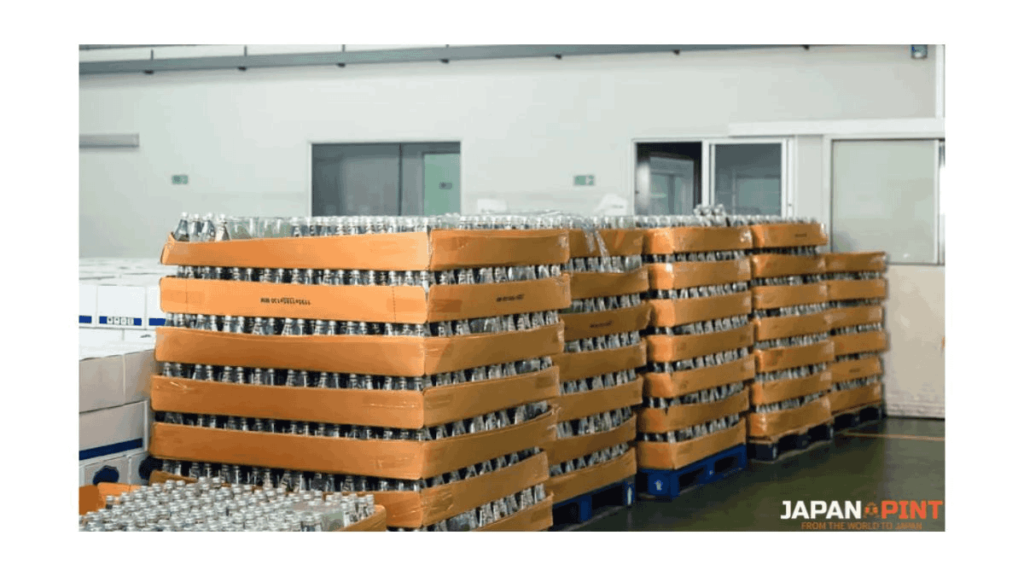
Many alcoholic products can tolerate ordinary shipping conditions. However, some products need extra care. Unpasteurized sake, delicate aromatic styles, and certain lower-alcohol or flavored products may suffer from heat and light exposure.
A pallet left on a warm quay can deteriorate. The same risk applies to cargo stored in a hot container during summer. Producers should therefore check the storage and transport requirements of each product before arranging an overseas shipment.
Incoterms do not automatically require temperature control. They define transport responsibilities and risk transfer. They do not specify the temperature conditions that a carrier must maintain.
If a product needs a refrigerated container, the sales contract must state that requirement. It should also identify the party responsible for arranging and paying for temperature-controlled transport.
How it plays out in the destination market
The risk-transfer point becomes especially important for sensitive products. Under both FOB and CIF, risk transfers to the buyer once the goods are loaded onto the vessel. However, poor temperature control during the voyage may only become visible when the shipment arrives.
If the buyer receives damaged or spoiled stock, both parties may question the cause. Was the problem poor packing, incorrect loading, or unsuitable transport conditions? Without clear contractual requirements, this situation can quickly become a dispute.
Some producers prefer to arrange the booking themselves. CIF may support that approach because the seller selects the carrier and arranges the main transport. However, CIF alone does not guarantee proper temperature control.
A buyer who prefers FOB and uses its own forwarder should receive the product’s handling requirements in writing. The producer should also keep records of packing and the goods’ condition at handover.
Insurance matters too. Standard cover may not respond to every temperature-related loss. Both parties should check the policy and arrange additional protection where necessary.
The practical takeaway
For sensitive products, state the required temperature and handling conditions in the contract. Identify who arranges and pays for temperature-controlled transport. Then confirm that the insurance covers the risks involved.
Choose the shipping term to suit the product. Do not force the product to fit a preferred shipping term.
Choosing terms by buyer
What an exporter needs to understand
There is no single best Incoterm for every alcohol export. The right choice depends on the buyer’s experience, shipment size, and preferences. It also depends on how much control the producer wants to retain.
An experienced importer with competitive freight rates may prefer FOB. A newer importer or a buyer purchasing smaller volumes may prefer a seller-arranged shipping option. Larger buyers may also specify their preferred terms in their purchase agreements.
Producers must consider their own capabilities as well. A small distillery without freight experience may struggle to quote CIF accurately. FOB may limit its responsibilities and leave the main carriage arrangements to the buyer.
How it plays out in the destination market
Ask prospective importers how they normally ship before preparing a quotation. Some buyers already have fixed arrangements with freight forwarders. They may resist a quotation that uses a different approach.
Other buyers expect a price that includes freight to the destination port. They may find an FOB quotation difficult to compare with competing offers.
Be cautious with terms that require the seller to deliver goods beyond the port or pay import duties abroad. Such arrangements can create significant obligations. They may also require the seller to understand customs clearance and tax rules in another country.
Alcohol exports need particular attention because many markets require a licensed importer. A producer should not accept responsibility for foreign import clearance without checking whether it can legally and practically meet that obligation.
The practical takeaway
Choose a small set of terms that your business can manage. FOB may suit experienced buyers, while CIF may suit buyers who want the seller to arrange the main freight.
Ask for the buyer’s preference early. Include the Incoterm, named port, and applicable edition in every quotation and contract. Decline terms that create obligations you cannot manage, especially foreign customs clearance and taxes.
Protecting margin with the right term
What an exporter needs to understand
Shipping terms affect your profit. The same product price can produce very different margins depending on which costs you absorb.
Under CIF, freight and insurance come out of your quotation. A poor estimate or sudden rate increase can therefore reduce your margin. Under FOB, you avoid those direct freight costs. However, you have less control over the buyer’s final shipping cost and the product’s eventual shelf price.
Premium positioning adds another consideration. Overseas buyers value quality and a credible product story. Japanese producers also compete in a market where premium products need a clear reason for their price.
A producer who absorbs excessive shipping costs just to win an order may weaken that positioning. Instead, build a quotation that protects both the product’s value and the business’s margin.
How it plays out in the destination market
The importer’s landed cost includes several expenses:
- Product purchase price.
- Freight and insurance.
- Customs duties and excise.
- Import clearance and handling charges.
- The importer’s own operating costs and margin.
Together, these costs determine whether the product can reach its intended selling price.
Offering a lower price to win an order may seem attractive. However, absorbing freight costs can create a margin that disappears when rates rise. Producers should therefore calculate the full cost before accepting an order.
Documentation also protects your margin. Prepare accurate invoices and product descriptions. Keep ABV, bottle size, packaging, and label information consistent across your documents.
These details can reduce delays, storage charges, and disputes. A customs hold can cost money under any Incoterm. The contract and applicable rules determine which party bears each expense.
We do not quote fixed export costs or timelines because each project needs an individual review. The actual figures depend on the destination market, labels, and number of SKUs.
The practical takeaway
Build each quotation using confirmed figures. Include your product price, packing, inland transport, and export handling. Add freight and insurance when the selected term requires them.
Allow for rate changes and set a clear quotation validity period. Then include the named port and Incoterm in every relevant document.
If a shipping term pushes your margin below an acceptable level, revise the quotation or decline the order. Do not automatically reduce the product price to make the shipment work.
How JapanPint supports outbound alcohol projects
JapanPint’s owned channels include CraftBeer.co.jp, OmoriMart.com, and Jasumo.com. These platforms, along with Amazon Japan, Rakuten, and Yahoo Shopping, operate within Japan. They do not represent an overseas distribution network.
We also do not claim to maintain a network of overseas importers or freight partners. Instead, we bring practical knowledge from the import side of the alcohol business and apply it to outbound projects.
We understand what a licensed importer needs from a producer. We also know why accurate labels, product notifications, and supporting documents matter during import preparation.
This experience helps us assess how prepared a producer looks from an importer’s perspective. We focus on consistent SKU information, accurate ABV and ingredient data, and labels that are ready for review.
Tell us about your product range and target markets through our contact form. We can review your labels and SKUs against the information prospective importers will expect.
You can also contact us by email at su*****@*******nt.com.