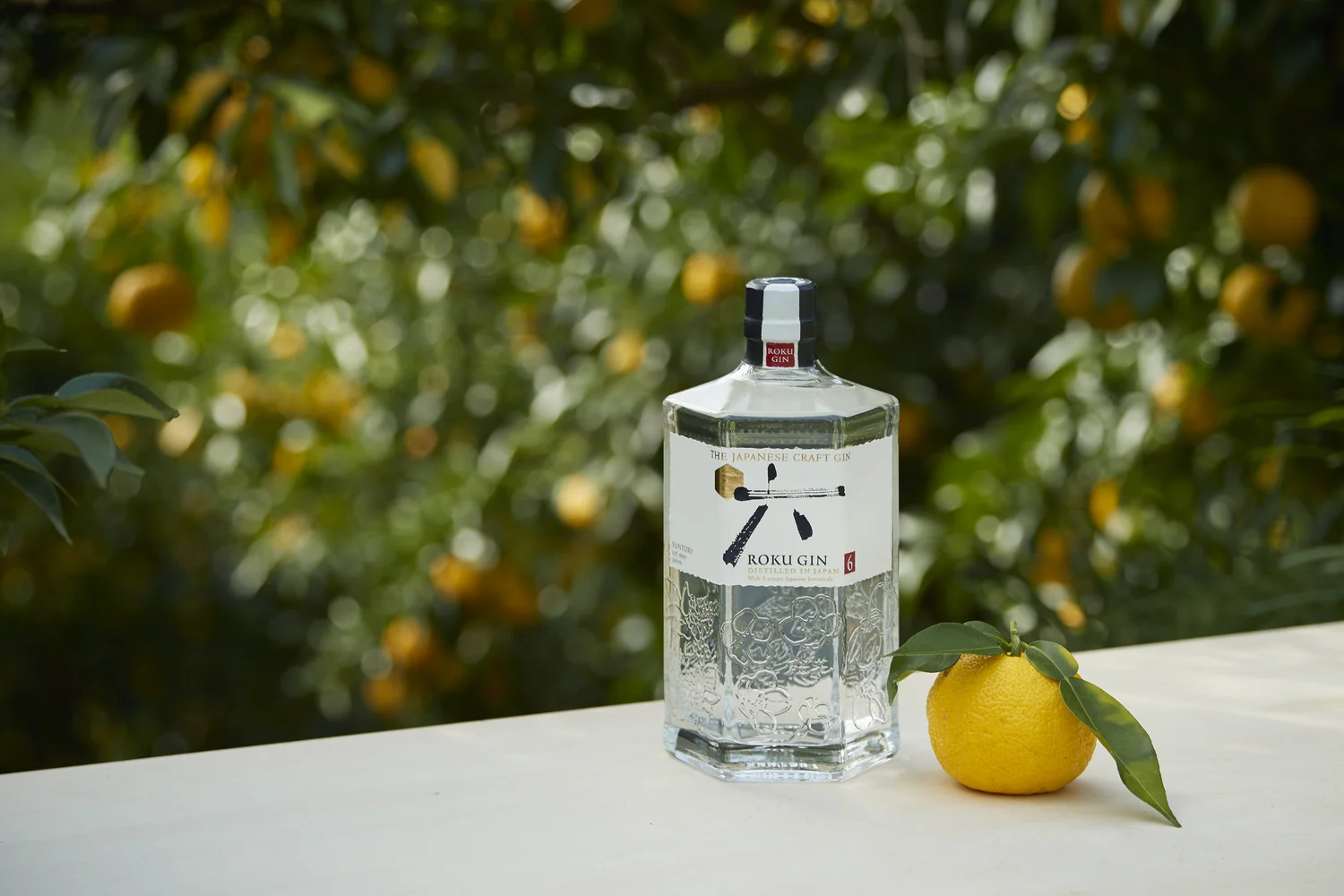
Importing Gin Into Japan: Botanicals, Classification and Positioning
 By
By 
Gin has a compliance detail that deserves special attention: its identity depends on a botanical formulation. Those botanicals can affect ingredient documentation and label preparation alongside the usual import, tax, and licensing requirements.
This guide explains what brands need to consider when they import gin to Japan, from ABV and liquor tax to botanical documentation and Japanese labeling.
Gin Classification and Tax
What a Foreign Brand Needs to Understand
Japan’s liquor-tax system classifies gin within the spirits category. The applicable liquor tax depends on the product’s classification and alcohol strength.
Brands should not assume that every gin has the same tax treatment. Exact ABV and product classification matter when calculating the applicable tax.
How It Works During Import
A standard-strength gin follows the applicable spirits tax calculation.
Higher-strength products require closer review because alcohol strength can affect the applicable liquor-tax calculation. Navy-strength and cask-strength products therefore deserve individual review rather than a generic gin calculation.
The Practical Takeaway
Confirm the exact ABV for every gin SKU before calculating import taxes.
Do not assume that the entire range has the same tax treatment because every product carries the same brand name.
Botanical Ingredient Documentation
What a Foreign Brand Needs to Understand
Botanicals form the core identity of gin. They can also create additional documentation work during Japanese import preparation.
A gin may contain numerous botanicals, spices, herbs, fruits, roots, or other flavoring materials. The importer should therefore provide a complete formulation and ingredient list at an early stage.
How It Works During Import
Japanese food-import procedures can require review of ingredients and additives under the Food Sanitation Act. The importer should check each relevant ingredient against the current Japanese requirements before shipment.
This review becomes particularly important when a gin contains unusual botanicals or ingredients that do not appear commonly in Japanese products.
The importer should provide:
- Complete ingredient information
- Botanical names where available
- Common names used in the source market
- Details of flavoring or additive components
- Relevant supplier or formulation documentation
- Product specifications and ABV
The exact documentation depends on the product and formulation.
The Practical Takeaway
Send the complete botanical formulation early.
Do not wait until the label is almost finished. Early ingredient review gives the importer time to identify potential compliance issues before shipment.
High-ABV Gin and Liquor Tax
What a Foreign Brand Needs to Understand
Some gin products have significantly higher alcohol strength than standard 40–43% ABV expressions.
Navy-strength gin often sits around 57% ABV, while some cask-strength products can reach even higher levels.
These products require individual tax review based on their actual characteristics and the current Japanese liquor-tax rules.
How It Works During Import
A brand selling a standard gin and a high-strength version should calculate each SKU separately.
For example, a 40% ABV gin and a 57% ABV navy-strength gin may share the same botanical base, but their tax treatment can differ.
The importer should confirm the applicable liquor-tax calculation for each product before setting the Japan landed cost.
The Practical Takeaway
Treat every high-ABV gin as a separate tax-calculation exercise.
Confirm the product’s exact alcohol strength and applicable category instead of applying the standard-gin calculation across the entire range.
Japanese Label Considerations
What the Regulation Requires
Imported alcoholic beverages need to meet applicable Japanese labeling requirements before they enter the domestic market.
Depending on the product and distribution structure, the label may need information required under Japan’s liquor and food-labeling rules.
The importer should confirm the exact requirements for the product before printing or applying the Japanese label.
The under-20 warning also forms part of Japan’s alcohol-labeling requirements.
Common Gin Label Issues
Gin can create additional questions when the source-market label uses a broad marketing description instead of a complete ingredient presentation.
For example, a label might describe a gin using phrases such as “infused with wild botanicals” without providing enough information for the Japanese compliance review.
A complete formulation gives the importer a better basis for reviewing the product.
Botanical names can also require careful translation. Some botanicals have several common English names or lack an obvious Japanese equivalent.
The importer should confirm the appropriate Japanese terminology before finalizing the label.
Turning Compliance Into Product Storytelling
Botanical information does not need to remain purely technical.
Once the importer confirms the correct terminology, the brand can use its botanical story as part of its Japanese marketing.
A clear explanation of the ingredients can help consumers understand what makes the gin different.
The key is to separate compliance information from marketing claims. Every mandatory statement must remain accurate, while promotional language should avoid unsupported claims.
The Craft Gin Opportunity in Japan
What a Foreign Brand Needs to Understand
Japan has an established cocktail culture and a domestic craft-gin industry. Imported gin therefore enters a market where consumers, bartenders, and spirits professionals already understand botanical-driven products.
This gives brands an opportunity to communicate specific production and botanical details rather than relying only on generic descriptions such as “premium gin.”
How It Works Commercially
A distinctive botanical profile can support the brand’s positioning when the product offers a clear point of difference.
For example, a gin might emphasize:
- A distinctive local botanical
- A particular citrus profile
- Regional ingredients
- A specific distillation method
- A distinctive barrel-aging process
- A recognizable flavor profile
The brand should connect these details to the actual product rather than relying on broad craft-spirit language.
The Practical Takeaway
Build the Japanese market story around genuine product characteristics.
A strong botanical story can support differentiation, but the label, product documentation, and marketing materials should all describe the product consistently.
Gin Import Checklist
The Items That Matter Most
Before shipping gin to Japan, confirm:
- Exact ABV for every SKU
- Product classification
- Applicable liquor-tax treatment
- Complete botanical and ingredient information
- Additives and flavoring components
- Japanese ingredient terminology
- Applicable Japanese labeling requirements
- Under-20 warning requirements
- Importer-of-record responsibilities
- Food-import notification requirements where applicable
- Final label artwork before production
Why Each Item Matters
ABV and classification affect the tax calculation.
The complete formulation supports the ingredient and food-import review.
Accurate Japanese terminology helps prevent labeling problems.
The importer-of-record structure determines who handles customs and related compliance procedures.
Early review also gives the brand time to correct issues before the shipment reaches Japan.
How to Prepare the Range
The most reliable approach is to review the entire gin range before shipping.
Give the importer or customs specialist the product specifications, formulations, ABV information, existing labels, and proposed Japanese label artwork.
The review can then identify tax, ingredient, and labeling issues at the SKU level.
Final Takeaway
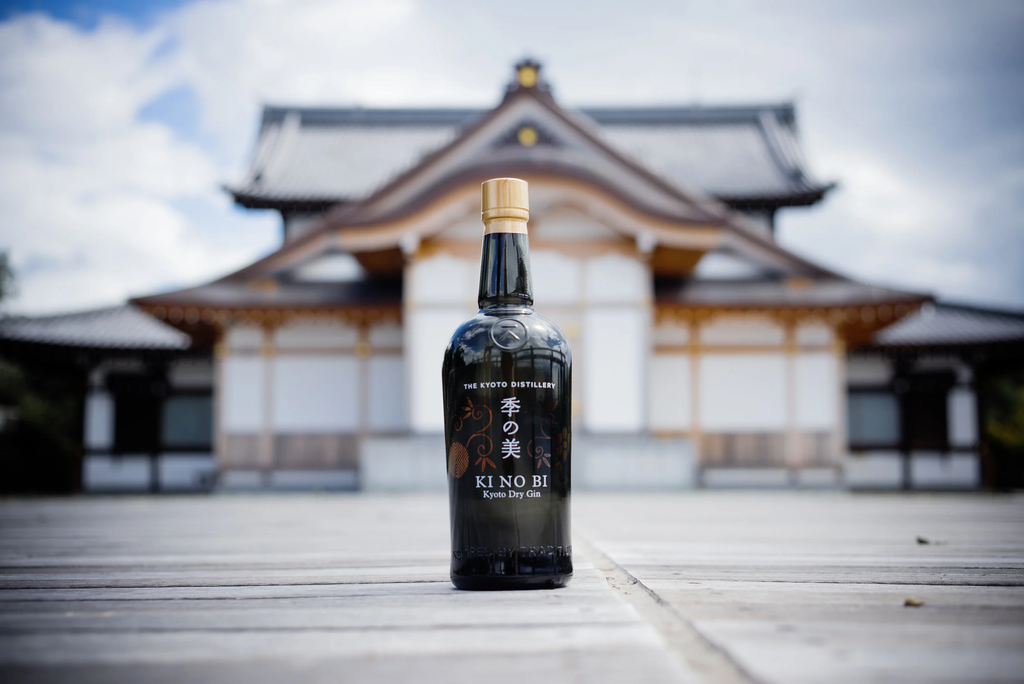
To import gin to Japan successfully, brands need more than a compliant bottle and a shipping arrangement.
The importer should confirm the product classification, ABV, liquor-tax treatment, botanical formulation, ingredient requirements, and Japanese labeling before shipment.
The botanical list deserves particular attention because it supports both compliance and product storytelling.
A complete formulation also makes it easier to identify unusual ingredients early. That gives the importer time to resolve questions before the goods leave the origin country.
Finally, treat every SKU individually. Standard gin, navy-strength gin, and cask-strength expressions can require different tax calculations even when they share the same brand and botanical foundation.
Getting the ABV, formulation, and label right before shipment gives your Japanese importer a stronger foundation for customs clearance and market entry.
Tell us about your product and SKU range through JapanPint’s contact form, and we can review the information needed for your Japan market-entry assessment. You can also contact the JapanPint team at su*****@*******nt.com.