Importing Brandy and Cognac Into Japan
 By
Brandy and cognac have an established audience in Japan. Whisky culture has helped many drinkers appreciate aged spirits. Meanwhile, cognac has a long history in Japanese bars and gift-giving. However, brands entering this market must address several requirements. These include a licensed importer of record, a spirits tax structure linked to alcohol strength, and accurate Japanese labeling. This guide covers import duties, liquor tax, cognac’s geographical indication, high-ABV products, label localization, and premium positioning.
Brandy Import Duty and Tax in Japan
The Variables That Determine Import Costs
Japan classifies brandy as a distilled spirit under its Liquor Tax Act. The applicable liquor tax depends on the product category and relevant statutory rules. Brandy above 37% ABV also requires careful review of the applicable tax structure. Customs duty depends on the HS classification, country of origin, and any qualifying trade agreement. Importers must also account for Japan’s 10% consumption tax. Our guide to Japan’s three import charges explains how these costs interact.
Many brandies and cognacs contain 40% alcohol by volume. This makes the 37% threshold particularly relevant to standard bottlings, not just cask-strength releases. However, importers should confirm how the current rules apply to each product. Check the latest National Tax Agency (NTA) guidance before adding any rate or surcharge to a pricing model.
Country of origin also affects import duty. Japan’s trade agreements provide preferential rates for certain products and origins. However, eligibility depends on the product’s classification and the supporting origin documentation. Confirm the applicable tariff treatment before calculating landed costs.
Estimate Landed Costs Before Shipping
A single landed-cost estimate cannot accurately represent every brandy shipment. Two products with the same retail price may incur different import costs. Their ABV, bottle size, declared value, HS classification, and country of origin all influence the calculation.
Brandy generally carries a different tax burden from beer or wine. Consequently, taxes can account for a substantial share of the landed cost. Importers should avoid setting wholesale or retail prices based on rough estimates.
Review Each SKU for Accurate Costing
To calculate costs accurately, gather the confirmed ABV, product classification, country of origin, and declared value for every stock-keeping unit (SKU). These details may vary across VS, VSOP, XO, and limited-edition releases.
Therefore, we review each SKU individually rather than applying one calculation to an entire range. Our guide to estimating landed costs explains how to combine the relevant figures once the importer confirms them.
Cognac Geographical Indication Requirements
What Foreign Brands Need to Know
Cognac is a protected geographical indication (GI). Only qualifying brandy produced in the designated region under the applicable rules may use this name. Japan protects certain geographical indications through domestic law and international agreements. As a result, producers cannot use the term for a brandy that does not meet the relevant requirements.
Importers should check the current registers and applicable agreements to confirm the protection and conditions governing each name.
The same principle applies to other protected brandy names, including Armagnac and Calvados. Producers must describe products from other regions accurately. Similar production methods or flavour profiles do not automatically permit the use of a protected name.
How GI Rules Affect the Import Process
Label review helps importers identify geographical indication issues before shipment. Genuine cognac needs accurate Japanese terminology that reflects its origin and category. Meanwhile, producers of other brandies must avoid wording, imagery, or style references that could misrepresent the product’s origin.
Our guide to geographical indications and protected terms explains these principles in greater detail.
Incorrect label claims can delay a shipment. Importers must also ensure that required labels comply before they withdraw goods from bond. A late correction can therefore keep otherwise ready products in a bonded warehouse.
Practical Steps for Brandy Producers
If you produce genuine cognac, ensure that the label’s origin statements match the supporting documents. If your brandy comes from another region, describe its actual origin and avoid misleading cognac-related claims.
In either case, review every proposed term before shipping. A label-and-SKU review can identify potential problems early. It also gives your team an opportunity to discuss the proposed artwork before production begins.
High-ABV Brandy and Cognac: What Importers Should Check
Understanding High-Proof Expressions
Beyond standard 40% ABV bottlings, producers offer cask-strength brandies, brut de fût editions, collector bottles, and limited releases. These products may exceed the 37% threshold by a wider margin. Importers should therefore review the applicable tax calculation for each expression.
The relevant tax treatment and any surcharge must follow the current statutory rules. Our guide to high-ABV spirits explains why alcohol strength deserves attention during import planning.
Why Exact ABV Matters
The declared ABV must match the product specification and applicable Japanese requirements. A home-market label may use a different rounding convention or presentation format. Before shipment, confirm how Japanese authorities expect importers to establish and report alcohol strength.
Customs and liquor tax assessments rely on the declared product details, including ABV and volume. The same information should remain consistent across the label, commercial invoice, and production specification.
Authorities may also inspect or sample products under applicable procedures. Any discrepancy between the declared strength and the actual product can create compliance and costing problems.
A brand that sells both standard and high-proof expressions must assess each SKU separately. Even products from the same house can produce different tax outcomes.
Practical Steps for High-ABV Products
Confirm the exact bottled ABV for every SKU before calculating costs. Then, assess each expression separately rather than using one estimate for the entire range.
If you plan to introduce a limited high-proof release in Japan, discuss its alcohol strength with your importer early. This helps your team assess both tax implications and market positioning. Our article on how ABV affects spirits taxation provides additional context.
Japanese Label Localization for Brandy and Cognac
Understanding the Regulatory Requirements
Japanese alcohol labels must meet the applicable requirements of the Food Labeling Act and the Liquor Tax Act. Importers must also address the mandatory under-20 drinking warning and provide accurate ingredient and additive information where required.
In addition, the relevant labeling-method notification must cover the product before the importer withdraws it from bond, in accordance with applicable procedures. Our guide to the two Acts explains how their labeling requirements differ.
Common Labeling Problems
Brandy and cognac labels present several recurring challenges:
- Age terminology: Terms such as VS, VSOP, XO, and Hors d’Âge need careful translation and explanation. Importers should confirm the applicable category rules and avoid unsupported interpretations.
- Age statements: Blended products require accurate wording that reflects the available production records and applicable requirements.
- Protected names: Terms such as cognac require a valid geographical and legal basis.
- Ingredients and additives: Importers must check caramel coloring, sugar adjustments, and other additions against the source formulation and Japanese disclosure rules. [VERIFY]
- Brand storytelling: Literal translations of heritage claims or descriptions of house style may sound unnatural or imply facts the producer cannot substantiate.
- Health-related claims: Traditional references to digestifs or tonics can suggest health benefits. Review such wording carefully to avoid unsupported efficacy claims.
How the Localization Process Works
Effective localization connects translation, layout, compliance review, and the required labeling procedures. Rather than treating these tasks separately, importers should coordinate them before printing labels.
First, confirm the product’s ingredients and additives against the original formulation. Next, translate age terminology and tasting descriptions into clear Japanese. Finally, check every claim against the production records and applicable requirements.
For a range containing several expressions, a shared label template can reduce repetitive work. However, each SKU still needs an individual review of its ABV, age statement, ingredients, and claims. Our guide to multi-SKU localization explains how to organize this process.
Positioning Premium Brandy in Japan
Understanding the Japanese Market
Japan offers several potential channels for premium brandy and cognac. Buyers often consider age, provenance, producer heritage, and production methods when choosing higher-priced spirits. However, each product needs a clear reason to stand out.
Japan’s distribution network includes importers, wholesalers, retailers, hospitality businesses, and e-commerce platforms. Premium brandy may suit specialist spirits shops, hotel bars, cocktail bars, restaurants, and curated online stores. These channels can help customers understand the differences between producers and age grades.
Gifting also creates opportunities for premium bottles with distinctive packaging and a compelling story. Seasonal demand deserves attention too, as discussed in our guide to seasonal alcohol imports.
Matching Product Tiers to Sales Channels
Entry-level VS expressions may suit cocktail bars and broader retail channels. These segments often involve strong competition, so pricing and versatility matter.
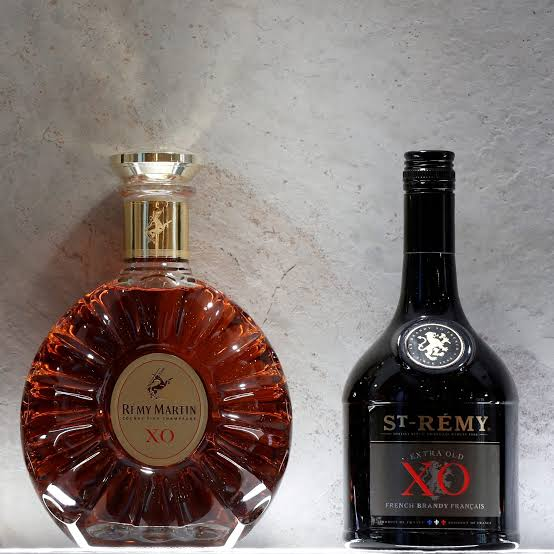
VSOP and XO products may appeal to specialist retailers and hospitality buyers who value provenance and product differentiation. Meanwhile, rare and limited releases can target collectors and specialist buyers. However, producers should ensure that scarcity claims reflect genuine availability and that allocations suit the intended market.
Brandy also competes with aged whisky, including Japanese whisky. A distinctive house style, a credible production story, or a clear point of difference can help buyers understand why they should choose one bottle over another.
How JapanPint’s Distribution Channels Can Help
JapanPint works across its own channels, including CraftBeer.co.jp, OmoriMart.com, and Jasumo.com, as well as Amazon Japan, Rakuten, and Yahoo Shopping.
This distribution network can give brands options for reaching different customer segments. However, the right channel depends on the product’s age grade, price, target audience, and brand story. Importers should assess each expression individually before deciding where to place it.
Brandy Import Checklist for Japan

The Essential Pre-Shipment Checks
Before shipping brandy or cognac to Japan, confirm the following:
- The exact bottled ABV for every SKU and the applicable tax treatment around the 37% threshold.
- The correct HS classification and customs duty based on the product’s origin.
- Whether the product qualifies to use protected names such as cognac or other geographical indications.
- The complete ingredient and additive information, including coloring agents and sugar adjustments.
- Supporting production records for age terms and age statements.
- Japanese label wording that meets applicable Food Labeling Act and Liquor Tax Act requirements, including the under-20 warning.
- A suitable positioning strategy and distribution plan for each expression.
Why Every Check Matters
Each item answers a question that regulators, customs officials, or buyers may raise. ABV and classification affect the tax calculation. Ingredient information supports the relevant food import procedures. Meanwhile, geographical indication and age claims must match the available evidence.
The label must also meet applicable requirements before the importer withdraws the goods from bond. Finally, the distribution plan helps the product reach buyers who understand its value.
Missing information can become expensive to correct later. For example, a shipment may face a hold, or the importer may need to print replacement labels.
How to Prepare Your Documents
Gather the essential product information before drafting the Japanese label. Prepare a specification sheet for every SKU, a complete ingredient and additive list, records supporting age claims, and the proposed artwork.
Keep the details consistent across all documents. Then, share the complete set with your importer before committing to Japan-specific production. If you later change the recipe, ABV, packaging, or product claims, inform your importer so they can reassess the relevant requirements.
JapanPint can review your product range and help identify the information needed for Japan market entry. We do not quote firm prices or timelines in advance because the work depends on your labels, SKU count, ABV, and country of origin.
To discuss your products, use the JapanPint contact form. You can also email su*****@*******nt.com.
Early preparation gives your team a clearer view of compliance requirements, import costs, and market positioning before the shipment leaves its country of origin.