Importing Cider and Fruit Wine Into Japan
 By
Cider and fruit wine can present a challenge for exporters. Consumers recognise these drinks, but Japan’s tax system classifies alcoholic beverages according to specific legal definitions. Therefore, before you import cider to Japan, you need to establish the correct category for your product.
That classification affects liquor tax, labeling, customs documentation, and import planning. However, the product name alone cannot determine the outcome. Ingredients, production methods, alcohol content, and other characteristics also matter.
This guide explains how to approach cider and fruit-wine classification, Japanese labeling requirements, import taxes, freshness, distribution channels, and pre-shipment preparation.
Cider and Fruit-Wine Classification
What Foreign Brands Need to Understand
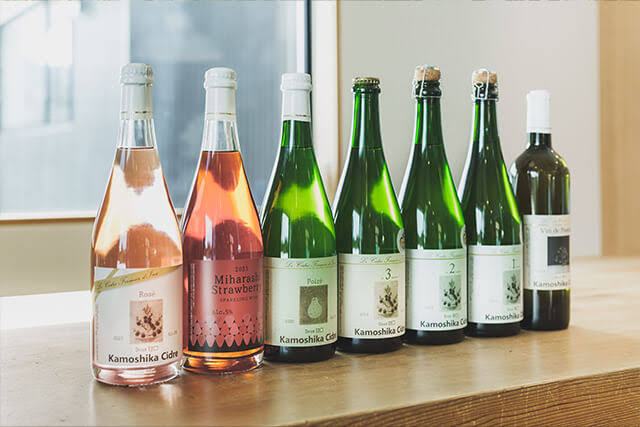
In international trade, the word “cider” can describe several products. These include fermented apple juice, sparkling cider, flavoured fruit drinks, and alcoholic beverages with added ingredients.
Japan’s Liquor Tax Act classifies alcoholic beverages according to their characteristics and production methods. Consequently, a product’s commercial name does not automatically determine its Japanese tax category.
For example, fermented apple products may qualify for a fruit-wine category, depending on their composition and production method. However, added sugar, flavourings, other alcohol, and carbonation can affect the assessment.
Japan’s National Tax Agency (NTA) provides the relevant legal definitions and classification framework. Therefore, confirm the treatment of each product against current official guidance before making commercial decisions. <Link url=”https://www.nta.go.jp/” title=”National Tax Agency of Japan”/>.
How Classification Affects the Import Process
Once you establish the classification, keep the product information consistent across the entire import process.
Your Japanese importer needs accurate details for the food import notification, customs declaration, liquor tax assessment, and Japanese label. The Ministry of Health, Labour and Welfare (MHLW) requires importers to notify the relevant quarantine station when importing food for commercial sale. Officials assess the submitted information and determine whether inspection is necessary. <Link url=”https://www.mhlw.go.jp/stf/seisakunitsuite/bunya/kenkou_iryou/shokuhin/yunyu_kanshi/kanshi/index_00004.html” title=”MHLW import procedures”/>.
Suppose your invoice describes a product as an apple beverage, while your technical documents identify it as fermented fruit wine. That difference could trigger additional questions and delay clearance.
The importer must provide accurate declarations and coordinate with the relevant authorities. As a foreign brand, you should supply complete technical information and work with a Japanese partner who understands the applicable licensing and import requirements.
The Practical Takeaway
Describe every SKU by its actual characteristics rather than relying on its home-market name.
Prepare the following information:
- Fruit source and complete ingredient list
- Fermentation and production methods
- Final alcohol by volume (ABV)
- Added sugar, juice concentrates, flavourings, and other additives
- Carbonation and any post-fermentation processing
Confirm the classification before finalising your pricing, label artwork, and shipment plans. This step reduces the risk of expensive changes later.
Fruit-Wine Labeling Standards
What the Regulations Require
Imported cider and fruit wine may need to comply with several Japanese requirements, depending on their legal classification and intended sale.
These include applicable provisions of the Food Labeling Act, Liquor Tax Act, and relevant alcohol labeling standards. Japanese-language labeling and other product-specific requirements may also apply.
For example, Japan’s NTA maintains standards covering the production methods and quality descriptions of fruit wine and related products. Those standards regulate matters such as ingredient descriptions and certain origin-related statements. However, the precise requirements depend on the product and whether the relevant provisions apply to imported goods. <Link url=”https://www.nta.go.jp/taxes/sake/hyoji/kijun/gaiyo/04.htm” title=”NTA fruit-wine labeling standards”/>.
Alcohol products must also carry applicable warnings and mandatory information. Confirm the exact wording, placement, and formatting for your SKU with your Japanese importer before printing labels.
Furthermore, check whether the relevant alcohol-labeling notification or other filing applies to your product. Complete the necessary steps before customs release.
Common Labeling and Compliance Gaps
Several problems regularly complicate product localization.
First, a foreign label may use “cider” for a flavoured or sweetened drink that falls into a different Japanese category. Second, the artwork may omit information about concentrates, added sugar, or flavourings. Third, marketing language may suggest an origin or ingredient that the product specifications cannot substantiate.
Translation can introduce further problems. A label may communicate the brand story accurately while overlooking a mandatory declaration, the required alcohol-content format, or the net volume.
Health-related claims require particular care. Apple-based beverages sometimes carry wellness or functional claims, but Japanese law restricts certain representations. Review these claims before adapting the label for Japan.
How to Localize a Label Correctly
Treat translation, technical verification, layout, and compliance review as connected tasks.
Start by comparing every label claim with the product specification and manufacturing records. Then prepare the Japanese wording and check it against the applicable regulations.
For instance, confirm the ingredient names, origin statements, alcohol content, and product category before approving the final artwork. This approach helps ensure that the Japanese label reflects the actual product.
Your existing label may already meet some requirements. A review of the artwork and technical documents will identify which elements need revision and which you can retain.
Tax Category Nuances
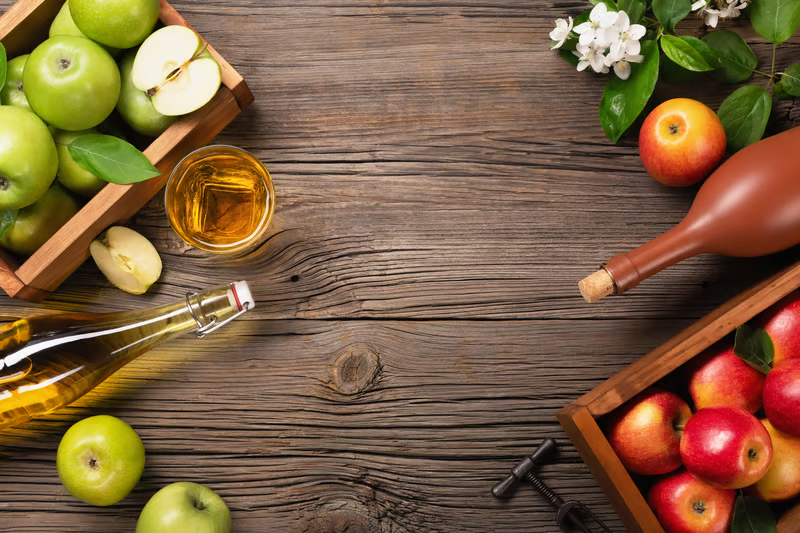
Understanding Japanese Alcohol Taxes
Japan applies liquor tax according to the legal category of the beverage. Customs duty and consumption tax may also affect the total import cost.
Recent tax reforms have changed the treatment of several alcoholic beverage categories. As of October 2026, Japan has unified the tax rates for beer-category beverages under the scheduled reform. The tax treatment of brewed alcoholic beverages, including sake and fruit wine, was also unified under an earlier phase of reform. However, these changes do not mean that every cider product automatically qualifies for the same rate.
The NTA classification remains important because products with different ingredients or production methods may fall into different legal categories. A sparkling alcoholic drink, for example, may require a different assessment from a non-sparkling fruit wine.
For current information, consult the <Link url=”https://www.mof.go.jp/tax_policy/summary/consumption/d08.htm” title=”Ministry of Finance overview of liquor tax”/> and confirm your SKU’s classification with the appropriate Japanese specialist.
How Tax Assessment Affects Import Costs
Your importer needs the confirmed product classification, ABV, volume, declared value, and origin to calculate the applicable charges.
Customs duty depends on the tariff classification and the applicable tariff treatment. A qualifying trade agreement may reduce or eliminate duty, but eligibility depends on the product and its origin.
Consumption tax also applies to commercial imports. Its calculation depends on the applicable customs valuation and tax rules, including the treatment of relevant duties and other charges.
Therefore, a general estimate based on “wine tax” or “beer tax” may not accurately reflect your product’s landed cost.
The Practical Takeaway
Do not build your Japanese wholesale price around an assumed tax category.
Instead, ask your importer to confirm the following for each SKU:
- Japanese liquor tax classification and applicable rate
- Customs tariff classification and duty treatment
- Eligibility for preferential tariffs under a relevant trade agreement
- Applicable consumption tax
- Other import, storage, labeling, and distribution costs
Calculate the charges using the rules in force when the shipment enters Japan. Then use the confirmed figures to develop your landed-cost and wholesale-pricing model.
Freshness and Shelf-Life Considerations
What Foreign Brands Need to Understand
Cider shares an important challenge with craft beer and some natural wines: storage conditions can affect product quality.
Unpasteurized, naturally carbonated, and lightly processed ciders may require particular attention to temperature and handling. Extended transit or unsuitable storage can alter flavour, carbonation, and overall quality.
However, shelf life and temperature tolerance vary by product. A stabilized cider may handle distribution differently from an unpasteurized alternative.
Your Japanese importer therefore needs accurate information about the product’s stability, packaging, and storage requirements before planning a shipment.
How Freshness Affects the Import Process
International freight, document reviews, inspections, customs clearance, labeling, and warehouse handling all influence the time between production and sale.
MHLW officials may examine documents or select a shipment for inspection. If laboratory testing becomes necessary, the process can take longer than expected. <Link url=”https://www.mhlw.go.jp/stf/seisakunitsuite/bunya/kenkou_iryou/shokuhin/yunyu_kanshi/kanshi/index_00004.html” title=”MHLW food import inspection procedures”/>.
These delays can affect freshness-sensitive products. They can also increase bonded-storage costs and put pressure on planned delivery dates.
Label preparation matters as well. If your Japanese artwork is not ready when the shipment arrives, the additional work may delay the release process.
The Practical Takeaway
Share the product’s actual shelf life and recommended storage conditions with your importer at the beginning of the project.
Also provide:
- Production and best-before dates, where applicable
- Recommended storage temperature
- Pasteurization or stabilization details
- Packaging and carbonation specifications
- Any restrictions on temperature exposure during transport
Next, discuss the expected shipping route, warehouse facilities, inspection contingencies, and label preparation schedule. Build a realistic time buffer into your production and launch plans.
Confirm that the selected port and bonded warehouse can accommodate your product’s handling requirements before committing to a shipment.
Choosing the Right Distribution Channels in Japan
How Alcohol Distribution Works
Japan’s alcoholic beverage market includes importers, wholesalers, retailers, restaurants, bars, and online platforms. Cider and fruit wine can reach consumers through several of these channels.
Specialty wine shops and craft beverage retailers may suit distinctive regional or premium products. Restaurants and bars can introduce customers to new flavours through food pairings. Meanwhile, department stores and gift retailers may suit products with attractive packaging or a compelling regional story.
Online sales can provide another route, particularly for brands targeting customers who actively seek imported beverages.
However, each channel has different expectations regarding pricing, packaging, supply consistency, and customer demand.
Matching the Product to the Right Channel
A craft or heritage cider with a distinctive fruit, production method, or regional identity may benefit from specialty retail and curated e-commerce. These channels give retailers more opportunities to explain the product’s story.
By contrast, an accessible, lighter cider may suit a broader retail strategy if its price, packaging, and supply arrangements support that positioning.
Seasonal promotions and gift-oriented campaigns can also create opportunities for fruit-based alcoholic beverages. Nevertheless, the right approach depends on the product’s characteristics and target audience.
Rather than competing on price alone, foreign brands should consider how quality, origin, flavour, and brand identity can distinguish their products in Japan.
How JapanPint’s Distribution Channels Fit
JapanPint works across several owned and third-party sales channels, including CraftBeer.co.jp, OmoriMart.com, Jasumo.com, Amazon Japan, Rakuten, and Yahoo Shopping.
These channels can offer different ways to present an imported alcoholic beverage to Japanese consumers. However, the suitability of each platform depends on the product category, pricing, audience, and applicable marketplace requirements.
For cider brands, the first step is to establish the correct classification and compliance requirements. Once those details are clear, the importer can assess which channels best match the product’s market position.
A coordinated approach to importing and distribution can help brands avoid managing every retail relationship independently. Confirm the proposed channel mix and commercial terms with your Japanese partner before launch.
Cider Import Checklist for Japan
The Information Every Brand Should Prepare
Before shipping your cider or fruit wine, assemble a technical and commercial file for each SKU.
Use this checklist to organise the essential information:
- Product classification: Confirm the likely Japanese category based on fruit, fermentation, ingredients, and carbonation.
- Alcohol content: Document the final ABV and confirm the applicable tax treatment.
- Ingredients and additives: Provide the complete ingredient list, including concentrates, sweeteners, flavourings, and other additions.
- Manufacturing process: Describe fermentation, stabilization, pasteurization, and other relevant production steps.
- Origin documentation: Confirm the product’s origin and any documentation needed to claim preferential tariff treatment.
- Shelf life and storage: Provide shelf-life information and recommended storage conditions.
- Japanese labeling: Review the proposed label against applicable food and alcohol labeling requirements.
- Import documentation: Prepare the information required for the food import notification and customs declaration.
- Distribution plan: Identify suitable sales channels, packaging formats, and target customers.
- Cost model: Estimate duty, liquor tax, consumption tax, freight, storage, labeling, and distribution expenses.
Why Each Item Matters
Each document answers a different question during the import process.
The ingredient list and manufacturing description help the relevant authorities assess the product. Classification and ABV inform the liquor tax assessment. Origin documents support customs treatment, while the label must accurately reflect the product and satisfy applicable requirements.
Shelf-life information helps your importer plan transport and storage. Finally, the distribution plan connects the technical work with your commercial objectives.
A missing document or inconsistent description can trigger additional questions at an inconvenient stage. Resolving these issues before shipment can reduce avoidable delays and rework.
How to Prepare for a Successful Import
Start with a complete specification sheet for each SKU. Include the ingredient list, production method, ABV, packaging details, shelf life, and origin.
Next, collect supporting documents from the manufacturer and ingredient suppliers. Make sure the information matches across the specification sheet, invoice, manufacturing records, and proposed label.
Share the complete file with your Japanese importer before committing to production or printing packaging for the Japanese market. If the recipe, supplier, ABV, or packaging changes later, notify the importer so they can reassess any affected requirements.
Costs and timelines will vary according to the product, shipment, origin, documentation, and labeling work. Therefore, obtain a product-specific assessment rather than relying on a generic estimate.
Plan Your Cider Import into Japan with JapanPint
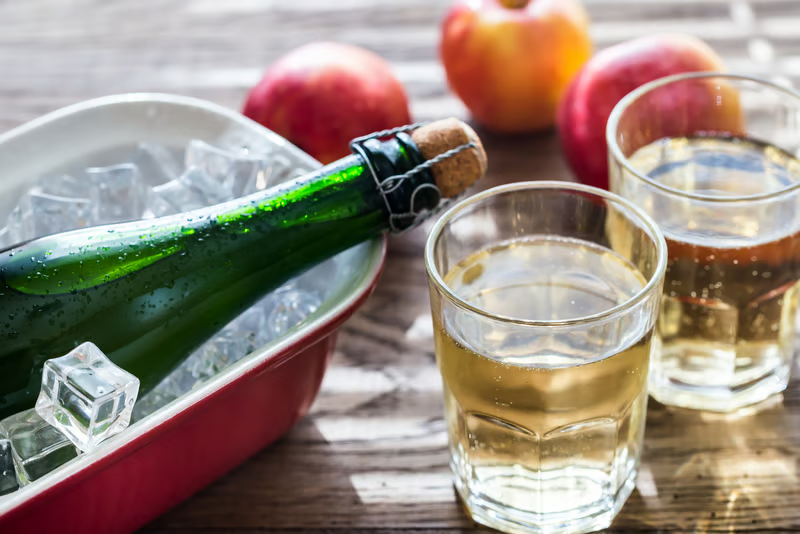
Bringing cider or fruit wine into Japan requires more than arranging international freight. You need to understand the product’s legal classification, prepare consistent documentation, verify the applicable taxes, and meet the relevant labeling and food import requirements.
A structured review can identify potential problems before you commit to a shipment. It can also help you assess the most suitable distribution channels for your brand.
Tell us about your product and SKU range through the JapanPint contact form. Our team can review your starting point for the Japanese market and discuss the next steps.
Alternatively, contact us by email at su*****@*******nt.com.
Prepare your product specifications and label artwork before starting your Japan import assessment.