How the Food Labeling Act and Liquor Tax Act Split Label Duties
 By
By 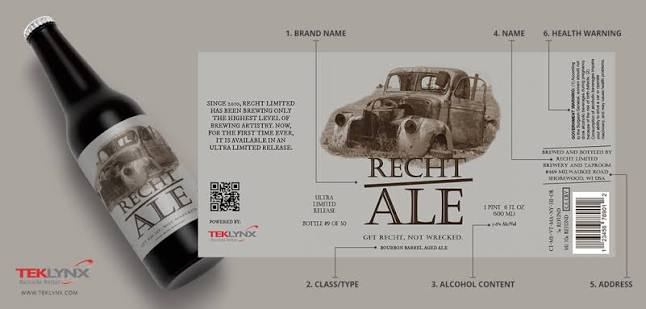
Every mention of Japanese alcohol label compliance in this series has referenced two laws together: the Food Labeling Act and the Liquor Tax Act.
These are distinct legal frameworks with different scopes. Understanding how the two laws divide responsibility can make Japanese alcohol labeling much easier to manage.
Which items the Food Labeling Act governs
The direct answer up front
The Food Labeling Act covers general food and beverage labeling requirements. These requirements also apply to alcoholic beverages.
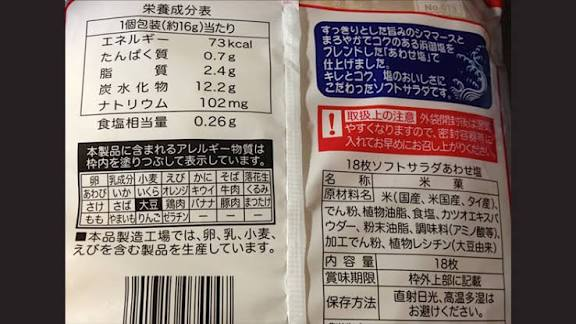
The Act covers areas such as ingredient information, allergen information, and consumer-facing accuracy. These rules form part of Japan’s broader food labeling framework.
What the answer depends on in practice
The Food Labeling Act applies to alcohol in many of the same ways it applies to other food and beverage products.
The requirements are not limited to alcoholic drinks. They form part of a wider consumer protection and disclosure system.
Foreign alcohol brands should therefore review their labels under the Food Labeling Act as well as alcohol-specific rules.
A concrete example for a foreign brand
Consider an imported gin. Its ingredient information falls within the broader food labeling framework.
Wine provides another example. If production involves an allergen-relevant fining agent, the brand needs to consider the applicable allergen disclosure requirements.
These are food labeling concerns that also apply to alcoholic beverages.
Which items the Liquor Tax Act governs
The direct answer up front
The Liquor Tax Act covers requirements specific to alcoholic beverages and their tax classification.
These requirements include alcohol category information and other alcohol-specific labeling matters. The Act also relates to the required under-20 drinking warning.
What the answer depends on in practice
The Liquor Tax Act exists specifically for alcoholic beverages. Its requirements reflect the tax and regulatory treatment of alcohol in Japan.
These rules do not apply to ordinary non-alcoholic beverages in the same way.
A foreign alcohol brand must therefore check the Liquor Tax Act alongside the broader Food Labeling Act.
A concrete example for a foreign brand
A whisky label provides a simple example.
The label must meet the requirements that apply to its alcohol category. It must also include applicable alcohol-related warnings.
The ingredient and allergen information falls within the broader food labeling framework.
Where the two laws must agree
What a foreign brand needs to understand
Both laws can apply to the same physical label. Each law focuses on different information, but the final label must remain consistent.
For example, any alcohol content information must accurately reflect the product. The same product information should not conflict across different parts of the label.
How it plays out in the import process
A proper compliance review checks both frameworks together.
Reviewing one law in isolation can leave gaps. It can also create inconsistencies between different parts of the label.
The final artwork should therefore work as one coherent document under both legal frameworks.
The practical takeaway
Think of the label as one document that must satisfy two legal frameworks.
Do not design separate versions for the Food Labeling Act and Liquor Tax Act. Instead, review the complete label against both sets of requirements.
Avoiding contradictory information
What a foreign brand needs to understand
Separate review processes can create inconsistent information.
For example, one person may prepare ingredient information while another handles alcohol-related information. Without a final review, the two sections may not align.
This risk increases when different teams handle translation, design, and regulatory checks.
How it plays out in the import process
A compliance review can identify these inconsistencies before the product enters the market.
Discrepancies can also create questions during regulatory checks. Clear and consistent information helps reduce unnecessary delays.
The practical takeaway
Assign responsibility for the label’s overall consistency.
Have one person or team conduct a final review across both legal frameworks. This creates a single point of control before the artwork goes to print.
Sequencing label approvals
What the regulation requires
The labeling-method notification submitted to the tax office relates specifically to Liquor Tax Act requirements.
Food Labeling Act compliance remains a separate part of the overall label review. Brands need to address both areas before they use the final label.
The most common compliance gaps
One common mistake is treating the labeling-method notification as approval of the entire label.
The notification focuses on the relevant Liquor Tax Act requirements. It does not replace a broader review of Food Labeling Act requirements.
A label can therefore meet the requirements for the notification while still needing changes elsewhere.
How localization handles it
A well-organized review checks both frameworks before the labeling-method notification.
This approach helps the final label meet the wider requirements instead of focusing on only one legal area.
One label, two legal lenses
What the regulation requires
One physical label must satisfy the relevant requirements under both legal frameworks.
The Food Labeling Act addresses broader food and consumer information. The Liquor Tax Act addresses alcohol-specific regulatory requirements.
Together, these laws shape the compliance review for imported alcoholic beverages.
The most common compliance gaps
Common problems include missing information, inconsistent statements, and incorrect terminology.
These problems can arise when a brand reviews one legal framework carefully but gives less attention to the other.
A combined review helps identify these issues before the label reaches production.
How localization handles it
A structured label review checks both frameworks as part of one compliance workflow.
The team can then address any issues before the labeling-method notification and import process move forward.
Build one complete compliance review

The Food Labeling Act and Liquor Tax Act have different roles, but both can affect the same alcohol label.
Reviewing them together gives foreign brands a clearer path to compliant packaging. It also reduces the risk of discovering gaps late in the import process.
Before printing your labels, make sure your review covers both frameworks.
Getting both legal frameworks right on one coherent label is exactly what a proper unified label review should achieve.
Tell us about your product and SKU range through our contact form. We can review where your brand stands for Japan entry. You can also contact us at su*****@*******nt.com.