Exporting Korean Soju and Asian Spirits to Japan
 By
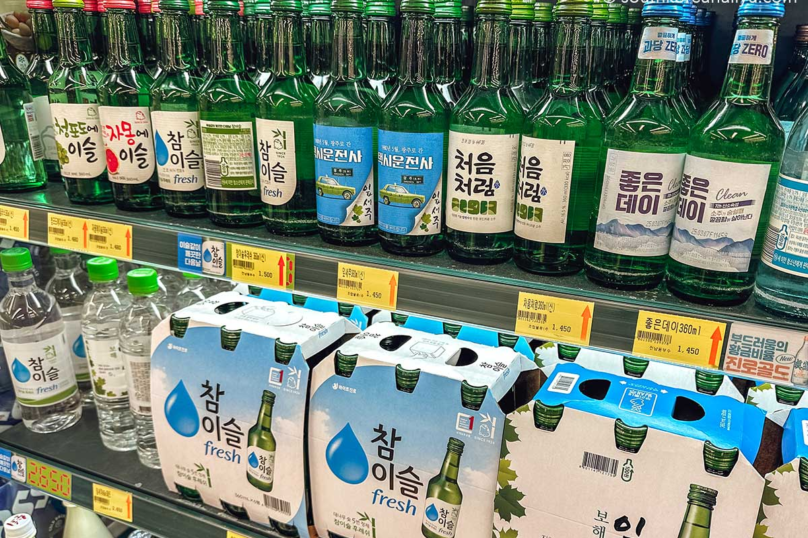
Korean soju has several advantages in Japan. The countries are geographically close, and Korean food, entertainment, and culture have strong recognition among Japanese consumers. Japan also has its own established distilled spirit, shochu, which gives consumers a familiar reference point.
However, cultural familiarity does not guarantee sales. Foreign producers still need to understand Japan’s import requirements, labeling rules, and distribution channels. Here’s what it takes to export soju to Japan and reach buyers who may already know the category.
Why Korean Soju Has an Advantage in Japan
Understanding the neighboring market
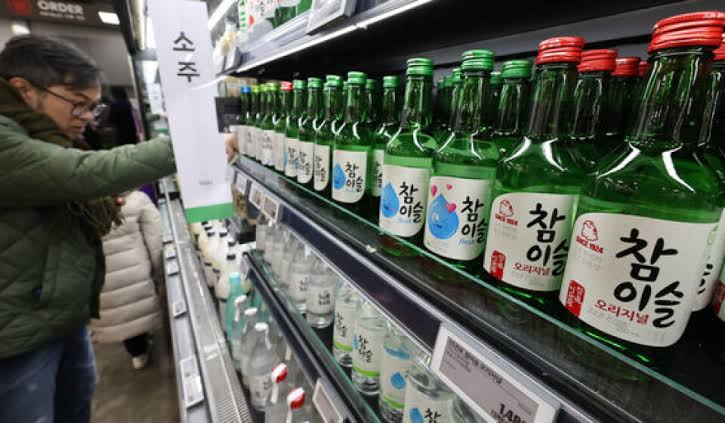
Japan’s proximity to Korea gives soju a useful starting point. Many Japanese consumers encounter the drink at Korean restaurants or through Korean food culture. This familiarity can make soju easier to introduce than a spirit with little existing recognition.
However, consumer awareness varies by age group, region, and drinking habits. Exporters should research their target audience before assuming that familiarity will translate into purchases.
Matching the product to the right price tier
Accessible, everyday soju may suit retail stores and e-commerce platforms. Brands can use the connection with Korean cuisine to explain when and how consumers typically enjoy the drink.
Premium and craft producers can also find opportunities in Japan. They should highlight their distinctive ingredients, production methods, flavor profiles, or brand stories. Although consumers may recognize soju, they may still need reasons to choose one brand over another.
Using JapanPint’s sales channels
JapanPint’s owned channels include CraftBeer.co.jp, OmoriMart.com, and Jasumo.com. These platforms may support different approaches to product discovery and online marketing, depending on their current category coverage and commercial arrangements.
Major marketplaces such as Amazon Japan, Rakuten, and Yahoo! Shopping can also offer potential routes to consumers. Before choosing a channel, confirm its alcohol-sales requirements, product eligibility, and available promotional options.
Understanding Soju’s Classification in Japan
Why classification matters
Japan’s Liquor Tax Act determines how alcoholic beverages fall into tax categories. The classification of a particular soju depends on its production method, ingredients, and other legally relevant characteristics.
Producers should not assume that every soju product receives the same classification. Similarities between soju and shochu do not automatically mean that Japanese law treats them identically.
Important: Confirm the applicable category against the current Liquor Tax Act and the product’s technical specifications. A qualified Japanese importer or tax specialist can help determine the correct treatment before shipment.
How classification affects importing
Correct classification helps establish the applicable liquor tax treatment and supports accurate regulatory documentation. It also helps the importer prepare the product’s Japanese labeling information.
An unclear classification may lead to additional questions or delays while the relevant details undergo review. Therefore, exporters should address this issue before finalizing their labels or arranging commercial shipments.
What information should producers provide?
Give your Japanese import partner detailed product information as early as possible. Include:
- Base ingredients and raw materials
- Distillation or other production methods
- Alcohol by volume (ABV)
- Added ingredients, flavorings, and sweeteners
- Product specifications and manufacturing details
These details help the importer assess the correct category. They also support the preparation of accurate Japanese-language documentation.
Japanese Labeling Requirements for Soju
What exporters need to prepare
Imported soju must meet the Japanese labeling requirements that apply to its product category. Depending on the product and applicable rules, these may include the product name, ingredients, alcohol content, importer information, and required warnings.
Japan’s Food Labeling Act and Liquor Tax Act may both affect label preparation. The exact obligations depend on the product, its classification, and the rules in force at the time of import.
Do not assume that a Korean-language label alone satisfies Japanese requirements. Ask your importer to confirm every mandatory item before printing packaging for the Japanese market.
Common labeling challenges
Korean product names, flavor descriptions, and production terms may not translate neatly into Japanese. A literal translation can also miss the meaning or context of a term used on the original packaging.
Flavored soju requires particular care. Exporters should review the ingredients and flavoring components of each product rather than applying one generic label to an entire range.
How to localize the label correctly
Start with an accurate translation of the original Korean label. Then check each required disclosure against the applicable Japanese rules.
Review the product name, ingredient information, alcohol content, importer details, and any required warnings. For flavored products, confirm how Japanese labeling rules apply to each flavor and its ingredients.
Your importer should review the final artwork before production or shipment. This step helps preserve the product’s identity while reducing the risk of avoidable compliance problems.
Positioning Soju Alongside Japanese Shochu
How this channel actually works in Japan
Shochu is a well-established, deeply familiar Japanese domestic spirit, and soju’s similarity to it — both are distilled spirits with some overlapping production heritage — means Japanese consumers will inevitably compare the two. This comparison can work in a soju brand’s favor (an easy category bridge) or create a positioning challenge (why choose soju over an already-trusted domestic shochu) depending on how it’s handled.
Fit for a foreign brand’s product and price tier
The stronger positioning path generally leans into what’s genuinely distinctive about soju relative to shochu — different production traditions, flavor profile, or the specific cultural association with Korean cuisine and social drinking culture — rather than positioning soju as simply “Korean shochu,” which undersells the category’s own identity and invites an unfavorable comparison to an entrenched domestic product.
How JapanPint’s owned channels apply
A channel strategy that pairs soju with its cultural food context — Korean cuisine, Korean-style dining and social occasions — tends to resonate more than a straight spirits-category comparison to shochu. JapanPint’s owned e-commerce channels can support this kind of contextual positioning alongside broader marketplace listings for wider reach.
Channel fit
How this channel actually works in Japan
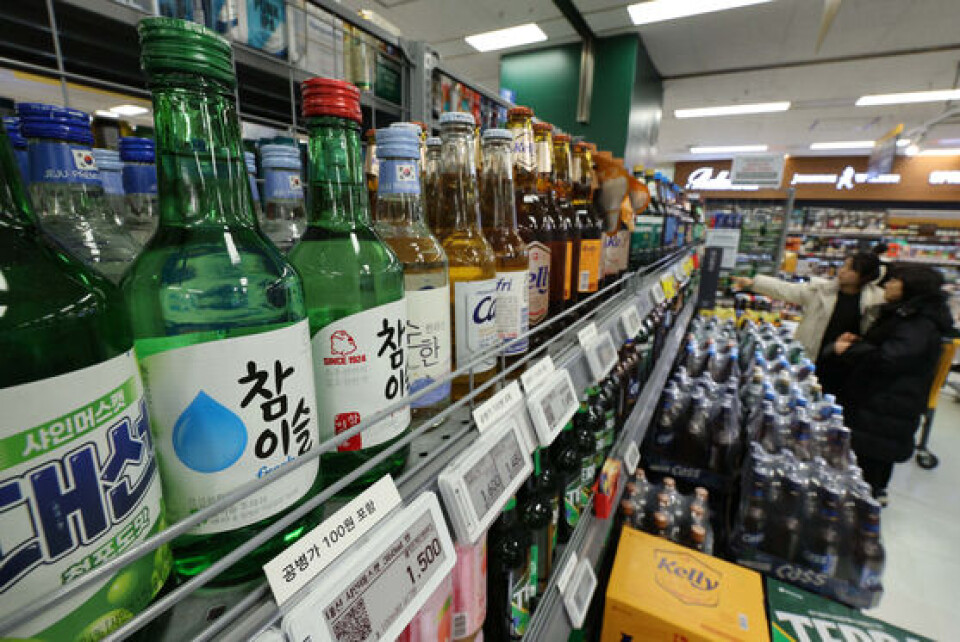
Soju in Japan moves through retail, e-commerce, and on-trade channels, with a particular natural fit in venues and retail contexts already associated with Korean food and culture — Korean restaurants, relevant retail sections, and increasingly mainstream retail as the category’s popularity has grown alongside broader interest in Korean culture.
Fit for a foreign brand’s product and price tier
An accessible, everyday-positioned soju fits well with broad retail and e-commerce placement, leveraging existing cultural familiarity for relatively quick consumer adoption. A premium or craft-focused soju brand may benefit from more curated specialty placement initially, building a distinct identity before pursuing broader retail presence.
How JapanPint’s owned channels apply
The combination of JapanPint’s curated e-commerce channels and major marketplace listings supports either strategy — broad accessible placement for a mainstream soju brand, or more curated initial positioning for a premium expression looking to establish distinct category identity before scaling up.
A Korea-to-Japan roadmap
What a foreign brand needs to understand
Exporting soju to Japan follows the same core import sequence as any spirits category: a licensed importer of record, prior consultation with the quarantine station, food import notification, duty and liquor tax assessment (with classification confirmed carefully), labeling-method notification, and distribution. What’s specific to soju is the genuine cultural head start the category has, balanced against the need for clear positioning relative to Japan’s own shochu tradition.
How it plays out in the import process
In practice, a soju producer’s roadmap should confirm tax classification early given the category’s production-method nuances, build a label that accurately reflects the product’s specific character rather than a generic translation, and develop a positioning strategy that leans into soju’s own distinct identity rather than defining it purely in relation to shochu.
The practical takeaway
Korean alcohol japan demand is real and growing, supported by genuine cultural familiarity most imported categories don’t enjoy — but converting that familiarity into sustained sales depends on accurate classification, compliant labeling, and a positioning strategy that gives soju its own clear identity in a market that already has a strong domestic spirit in the same general space.
Whether your specific soju’s classification, labeling, and positioning are ready for the Japanese market is exactly the kind of detail a proper review of your product can clarify.
Tell us about your product and SKU range through our contact form, and we’ll review where your brand stands for Japan entry. If you prefer email, you can also reach us at su*****@*******nt.com.