Exporting English Sparkling Wine and Gin to Japan
 By
By 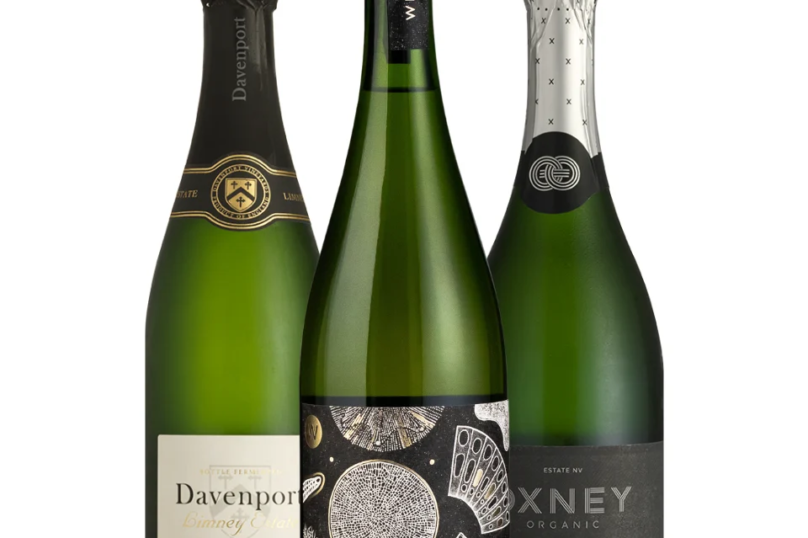
England has quietly built two genuinely credible drinks categories over the past two decades — sparkling wine that’s earned comparisons to Champagne on its own merits, and gin, riding a craft distilling renaissance that’s reshaped how the category is perceived globally. If you’re exploring how to export english sparkling japan buyers are increasingly curious about, alongside English gin, this post covers what each category needs separately to succeed.
England’s rising drinks reputation

What a foreign brand needs to understand
English sparkling wine’s reputation has grown from a genuine surprise a decade ago to a category taken seriously in international wine circles, built on similar chalk-soil terroir to Champagne’s own region and increasingly recognized quality. English gin, meanwhile, has ridden the broader craft gin movement to real global visibility, with distinctive botanical approaches that distinguish it from more traditional London Dry styles. Both categories share something valuable: a genuine, defensible quality story rather than marketing built on novelty alone.
How it plays out in the import process
Neither reputation shortcuts entry mechanics. A foreign producer needs a Japan-based importer of record holding the National Tax Agency liquor license, and that importer files the food import notification with the MHLW quarantine station under the Food Sanitation Act before either category can move toward Japanese consumers.
The practical takeaway
Both categories benefit from leading with their genuine quality credentials rather than positioning as a quirky or novel alternative — Japanese consumers in a premiumizing market respond to real substance, and both English sparkling wine and English gin have it to offer.
Sparkling classification
What a foreign brand needs to understand
English sparkling wine falls under Japan’s wine liquor tax treatment, unified with sake under the Liquor Tax Act, and its classification and labeling need to accurately reflect production method — traditional method sparkling wine carries specific terminology that matters to how the product is understood and valued.
How it plays out in the import process
Getting the classification and any production-method terminology accurate matters both for the liquor tax calculation and for how the label communicates the wine’s actual quality credentials — a sparkling wine mislabeled or under-described in its Japanese version loses some of the specific value it’s trying to convey.
The practical takeaway
Make sure production-method terminology — traditional method, specific dosage levels, vintage designations — carries through accurately in the Japanese label, since these details are core to how a sophisticated buyer evaluates English sparkling wine specifically against Champagne or other sparkling categories.
Gin botanical notes

What a foreign brand needs to understand
English gin’s differentiation often comes down to its specific botanical profile — the particular combination of ingredients that gives a gin its distinctive character. Communicating that profile accurately and appealingly is central to how the product actually competes in a crowded global gin category that’s also active in Japan.
How it plays out in the import process
Botanical ingredients also intersect with the Food Sanitation Act review that happens alongside the food import notification, since ingredient disclosure and additive compliance apply to gin the same way they apply to any imported beverage — meaning the botanical list needs to be both accurately disclosed for compliance and appealingly described for marketing, which are related but distinct tasks.
The practical takeaway
Treat your gin’s botanical story as a genuine differentiator worth translating carefully, not just accurately — the difference between a bare ingredient list and a translation that conveys why those specific botanicals matter is the difference between compliance and actual commercial storytelling.
Label localization
What the regulation requires
Both categories need Japanese labels satisfying the Food Labeling Act and Liquor Tax Act simultaneously, carrying the mandatory under-20 warning, filed through the labeling-method notification with the tax office, and affixed before withdrawal from bond.
The most common compliance gaps
For sparkling wine, common gaps involve production-method terminology losing precision in translation. For gin, common gaps involve botanical lists translated literally without capturing what makes the specific combination distinctive, or additive disclosures that need particular attention given gin’s more complex ingredient profile compared to a simple grain spirit.
How localization handles it
Handled properly, this means treating both categories’ technical vocabulary — sparkling wine’s production terms, gin’s botanical specifics — with translation that preserves both regulatory accuracy and the actual meaning that makes the product worth choosing, coordinated alongside standard compliance review.
Channel fit
How this channel actually works in Japan
Japan’s distribution runs from importer to wholesaler to retail, on-trade, and e-commerce. English sparkling wine tends to fit well in specialty wine retail and on-trade placement alongside or as an alternative to Champagne, while English gin fits into Japan’s active and sophisticated cocktail bar and specialty spirits retail scene, where craft gin already has real consumer interest.
Fit for a foreign brand’s product and price tier
Both categories suit premium positioning well — English sparkling wine competing credibly in the same price tier as quality Champagne, and English gin fitting the craft-and-provenance positioning that Japan’s cocktail culture already responds to.
How JapanPint’s owned channels apply
Through JapanPint’s owned channels — CraftBeer.co.jp, OmoriMart.com, and Jasumo.com — alongside Amazon Japan, Rakuten, and Yahoo Shopping, both categories can build a presence suited to their respective stories — sparkling wine positioned against established premium wine alternatives, gin positioned within Japan’s active craft spirits and cocktail culture.
An England-to-Japan roadmap

What a foreign brand needs to understand
The path to Japan benefits from being mapped out in advance, particularly for a producer bringing both sparkling wine and gin, since the two categories carry different tax classifications, different labeling nuances, and different channel strategies despite sharing the same licensing foundation.
How it plays out in the import process
The roadmap runs: partner with a licensed importer of record holding the NTA liquor license, optionally consult with the quarantine station at the intended port of entry, file the food import notification under the Food Sanitation Act, clear any inspection or bonded-warehouse sampling, settle liquor tax, duty, and the 10% consumption tax for each category specifically, file the labeling-method notification and affix compliant labels before withdrawal from bond, then move through a wholesaler into the appropriate channel for each product.
The practical takeaway
A producer bringing both categories to Japan doesn’t need two entirely separate entry processes, but should expect classification, labeling, and channel strategy to require distinct treatment for sparkling wine versus gin, planned as related but separate efforts.
The real classification, cost, and channel strategy for your specific products depend on the SKU details — which is exactly what a review is for.
Tell us about your product and SKU range through our contact form, and we’ll review where your brand stands for Japan entry. If you prefer email, you can also reach us at su*****@*******nt.com.