Exporting Belgian Beer and Whisky to Japan
 By
By 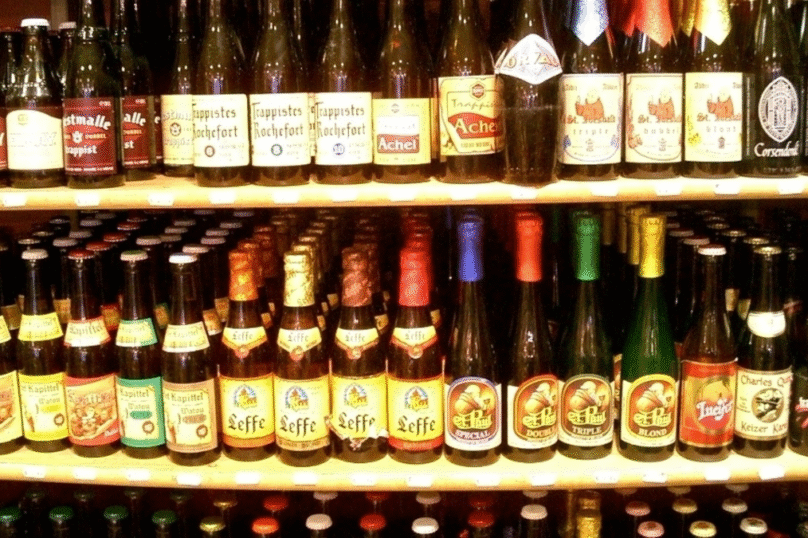
Belgium’s reputation for craft brewing and its growing distilling sector give Belgian brands a strong starting point in Japan’s quality-focused alcohol market. Here’s what it takes to export belgian beer japan buyers want to discover, plus what Belgian whisky brands need to consider.
Belgium’s craft reputation in Japan
What a foreign brand needs to understand
Belgian beer has strong recognition in Japan. Abbey ales, lambics, and other Belgian styles have long attracted Japanese craft-beer enthusiasts and specialty importers. This reputation can give Belgian brands an advantage. Japanese buyers already associate Belgium with brewing tradition, quality, and distinctive styles.
How it plays out in the import process
Reputation can open doors, but it does not guarantee placement. Japan’s craft beer segment remains smaller than the mainstream lager market. It also includes knowledgeable buyers who distinguish distinctive Belgian producers from generic “Belgian-style” products.
A new brand needs a clear story. That story might involve a specific brewing tradition, yeast strain, fermentation method, or regional style. Simply putting “Belgian” on the label is not enough.
The practical takeaway
Lead with what makes your beer distinctive. Explain the style, brewing method, ingredients, or production history. Japanese craft-beer buyers and specialty retailers often value specific product details more than broad claims about Belgium’s reputation.
Belgian whisky and tax considerations
What a foreign brand needs to understand
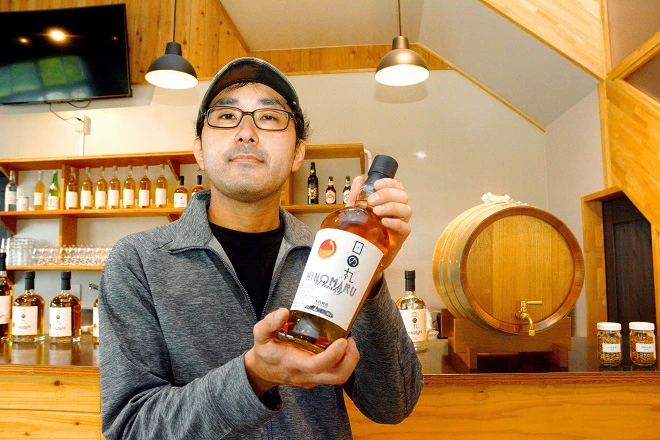
Belgian whisky is a newer category in Japan than Belgian beer. Like other imported spirits, it falls under Japan’s liquor tax system. The final tax treatment depends on the product’s classification and declared characteristics.
Cask-strength and higher-proof expressions require particular care when calculating landed costs. Brands should confirm the applicable classification and current tax treatment before setting Japanese pricing.
How it plays out in the import process
Tax treatment affects landed cost and retail pricing. A higher-strength Belgian whisky may therefore require a different cost calculation from a standard-proof expression.
These calculations should happen before the first shipment. Waiting until the goods arrive can create unexpected costs and force pricing changes.
The practical takeaway
If your range includes standard-proof and cask-strength whiskies, calculate their landed costs separately. Confirm the applicable tax treatment for each SKU before setting your Japanese retail price.
Beer freshness logistics
What a foreign brand needs to understand
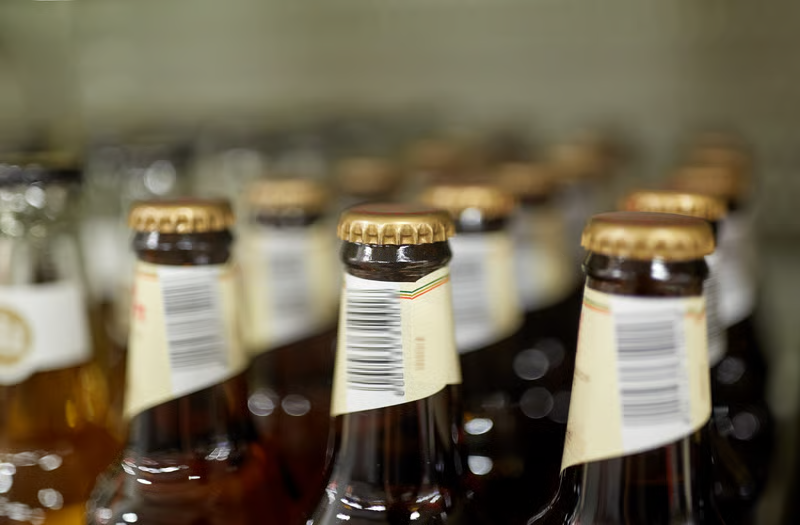
Beer, unlike wine or spirits, has meaningful freshness sensitivity — shipping time, storage conditions, and time-to-shelf all affect how the product actually tastes when a Japanese consumer buys it. This matters more for Belgian beer specifically because much of its appeal lies in nuanced flavor profiles that degrade faster than a straightforward lager might.
How it plays out in the import process
Longer transit times and any delay during food import notification, inspection, or bonded-warehouse processes eat into a beer’s freshness window before it even reaches distribution. This is one of the practical reasons prior consultation with the quarantine station — an optional but strongly advised step — matters more for beer than for shelf-stable categories like spirits: de-risking the first shipment’s timeline protects the product’s actual quality on arrival.
The practical takeaway
When planning a Belgian beer export to Japan, factor freshness into your entire logistics chain — not just import compliance, but storage conditions and distribution speed once the product clears customs. A partner who understands this end-to-end, rather than treating beer like any other dutiable good, will plan the timeline accordingly.
Label localization
What the regulation requires
Belgian beer and whisky labels need Japanese-language disclosure of ingredients and allergens, the Japan-based responsible party’s name and address, ABV and tax category information, and the mandatory under-20 warning — satisfying both the Food Labeling Act and Liquor Tax Act. For beer specifically, this includes accurate disclosure of any specialty ingredients common in Belgian styles, such as coriander, orange peel, or specific yeast-related additives used in some abbey-style beers.
The most common compliance gaps
A common gap for Belgian beer is under-disclosing style-specific ingredients that aren’t obvious from the beer’s name alone — a witbier’s coriander and citrus peel, for instance, needs to be reflected accurately in ingredient disclosure even if the home-market label doesn’t itemize it in detail. For whisky, the common gap is more often ABV-label mismatches on cask-strength or limited-batch releases where the actual proof varies more between batches than a standard blended whisky.
How localization handles it
Reviewing style-specific ingredients against Japanese food-labeling standards — not just translating an existing ingredient statement — catches the beer-specific gap. For whisky, verifying batch-specific ABV against what’s declared in the labeling-method notification, particularly for cask-strength releases, closes the more common whisky-specific gap.
Channel fit
How this channel actually works in Japan
Craft beer in Japan moves through a mix of specialty bottle shops, craft-focused on-trade venues (craft beer bars, taprooms), and increasingly e-commerce, alongside more limited presence in mainstream retail. Whisky, particularly premium and craft expressions, leans more heavily on specialty retail, dedicated whisky bars, and e-commerce, where enthusiast buyers actively seek out lesser-known producers.
Fit for a foreign brand’s product and price tier
Both categories are well suited to curated, quality-focused channels rather than mass retail — Japan’s premiumizing market rewards this positioning, and a small or mid-size Belgian producer generally has more to gain from strong placement in specialty and e-commerce channels than from chasing broad supermarket shelf space it likely can’t win against larger, established brands anyway.
How JapanPint’s owned channels apply
JapanPint distributes through its own channels — CraftBeer.co.jp, OmoriMart.com, and Jasumo.com — alongside Amazon Japan, Rakuten, and Yahoo Shopping. CraftBeer.co.jp in particular gives a Belgian beer brand direct access to an audience already seeking out exactly this kind of specialty product, without needing to independently build relationships with Japan’s craft beer retail and on-trade network from scratch.
A Belgium-to-Japan roadmap
What a foreign brand needs to understand
Exporting Belgian beer or whisky to Japan follows the same core sequence as any alcohol import: a licensed importer of record, prior consultation with the quarantine station, food import notification, duty and liquor tax assessment (with beer and whisky facing different tax treatment), labeling-method notification, and distribution. What’s specific to Belgium is the freshness logistics for beer, the ABV and tax precision needed for whisky, and the positioning opportunity both categories have in Japan’s craft-focused segments.
How it plays out in the import process
In practice, a Belgian producer’s roadmap should address freshness planning early if shipping beer, confirm precise ABV and tax classification early if shipping whisky (especially cask-strength expressions), and build a label that reflects style-specific ingredients accurately for either category — all before the first shipment’s food import notification and labeling-method notification are filed.
The practical takeaway
Belgium’s reputation for craft quality is a genuine asset in the Japanese market, but converting it into actual sales depends on getting the category-specific details right — freshness for beer, tax precision for whisky, and placement in the specialty channels where Japan’s most engaged buyers for both categories actually shop.
Whether your specific beer or whisky range is ready for Japan — and which channels fit your positioning best — comes down to details a general guide can’t answer. A review of your actual product and labels can.
Tell us about your product and SKU range through our contact form, and we’ll review where your brand stands for Japan entry. If you prefer email, you can also reach us at su*****@*******nt.com.