Exporting Australian Wine and Spirits to Japan
 By
By 
Australian wine has built a genuine following in Japan over the past two decades, and Australian spirits — particularly craft whisky and gin — are a newer but fast-growing category with real momentum. Here’s a practical look at what it actually takes to export australian wine japan buyers are increasingly seeking out, alongside the emerging opportunity for Australian spirits.
Australia’s position in Japan
What a foreign brand needs to understand
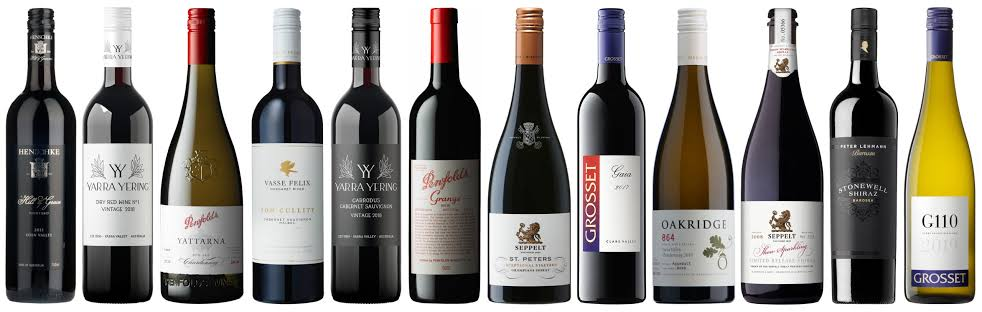
Australian wine holds solid, established recognition in the Japanese market, particularly for varietals like Shiraz and Chardonnay, built through decades of steady import presence and a reputation for reliable quality at accessible-to-premium price points. Australian spirits are a much newer story — Australia’s craft whisky and gin scenes have grown rapidly in international recognition only in the past several years, meaning Japanese buyer awareness is still developing rather than established.
How it plays out in the import process
This difference matters for positioning. An Australian wine brand enters a Japanese market that already understands the category reasonably well, competing on specific quality and story within an established frame. An Australian spirits brand, by contrast, is often introducing Japanese buyers to the category itself — Australian whisky isn’t yet a household reference point the way Scotch or Japanese whisky is — which means more of the early work involves building basic category awareness alongside brand-specific positioning.
The practical takeaway
If you’re an Australian wine brand, focus your positioning on what specifically differentiates your product within a category buyers already respect. If you’re an Australian spirits brand, expect to invest more in explaining why Australian whisky or gin deserves attention at all — a different, earlier-stage kind of market education.
Trade-agreement duty benefits
The variables that drive the number
Duty treatment for Australian alcohol entering Japan is shaped by the Japan-Australia Economic Partnership Agreement, which has affected tariff treatment for various Australian export categories, including wine, over recent years. [VERIFY: current specific duty rates and schedule under the Japan-Australia trade agreement for wine and spirits, as these terms and any phase-in schedules should be confirmed against current guidance.]
A realistic range (not a firm quote)
Beyond any preferential duty treatment, both wine and spirits from Australia are subject to Japan’s standard liquor tax structure — wine unified with the sake tax category, and spirits sitting in the higher spirits tax band with a surcharge above a certain ABV threshold, relevant for cask-strength Australian whisky specifically. The 10% consumption tax applies on top of both.
Why a label and SKU review is needed to be precise
Your actual landed cost depends on your specific product’s classification, ABV, and applicable trade-agreement duty treatment — variables that only resolve into a real number once your product details are reviewed against current terms, not from a general statement about Australian alcohol as a category.
Label localization

What the regulation requires
Australian wine and spirits labels need Japanese-language disclosure of ingredients and allergens (including sulfites for wine), the Japan-based responsible party’s name and address, ABV and tax category, and the mandatory under-20 warning — satisfying both the Food Labeling Act and Liquor Tax Act simultaneously.
The most common compliance gaps
For Australian wine, a common gap mirrors what other wine-exporting countries face: sulfite and allergen disclosure specifics that differ from home-market label conventions. For Australian spirits, particularly newer craft distillers, a more common gap is incomplete additive or flavoring disclosure — since many craft Australian gins use distinctive botanical profiles that need accurate ingredient-level disclosure under Japanese standards, not just a stylized botanical list as might appear on the home-market label.
How localization handles it
For wine, a back-label approach that preserves regional and varietal information on the front label while adding Japanese disclosures separately tends to work well. For spirits with distinctive botanical or flavoring profiles, a careful ingredient-by-ingredient review against Japanese food-labeling standards — rather than translating a marketing-style botanical list directly — closes the more common gap for that category.
Category opportunities
What a foreign brand needs to understand
Japan’s alcohol market is premiumizing — flat to declining in volume, but holding value as consumers trade up for quality and story. This dynamic favors both Australian wine at the premium end and Australian craft spirits generally, since neither category competes well on volume or price against larger, more established players, but both have genuine quality and story to offer a market that rewards exactly that.
How it plays out in the import process
For wine, this means leaning into specific regional identity — a particular Australian wine region’s character, a specific winemaking approach — rather than a generic “Australian wine” pitch. For spirits, particularly whisky and gin, this means leading with the genuine craft story: distillery founding, production method, distinctive botanicals or cask program, since that’s what will differentiate an Australian spirit in a market still forming its impression of the category.
The practical takeaway
Both wine and spirits benefit from specificity over category-level positioning, but spirits brands in particular should expect their marketing and in-market storytelling to do more foundational work, since Japanese buyers have less existing context for Australian spirits than for Australian wine.
Channel fit
How this channel actually works in Japan
Australian wine moves through channels similar to other imported wine — specialty wine retail, on-trade (restaurants, wine bars), and increasingly e-commerce. Australian spirits, given their earlier stage of category recognition, currently lean more heavily on specialty spirits retail, dedicated bars, and e-commerce, where more engaged, exploratory buyers are more likely to try an unfamiliar category.
Fit for a foreign brand’s product and price tier
A mid-tier Australian wine brand can reasonably target a mix of specialty retail and broader e-commerce presence. An Australian craft spirits brand, still building category awareness, is generally better served by concentrated presence in specialty and enthusiast-focused channels first, building a reputation there before attempting broader retail placement.
How JapanPint’s owned channels apply
JapanPint distributes through its own channels — CraftBeer.co.jp, OmoriMart.com, and Jasumo.com — alongside Amazon Japan, Rakuten, and Yahoo Shopping. This combination lets an Australian wine brand access both curated and broad-marketplace visibility, while giving an Australian spirits brand a place to build early presence among engaged buyers through specialty-focused channels before scaling into wider retail.
An Australia-to-Japan roadmap
What a foreign brand needs to understand
Exporting Australian wine or spirits to Japan follows the same core sequence as any alcohol import: a licensed importer of record, prior consultation with the quarantine station, food import notification, duty and liquor tax assessment (with trade-agreement terms worth confirming), labeling-method notification, and distribution. What differs between the two categories is largely the positioning and channel-building work required.
How it plays out in the import process
In practice, an Australian wine brand’s roadmap should focus on clear regional and varietal positioning within an already-receptive category. An Australian spirits brand’s roadmap should build in more time and effort for category education, concentrated specialty-channel presence, and a genuine story that gives Japanese buyers a reason to try an unfamiliar spirits category in the first place.
The practical takeaway
Australia brings real credibility to the Japanese alcohol market — established for wine, emerging for spirits — but converting that credibility into sales depends on matching your positioning and channel strategy to where your specific category actually stands with Japanese buyers today.
Whether your specific wine or spirits range is positioned, labeled, and priced correctly for where Japanese buyer awareness currently sits is exactly the kind of detail a proper review of your product can clarify.
Tell us about your product and SKU range through our contact form, and we’ll review where your brand stands for Japan entry. If you prefer email, you can also reach us at su*****@*******nt.com.