Back-Label Stickers vs. Reprinted Labels: Which Is Right for Japan?
 By
By 
The back label sticker japan question comes up almost every time a brand realizes its existing packaging wasn’t designed with a Japanese-language label in mind. Both a supplementary sticker and a full reprint can get a product compliant — but they’re not interchangeable decisions, and the right one depends on the product, the timeline, and the brand itself.
When a sticker is acceptable
What a foreign brand needs to understand
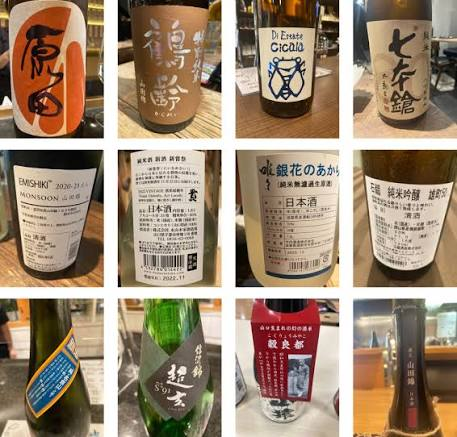
A supplementary back-label sticker carrying the required Japanese-language information can, for many products, satisfy compliance requirements without a full label redesign — but whether it’s acceptable for a specific product depends on the existing label’s layout, the product category, and current NTA and tax office requirements, and this should be confirmed rather than assumed for each SKU [VERIFY].
How it plays out in the import process
Where a sticker approach is viable, it still has to go through the same labeling-method notification process as a full redesign, and the sticker itself has to satisfy the Food Labeling Act and Liquor Tax Act requirements in full — including the mandatory under-20 warning — not a reduced version of them.
The practical takeaway
Don’t assume a sticker is automatically an option just because it’s cheaper and faster in principle. Confirm viability for your specific product and existing label design before committing to it as your localization approach.
When a full reprint is required
What a foreign brand needs to understand
A full reprint becomes necessary when the existing label design genuinely doesn’t have room for a sticker to carry all required information legibly, when brand standards require a fully integrated look rather than an added element, or when a product’s existing label already has compliance gaps significant enough that patching with a sticker wouldn’t resolve them.
How it plays out in the import process
A full reprint means the localization work happens as an integrated design pass — translation, layout, and compliance review all shaping one finished label — before that label goes through the labeling-method notification process and gets affixed ahead of withdrawal from bond.
The practical takeaway
If your existing label design is dense, small-format, or already tight on space, plan for a full reprint from the outset rather than discovering partway through that a sticker won’t actually fit the required information legibly.
Cost and lead-time comparison
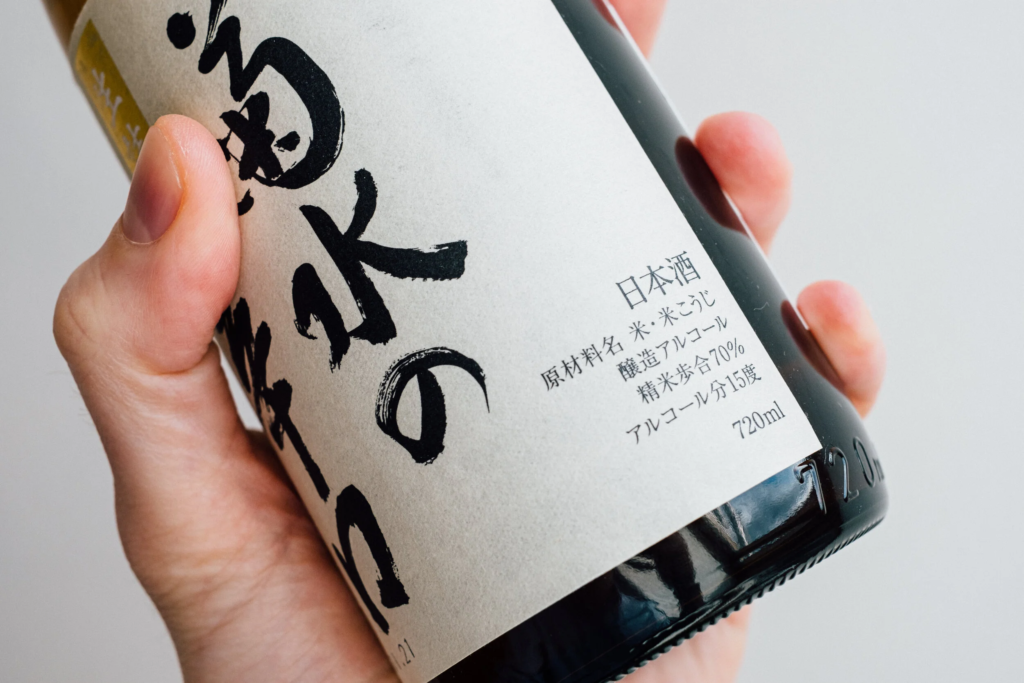
How the two options actually differ
A sticker approach adds a supplementary element to an otherwise unchanged label; a full reprint replaces the label design itself. That’s a meaningfully different scope of work — a sticker touches one component, a reprint touches all of them.
Cost, speed and control trade-offs
Where viable, stickers are generally the lower-cost, faster-to-implement option, since they require less design work and don’t touch the brand’s existing packaging elsewhere. A full reprint takes longer and costs more, but gives complete control over how the finished product looks on shelf, without an added element that reads as an afterthought.
How to decide which fits your situation
The decision comes down to weighing brand presentation against speed and cost for your specific situation — a brand testing the market with a smaller first shipment may reasonably prioritize the sticker’s speed and lower cost, while a brand making a larger, longer-term commitment to the Japanese market may prefer the full reprint’s cleaner presentation from the start.
Aesthetic and brand implications
What a foreign brand needs to understand
A back-label sticker is visible on the product, and how it looks matters to how the brand is perceived on a Japanese shelf — a well-designed sticker that matches the brand’s visual language reads very differently from one that looks like a compliance patch bolted onto an otherwise untouched label.
How it plays out in the import process
Because Japan is a premiumizing market where positioning matters, a sticker that undermines a brand’s premium presentation can work against the exact positioning strategy the brand is relying on to succeed. This is a real consideration, not just a cosmetic one.
The practical takeaway
If you go the sticker route, invest in making it look intentional — matched typography, color, and placement — rather than treating it as a purely functional afterthought. The cost difference between a thoughtful sticker and a careless one is small; the perception difference isn’t.
Regulatory acceptance of stickers
What a foreign brand needs to understand
Stickers aren’t a workaround or a lesser form of compliance — where they’re accepted, they carry the same regulatory weight as an integrated label design, and they’re reviewed against the same Food Labeling Act and Liquor Tax Act standards.
How it plays out in the import process
The labeling-method notification filed with the tax office covers the label as it will actually appear on the product — sticker included — so the notification process doesn’t distinguish between a sticker and a printed label in terms of the scrutiny applied.
The practical takeaway
Treat a sticker with exactly the same compliance rigor you’d apply to a full label redesign. The fact that it’s smaller or added later doesn’t reduce what it needs to satisfy.
Choosing per SKU and per market
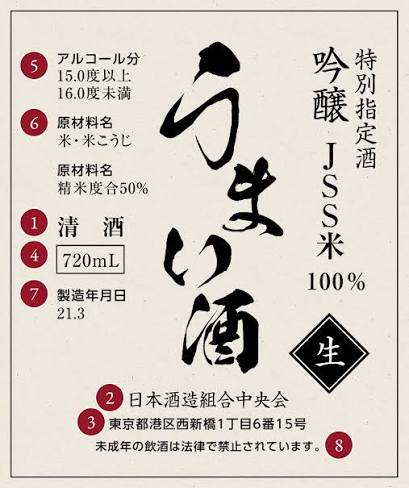
How this channel actually works in Japan
Different SKUs within the same brand can reasonably take different approaches — a flagship product going into premium retail might warrant a full reprint, while a limited or seasonal SKU testing the market might use a sticker — and the decision can also vary depending on which channel a given SKU is targeting.
Fit for a foreign brand’s product and price tier
Premium price-tier products headed for specialty retail or on-trade placement generally benefit more from the polish of a full reprint, where presentation carries real commercial weight with buyers and consumers. A SKU aimed primarily at e-commerce or marketplace channels, where the product is discovered through search and description rather than shelf presence, may tolerate a well-executed sticker with less commercial downside.
How JapanPint’s owned channels apply
Across JapanPint’s owned channels — CraftBeer.co.jp, OmoriMart.com, and Jasumo.com — alongside Amazon Japan, Rakuten, and Yahoo Shopping, the right localization approach can be matched to the specific channel each SKU is targeting, rather than applying one blanket decision across an entire product line regardless of how different SKUs are actually positioned to sell.
Whether a sticker or a reprint is the right call for your product depends entirely on your existing label design and target channel — which is exactly what a label-and-SKU review is for.
Tell us about your product and SKU range through our contact form, and we’ll review where your brand stands for Japan entry. If you prefer email, you can also reach us at su*****@*******nt.com.