Alcohol Content and Volume: Getting the Numbers Right on a Japanese Label
 By
By 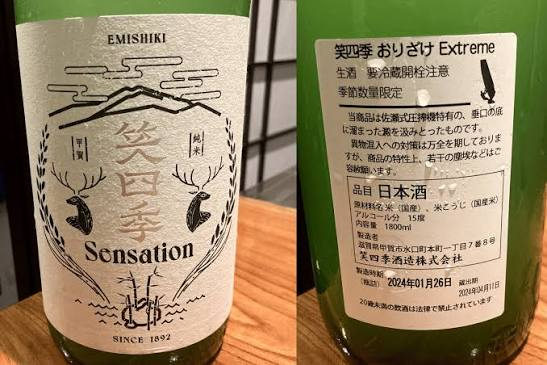
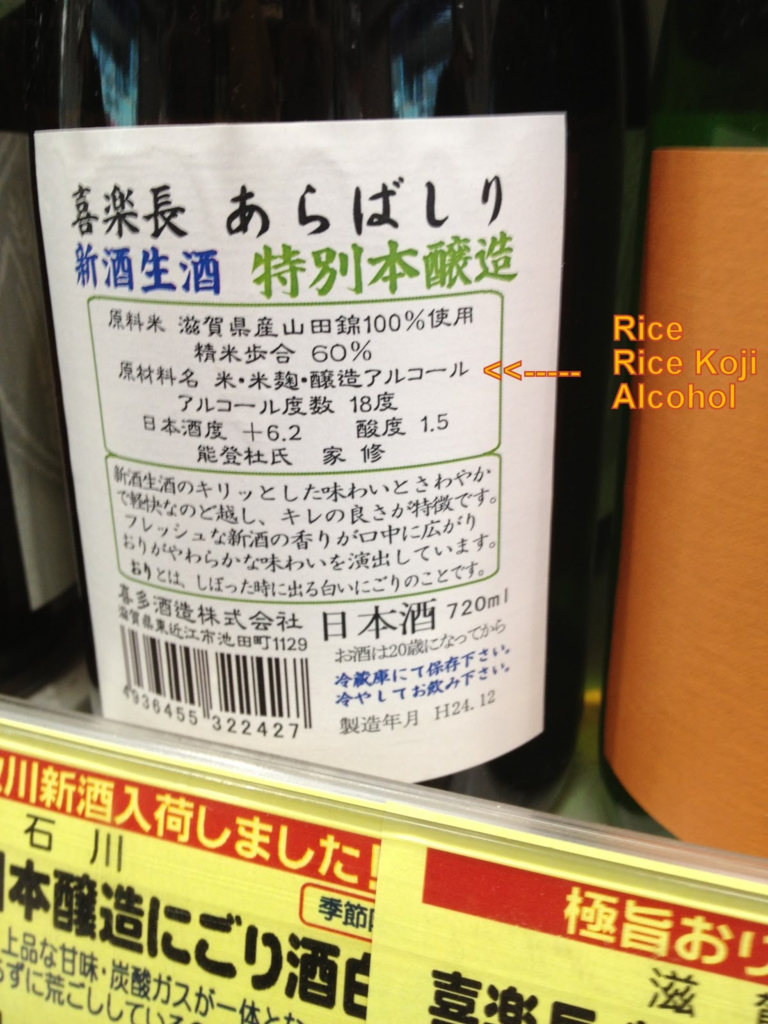
Of all the label details that seem too small to worry about, ABV and net volume are the two most likely to actually stop a shipment at bond. Getting the abv label japan requirements right isn’t complicated once you know the rules — but it’s exactly the kind of detail that’s easy to overlook when a brand is focused on translating marketing copy instead.
How ABV must be expressed
The direct answer up front
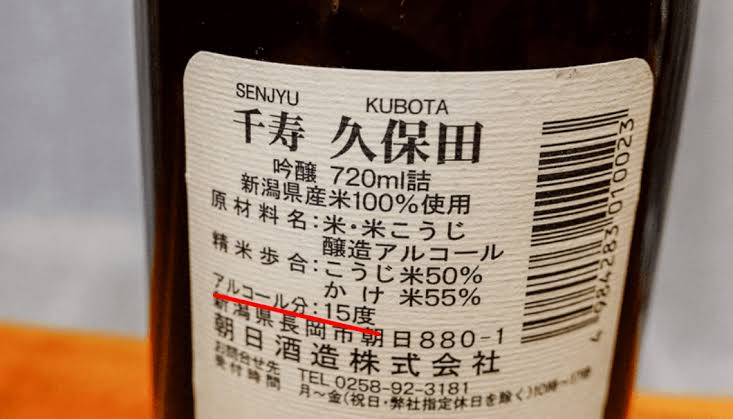
Japanese alcohol labels require the alcohol content to be clearly stated in a format compliant with the Liquor Tax Act, alongside the rest of the mandatory label information. The precise formatting convention — whether expressed as “度” (do), as a percentage, or in another accepted format, and any specific placement or type-size requirement — should be confirmed against current NTA labeling guidance for the specific beverage category before finalizing artwork [VERIFY].
What the answer depends on in practice
The exact expression can vary somewhat by category — spirits, wine, and beer don’t necessarily follow identical conventions — and it also interacts with the Liquor Tax Act’s surcharge threshold above 37% ABV, which is a category where accurate labeling matters for the tax calculation itself, not just for the consumer-facing label.
A concrete example for a foreign brand
A cask-strength bourbon at 55% ABV, for instance, needs its alcohol content stated in the correct format not only because labeling regulations require it, but because that figure is what determines whether the surcharge threshold applies to the product’s tax assessment — meaning an inaccurate ABV statement isn’t just a labeling problem, it can misstate the tax owed.
Volume and net-content rules
The items that matter most
Net volume — the actual quantity of liquid in the bottle — has to be stated clearly on the Japanese label in a compliant format, alongside ABV, the product name, country of origin, ingredient list, importer name, and the mandatory under-20 warning.
Why each one is required
Each of these elements exists to satisfy either the Food Labeling Act, the Liquor Tax Act, or both at once — net volume specifically ties to consumer protection and standard measurement disclosure, and it’s checked as part of the overall label review before a labeling-method notification can be filed with the tax office.
How to prepare them correctly
The most reliable way to get net volume correct is to confirm the exact bottle fill volume against what the label states — a mismatch between declared and actual volume is one of the more mechanical, avoidable errors a label review is meant to catch, and it’s worth checking directly against production specs rather than assuming the home-market label figure carries over unchanged.
Rounding and tolerance

What a foreign brand needs to understand
ABV in particular is rarely identical batch to batch — natural variation exists in production — which raises the question of how much rounding or tolerance is acceptable on a Japanese label relative to the actual tested content of a given batch.
How it plays out in the import process
Any specific tolerance standard for how far a labeled ABV can vary from tested content should be confirmed against current regulatory guidance rather than assumed, since getting this wrong risks a label that reads as accurate but doesn’t match what lab testing at the bonded warehouse actually finds [VERIFY].
The practical takeaway
Rather than guessing at an acceptable rounding margin, treat this as a specific question to raise during label review — confirming the applicable tolerance for your product category before printing, rather than discovering after testing that your stated ABV was outside an acceptable range.
Consistency with customs declarations
What a foreign brand needs to understand
The ABV and volume figures on the label aren’t isolated from the rest of the import process — they need to match what’s declared to customs and what’s used in the liquor tax and duty calculation. A discrepancy between the label and the declaration is the kind of inconsistency inspection is specifically designed to catch.
How it plays out in the import process
At the point of customs assessment and any bonded-warehouse inspection, officials can compare the label’s stated figures against the declared values and, where the shipment is selected for testing, against actual lab results. A mismatch at any point in that chain can trigger further scrutiny or delay release from bond.
The practical takeaway
Keep the label, the customs declaration, and the actual production specs aligned as one consistent set of numbers from the start, rather than treating them as separate documents prepared by different people at different times.
Common numeric errors
What a foreign brand needs to understand
The numeric errors that show up most often aren’t complicated regulatory failures — they’re transcription and consistency mistakes: an ABV carried over from an outdated production batch, a volume figure that reflects an old bottle size after a packaging change, or a decimal point rounding inconsistency between the label and the customs paperwork.
How it plays out in the import process
These errors are often invisible until a shipment is actually inspected or tested, at which point a labeled figure that doesn’t match lab results or customs declarations becomes a genuine hold-up rather than a minor discrepancy.
The practical takeaway
Treat ABV and volume as living data points tied to your current production run, and re-verify them every time a label is reprinted or a batch changes — not just once when the label was first designed.
Pre-print verification
What a foreign brand needs to understand
Once a label is printed and affixed, correcting a numeric error means reprinting and re-affixing, which costs real time and money at a stage of the process where a shipment may already be waiting at a bonded warehouse. Verification before printing is dramatically cheaper than correction after.
How it plays out in the import process
A pre-print verification step — checking ABV, volume, and every other mandatory figure against current production specs and current regulatory format requirements — happens as part of the labeling-method notification process, ideally with enough lead time to catch and fix any issue before the label goes to press, let alone before goods reach port.
The practical takeaway
Build a final numeric check into your label timeline as a distinct step, not an assumed part of translation — confirming ABV, volume, and format against both current production data and current regulatory requirements before a single label is printed.
Getting these numbers right the first time comes down to reviewing your actual product specs against current requirements — which is exactly what a label-and-SKU review is for.
Tell us about your product and SKU range through our contact form, and we’ll review where your brand stands for Japan entry. If you prefer email, you can also reach us at su*****@*******nt.com.