Exporting Korean Soju and Asian Spirits to Japan
 By
By 
Korean soju enters the Japanese market with a genuine advantage most foreign spirits categories don’t have: geographic proximity, cultural familiarity through Korean cuisine and entertainment’s popularity in Japan, and a domestic spirits tradition — shochu — that gives Japanese consumers an immediate reference point. Here’s what it actually takes to export soju japan buyers already have context for.
The neighbouring-market dynamic
How this channel actually works in Japan
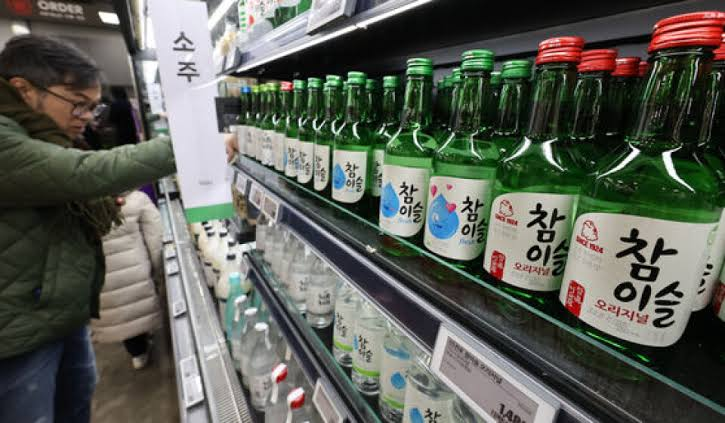
Korean soju benefits from a genuinely different starting position than most imported spirits: Japan’s proximity to Korea, the widespread popularity of Korean food, entertainment, and culture in Japan, and existing consumer exposure through Korean restaurants and izakaya-adjacent venues mean soju isn’t an unfamiliar product being introduced cold. Many Japanese consumers have already encountered it, even if they haven’t purchased it directly for home consumption.
Fit for a foreign brand’s product and price tier
This existing familiarity works particularly well for accessible, everyday-positioned soju aimed at retail and e-commerce, where the Korean-food-culture connection can be leveraged directly rather than requiring the extensive category education a more unfamiliar spirit would need. A premium or craft soju brand can also succeed, but should still expect a shorter education curve than most other imported spirits categories face.
How JapanPint’s owned channels apply
JapanPint’s owned channels — CraftBeer.co.jp, OmoriMart.com, and Jasumo.com — alongside Amazon Japan, Rakuten, and Yahoo Shopping give a soju brand access to both curated specialty positioning and the broader marketplace visibility suited to a category with genuine mainstream accessibility potential, given how much cultural familiarity already exists.
Classification of soju in Japan
What a foreign brand needs to understand
Soju’s tax classification under Japan’s Liquor Tax Act depends on its specific production method and characteristics — some soju may classify similarly to shochu given production and distillation similarities, while other styles may fall into different spirits categories depending on their specific characteristics. [VERIFY: exact classification criteria and how they apply to specific soju production methods, as this determination should be confirmed directly against current Liquor Tax Act category definitions.]
How it plays out in the import process
Getting this classification right matters directly for tax liability and for how the labeling-method notification is filed — soju that’s classified incorrectly, or classified without a clear basis, risks review delay as the correct category is confirmed. This is a genuinely technical determination that depends on your specific product’s production details, not a generalization that applies uniformly to “soju” as a single category.
The practical takeaway
Provide your import partner with detailed production information for your specific soju — distillation method, base ingredients, any distinguishing production characteristics — early in the process, so classification can be confirmed accurately before your labeling-method notification is filed, rather than discovered as an issue during review.
Label localization
What the regulation requires
Soju labels need Japanese-language disclosure of ingredients, the Japan-based responsible party’s name and address, ABV and tax category, and the mandatory under-20 warning — satisfying both the Food Labeling Act and Liquor Tax Act simultaneously, same as any spirits category.
The most common compliance gaps
A common gap for soju is Korean-language terminology on the original label — whether flavor descriptions, production terms, or brand elements — that needs accurate Japanese handling rather than assuming Korean-to-Japanese familiarity will carry meaning that a direct translation might miss. Flavored soju varieties, increasingly common in the category, also need accurate additive and flavoring disclosure specific to whatever fruit or flavor components are used.
How localization handles it
Working from an accurate understanding of what the original Korean label actually communicates — not just a literal translation — and applying that to Japanese-language mandatory disclosures ensures both the required compliance content and the product’s genuine character come through correctly. For flavored varieties, a careful ingredient-level review against Japanese food-labeling standards for each specific flavoring closes this gap.
Positioning against shochu

How this channel actually works in Japan
Shochu is a well-established, deeply familiar Japanese domestic spirit, and soju’s similarity to it — both are distilled spirits with some overlapping production heritage — means Japanese consumers will inevitably compare the two. This comparison can work in a soju brand’s favor (an easy category bridge) or create a positioning challenge (why choose soju over an already-trusted domestic shochu) depending on how it’s handled.
Fit for a foreign brand’s product and price tier
The stronger positioning path generally leans into what’s genuinely distinctive about soju relative to shochu — different production traditions, flavor profile, or the specific cultural association with Korean cuisine and social drinking culture — rather than positioning soju as simply “Korean shochu,” which undersells the category’s own identity and invites an unfavorable comparison to an entrenched domestic product.
How JapanPint’s owned channels apply
A channel strategy that pairs soju with its cultural food context — Korean cuisine, Korean-style dining and social occasions — tends to resonate more than a straight spirits-category comparison to shochu. JapanPint’s owned e-commerce channels can support this kind of contextual positioning alongside broader marketplace listings for wider reach.
Channel fit
How this channel actually works in Japan
Soju in Japan moves through retail, e-commerce, and on-trade channels, with a particular natural fit in venues and retail contexts already associated with Korean food and culture — Korean restaurants, relevant retail sections, and increasingly mainstream retail as the category’s popularity has grown alongside broader interest in Korean culture.
Fit for a foreign brand’s product and price tier
An accessible, everyday-positioned soju fits well with broad retail and e-commerce placement, leveraging existing cultural familiarity for relatively quick consumer adoption. A premium or craft-focused soju brand may benefit from more curated specialty placement initially, building a distinct identity before pursuing broader retail presence.
How JapanPint’s owned channels apply
The combination of JapanPint’s curated e-commerce channels and major marketplace listings supports either strategy — broad accessible placement for a mainstream soju brand, or more curated initial positioning for a premium expression looking to establish distinct category identity before scaling up.
A Korea-to-Japan roadmap
What a foreign brand needs to understand
Exporting soju to Japan follows the same core import sequence as any spirits category: a licensed importer of record, prior consultation with the quarantine station, food import notification, duty and liquor tax assessment (with classification confirmed carefully), labeling-method notification, and distribution. What’s specific to soju is the genuine cultural head start the category has, balanced against the need for clear positioning relative to Japan’s own shochu tradition.
How it plays out in the import process
In practice, a soju producer’s roadmap should confirm tax classification early given the category’s production-method nuances, build a label that accurately reflects the product’s specific character rather than a generic translation, and develop a positioning strategy that leans into soju’s own distinct identity rather than defining it purely in relation to shochu.
The practical takeaway
Korean alcohol japan demand is real and growing, supported by genuine cultural familiarity most imported categories don’t enjoy — but converting that familiarity into sustained sales depends on accurate classification, compliant labeling, and a positioning strategy that gives soju its own clear identity in a market that already has a strong domestic spirit in the same general space.
Whether your specific soju’s classification, labeling, and positioning are ready for the Japanese market is exactly the kind of detail a proper review of your product can clarify.
Tell us about your product and SKU range through our contact form, and we’ll review where your brand stands for Japan entry. If you prefer email, you can also reach us at su*****@*******nt.com.