The Difference Between a Customs Broker, a Forwarder and an Importer of Record
 By
By 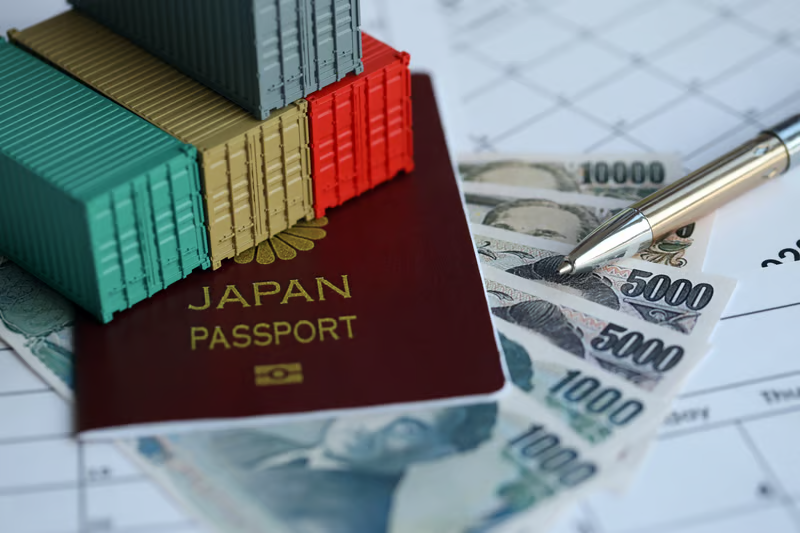
Three roles come up constantly when foreign brands plan to ship alcohol into Japan: customs broker, freight forwarder, and importer of record.
These roles can overlap, but they do not mean the same thing. Knowing the difference helps you choose the right partner and avoid gaps in your import process.
What a customs broker does

The direct answer up front
A customs broker handles the customs clearance process. The broker prepares and submits customs declarations, helps classify the goods, calculates duties and taxes, and manages the paperwork required for customs clearance.
The role focuses on getting the shipment through Japan Customs correctly.
What the role covers in practice
A customs broker does not automatically provide the liquor license or take responsibility for every regulatory requirement that applies to imported alcohol.
For example, a broker may handle customs declarations while another company acts as the licensed importer. The same company can sometimes provide both services, but you should confirm exactly which responsibilities it accepts.
A concrete example for a foreign brand
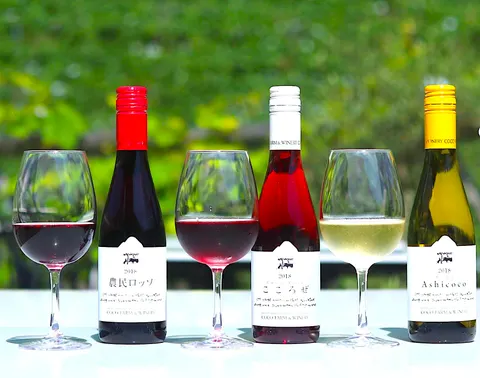
A Chilean wine producer might use a customs broker to prepare the customs declaration and calculate the applicable duties.
The broker may handle the customs paperwork, while a separate Japanese importer holds the relevant liquor license and manages other regulatory requirements.
The key point is simple: customs clearance does not automatically make a company your importer of record.
What a freight forwarder does
The direct answer up front
A freight forwarder manages the physical movement of goods. The forwarder can book ocean or air freight, coordinate with carriers, arrange transport, and manage logistics documents.
The main goal is to move the shipment from the supplier to its destination efficiently.
What the role covers in practice
A freight forwarder for alcohol imports to Japan does not automatically handle liquor licensing or regulatory filings.
Some forwarders also offer customs brokerage or other import services. However, you should confirm those services separately rather than assume that every forwarder provides them.
A concrete example for a foreign brand
A South African spirits brand might hire a freight forwarder to move a shipment from Cape Town to a Japanese port.
The forwarder can arrange the transport and coordinate the shipment. Another party may still need to handle the liquor license, import notifications, customs clearance, and Japanese labeling requirements.
That distinction matters because getting the goods to Japan does not mean they are ready for distribution in Japan.
What an importer of record does
The direct answer up front
The importer of record takes responsibility for the import transaction and ensures that the shipment meets the applicable Japanese requirements.
For alcohol, this role typically involves working with the relevant liquor license, customs procedures, food import requirements, tax obligations, and labeling requirements.
The importer may handle these tasks directly or coordinate them with specialist partners.
What the role covers in practice
The exact structure can vary.
An importer of record may handle customs clearance and freight coordination internally. Alternatively, it may appoint a customs broker and freight forwarder while retaining responsibility for the import arrangement.
The important question is not how many companies appear on the shipping documents. It is which company accepts responsibility for the import and has the licenses and registrations required for its role.
A concrete example for a foreign brand
JapanPint can act as the importer for a foreign alcohol brand and coordinate the different parts of the import process.
A customs broker can handle customs clearance. A freight forwarder can manage transportation. JapanPint can coordinate the regulatory side and the import process as the responsible Japanese partner.
This structure gives the brand one clear point of contact instead of requiring it to manage several unrelated providers.
Why brands confuse the three

The direct answer up front
The confusion makes sense. All three roles help move a product into Japan. All three may handle documents. Some companies also offer more than one of these services.
However, their responsibilities differ.
A freight forwarder focuses on transportation. A customs broker focuses on customs clearance. An importer of record takes responsibility for the import arrangement and the regulatory requirements that apply to its role.
What the distinction means in practice
Understanding import roles in Japan matters most when you choose your first partner.
A company may advertise “Japan import services” without acting as your licensed importer. Another company may offer customs clearance without handling your liquor licensing or food import procedures.
Ask exactly what the provider will do before you sign an agreement.
A concrete example for a foreign brand
A brand might hire a freight forwarder and assume that the forwarder will also arrange the legal import requirements.
The shipment then reaches Japan, but the brand discovers that another party must handle the liquor license and regulatory filings.
The problem is not necessarily the forwarder. The problem is that the brand never confirmed who handled each responsibility.
Clear role allocation prevents this gap.
Who carries regulatory responsibility?
The direct answer up front
The party responsible for each regulatory requirement depends on the import structure and the legal role that party accepts.
The customs broker handles the customs work assigned to it. The freight forwarder handles the logistics work assigned to it. The licensed importer handles the regulatory responsibilities that come with its import role.
Do not assume that one provider automatically accepts every liability connected to the shipment.
What this means in practice
A professional customs broker can provide excellent customs clearance without becoming responsible for your entire product’s regulatory compliance.
Likewise, a reliable freight forwarder can deliver your shipment on schedule without holding the liquor license needed for the import.
The safest approach is to identify the responsible party for every major requirement before the shipment leaves the supplier.
A concrete example for a foreign brand
Suppose an Australian beer shipment raises a question about its Japanese labeling.
The brand should already know which Japanese partner handles that issue. The answer should not depend on whether the freight forwarder or customs broker happens to be available that day.
Clear responsibility makes problems easier to resolve.
Assembling the right team for Japan

What a foreign brand needs to understand
You don’t need to personally coordinate a customs broker, a freight forwarder, and a separately licensed importer of record — but you do need clarity on whether your prospective partner is combining these functions under one accountable relationship, or whether you’re expected to assemble and coordinate them yourself.
How it plays out in the import process
A single-point-of-accountability structure, where one partner holds the license, manages the notifications, and coordinates whatever customs brokerage and freight logistics are needed, removes the coordination burden from the brand entirely. A fragmented structure, where a brand hires a broker here and a forwarder there and hopes the licensing question is covered by someone, introduces exactly the kind of hand-off risk that causes delays and unclear accountability when something goes wrong.
The practical takeaway
When evaluating any partner for your Japan entry, ask directly which of these three roles — broker, forwarder, importer of record — they’re actually performing, and whether the underlying liquor license and notification filings are covered by them or left for you to arrange elsewhere. A clear, specific answer to that question tells you more about a partner’s suitability than almost anything else you could ask.
Knowing exactly who’s licensed, who’s liable, and who’s simply moving boxes is the kind of clarity that protects your brand before a shipment is ever underway. If you want a straight answer about how these roles are handled for your specific product, that’s worth a direct conversation.
Tell us about your product and SKU range through our contact form, and we’ll review where your brand stands for Japan entry. If you prefer email, you can also reach us at su*****@*******nt.com.