Importing Non-Alcoholic and Low-Alcohol Beverages Into Japan
 By
By 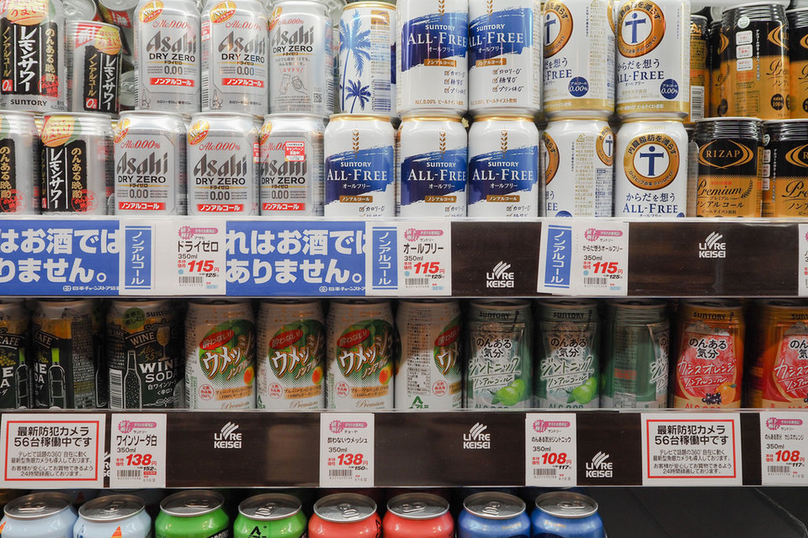
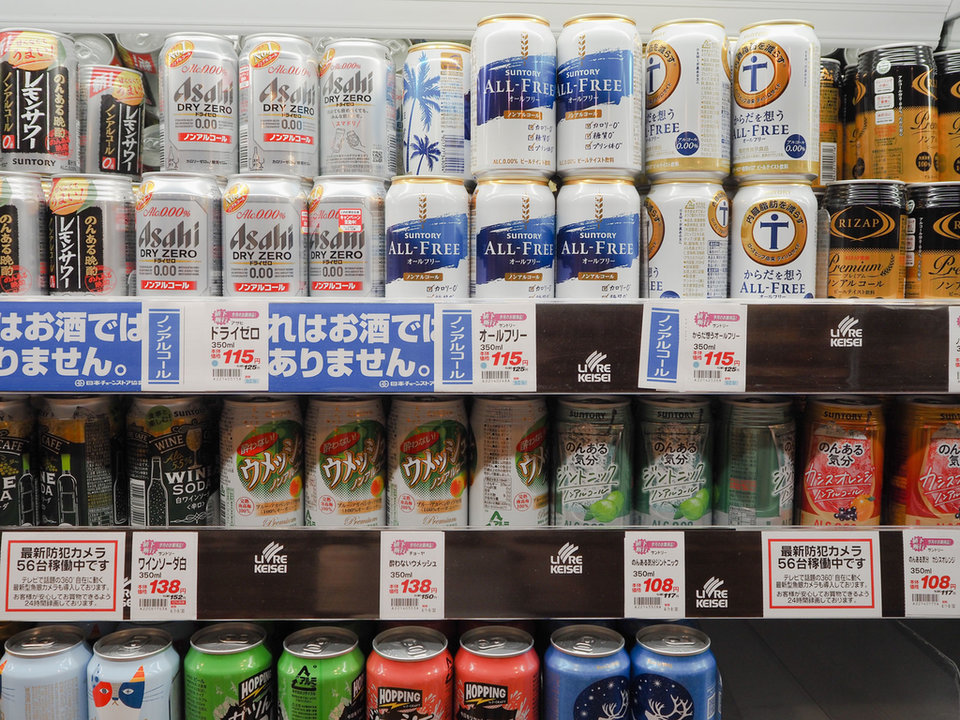
Low- and non-alcoholic beverages represent one of the genuinely fastest-growing categories in Japan’s drinks market, even starting from a small base — and they occupy a distinct regulatory position worth understanding on its own terms, since crossing below a specific ABV threshold changes a product’s treatment in ways that matter directly to cost and process. This post covers what’s involved to non alcoholic import japan consumers are increasingly seeking.
Where the 1% ABV line sits
What a foreign brand needs to understand
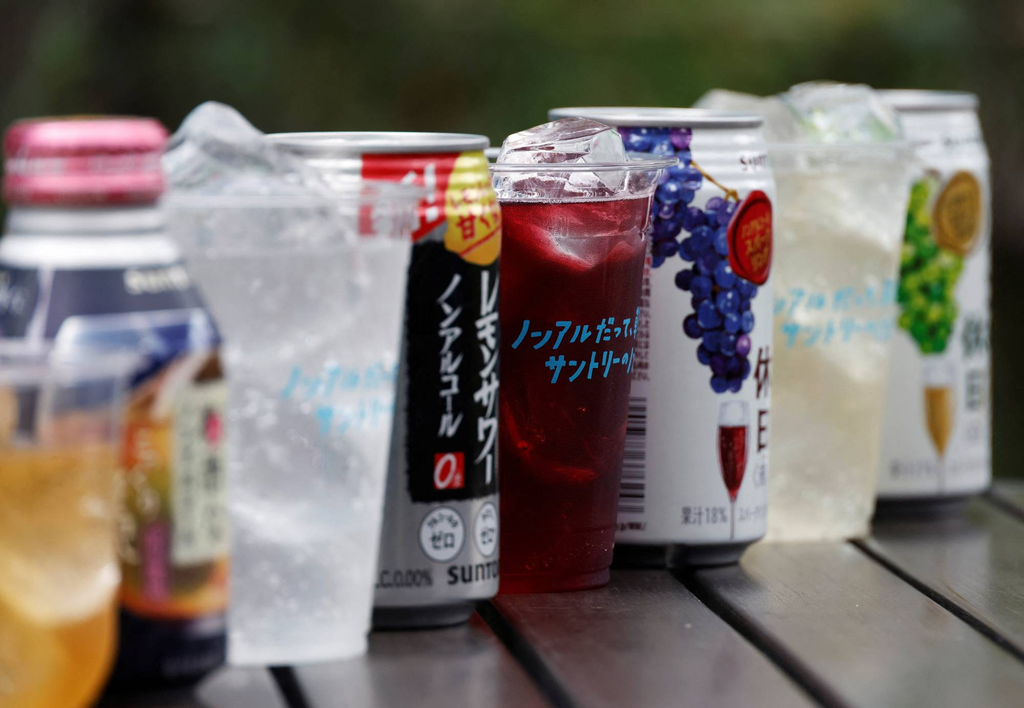
Japan’s regulatory treatment of a beverage as alcoholic versus non-alcoholic for liquor tax and licensing purposes generally hinges on a specific ABV threshold — commonly referenced around 1% ABV, below which a product may be treated as non-alcoholic rather than falling under standard alcohol licensing and liquor tax requirements. The exact current threshold and its precise application should be confirmed directly rather than assumed [VERIFY].
How it plays out in the import process
Where this threshold applies, a product below it may follow an entirely different import path — standard food import rules under the Food Sanitation Act without the alcohol-specific licensing, liquor tax, and Liquor Tax Act labeling requirements that apply above the threshold, a genuinely different and generally simpler process.
The practical takeaway
Confirm your specific product’s exact ABV against the current relevant threshold before assuming which regulatory path applies — this is a case where crossing or staying below a specific line changes the entire process, not just the tax calculation within a shared framework.
When products escape liquor tax
What a foreign brand needs to understand
A genuinely non-alcoholic product, falling below the relevant ABV threshold, generally doesn’t face Japan’s liquor tax structure at all — this represents a meaningfully different cost picture than even the lowest-taxed alcoholic beverage category, since liquor tax simply doesn’t apply to a product classified as non-alcoholic.
How it plays out in the import process
This distinction matters directly to landed-cost calculation — a non-alcoholic beverage’s cost structure looks more like a standard food or beverage import than an alcohol import, without the liquor tax component that this entire series has covered as a central cost driver for actual alcohol products.
The practical takeaway
If your product genuinely falls below the relevant ABV threshold, don’t apply the alcohol-specific cost and licensing framework covered throughout this series by default — confirm whether the simpler non-alcoholic import path actually applies to your specific product first.
FSA treatment of NA drinks
What a foreign brand needs to understand
Even a genuinely non-alcoholic beverage still falls under Food Sanitation Act requirements as a food/beverage product — the food import notification process, ingredient and additive compliance, and general food safety standards still apply, even though the alcohol-specific Liquor Tax Act requirements don’t.
How it plays out in the import process
This means a non-alcoholic beverage isn’t exempt from import compliance requirements entirely — it follows a standard food import path rather than the alcohol-specific path, but that standard path still involves real requirements around ingredient disclosure, additive compliance, and the food import notification itself.
The practical takeaway
Treat a non-alcoholic beverage import as requiring genuine Food Sanitation Act compliance, even though it escapes the alcohol-specific licensing and liquor tax requirements — this isn’t an unregulated category, just a differently regulated one.
Label considerations
What the regulation requires
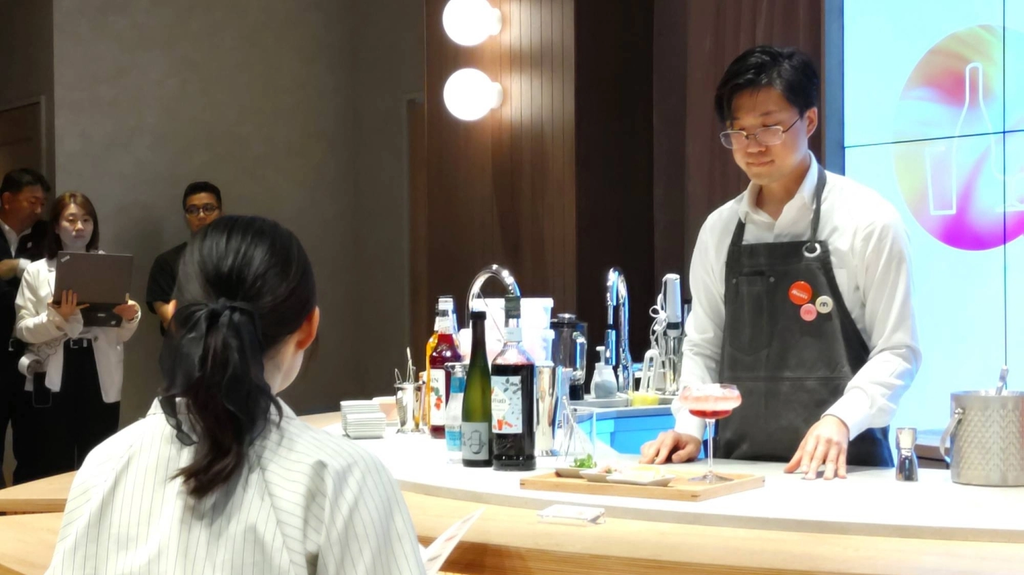
A non-alcoholic beverage label needs to satisfy standard Food Labeling Act requirements applicable to food and beverage products generally, without the alcohol-specific Liquor Tax Act requirements (including the under-20 warning) that apply to products above the relevant ABV threshold.
The most common compliance gaps
A common gap for brands straddling this line — offering both an alcoholic and a non-alcoholic or low-alcohol version of the same product — is applying alcohol-specific labeling conventions to the non-alcoholic version unnecessarily, or conversely, failing to apply them to a low-alcohol version that actually still sits above the relevant threshold.
How localization handles it
Handled properly, this means confirming each specific product’s classification individually and applying the correct labeling framework accordingly — treating each SKU in a range spanning both alcoholic and non-alcoholic versions as requiring its own specific classification confirmation, rather than assuming uniform treatment across a related product line.
The growing NA segment
What a foreign brand needs to understand
Japan’s low- and non-alcoholic beverage segment has grown significantly, even from a relatively small starting base, reflecting broader consumer interest in moderation and health-conscious drinking choices — a genuine growth opportunity distinct from, but related to, the traditional alcohol categories this series has focused on.
How it plays out in the import process
This growth means a foreign brand entering this specific segment is entering a genuinely expanding market, though one that’s also attracting real domestic and international competition as the category’s growth becomes more widely recognized — differentiation still matters here as much as in any growing category.
The practical takeaway
Approach this segment with the same positioning discipline covered throughout this series for alcoholic categories — a genuine differentiation story matters here too, even though the regulatory path is generally simpler than for standard alcohol products.
A low/no import checklist
The items that matter most
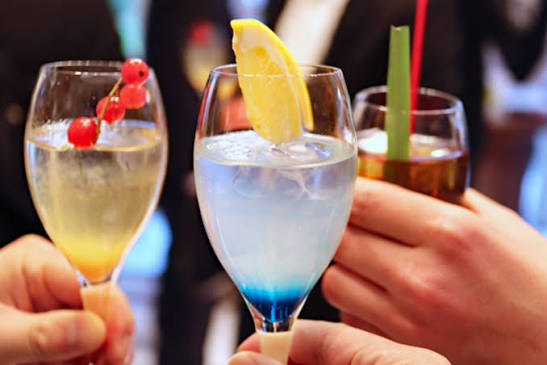
Before shipping, a low- or non-alcoholic brand should confirm the product’s exact ABV against the current relevant threshold, determine whether standard food import rules or alcohol-specific rules apply based on that confirmed classification, ensure ingredient and additive compliance under the Food Sanitation Act regardless of which path applies, and apply the correct labeling framework based on the confirmed classification.
Why each one is required
Each item maps to a real classification question that determines your product’s entire regulatory path — getting ABV and threshold confirmation right at the start is what determines whether the rest of this checklist follows the simpler non-alcoholic path or the full alcohol-specific framework covered elsewhere throughout this series.
How to prepare them correctly
The most reliable way to work through this checklist is confirming your product’s exact classification early with a partner experienced in both alcohol and non-alcoholic beverage imports specifically, since getting this initial classification right determines which entire regulatory framework — and which parts of this series’ broader guidance — actually applies to your product.
Confirming exactly which regulatory path your product falls under starts with a real review of its specific ABV and classification.
Tell us about your product and SKU range through our contact form, and we’ll review where your brand stands for Japan entry. If you prefer email, you can also reach us at su*****@*******nt.com.