Japan Liquor Tax Rates by Category: Whisky, Wine, Beer and Spirits
 By
By 
Liquor tax is one of the line items that foreign brands often underestimate when they first budget for Japan. The main reason is simple: Japan does not structure liquor tax as a straightforward percentage of product value. Instead, the system considers factors such as beverage category and volume.
Understanding Japan’s liquor tax rate structure by category is essential before you price any product for the Japanese market. This guide explains how the system works across the major alcohol categories.
How liquor tax is structured
The direct answer up front
Japan’s Liquor Tax Act primarily calculates alcohol tax according to volume and product category. The tax does not simply apply a percentage to the declared product value.
As a result, the type of beverage and the amount imported can have a major effect on the tax you owe. The calculation differs from a straightforward ad valorem duty based on product value.
What the answer depends on in practice
The applicable rate depends on the product’s liquor tax category. These categories include spirits, wine, beer and beer-like beverages, and other classifications.
Some categories also use ABV thresholds to determine different rate tiers. Therefore, “the liquor tax rate” does not have one universal answer for every alcoholic product.
A concrete example for a foreign brand
Consider a cask-strength whisky and a standard-proof wine with similar retail values. Japan can apply very different liquor tax calculations to these products.
The difference does not come from their retail prices. Instead, their categories determine the applicable tax structure under the Liquor Tax Act.
Spirits and the 370,000 yen/kl base
What a foreign brand needs to understand
The spirits category includes whisky, gin, vodka, rum, and similar distilled products. Japan’s Liquor Tax Act applies a rate based on a figure per kiloliter.
Industry references commonly cite around 370,000 yen per kiloliter for spirits at a standard reference ABV. However, you should verify the current rate against NTA guidance before using it in a pricing calculation.
Treat this figure as a starting reference, not as a confirmed current rate.
How it plays out in the import process
Customs and tax authorities calculate the liquor tax during the import assessment. The calculation considers the shipment’s actual volume and applicable ABV.
Importers also need to account for customs duty and Japan’s 10% consumption tax. Therefore, the final tax cost depends on the specific shipment rather than a fixed amount per bottle.
The practical takeaway
Use any spirits tax figure as a starting point for planning. Do not build your final Japan price around an unverified number.
Instead, confirm the current rate for your product’s ABV and classification before adding the tax to your pricing model.
The ABV surcharge above 37%
The variables that drive the number
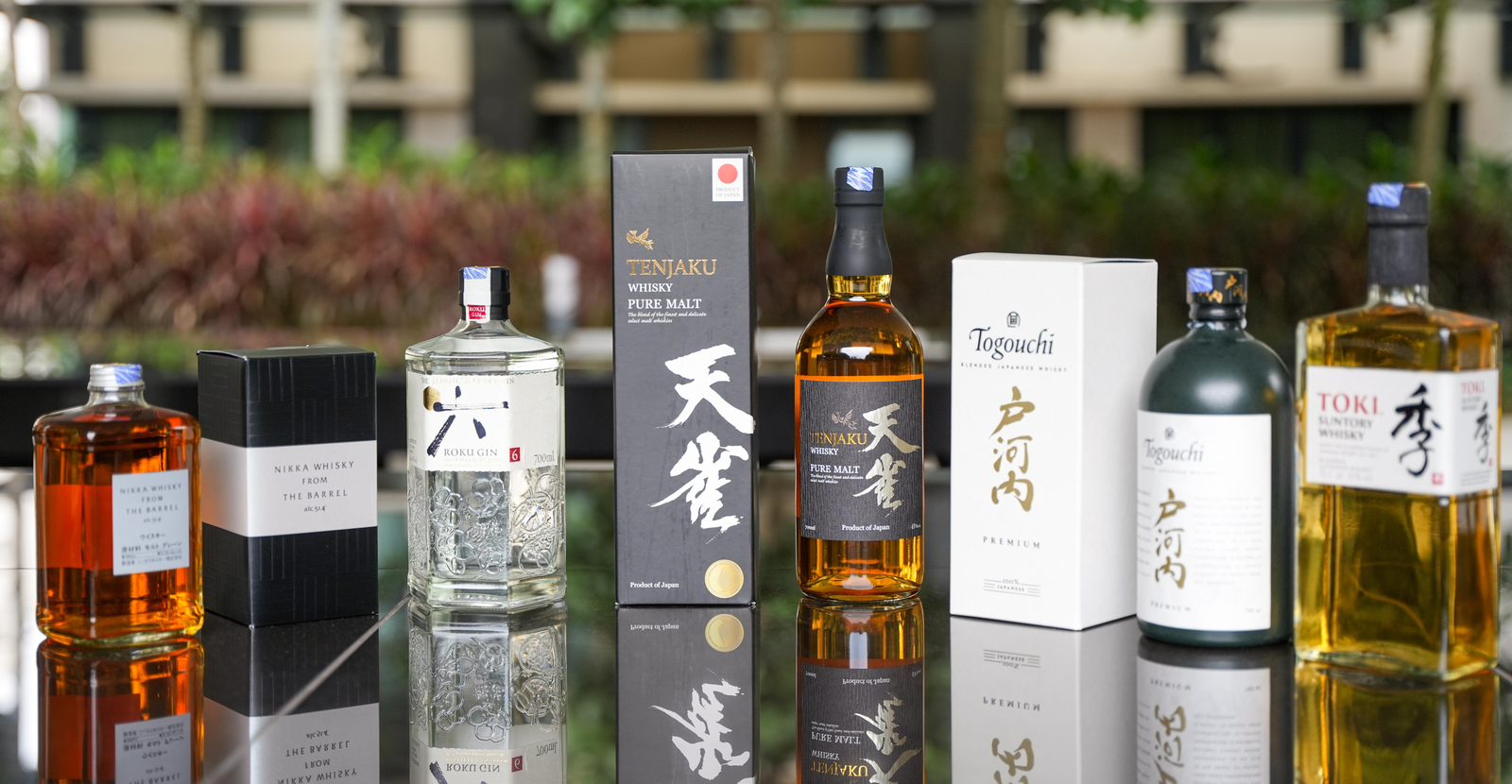
Spirits above 37% ABV face an additional surcharge on top of the base spirits rate, meaning higher-proof products — cask-strength whisky, higher-ABV gin or vodka expressions — carry a real tax cost difference compared to standard-proof versions of the same category.
A realistic range (not a firm quote)
Because the surcharge applies specifically above the 37% threshold and scales with how far above that threshold a product sits, it isn’t accurate to give one figure covering all spirits. What can be said with confidence is that any product near or above 37% ABV deserves a specific check against the current surcharge structure before pricing, since the difference between just below and just above that threshold can be meaningful.
Why a label and SKU review is needed to be precise
The only way to know the real tax impact of the ABV surcharge on your specific product is to check its actual, confirmed ABV against the current threshold and surcharge rate — exactly what a label-and-SKU review provides, and something worth doing for every SKU in a range rather than assuming they all fall on the same side of the threshold.
Wine and sparkling rates
The variables that drive the number
Wine’s liquor tax treatment has been unified with sake’s classification under recent reforms, which changed wine’s tax structure from what it may have been under older frameworks. Sparkling wine may carry its own specific considerations within that broader wine classification, depending on production method and current rate structure.
A realistic range (not a firm quote)
Given the unification with sake and ongoing reform activity in this area, a specific current wine liquor tax figure isn’t something to state with confidence here — the exact current rate should be confirmed directly rather than estimated [VERIFY]. What’s clear is that wine’s tax structure is meaningfully different from spirits’ volume-and-ABV-driven approach.
Why a label and SKU review is needed to be precise
Wine importers specifically benefit from confirming current rates given how recently this category’s tax treatment has changed — a rate assumption based on older information could be meaningfully out of date, which is exactly the kind of gap a current review closes.
Low-ABV and beer categories
What a foreign brand needs to understand
Beer, happoshu (low-malt beer), and third-category beverages have historically carried different tax rates from each other, but are unifying into a single liquor tax rate starting October 2026 as the final phase of a multi-year reform. This is directly relevant to any brand in the beer, happoshu, or RTD space planning a Japan entry around that timeline.
How it plays out in the import process
For a brand entering before the reform takes effect, current category-specific rates apply; for a brand entering after October 2026, the unified rate applies instead. Either way, the specific current or upcoming rate figures should be confirmed against current NTA guidance rather than estimated, given how directly this reform affects the category [VERIFY].
The practical takeaway
If your product falls into beer, happoshu, or third-category beverages, factor the October 2026 unification specifically into your planning timeline — the tax environment your product enters under may differ meaningfully depending on which side of that date your first shipment lands on.
Estimating your liquor tax
What a foreign brand needs to understand
Every category above shares one thing in common: none of the figures referenced here should be treated as a confirmed number to build a final price around. Liquor tax rates and thresholds are the kind of detail that genuinely changes, and building a pricing model on an unconfirmed figure risks a real gap between planned and actual cost.
How it plays out in the import process
An accurate liquor tax estimate requires your specific product’s category, ABV, and volume run against current, verified rate structures — exactly the calculation that happens as part of a proper label-and-SKU review, rather than something a general guide like this one can responsibly provide as a final number.
The practical takeaway
Use this post to understand the shape of how liquor tax works — category-driven, ABV-sensitive for spirits, currently shifting for beer-adjacent categories — but treat any specific rate as something to confirm for your exact product before it factors into a real pricing decision.
Getting an accurate liquor tax figure for your specific product is exactly what a label-and-SKU review provides — general rates only go so far.
Tell us about your product and SKU range through our contact form, and we’ll review where your brand stands for Japan entry. If you prefer email, you can also reach us at su*****@*******nt.com.