Importing Rum Into Japan: A Growing Category for Foreign Brands
 By
By 
Rum occupies an interesting position in Japan’s spirits market. Whisky has a more established presence, while craft gin has attracted strong recent attention. Rum sits between these categories, with room for brands that enter with clear positioning and a well-planned strategy.
This guide explains what foreign producers need to consider when they want to import rum to Japan. It covers tax, labeling, additive disclosure, product positioning, and channel strategy.
Rum’s tax and duty profile

The variables that drive the cost
Several factors determine a rum shipment’s landed cost. These include ABV, the Liquor Tax Act’s surcharge threshold above 37%, HS classification, and the country of origin’s trade relationship with Japan. The 10% consumption tax also applies to the relevant taxable value.
The exact calculation depends on the product and shipment details.
A realistic range, not a firm quote
We do not recommend using a generic landed-cost range for rum. The final figure depends on the rum’s exact ABV, origin, classification, and applicable duty treatment.
Rum falls within Japan’s spirits tax framework. Products near or above the 37% ABV threshold require particular attention during cost planning.
Why you need a label and SKU review
A precise calculation requires confirmed product information. Your review should cover ABV, HS classification, country of origin, and the applicable duty treatment.
A label and SKU review helps identify these details before you commit to pricing or shipment plans.
Sweetness and additive disclosure
What the regulations require
Rum producers may use sugar, caramel coloring, spices, or other flavoring ingredients. Importers need accurate information about these ingredients when they prepare the required food import documentation.
The Japanese label must also reflect the applicable ingredient and additive information under Japan’s food labeling requirements.
Common compliance gaps
Rum can require extra attention because production methods vary widely between styles and producers. Spiced rum often presents more formulation details than a straightforward white or aged rum.
A producer may also have different disclosure practices in its home market. Japan may require additional information for import and labeling purposes.
How localization handles it
Start by obtaining a complete ingredient and additive specification from the producer. Confirm the information against the current Japanese requirements before shipment.
The Japanese label should then reflect the confirmed information accurately. Give particular attention to spiced and flavored expressions because their formulations can involve several ingredients and additives.
Aged vs. white rum positioning
How the two options differ
Aged rum can support a heritage and craft-focused story. Barrel aging, production traditions, island origins, and distillery history can all contribute to its positioning.
White rum usually focuses more on mixability and cocktail use. Its positioning often centers on versatility, quality, and performance in mixed drinks.
Cost, speed, and channel considerations
Aged rum can suit specialty spirits retailers and bars where staff can explain its production story. Its premium positioning may also support a higher retail price.
White rum can suit cocktail bars, broader retail, and e-commerce channels. Its functional cocktail role can make the product easier to communicate at the point of sale.
These approaches can lead to different pricing and margin structures. Your final strategy should reflect the product’s actual cost and target market.
How to approach a mixed range
If your portfolio includes both aged and white rum, avoid treating the entire range as one product category.
Give each expression a clear role. An aged rum may need a heritage-led story, while a white rum may need a stronger focus on cocktails and versatility.
Label specifics
What the regulations require
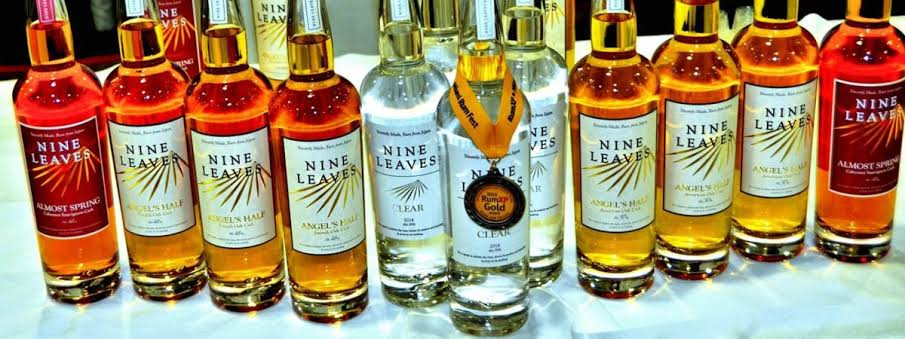
A Japanese rum label must meet the applicable requirements under Japan’s Food Labeling Act and Liquor Tax Act. The label must also provide the required information about additives and sweeteners where applicable.
Alcohol products also require the mandatory under-20 warning.
Before the product leaves bond, the importer must complete the required labeling procedures and apply compliant Japanese labels.
Common compliance gaps
Rum labels can create issues when producers translate regional or production terminology without enough context. Terms such as agricole, for example, can carry important production meaning that a simple translation may not communicate.
Age statements also require careful review. Blended rums can contain spirits of different ages, so producers should confirm that any age claim accurately reflects the product and applicable Japanese requirements.
How localization handles it
Review production-method and regional terminology before translation. The Japanese label should communicate the relevant meaning rather than simply translating individual words.
Review every age statement carefully, especially for blended products. Combine this review with the additive and general label compliance checks.
Channel strategy for rum
The variables that drive channel selection
Your channel strategy should match the product’s positioning.
A premium aged sipping rum may suit specialty spirits retailers and bars that can explain its heritage and production methods. A white rum designed for cocktails may fit bars, broader retail, and e-commerce more naturally.
Japan’s cocktail and bar culture creates opportunities for both styles. The key is to match each expression with the right sales environment.
A realistic channel approach
Premium aged rum can benefit from specialty retail and on-trade placements where staff can explain its story and production process.
Mixing-oriented white rum can target cocktail bars and more accessible retail channels. Its versatility can make it easier to communicate without extensive storytelling at every point of sale.
Why a product review matters
The right channel depends on more than the word “rum.” Price, ABV, packaging, product story, production method, and target consumer all influence the strategy.
A product and SKU review can help determine which channels fit each expression before you invest in distribution.
A rum import roadmap
What a foreign brand needs to understand
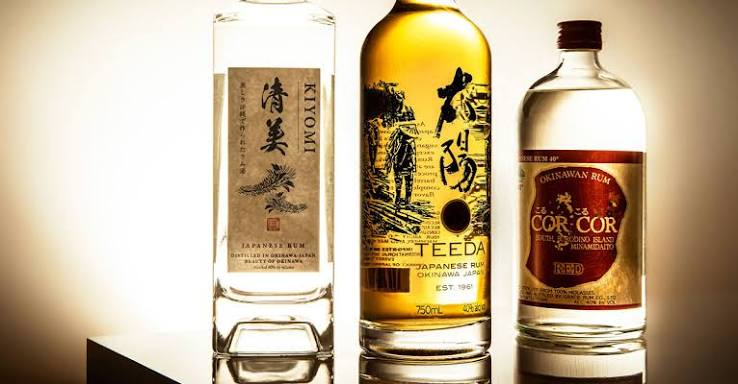
A clear import plan can prevent avoidable delays. Rum brands should pay particular attention to additive information, labeling, tax treatment, and product positioning.
Brands with both aged and white expressions should also establish separate positioning for each SKU before entering the market.
How the import process works
The process starts with a licensed importer of record that holds the required NTA liquor license.
The importer can also consult the relevant quarantine station at the intended port of entry when necessary. The importer then prepares the food import notification under the Food Sanitation Act and provides the required product information.
The shipment may undergo inspection or sampling while it remains in a bonded warehouse. The importer then handles the applicable liquor tax, customs duty, and 10% consumption tax.
Next, the importer completes the required labeling procedures and applies compliant Japanese labels before withdrawing the product from bond. The product can then move through the appropriate wholesale and distribution channels.
The practical takeaway
A rum producer does not need to manage every Japanese regulatory requirement alone. A licensed importer of record handles much of the local process.
However, the producer should provide complete product information early. Accurate additive details, confirmed specifications, and clear positioning for each SKU can make the import process much smoother.
Getting your rum’s additive disclosure, tax treatment, labeling, and channel strategy right starts with a review of your specific range.
Tell us about your product and SKU range through our contact form, and we’ll review your brand’s requirements for entering Japan. You can also contact us at su*****@*******nt.com.