Exporting Premium and Limited-Run Sake: Scarcity as Strategy
 By
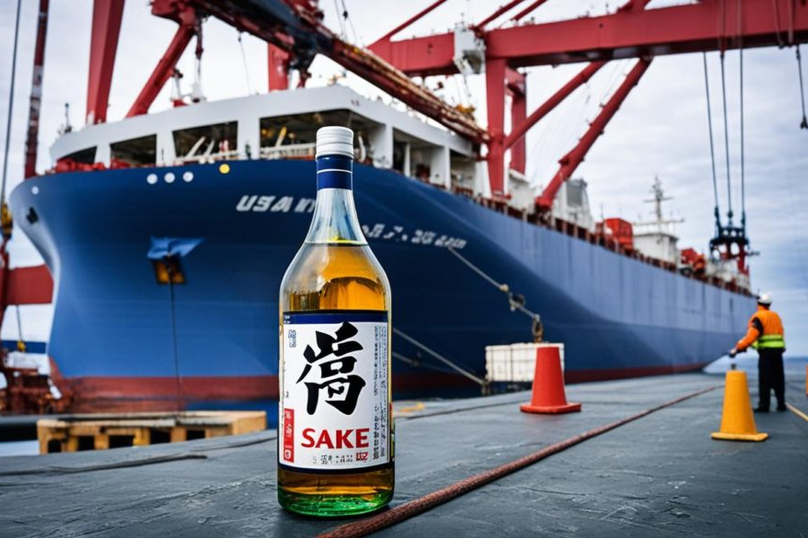
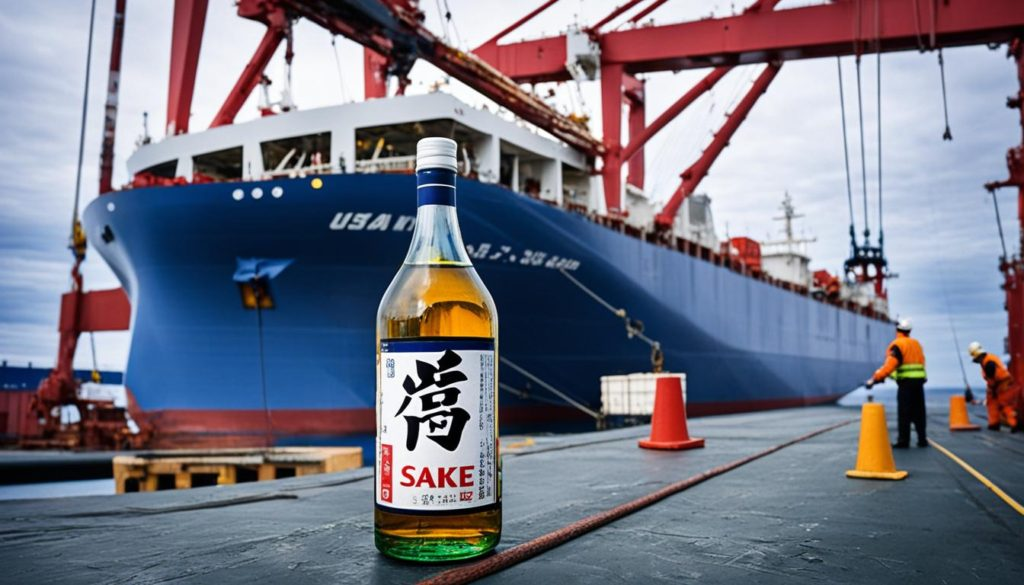
Premium sake is one of the few Japanese categories where small volume is a selling point rather than a handicap. A producer planning a premium sake export has to decide how much to release, to whom, and with what story, and each of those choices carries commercial and compliance consequences. This guide covers the trend, limited runs, pricing, storytelling, channels and a practical playbook from an operator’s seat.
The premium-sake export trend
What an exporter needs to understand
Japan’s drinking population is shrinking and aging, and domestic sake volume has been in long-term decline. Premium sake has held up better than the everyday end, because consumers who drink less tend to pay more for what they choose. That same shift is why overseas markets matter more to breweries than they once did. [VERIFY: current export volume and value trends for sake, using published trade statistics before quoting any figure.]
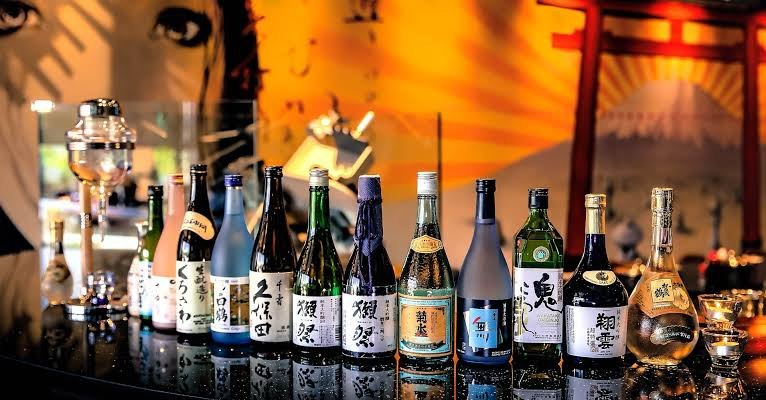
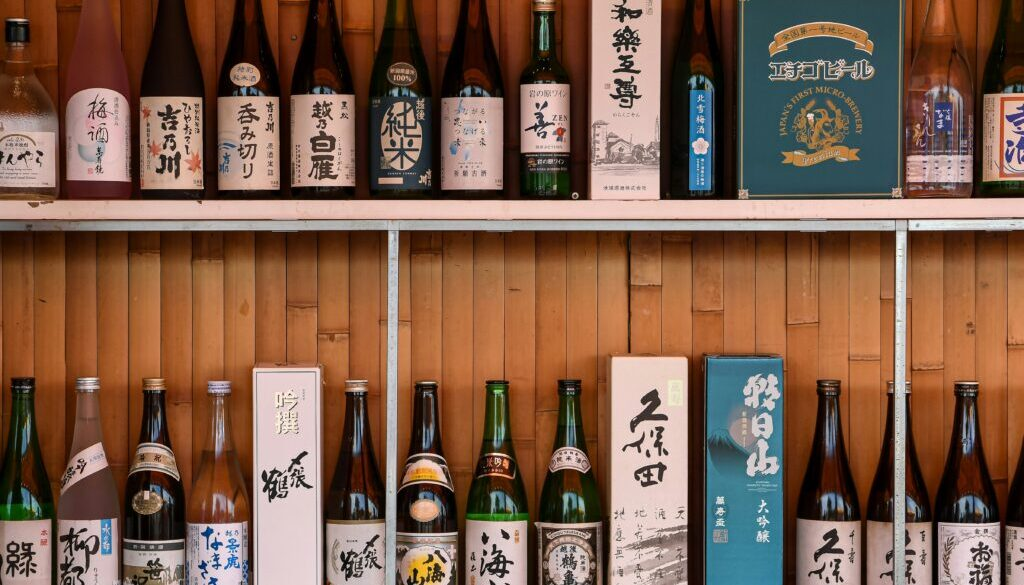
Abroad, the interest is concentrated at the top. Fine-dining restaurants, specialist retailers and informed collectors are looking for junmai ginjo, junmai daiginjo, aged sake and small-brewery releases, and they are willing to pay for provenance, polish rate, rice variety and brewery story.
How it plays out in the destination market
Buyers in a new market rarely start from the sake itself. They start from a restaurant list, a sommelier recommendation or a trusted importer’s portfolio. A premium bottle has to survive that filter, which means the person recommending it must be able to explain it quickly and accurately.
Competition is also rising. More breweries are exporting, and the category has attracted newer, design-led brands alongside heritage names. A bottle that looks and reads like many others will be hard to place.
The practical takeaway
Lead with the quality and narrative of the sake, not with its price. As in Japan itself, premium positioning wins on craft and story, and a producer who discounts to gain volume weakens the one advantage the category offers abroad.
Limited runs and exclusivity
What an exporter needs to understand
A limited run has a defined size, a defined release and a reason for being limited: a special rice harvest, a single tank, an experimental yeast, a collaboration, an aged batch. The scarcity must be real. Buyers who discover that a “limited edition” is in fact a regular bottling with a numbered neck tag will not return, and will tell others.
Limited runs also bring practical constraints. Each distinct release is its own product with its own label, ABV, ingredient information and documentation, and a small batch has the same paperwork as a large one.
How it plays out in the destination market
Exclusivity works when it is coordinated with the partner. A single importer or a small group of specialist retailers and restaurants can be given the release, so that demand is concentrated and the story stays clean. Spreading a small batch across many buyers dilutes attention and leaves nobody with enough to feature.
Storage and shelf life matter more than many producers expect. Many premium sake styles, especially unpasteurized (nama) and lighter, fragrant types, are sensitive to heat and light in transit and storage. A rare bottle that arrives in poor condition damages both the release and the brewery. [VERIFY: recommended storage and transport conditions for each sake style, and whether temperature-controlled shipping is advisable for your product.]
The practical takeaway
Be honest about what is limited and why, and release it through partners who can handle it properly. Keep the limited bottle separate from your core line, so that the exclusive release builds the reputation of the range without replacing its everyday workhorse.
Pricing for scarcity
The variables that drive the number
Several things determine what a premium sake can sell for abroad: production cost and rice polish, the brewery’s reputation, the size of the release, destination excise and duty, freight and cold-chain costs, and the margins taken by importer, distributor and retailer. A product with a modest ex-brewery price can arrive at a very different shelf price once those layers are stacked.
Destination tax treatment can differ sharply. Some markets tax sake as wine, others as a separate category or by alcohol content, and the treatment of a product at roughly 15 to 16% ABV may not match what you expect. [VERIFY: how each destination classifies and taxes sake, and any duty or preferential treatment applying to Japanese-origin sake.]
A realistic range (not a firm quote)
We do not quote firm figures, and we would be skeptical of anyone who does before seeing your product. What can be said is that premium sake abroad generally sits well above the everyday tier, and that scarcity pricing has a ceiling set by what the specific market will pay for an unfamiliar brand. Pricing too low undermines the premium position, while pricing far above comparable and better-known bottles invites resistance.
A sound approach is to work backward from a target shelf price in the destination, subtract the margins and costs you have confirmed, and see whether the number left for the brewery is acceptable. If it is not, the product may belong in a different market or a different tier.
Why a label and SKU review is needed to be precise
Pricing is tied to the number and structure of SKUs. Each bottle size, release and batch is a separate item with its own documentation, and label changes carry design and printing costs. A realistic budget starts from a review of your actual labels and SKU list, not from a generic estimate for “sake.”
Storytelling around rarity
What an exporter needs to understand
Rarity is a feature, not a story. The story is the reason behind it: the rice farmer, the tank, the cold winter, the brewer’s decision to bottle a batch separately. Buyers and consumers remember a specific, verifiable detail far longer than they remember the word “limited.”
Accuracy is essential. Every claim about polish rate, rice variety, brewing method, age or award must match your records, and the destination market may check it. Claims on a label can be challenged, and a mismatch between marketing and documentation is a reliable way to lose an importer’s trust.
How it plays out in the destination market
A sommelier or retailer needs two versions of your story: a sentence they can say at the table, and a page they can read before they commit. The short version should be memorable, and the long one should survive questions. If either fails, the bottle is quietly left off the list.
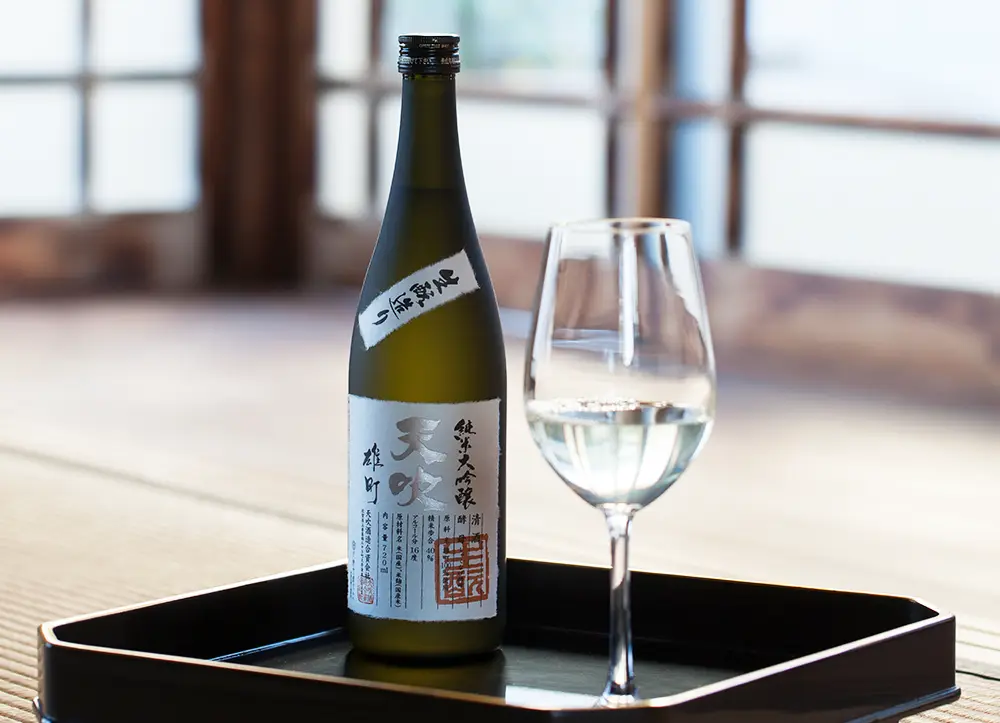
Packaging signals quality before anyone tastes. In many markets premium sake is bought as a gift, so presentation, clarity and a clean back label with the required destination-language information matter. Counterfeits and misleading imitations of well-known Japanese products have appeared in several markets, so a protected brand identity is part of the story. [VERIFY: trademark registration in each destination, ideally with a qualified local IP adviser.]
The practical takeaway
Pick two or three concrete facts that distinguish the sake and prove each one. Prepare a one-page explainer and a short tasting note, keep your documentation consistent with them, and avoid claims you cannot support.
Channel fit for premium
How this channel actually works abroad
In most destination markets you need a licensed importer, and in some the chain continues through distributors to retailers and on-trade venues. The United States, for instance, is organized state by state. [VERIFY: current structure by destination, including excise and bonded-warehouse arrangements in the EU and the three-tier rules in US states.]
Premium sake usually reaches consumers through high-end Japanese and fine-dining restaurants, specialist sake and wine retailers, and e-commerce for collectors. These doors favor careful explanation and small quantities, which suits the category.
Fit for your product and price tier
A limited, high-value release suits specialist retail and the restaurant trade, where staff can explain it. A repeatable premium bottling can also work in broader specialist channels where reordering is easier. Everyday sake generally struggles to justify its landed price abroad, so it belongs in a different plan.
Choose partners on category depth and attention, not size alone. A smaller importer who will train staff and champion your sake often outperforms a large distributor that lists it and forgets it. Ask what licenses they hold, how many sake brands they carry, how they handle storage and cold chain, and who is responsible for label approval in their market.
Where JapanPint’s operator view applies
JapanPint’s owned channels (CraftBeer.co.jp, OmoriMart.com and Jasumo.com), along with Amazon Japan, Rakuten and Yahoo Shopping, operate inside Japan, so they are not an overseas distribution network, and we do not claim otherwise. We also do not claim a network of overseas importers. What we bring to outbound projects is the operator knowledge we use on the import side, applied in reverse: what a licensed importer needs to see from a producer, how labels and notifications are checked, and where documentation tends to fall short.
A premium-sake playbook
What an exporter needs to understand
Successful programs usually follow the same order, and the sequence matters more than the speed.
- Choose one destination and one hero release, rather than sending the whole range.
- Confirm the Japanese-side export steps, including the liquor tax treatment of exported alcohol and who is licensed to handle the export. [VERIFY: current export exemption and licensing requirements administered by the NTA.]
- Confirm classification, label and duty requirements for the destination with a prospective importer, in writing.
- Select an importer based on category depth and attention to your product.
- Send samples through a compliant channel, remembering that alcohol samples are still alcohol shipments. [VERIFY: sample-shipment rules for each destination.]
- Ship a modest first order with appropriate temperature protection, and support it with staff education.
How it plays out in the destination market
Timelines and costs vary widely with the destination, the classification outcome, the shipping method and the partner. Duty and excise, label changes, cold-chain freight and storage each add variables. We don’t quote firm figures for any of these, because a realistic number depends on reviewing your labels and SKU count.
What separates a smooth first shipment from a stalled one is preparation: classification confirmed early, a label made for the market, a protected brand and an importer who understands what they are buying.
The practical takeaway
Take one market at a time, keep the limited release genuinely limited, and lead with craft rather than discounts. If you plan a premium sake export on that basis, scarcity becomes a strategy instead of a sales problem.
Premium sake rewards careful preparation more than speed. The details that decide your outcome, from classification to label wording to storage, are specific to your range and your target market.
Tell us about your sake range and the markets you’re considering through our contact form, and we’ll review your labels and SKUs against what your target importers will expect to see. If you prefer email, you can also reach us at su*****@*******nt.com.