Exporting New Zealand Wine to Japan
 By
By 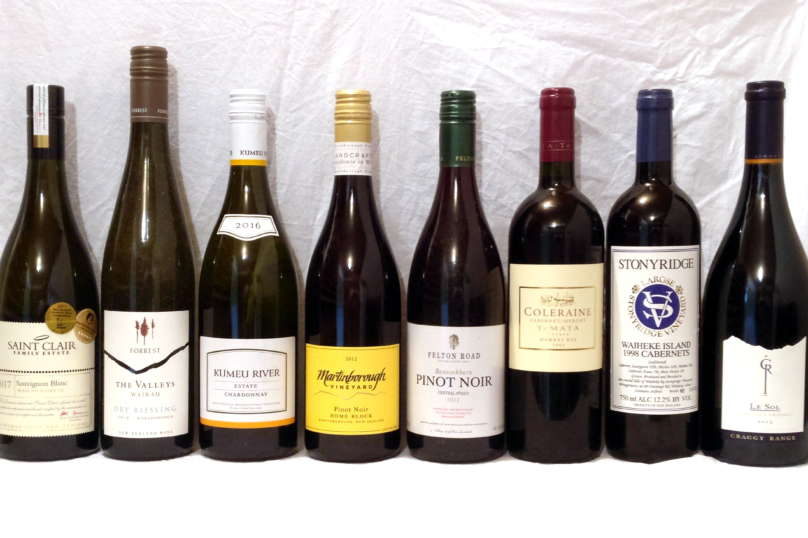
New Zealand wine occupies a genuine niche in Japan. French and Italian wines still account for larger import volumes, but New Zealand has built a strong reputation for quality and distinctive styles. That positioning fits Japan’s increasingly premium wine market. If you’re exploring how to export NZ wine to Japan, the opportunity is real. However, every wine still needs to pass through Japan’s importer, tax, customs, and labeling requirements.
New Zealand Wine’s Niche
What a Foreign Brand Needs to Understand
New Zealand has built its international wine reputation on quality and distinctive regional styles rather than volume. That positioning fits Japan’s changing wine market well. Japanese consumers are increasingly selective about what they buy. A New Zealand producer therefore has a strong quality story to present to Japanese buyers.
How It Plays Out in the Import Process
That reputation does not remove the practical requirements for entering Japan. A foreign winery needs a Japan-based importer of record with the appropriate liquor license from the National Tax Agency. The importer also handles the required food import notification with the relevant MHLW quarantine station under the Food Sanitation Act.
These requirements apply regardless of the wine’s country of origin. A strong reputation can help with sales, but it does not replace regulatory compliance.
The Practical Takeaway
Use New Zealand’s quality reputation as part of the commercial pitch. At the same time, treat Japanese import compliance with the same level of care required for wine from any other country.
Trade and Duty Notes
The Variables That Drive the Cost
The cost of bringing New Zealand wine into Japan depends on several factors. These include the wine’s declared value, bottle size, product classification, applicable liquor tax, consumption tax, and current tariff treatment.
New Zealand and Japan are both members of the CPTPP. The agreement can affect tariff treatment for eligible goods traded between member countries. However, you should confirm the current tariff rate for the specific wine classification instead of assuming that a reduced rate applies.
Why You Should Avoid a Single Landed-Cost Figure
There is no single landed-cost figure that applies to every New Zealand wine shipment.
The final amount depends on the product’s classification and the trade agreement rules that apply to that product. Checking the current tariff line for your specific wine gives you a much more reliable estimate.
Why a Label and SKU Review Matters
To calculate a realistic landed cost, review the details of each SKU. Key information includes:
- Grape variety
- Alcohol by volume (ABV)
- Bottle size
- Declared customs value
- Product classification
- Country of origin
- Applicable tariff treatment
A SKU-level review turns these variables into a practical cost estimate. It also helps you avoid setting a Japan price before you understand the actual import costs.
Label Localization

What the regulation requires
A Japanese label for imported wine has to satisfy the Food Labeling Act and Liquor Tax Act simultaneously and carry the mandatory under-20 warning. The labeling-method notification is filed with the tax office, and compliant labels have to be affixed before withdrawal from bond.
The most common compliance gaps
For New Zealand wine specifically, common gaps include varietal or regional terminology — a sub-region or vineyard designation meaningful to a New Zealand wine drinker but unfamiliar to a Japanese consumer — translated literally without the context that makes it meaningful, and back-label copy that loses New Zealand-specific detail (like sustainable or organic certifications relevant to the brand’s story) in translation.
How localization handles it
Handled properly, localization treats regional and varietal terminology as needing explanation, not just translation — giving a Japanese reader enough context to understand what a specific sub-region or certification actually signals, coordinated alongside the standard compliance review and labeling-method notification filing.
Sauvignon Blanc positioning
How this channel actually works in Japan
Sauvignon Blanc is New Zealand wine’s best-known export internationally, and that recognition extends into Japan’s wine market to some degree — meaning a producer bringing in Sauvignon Blanc specifically may find slightly more existing consumer familiarity to build on than a less internationally known varietal from the same country.
Fit for a foreign brand’s product and price tier
That existing recognition tends to work best for mid-to-premium Sauvignon Blanc positioned through specialty retail, curated e-commerce, and on-trade placement, rather than mass grocery — consistent with how Japan’s wine consumers are generally shopping: fewer bottles, chosen more deliberately.
How JapanPint’s owned channels apply
Through JapanPint’s owned channels — CraftBeer.co.jp, OmoriMart.com, and Jasumo.com — alongside Amazon Japan, Rakuten, and Yahoo Shopping, a Sauvignon Blanc entering Japan can lean on existing varietal familiarity in a storefront built to also introduce the winery’s broader story and other varietals in the range.
Channel selection
How this channel actually works in Japan
Japan’s distribution runs from importer to wholesaler to retail, on-trade, and e-commerce, with wholesalers remaining influential even as e-commerce grows. For wine broadly, on-trade placement in restaurants serving Western or fusion cuisine offers a direct route to consumers already primed to order wine with a meal.
Fit for a foreign brand’s product and price tier
New Zealand wine’s mid-to-premium positioning generally fits well across a mix of specialty retail, curated e-commerce, and selective on-trade placement — channels suited to a wine with a genuine quality story, rather than mass retail where that story gets little room to matter.
How JapanPint’s owned channels apply
JapanPint’s combination of owned storefronts and major marketplace presence gives a New Zealand producer both curated placement suited to telling a regional or varietal story properly and broader marketplace reach for consumers already searching by varietal or country of origin.
A New Zealand-to-Japan roadmap
What a foreign brand needs to understand
The path from deciding to enter Japan to actually having wine on a shelf or wine list benefits from being mapped out in advance, so a winery can plan realistically rather than discovering the sequence step by step.
How it plays out in the import process
The roadmap runs: partner with a licensed importer of record holding the NTA liquor license, optionally consult with the quarantine station at the intended port of entry, file the food import notification under the Food Sanitation Act, clear any inspection or bonded-warehouse sampling, settle liquor tax, applicable duty, and the 10% consumption tax, file the labeling-method notification and affix compliant labels before withdrawal from bond, then move through a wholesaler into retail, on-trade, or e-commerce.
The practical takeaway
A winery doesn’t need to master every regulatory detail directly — that’s the role of a licensed importer of record — but understanding the roadmap’s shape makes it easier to plan realistically and evaluate whether a prospective partner is equipped to carry the wine through every stage, from licensing through to shelf placement.
The real cost, tariff treatment, and timeline for your specific wines depend on the SKU details — which is exactly what a real review is for.
Tell us about your product and SKU range through our contact form, and we’ll review where your brand stands for Japan entry. If you prefer email, you can also reach us at su*****@*******nt.com.