Exporting Eastern European Spirits to Japan
 By
By 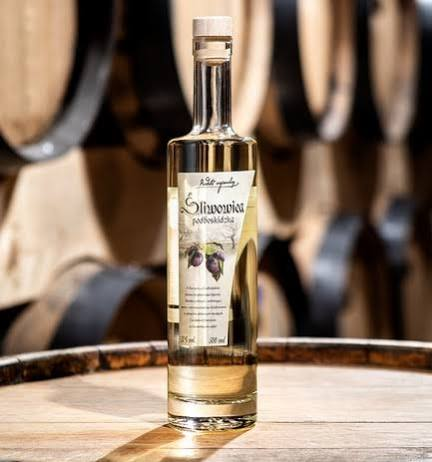
Eastern Europe’s spirits tradition runs deeper and varies more than many Japanese consumers realize. It includes vodka with distinct regional styles, fruit brandies such as slivovitz, and lesser-known spirits with strong local stories. If you’re exploring how to export Eastern European spirits to Japan, this creates a genuine white-space opportunity. However, the entry process still requires the same care as any other spirit category.
Vodka, Slivovitz and Regional Spirits

What a Foreign Brand Needs to Understand
Vodka is a crowded global category. However, regional distinctions can offer real differentiation. Polish rye-based vodka, for example, differs from more neutral grain vodkas. Producers can use these differences to explain what makes their tradition unique.
Slivovitz and other regional fruit brandies occupy a much smaller niche. Japanese consumers may have little familiarity with these spirits. This creates both an opportunity and a challenge. There is less direct category competition, but brands must also build a clear frame of reference.
How It Plays Out in the Import Process
Regardless of the spirit’s popularity, the basic entry process remains similar. A foreign producer needs a Japan-based importer of record with a National Tax Agency liquor license. The importer also files the food import notification with the MHLW quarantine station under the Food Sanitation Act before the product reaches Japanese consumers.
The Practical Takeaway
For vodka, focus on production methods and regional traditions. Avoid competing as another undifferentiated vodka in a crowded market.
For niche spirits such as slivovitz, invest in consumer education. Japanese buyers may need basic information about the spirit, its origins, and how people traditionally enjoy it.
Classification and High-ABV Tax
What a Foreign Brand Needs to Understand
Some Eastern European spirits can have a higher ABV than standard spirits. Certain fruit brandies and vodka styles may therefore approach the Liquor Tax Act’s surcharge threshold above 37% ABV. Check this point early in the planning process.
How It Plays Out in the Import Process
Customs calculates the tax treatment for high-ABV products alongside duty and the 10% consumption tax. An incorrect assumption about the surcharge threshold can therefore change the final landed cost.
The Practical Takeaway
Confirm the exact ABV of every SKU before setting a Japan price. Pay particular attention to regional spirits and vodka variants that exceed a standard 40% ABV level.
Label Localization

What the regulation requires
A Japanese label for imported spirits has to satisfy the Food Labeling Act and Liquor Tax Act simultaneously and carry the mandatory under-20 warning. The labeling-method notification is filed with the tax office, and compliant labels must be affixed before withdrawal from bond.
The most common compliance gaps
For lesser-known regional spirits specifically, the biggest gap isn’t usually a technical compliance failure — it’s a label that translates accurately but explains nothing, leaving a Japanese consumer with no context for what slivovitz actually is or how it’s meant to be enjoyed. Vodka labels more commonly stumble on production-method claims — grain versus potato, specific distillation methods — losing precision in translation.
How localization handles it
Handled properly, this means giving genuinely unfamiliar products real explanatory context on the label or accompanying materials, not just a technically accurate translation of terms a Japanese consumer has no reference point for — while still keeping vodka’s production-method claims precise and accurate for the more informed segment of that category’s buyers.
Niche positioning
How this channel actually works in Japan
Niche and unfamiliar spirits categories in Japan tend to build initial traction through specialty retail and knowledgeable on-trade venues — bars and shops where staff can actively introduce customers to something they wouldn’t discover on their own, rather than relying on shelf presence alone to generate interest.
Fit for a foreign brand’s product and price tier
This fits naturally with premium positioning: a product without existing category recognition benefits from being presented as a discovery worth paying for, in a setting where its story can actually be told, rather than competing anonymously at a lower price point where it has no way to stand out.
How JapanPint’s owned channels apply
Through JapanPint’s owned channels — CraftBeer.co.jp, OmoriMart.com, and Jasumo.com — alongside Amazon Japan, Rakuten, and Yahoo Shopping, a niche Eastern European spirit can be presented with the storytelling context it needs to succeed, rather than launched into a channel with no room to explain what makes it worth trying.
Channel selection
How this channel actually works in Japan
Japan’s distribution runs from importer to wholesaler to retail, on-trade, and e-commerce, with wholesalers remaining significant gatekeepers even as e-commerce grows. For an unfamiliar category, on-trade placement with bartenders willing to introduce something new to curious customers is often the most effective first channel.
Fit for a foreign brand’s product and price tier
Vodka with real differentiation fits well in specialty spirits retail and craft cocktail bar culture. Genuinely niche regional spirits like slivovitz fit best in specialty retail and on-trade settings specifically curating unusual or discovery-oriented selections, where the product’s rarity is part of its appeal rather than a barrier.
How JapanPint’s owned channels apply
JapanPint’s combination of curated owned storefronts and broader marketplace presence supports both patterns — differentiated vodka positioned within Japan’s active spirits and cocktail culture, and niche regional spirits given the storytelling space a genuinely unfamiliar product needs to find its first curious buyers.
An Eastern Europe-to-Japan roadmap
What a foreign brand needs to understand
The path to Japan benefits from being mapped out in advance, with particular attention to consumer education planning for genuinely unfamiliar products, since the regulatory sequence is identical regardless of how well-known the category is, but the commercial groundwork differs substantially.
How it plays out in the import process
The roadmap runs: partner with a licensed importer of record holding the NTA liquor license, optionally consult with the quarantine station at the intended port of entry, file the food import notification under the Food Sanitation Act, clear any inspection or bonded-warehouse sampling, settle liquor tax, duty, and the 10% consumption tax, file the labeling-method notification and affix compliant labels before withdrawal from bond, then move through a wholesaler into a channel suited to the product’s actual familiarity level in Japan.
The practical takeaway
A producer doesn’t need to master every regulatory detail directly — that’s what a licensed importer of record handles — but should plan realistically for how much consumer education a genuinely unfamiliar product needs, since that shapes channel strategy far more than the regulatory process itself does.
The real tax treatment, labeling needs, and channel strategy for your specific spirit depend on the SKU details — which is exactly what a review is for.
Tell us about your product and SKU range through our contact form, and we’ll review where your brand stands for Japan entry. If you prefer email, you can also reach us at su*****@*******nt.com.