Exporting Caribbean Rum to Japan
 By
By 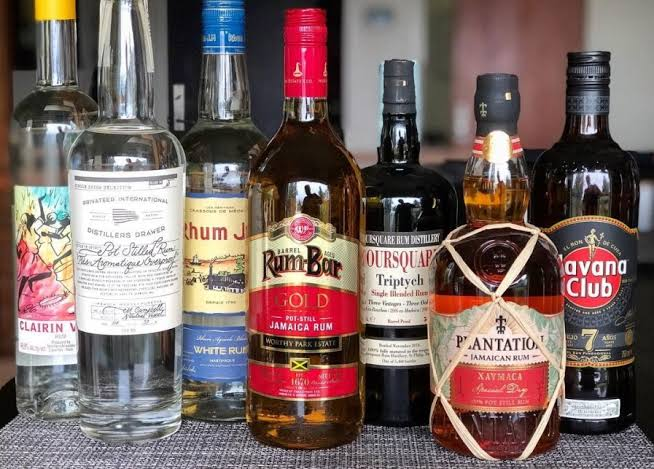
Caribbean rum carries something few spirits categories can claim: centuries of production history tied to specific islands. Each island has its own style and story. If you’re exploring how to export Caribbean rum to Japan, this heritage can be a genuine asset. Japanese drinkers are starting to explore beyond familiar whisky and gin categories. However, successful entry still requires careful ingredient disclosure and proper licensing.
Caribbean Rum’s Heritage Appeal

What a Foreign Brand Needs to Understand
Rum has an unusually concrete heritage story. It often connects to a specific island and a distinct distilling tradition. In some cases, families have produced rum for generations.
That specificity can work well in Japan’s premium spirits market. Japanese consumers often value stories and provenance. Therefore, brands can gain attention by presenting a clear origin story instead of using a generic “tropical spirit” message.
How It Plays Out in the Import Process
Heritage does not change the basic entry requirements. A foreign producer needs a Japan-based importer of record with a National Tax Agency liquor license.
The importer must also file the food import notification with the MHLW quarantine station. This process falls under the Food Sanitation Act. The rum can then move toward Japanese consumers after the required procedures.
The Practical Takeaway
Lead with the specific island and its distilling tradition. Avoid relying only on a generic “Caribbean rum” description.
The more concrete the heritage story, the easier it is for Japanese buyers to understand the product. This approach also mirrors how consumers distinguish between specific whisky and sake traditions.
Additive and Sweetness Disclosure
What the Regulation Requires
Some rum traditions use additives such as added sugar, caramel coloring, or flavoring. Producers must disclose these ingredients accurately under the Food Sanitation Act as part of the food import notification.
The Japanese label must also reflect the required information under the Food Labeling Act.
The Most Common Compliance Gaps
Rum can present particular challenges because additive practices vary by producer and rum style. A producer may also lack a complete ingredient record.
This can happen when the producer’s home market does not require the same level of disclosure as Japan.
How Localization Handles It
Start by obtaining a complete ingredient and additive disclosure from the producer. Then, check the information against current Food Sanitation Act requirements.
The Japanese label should reflect the information accurately. Do not assume that a home-market ingredient statement will meet Japanese requirements without review.
Tax and Duty Notes
The Variables That Drive the Number
Several factors affect the landed cost of Caribbean rum. These include ABV, customs duty, the 10% consumption tax, declared value, and product classification.
The Liquor Tax Act’s surcharge threshold above 37% ABV also matters. Higher-proof and cask-strength rum expressions therefore need additional attention.
A Realistic Range (Not a Firm Quote)
A single landed-cost figure would not be accurate for every rum. The actual amount depends on the product’s ABV and classification.
Spirits sit in a higher liquor tax band than beer or wine under the current structure. Therefore, rum near or above the ABV surcharge threshold needs careful review before you finalize pricing.
Why a Label and SKU Review Is Needed to Be Precise
A real calculation requires the rum’s exact ABV, declared value, and classification. These details determine the applicable costs.
A label and SKU review can run those details through the actual calculation. This provides a stronger basis for setting a Japan retail price.
Label localization

What the regulation requires
A Japanese label for imported rum has to satisfy the Food Labeling Act and Liquor Tax Act simultaneously, disclose additives accurately, and carry the mandatory under-20 warning. The labeling-method notification is filed with the tax office, and compliant labels must be affixed before withdrawal from bond.
The most common compliance gaps
Beyond additive disclosure, common gaps for rum include island- or region-specific terminology — agricole versus molasses-based production, specific aging or blending terms — translated without the context that makes them meaningful, and age statements on blended rums that need careful, accurate handling given how blending practices can complicate a simple age claim.
How localization handles it
Handled properly, this means treating rum’s production-method and regional terminology as needing explanation, not just translation, and giving particular care to age statement accuracy on blended products — coordinated alongside additive disclosure and standard compliance review.
Channel strategy
The variables that drive the number
Channel fit for Caribbean rum depends on positioning — a heritage-driven premium sipping rum competes very differently in the market than a mixing-oriented rum aimed at cocktail culture, and Japan’s active bar and cocktail scene genuinely rewards both approaches, just through different channels.
A realistic range (not a firm quote)
A premium sipping rum generally performs best through specialty spirits retail and on-trade placement with bars that can convey its heritage story properly. A mixing-oriented rum can find real traction through Japan’s broader cocktail bar culture and more accessible retail and e-commerce placement, without needing the same depth of storytelling at point of sale.
Why a label and SKU review is needed to be precise
Which channel strategy actually fits your specific rum depends on its real positioning, price point, and story — details that become clear through an actual product review rather than a general assumption about what “Caribbean rum” as a category should do in Japan.
A Caribbean-to-Japan roadmap
What a foreign brand needs to understand
The path to Japan benefits from being mapped out in advance, with particular attention to the additive disclosure step given how central that is to rum’s compliance profile compared to some other spirits categories.
How it plays out in the import process
The roadmap runs: partner with a licensed importer of record holding the NTA liquor license, optionally consult with the quarantine station at the intended port of entry, file the food import notification under the Food Sanitation Act with complete and accurate additive disclosure, clear any inspection or bonded-warehouse sampling, settle liquor tax, duty, and the 10% consumption tax, file the labeling-method notification and affix compliant labels before withdrawal from bond, then move through a wholesaler into the channel that fits the rum’s specific positioning.
The practical takeaway
A rum producer doesn’t need to master every regulatory detail directly — that’s what a licensed importer of record handles — but getting additive disclosure right early, and being clear about whether the product is positioned as sipping or mixing rum, sets up a much smoother path through every stage that follows.
The real ingredient disclosure requirements, cost, and channel strategy for your specific rum depend on the SKU details — which is exactly what a review is for.
Tell us about your product and SKU range through our contact form, and we’ll review where your brand stands for Japan entry. If you prefer email, you can also reach us at su*****@*******nt.com.