Exporting Canadian Whisky and Ice Wine to Japan
 By
By 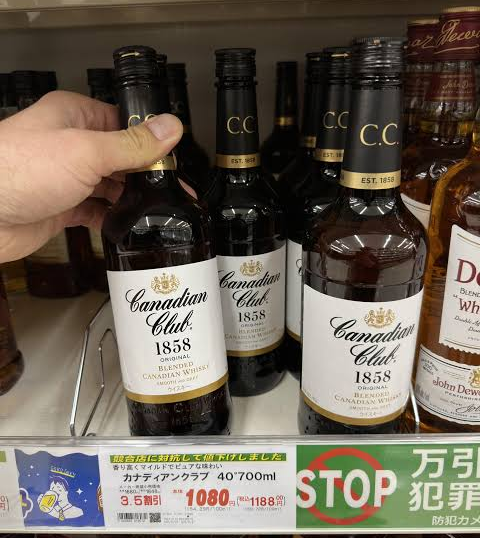
Canada exports two genuinely distinctive products to the world: Canadian whisky and ice wine. Canadian whisky has its own established style and history. Meanwhile, Canada has become a global leader in ice wine production through its scale and consistency. If you’re exploring how to export Canadian whisky to Japan, both products deserve serious attention. However, each one requires a different market strategy.
Canada’s distinctive products

What a foreign brand needs to understand
Canadian whisky has a long-established style. It is typically lighter and often more rye-forward than bourbon or Scotch. It also has strong recognition in international markets. However, Canadian whisky receives less attention than its American and Scottish counterparts in some markets.
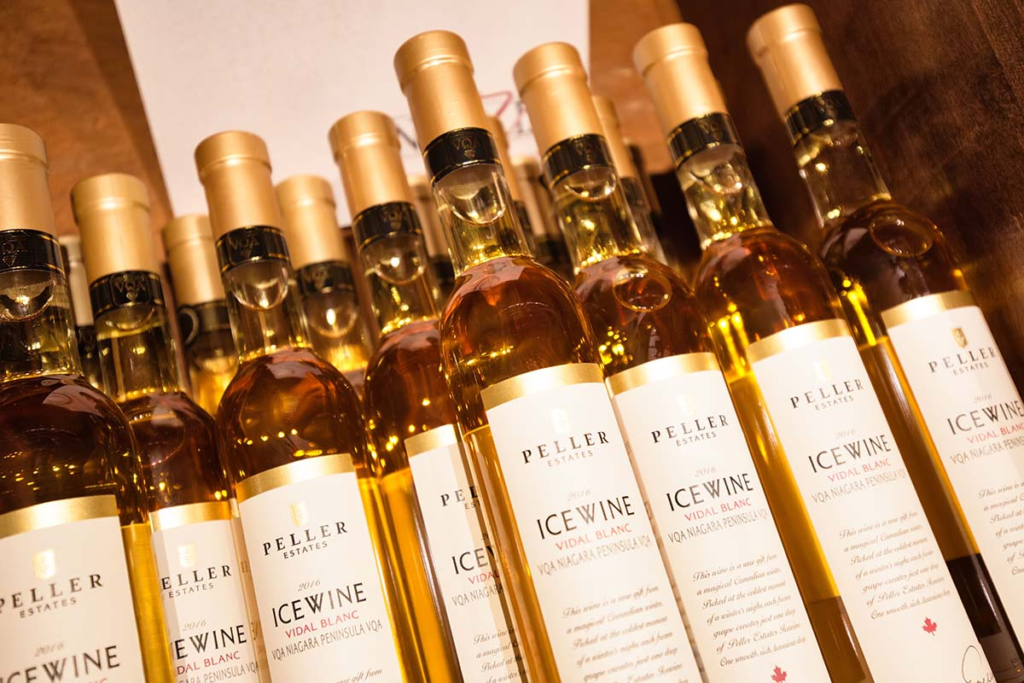
Ice wine follows a different path. Canada is widely recognized as the world’s largest producer of this category. As a result, Canadian ice wine has become almost a category identifier in some Asian markets.
How it plays out in the import process
Neither category avoids Japan’s basic import requirements. A foreign producer needs a Japan-based importer of record with the required National Tax Agency liquor license. In addition, the importer must file the food import notification with the MHLW quarantine station under the Food Sanitation Act.
These requirements apply before either product can move toward Japanese consumers.
The practical takeaway
Focus on what makes each product distinctive. Canadian whisky can emphasize its own style and identity. Ice wine can highlight Canada’s strong global reputation in the category.
Therefore, avoid presenting either product as simply an alternative to a better-known category from another country.
Ice wine positioning
How this channel actually works in Japan
Ice wine tends to perform well in gift-oriented and specialty retail in Japan. This reflects its price point, dessert-wine character, and association with special occasions.
In addition, Japan has a well-established gift-giving culture. Therefore, premium ice wine can fit naturally into seasonal gifting and special-occasion purchases.
Fit for a foreign brand’s product and price tier
This positioning suits ice wine’s naturally premium price tier. The smaller bottle format and higher price make it better suited to specialty retail and department store gift sections.
Curated e-commerce can also provide a strong channel. By contrast, ice wine does not need to compete mainly on volume or everyday accessibility.
How JapanPint’s owned channels apply
Through JapanPint’s owned channels — CraftBeer.co.jp, OmoriMart.com, and Jasumo.com — an ice wine producer can build a storefront suited to gifting occasions and seasonal demand.
In addition, Amazon Japan, Rakuten, and Yahoo Shopping can provide broader marketplace reach. This combination allows producers to reach consumers who already search for ice wine by name.
Tax and duty notes

The variables that drive the number
Landed cost for Canadian whisky depends on ABV relative to the Liquor Tax Act’s surcharge threshold above 37%, customs duty, and the 10% consumption tax. Ice wine’s landed cost depends on its wine classification (unified with sake under current tax treatment), its typically smaller bottle format, declared value, and applicable duty. Canada and Japan are both members of the CPTPP trade agreement, which may affect tariff treatment for these categories — but the specific current tariff lines should be confirmed rather than assumed [VERIFY].
A realistic range (not a firm quote)
Because whisky and ice wine sit in genuinely different tax categories with different cost drivers, it isn’t accurate to state one landed-cost range covering both. What can be said with confidence is that ice wine’s smaller bottle format and higher per-unit value change its cost structure meaningfully compared to standard wine, and that trade agreement membership is worth checking specifically for both categories rather than assumed to apply uniformly.
Why a label and SKU review is needed to be precise
Turning these variables into real numbers for your specific whisky expressions and ice wine SKUs requires a review of actual ABV, bottle size, declared value, and current applicable tariff classification for each — precisely what a label-and-SKU review is for.
Label localization
What the regulation requires
Both categories need Japanese labels satisfying the Food Labeling Act and Liquor Tax Act simultaneously, carrying the mandatory under-20 warning, filed through the labeling-method notification with the tax office, and affixed before withdrawal from bond.
The most common compliance gaps
For Canadian whisky, common gaps involve rye-forward style terminology that needs explanation for a Japanese audience less familiar with Canadian whisky’s specific character relative to Scotch or bourbon. For ice wine, gaps often involve harvest and production terminology — specific frost or harvest-date claims — that need accurate, careful translation given how central those details are to the category’s premium credibility.
How localization handles it
Handled properly, this means giving Canadian whisky’s style distinctiveness real explanatory context rather than a generic “whisky” translation, and treating ice wine’s production-detail claims with the same precision in Japanese as they carry in the original language, since those details are core to the product’s actual value proposition.
Channel selection
How this channel actually works in Japan
Japan’s distribution runs from importer to wholesaler to retail, on-trade, and e-commerce. Canadian whisky fits well within the broader whisky retail and bar channel already active in Japan’s sophisticated whisky culture, while ice wine, as covered above, leans more toward gift and specialty retail.
Fit for a foreign brand’s product and price tier
A premium-positioned Canadian whisky suits specialty retail, whisky-focused on-trade, and curated e-commerce, consistent with how other premium whisky categories perform in Japan. Ice wine’s fit skews toward gift retail and curated e-commerce specifically, given its occasion-driven purchase pattern.
How JapanPint’s owned channels apply
JapanPint’s combination of owned storefronts and major marketplace presence supports both patterns — a curated whisky-focused presentation for Canadian whisky and a gift-oriented storefront treatment for ice wine — without either category needing a separate distribution relationship built from scratch.
A Canada-to-Japan roadmap
What a foreign brand needs to understand
The path to Japan benefits from being mapped out in advance, particularly for a producer bringing both whisky and ice wine, since the two categories carry different tax classifications and different channel strategies despite sharing the same underlying licensing and compliance foundation.
How it plays out in the import process
The roadmap runs: partner with a licensed importer of record holding the NTA liquor license, optionally consult with the quarantine station at the intended port of entry, file the food import notification under the Food Sanitation Act, clear any inspection or bonded-warehouse sampling, settle liquor tax, duty, and the 10% consumption tax for each category specifically, file the labeling-method notification and affix compliant labels before withdrawal from bond, then move through a wholesaler into the appropriate channel for each product.
The practical takeaway
A producer bringing both categories to Japan doesn’t need two entirely separate entry processes, but should expect tax classification and channel strategy to require distinct treatment for whisky versus ice wine, rather than one blanket plan applied across both.
The real tax treatment, positioning, and channel strategy for your specific SKUs depend on the details — which is exactly what a review is for.
Tell us about your product and SKU range through our contact form, and we’ll review where your brand stands for Japan entry. If you prefer email, you can also reach us at su*****@*******nt.com.