Blog

Geographic Indications and Protected Terms on Japanese Labels
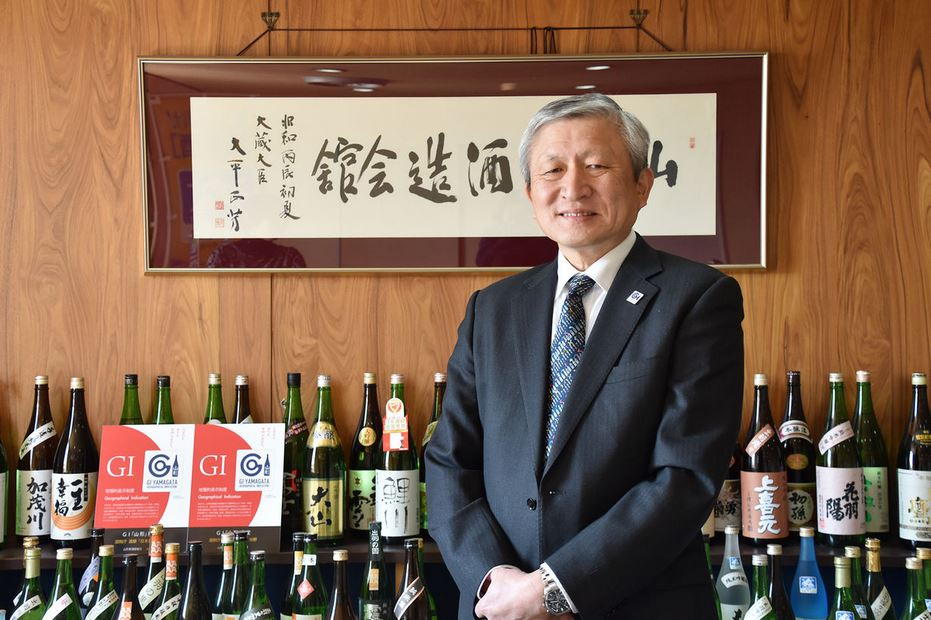
Geographic indications (GIs) are an important part of alcohol labeling. They protect names linked to specific places and production methods. They can also create risks for foreign brands entering Japan. Understanding geographic indication japan label rules helps you protect genuine provenance claims. It also helps you avoid using protected terms…
Bonded Warehouses and Customs Clearance for Alcohol in Japan , September 11, 2026
Bonded Warehouses and Customs Clearance for Alcohol in Japan
This series has referenced bonded warehouses repeatedly because several parts of Japan’s alcohol import process can take place while goods remain under customs control. These include inspection, testing, tax assessment, and label affixing. This post brings those steps together into a complete overview of bonded warehouse Japan alcohol clearance, from…
Allergen Disclosure Rules for Imported Alcoholic Beverages in Japan , September 11, 2026
Allergen Disclosure Rules for Imported Alcoholic Beverages in Japan
Allergen disclosure is an easy compliance area to overlook when importing alcohol into Japan. Many brands associate allergen labeling with packaged food rather than beverages. However, alcohol products can also raise allergen concerns. Fining agents, flavorings, and production processes may introduce allergen-relevant ingredients. Japan’s allergen labeling framework What the regulation…
Pre-Testing Your Product at a Registered Laboratory Before Shipping to Japan
For a brand planning more than a one-off shipment, pre-testing alcohol in Japan at a recognized laboratory can reduce uncertainty before goods leave the country of origin. It does not guarantee that Japanese authorities will skip further testing. However, it can provide useful documentation and greater confidence before the shipment…
Inspection Orders and Random Surveillance: How Japan Tests Imported Alcohol
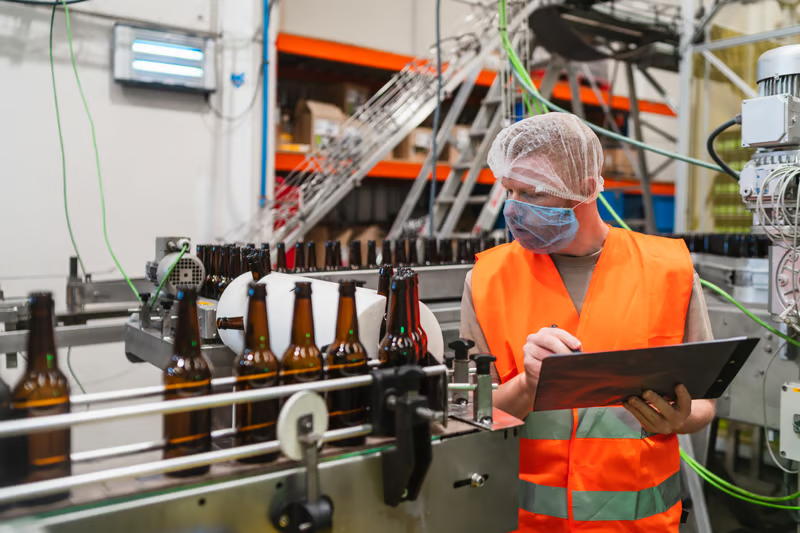
Not every shipment gets tested. However, understanding Japan’s testing system can remove much of the uncertainty for first-time exporters. The key is to understand the difference between random surveillance and a formal inspection order. This post explains how Japan’s import inspection order procedures work. The MHLW Monitoring Plan What a…
Liability and Recall: Who Is Responsible When an Imported Product Has a Problem
Most planning conversations focus on getting a product into Japan successfully, and understandably so. But a complete picture also requires an understanding of what happens when something goes wrong after the product reaches the market. Alcohol recall procedures in Japan and the liability questions behind them are worth understanding before…
The Wholesaler Dealer License: The Quiet Workhorse of Alcohol Importing
The import license gets most of the attention when brands discuss entering Japan. However, the wholesaler dealer license japan operators hold plays an equally important role. This license helps move products from customs clearance into Japan’s distribution chain. From there, products can reach retailers, restaurants, bars, and other business customers.…
Restaurant and On-Premise Sales: Special License Notes for Hospitality Imports
A foreign brand’s product reaching a restaurant, bar, or hotel isn’t the same regulatory question as that same product reaching a retail shelf — on-premise consumption sits under its own licensing logic, and understanding restaurant alcohol license japan requirements matters for any brand planning to build real presence in Japan’s…