Private-Label Sake for Overseas Restaurants and Retailers
 By
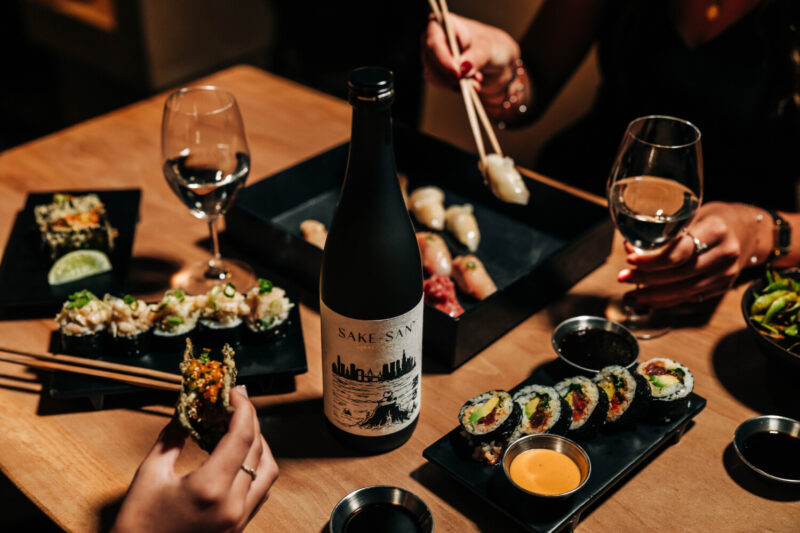
Overseas restaurant groups and retailers increasingly want sake under their own brand names. Japanese breweries can help them meet this demand through private-label production.
However, a successful private-label sake program requires careful planning. Buyers and breweries must agree on brand ownership, label responsibilities and product specifications. They must also maintain consistent quality across production runs.
This guide explores the main considerations from an exporter’s and importer’s perspective.
The private-label opportunity
What the regulations require
A private-label sake is produced by a brewery but sold under another company’s brand. Japan’s domestic sake market faces a shrinking and aging drinking population. Domestic consumption has also declined over the long term. As a result, overseas private-label programs can offer breweries another route to market.
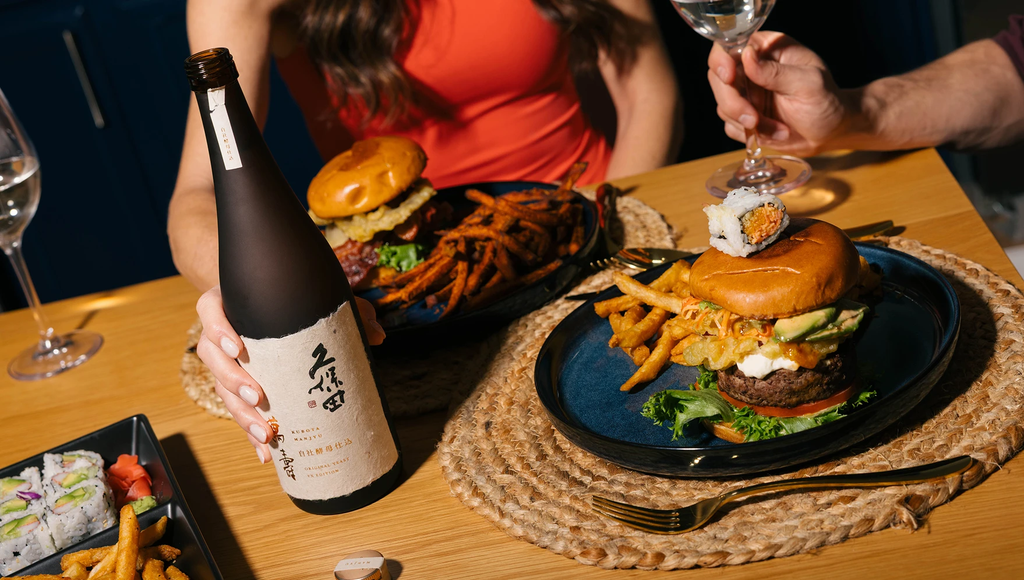
For restaurant groups and retailers, private labeling creates a different opportunity. They can offer an exclusive house sake that competing businesses cannot sell under the same brand.
Regulatory compliance must come first. Japanese rules require specific information on sake labels sold in Japan. This includes the product name, alcohol content, ingredients, net volume and brewery details. The National Tax Agency also regulates specific sake designations. <Cite refs={[“turn365787search37″,”turn365787search3”]}/>
Export-only products require a separate review. Each destination market has its own labeling, import and alcohol regulations. Requirements may cover product classification, alcohol content, net volume, origin and importer details.
For example, the United States has specific federal requirements for imported sake. The Alcohol and Tobacco Tax and Trade Bureau (TTB) also applies formula and laboratory requirements to imported sake. <Cite refs={[“turn365787search1″,”turn365787search0”]}/>
Buyers should ask their destination importer to confirm the applicable rules before approving artwork. They should also establish how the label identifies the brand owner, producer and importer.
Sake-specific designations also require attention. Terms such as junmai, ginjo and daiginjo have defined production criteria. For example, daiginjo generally requires a rice polishing ratio of 50% or less. Ginjo requires 60% or less. Junmai has no specific rice polishing ratio requirement. The brewery must confirm that the product meets the relevant criteria before using these terms. <Cite refs={[“turn365787search7″,”turn365787search9”]}/>
The most common compliance gaps
The first common problem involves unclear responsibilities. The brand owner expects the brewery to manage the label. Meanwhile, the brewery assumes the buyer’s importer will handle compliance. Nobody takes responsibility for final approval.
This confusion can delay shipments and increase costs.
A second problem involves inaccurate product descriptions. For example, a buyer may request a junmai daiginjo designation for marketing purposes. However, the brewery must confirm the ingredients, rice polishing ratio and production method before approving that claim.
Other common issues include:
- Alcohol content that differs from laboratory results.
- Bottle sizes that do not meet destination requirements.
- Missing ingredient or allergen information where required.
- Incorrect producer, brand owner or importer details.
- Artwork that does not match the approved import documentation.
How localization handles it
Agree on responsibilities before designing the label. Identify who owns the artwork, verifies product classifications and coordinates regulatory approvals.
Develop the destination-market label alongside the product. Keep the brand identity on the front while providing the required information in the appropriate language.
The importer should review the final artwork before printing. This step helps identify problems before they become expensive production or shipping issues.
At JapanPint, we approach import documentation with the same attention to detail. Reviewing labels and SKUs before filing can help businesses avoid preventable complications.
MOQs and production runs
What an exporter needs to understand
Minimum order quantities (MOQs) are among the first questions buyers ask. They also represent one of the main production constraints for breweries.
Sake production involves tanks, fermentation schedules and carefully planned bottling runs. A brewery’s willingness to accept a private-label order depends on several factors:
- Tank capacity and available production space.
- Existing production commitments.
- Bottling schedules.
- Packaging and label lead times.
- The number of bottles required.
- Expected reorder frequency.
A small restaurant order may not justify a dedicated production run.
The brewery must also understand whether the buyer wants an existing recipe or a custom product. Custom recipes, packaging and multiple SKUs can increase production complexity.
MOQs vary considerably between breweries. Therefore, buyers should request a quotation based on their actual product and packaging requirements rather than relying on a general industry estimate.
How it plays out in the destination market
For buyers, an MOQ directly affects inventory, storage and working capital.
Sake also requires appropriate storage and transport conditions. Heat, light and poor handling can affect its quality. Unpasteurized and other delicate styles may need particularly careful temperature management.
A large first order can create unnecessary risks, especially when the destination has a warm climate. Buyers should discuss suitable storage conditions and shipping arrangements with the brewery and importer before placing an order.
Reorder frequency matters just as much as the first shipment. A program with regular orders gives the brewery a clearer production forecast. It also makes long-term capacity planning easier.
The practical takeaway
Start by agreeing on a realistic production quantity. Both the buyer and brewery should understand the costs and commitments involved.
Next, establish a reorder schedule based on expected sales. A modest, repeatable program can work better than a large one-time order.
This approach helps control inventory costs and reduces the risk of products remaining in storage for too long.
Brand and label design
What the regulations require
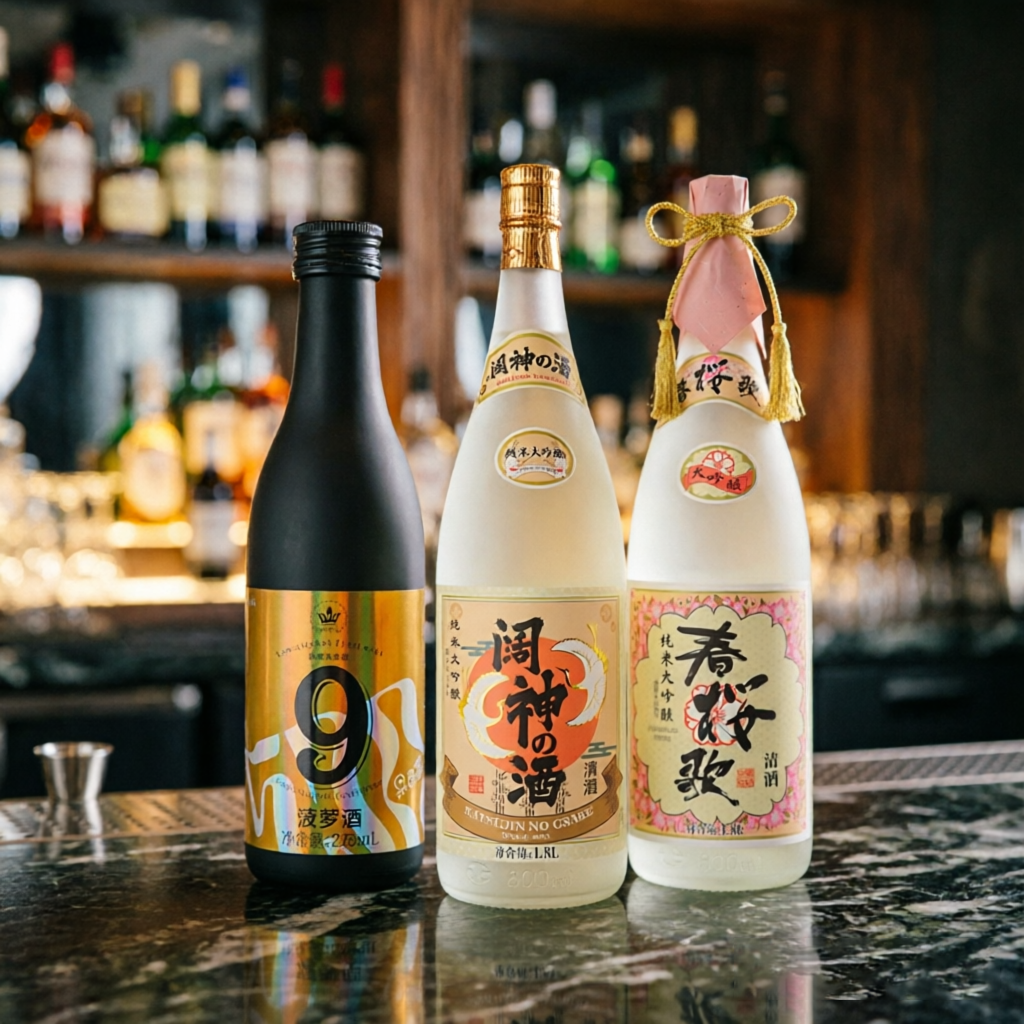
Private-label sake packaging must balance two priorities: brand identity and regulatory information.
The brand elements include the company name, artwork, product story and Japanese-language design. The regulatory information depends on the destination market.
It may include:
- Product classification and designation.
- Alcohol content and net volume.
- Ingredient information.
- Producer and importer details.
- Country of origin.
- Required warnings and other local statements.
Businesses should not assume that a label approved for one country will automatically comply with another country’s rules.
If the sake will also be sold in Japan, the brewery and brand owner must consider Japanese domestic labeling requirements. These differ from export-only arrangements and may involve the Liquor Tax Act and other applicable legislation.
Brand protection also deserves attention. A name that works in one market may conflict with an existing trademark elsewhere. Buyers should arrange trademark checks in each intended destination.
Japanese-language elements also need careful consideration. Kanji, traditional artwork and cultural references can create expectations about the product’s origin and history. The brand story should accurately reflect the brewery and production process.
The most common compliance gaps
One frequent problem involves using the appearance of a traditional Japanese sake brand without supporting the story.
For example, historical imagery, kanji and references to long brewing traditions can mislead customers if the claims do not reflect the actual product.
Another problem involves poor label layout. A front label may look attractive but leave insufficient space for mandatory information. This can lead to crowded back labels and difficult-to-read text.
Brand inconsistency creates further complications. The product name should match across the bottle, importer documentation and marketing materials. Differences can delay import processing or confuse customers.
How localization handles it
Include mandatory information in the original design. Do not leave regulatory details until the final printing stage.
Keep the brand story accurate and transparent. For example, the label can explain that a named Japanese brewery produces the sake for the brand, provided the brewery agrees with that statement.
Before printing, ask the importer to approve the final artwork. Keep a dated copy of the approved version for future production runs.
This practice helps maintain consistency across different orders and destinations.
Quality consistency
What an exporter needs to understand
Consistency is essential to a successful private-label sake program.
A restaurant expects its house sake to taste the same across different shipments. Retailers also expect each new order to match the product they originally introduced.
Several factors influence consistency:
- Rice variety and quality.
- Water characteristics.
- Yeast selection.
- Fermentation methods.
- Blending and bottling practices.
- Production and quality-control procedures.
- Storage and transport conditions.
Some sake styles can also change over time. Temperature, light and storage conditions may influence their flavor and aroma.
How it plays out in the destination market
Consider a restaurant that serves the same private-label sake every evening. Customers expect a familiar taste and experience.
Retailers have similar expectations. Their second shipment should match the first in product quality and presentation.
If the flavor changes significantly, customers may lose confidence in the brand. The buyer then faces the reputational consequences, even when the brewery controls production.
A written product specification helps prevent these problems.
It should cover the following details:
- Rice variety and other key ingredients.
- Rice polishing ratio.
- Alcohol content and acceptable range.
- Production method.
- Sensory profile, including aroma and flavor.
- Packaging specifications.
- Acceptable production variation.
These records also support compliance checks. Product information on the label should match the actual ingredients and production details.
The practical takeaway
Agree on a written product specification before production begins.
Both parties should also establish a simple approval process for each production run. For example, they can retain an approved reference sample and compare subsequent batches against it.
Storage and transport deserve equal attention. Even a well-produced sake can lose quality if someone handles it incorrectly.
Margin advantages
What an exporter needs to understand
Private labeling offers buyers greater control over branding and market positioning.
A retailer or restaurant group can develop its own identity without relying entirely on established sake brands. It can also choose a product that suits its customers and menu.
Breweries benefit too. They can secure additional production volume without building a separate overseas consumer brand.
However, private labeling also creates responsibilities.
The buyer must manage marketing, inventory and brand development. It must also account for compliance costs and the risks of unsold stock.
A seemingly attractive margin can disappear when production minimums, packaging and logistics costs exceed expectations.
How it plays out in the destination market
A realistic margin calculation must include every stage of the supply chain.
Important cost components include:
- Brewery purchase price.
- Bottle, packaging and labeling costs.
- International freight and insurance.
- Import duties and excise taxes.
- Customs clearance and handling.
- Importer and distributor margins.
- Warehousing and domestic delivery.
- Retail or restaurant operating margins.
Tax treatment also differs between destinations. Buyers should confirm how the relevant authorities classify sake and calculate applicable duties and taxes.
Preferential trade arrangements may also affect import costs, depending on the product’s origin and the destination country’s rules.
JapanPint does not provide generic profit guarantees. Each program needs a cost calculation based on confirmed product specifications, SKUs and destination requirements.
The practical takeaway
Start with the selling price customers will realistically accept. Then subtract the confirmed costs at every stage.
The remaining amount shows whether the proposed business model can work.
If the margin is too small, consider a different product tier, packaging format or destination market.
Avoid competing on price alone. A strong private-label sake should offer a clear product identity and consistent quality.
Setting up a private-label sake program

What the regulations require
A successful private-label arrangement involves several parties:
- The buyer or brand owner.
- The Japanese sake brewery.
- The exporter or shipping partner.
- The licensed importer in the destination market.
Each party needs a clear role before production begins.
On the Japanese side, businesses must confirm the applicable export procedures, licensing responsibilities and liquor tax treatment with the relevant authorities. Export arrangements may qualify for specific tax treatment, but eligibility depends on the transaction and supporting documentation.
The buyer should also consult the destination importer before sending product samples. Alcohol samples can still fall under import, licensing and customs requirements.
The importer needs sufficient information to review the product before shipment. This includes the label, product specification, producer details and relevant supporting documents.
A written agreement between the buyer and brewery should cover:
- Ownership of the brand and artwork.
- Product specifications and quality standards.
- Minimum order quantities.
- Reorder conditions and production schedules.
- Label approval responsibilities.
- Payment and delivery terms.
- Treatment of unsold stock.
- Ownership and use of remaining packaging.
- Procedures for ending the relationship.
The most common compliance gaps
The first major mistake is starting design or production before confirming responsibilities.
A brewery may print labels and complete a production run before the importer checks the destination’s requirements. This can result in costly corrections and shipment delays.
Documentation creates another challenge. Ingredient details, alcohol content and production records must remain consistent across the brewery’s documents, product labels and import filings.
Discrepancies can lead to additional questions or delays during customs and regulatory checks.
Finally, brand owners should not assume that the brewery’s reputation automatically transfers to their new product. They must develop their own product story and communicate its value to customers.
How localization handles it
Follow a clear sequence:
- Identify the destination market and its import requirements.
- Ask the importer to review the product classification and label requirements.
- Agree on the product specification and responsibilities with the brewery.
- Confirm the MOQ, packaging and production schedule.
- Finalize and approve the artwork.
- Complete the required documentation.
- Arrange the first production run and shipment.
Keep a separate compliance file for each SKU. Include the approved artwork, product specification, ingredient information and relevant import documents.
This organized approach makes repeat orders easier to manage.
At JapanPint, our experience comes from working on the import side of the Japanese beverage market. We understand the importance of accurate product information, labels and SKU documentation.
We do not claim to operate an overseas distributor network. Our owned channels include CraftBeer.co.jp, OmoriMart.com and Jasumo.com. We also sell through Amazon Japan, Rakuten and Yahoo Shopping. These channels operate within Japan.
What we can offer private-label buyers is a practical review of their labels, SKUs and supporting documentation before they approach potential importers.
Tell us about your private-label plans and target markets through our contact form. We can review your labels and SKUs against the information your prospective importers will need.
You can also contact our team directly at su*****@*******nt.com.