Importing Premium and Limited-Edition Bottles Into Japan
 By
By 
Japan’s collector and connoisseur market for premium and limited-edition alcohol is highly sophisticated. Buyers are willing to pay for scarcity, provenance, and a strong product story when the release genuinely supports its premium position. This guide explains what premium alcohol import Japan brands need to consider when targeting this high-value segment.
Why premium suits Japan

The direct answer up front
Japan’s alcohol market continues to move toward premium products. A shrinking and aging drinking population is shifting demand from volume toward value. This creates opportunities for premium and limited-edition releases, especially for brands that do not compete mainly on price.
What the answer depends on in practice
A premium release still needs credible scarcity and a compelling story. Japanese buyers often have strong product knowledge. They can distinguish genuine limited editions from standard products with a higher price and a new label.
The product itself must support the positioning. Production methods, maturation, provenance, release volume, and packaging can all contribute to that value.
A concrete example for a foreign brand
Consider a genuinely limited cask-strength whisky release. Detailed production information and authentic scarcity can make it attractive to Japan’s collector market.
A standard expression that a brand simply labels as “limited” will have a much harder time creating the same appeal. Japanese collectors tend to reward substance rather than positioning language alone.
Allocation and scarcity strategy
The variables that drive the number
A brand needs to decide how many bottles will enter Japan and which channels will receive them. That allocation affects both global inventory planning and the credibility of Japan-specific scarcity.
A small, clearly defined allocation can create genuine collector interest. However, the quantity must still support a meaningful market presence.
A realistic range, not a firm quote
There is no universal allocation formula for premium alcohol imports. The right quantity depends on global production, existing market commitments, release timing, and the brand’s goals for Japan.
A carefully planned Japan allocation usually works better than either extreme. Too much inventory can weaken the scarcity story. Too little can prevent the brand from building meaningful distribution and awareness.
Why a label and SKU review matters
A proper review can connect the release volume with the product’s positioning, timing, and expected channels. It can also identify practical issues before the brand commits inventory to Japan.
That process turns a general premium strategy into an allocation plan designed for the specific release.
Documentation for high-value goods
What a foreign brand needs to understand
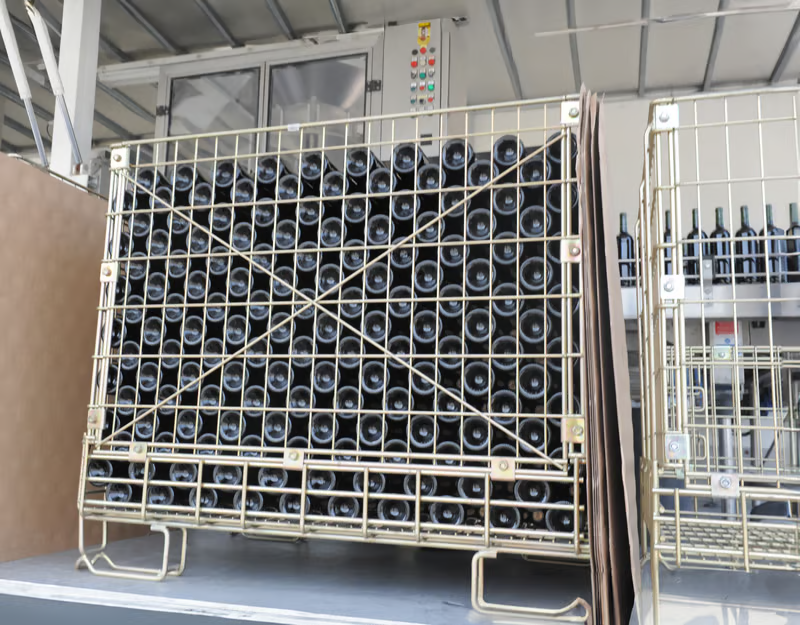
High-value, limited-edition alcohol shipments require careful documentation. Brands should provide accurate declared values, clear provenance information, and complete compliance documents.
The financial stakes can be higher than those for standard shipments. Customs or documentation problems can therefore create more significant consequences.
How it works in the import process
The core import process remains the same. Depending on the product and circumstances, it can include the food import notification, labeling-method notification, customs procedures, and tax assessment.
A premium product does not receive a separate regulatory pathway simply because it has a high price. However, careful preparation becomes more important when the shipment has substantial value.
The practical takeaway
Apply the same documentation standards required for other alcohol imports. Then give high-value shipments additional attention.
A premium shipment still needs accurate paperwork and proper compliance. The difference is that an avoidable error can cost considerably more when the goods have a high declared value.
Insurance and handling
What a foreign brand needs to understand
High-value shipments also require careful consideration of insurance and handling. Physical damage or loss can have a greater financial impact when each bottle carries substantial value.
The condition of the product also matters. Collector buyers expect premium releases to arrive in excellent condition, particularly when packaging forms part of the product’s appeal.
How it fits into the import process
Insurance and handling sit alongside the regulatory import process rather than replacing it. Brands should discuss both areas with their importer of record and shipping provider.
Standard shipping terms may not provide enough coverage for a genuinely high-value release. The brand should therefore confirm the applicable limits and exclusions before shipment.
The practical takeaway
Check that your insurance coverage reflects the shipment’s actual declared value. Do not assume that a standard policy automatically provides sufficient protection for a premium release.
Channel selection for premium
How this channel works in Japan
Japan’s premium and collector alcohol market uses more specialized channels than the mainstream market. These can include specialty retailers, collector and auction platforms, high-end on-trade venues, and curated e-commerce.
Each channel attracts a different type of buyer. The right choice depends on the product, price, release volume, and collector appeal.
Fit for the product and price tier
A genuine limited-edition release needs a channel that can communicate its value. Buyers should have both the knowledge and willingness to pay for the product.
Mainstream placement can work for some premium products. However, placing a highly limited release beside standard-tier products may weaken its story and make price comparisons more difficult.
How JapanPint’s owned channels apply
Through JapanPint’s owned channels, including CraftBeer.co.jp, OmoriMart.com, and Jasumo.com, a premium release can receive a more curated presentation.
JapanPint can also work across established marketplaces such as Amazon Japan, Rakuten, and Yahoo Shopping. The appropriate mix depends on the product and its intended audience.
The goal is not simply to place the product in as many channels as possible. Instead, the strategy should connect the release with buyers who actively value its scarcity, provenance, and product story.
A premium import playbook

What a foreign brand needs to understand
A premium or limited-edition release follows the same core regulatory roadmap as other alcohol imports. However, allocation, documentation, logistics, and channel selection deserve additional attention because the shipment carries higher commercial stakes.
How it works in the import process
The process generally starts with a licensed importer of record that holds the required NTA liquor license.
The importer can also consult the relevant quarantine station at the intended port of entry when necessary. The next steps may include filing the food import notification under the Food Sanitation Act and completing any required inspection or bonded-warehouse sampling.
The importer then handles the applicable liquor tax, customs duty, and 10% consumption tax. High-proof products may also require careful review of the applicable alcohol-tax classification and rates.
The brand must also address the required labeling procedures. Compliant Japanese labels need to meet the applicable requirements before the product leaves the bonded area for domestic distribution.
Finally, the importer can move the release through carefully selected premium, specialty, and e-commerce channels.
The practical takeaway
A premium alcohol brand does not need a completely separate regulatory process for Japan. The same underlying import framework applies.
What changes is the level of strategic attention. Allocation, documentation, insurance, handling, and channel selection can have a much greater effect on the commercial outcome of a high-value limited release.
Getting those decisions right starts with reviewing the actual product, SKUs, release volume, and Japan entry plan.
Tell us about your product and SKU range through our contact form, and we’ll review where your brand stands for Japan entry. You can also contact us at su*****@*******nt.com if you prefer email.