Importing Tequila and Agave Spirits Into Japan
 By
By 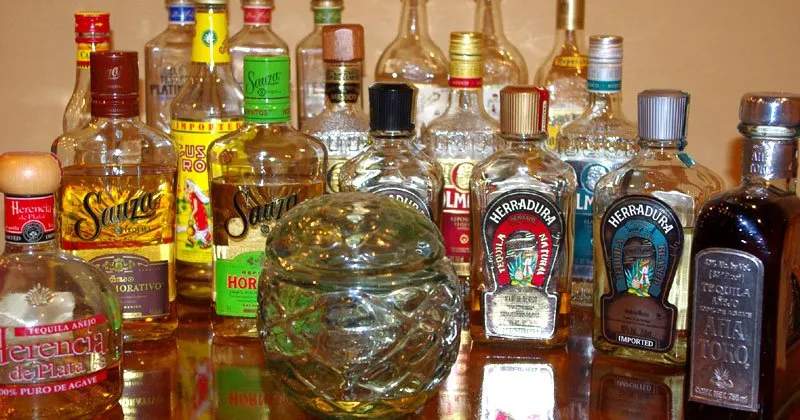
Tequila and mezcal have moved beyond their reputation as party shots in many serious spirits markets. Japan’s sophisticated cocktail and spirits culture is also becoming more receptive to agave spirits.
If you’re exploring how to import tequila to Japan, this guide covers the key classification, tax, labeling, geographic indication, and positioning considerations for agave spirits.
Agave-Spirit Classification
What a Foreign Brand Needs to Understand
Japan classifies tequila and mezcal as spirits under the Liquor Tax Act. The general framework also applies to whisky, gin, and rum.
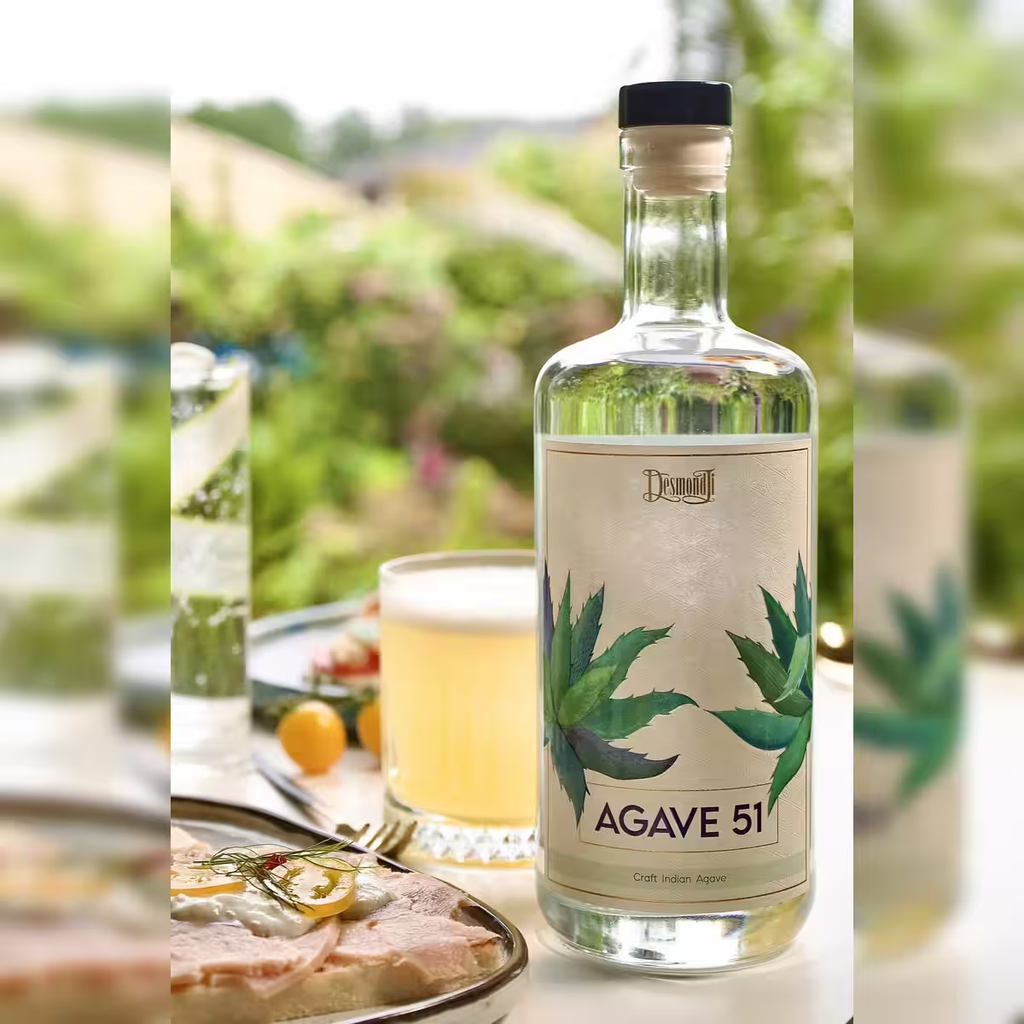
However, agave spirits have specific production terms that require careful handling. Tequila uses terms such as blanco, reposado, and añejo. Mezcal also uses specific agave varieties and production methods.
These terms matter for both compliance and marketing.
How Classification Works During Import
Agave spirits follow the standard spirits classification process. However, their geographic indication status requires additional attention.
Tequila has a protected designation of origin. Therefore, brands must handle geographic origin claims carefully during the import and labeling process.
The Practical Takeaway
Treat tequila and mezcal as spirits under Japan’s standard tax framework. At the same time, review production terminology and geographic origin claims carefully.
Generic spirits classification alone does not cover these agave-specific considerations.
Tax and Duty Notes
The Variables That Drive the Cost
Several factors determine the landed cost of tequila or mezcal.
These include ABV, HS classification, country of origin, applicable customs duty, and Japan’s trade relationship with the product’s country of origin. The 10% consumption tax also forms part of the overall import cost.
ABV deserves particular attention. Many standard tequila and mezcal products sit around 38–40% ABV. As a result, some products sit close to or above the 37% surcharge threshold under the Liquor Tax Act.
Why Exact ABV Matters
The 37% threshold makes precise ABV confirmation especially important for agave spirits.
A small difference in ABV can affect the applicable tax calculation. Therefore, brands should confirm the exact ABV for every SKU before calculating landed cost.
Why a Label and SKU Review Helps
A label and SKU review confirms the exact ABV and other product details required for the calculation.
This step becomes particularly useful for agave spirits because many products sit close to the surcharge threshold.
Geographic-Indication Considerations
What a Foreign Brand Needs to Understand
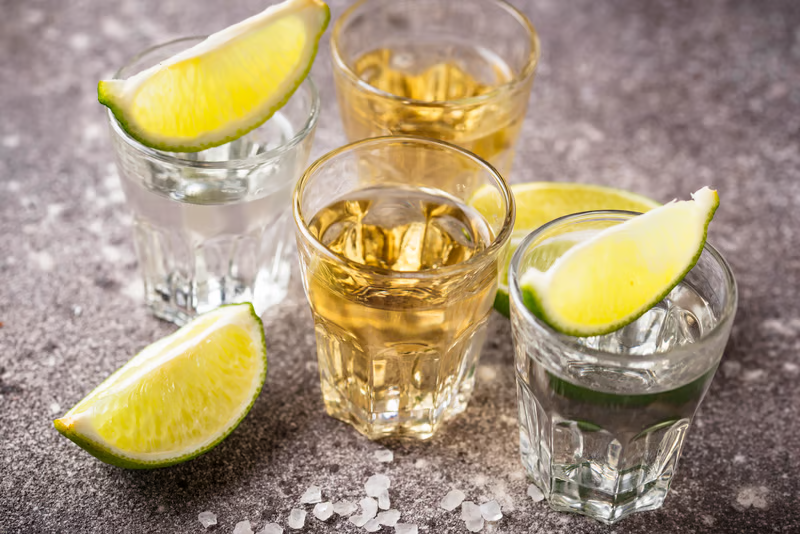
Tequila has a protected designation of origin. Genuine tequila must come from the qualifying regions of Mexico and meet the applicable Mexican requirements.
Therefore, a product cannot simply use the term “tequila” because it follows a similar production style.
How It Works During Import
The geographic indication review connects directly with label compliance.
A genuine tequila or mezcal product should use terminology that accurately reflects its qualifying origin. An agave spirit produced outside the relevant protected regions needs different terminology.
Brands should also avoid wording that could create an inaccurate impression of protected geographic origin.
The Practical Takeaway
If your product qualifies as tequila or mezcal, make sure the Japanese label accurately reflects its origin.
If the product comes from outside the protected regions, use terminology that clearly describes the product’s actual origin and category.
Label Localization
What the Regulation Requires
Japanese labels for tequila and mezcal must meet the applicable Food Labeling Act and Liquor Tax Act requirements.
The label should also accurately reflect geographic origin and relevant designation status. In addition, alcohol products require the mandatory under-20 warning.
The importer must complete the required labeling procedures before withdrawing the products from bond.
Common Compliance Gaps
A common issue involves aging terminology.
Terms such as blanco, reposado, and añejo have specific meanings within tequila production. A simple translation may not give Japanese consumers enough context.
Mezcal can create another challenge. Agave variety and production method can form an important part of the product story.
If translation removes these details, the Japanese version may lose important product information.
How Localization Handles It
Give aging classifications and production terms enough context for the Japanese market.
Do not simply translate technical words. Explain their relevant meaning where necessary.
The same principle applies to agave varieties and production methods. Clear localization helps preserve both compliance information and the product’s commercial story.
Positioning Premium Agave Spirits
How This Channel Works in Japan
Japan has an established cocktail and spirits culture. As a result, premium tequila and mezcal can fit naturally into specialist cocktail and spirits channels.
Consumers interested in premium agave spirits may also want to understand production methods, agave varieties, aging, and origin.
This creates an opportunity for brands with a genuine production story.
Fit for Different Product and Price Tiers
Premium agave spirits can suit specialty spirits retailers, dedicated cocktail bars, and curated e-commerce channels.
These channels allow knowledgeable buyers and bartenders to explain production details. They also give brands more space to communicate their product story.
How JapanPint’s Owned Channels Apply
JapanPint’s owned channels include CraftBeer.co.jp, OmoriMart.com, and Jasumo.com. The business can also use Amazon Japan, Rakuten, and Yahoo Shopping.
These channels can connect premium agave spirits with consumers interested in craft beverages and cocktail culture.
A clear product story can also help distinguish a genuine production narrative from a generic tequila listing.
An Agave Import Checklist
The Items That Matter Most
Before shipping, an agave-spirit brand should confirm several key details.
First, confirm the exact ABV for every SKU. Pay particular attention to the 37% surcharge threshold.
Next, verify geographic indication status and confirm that all origin claims accurately describe the product.
Then, review aging, agave variety, and production terminology. Make sure the Japanese version preserves the relevant meaning.
Finally, define the production story that will differentiate the brand in Japan.
Why Each Item Matters
Each checklist item addresses a specific part of the import process.
ABV affects the liquor tax calculation. Geographic indication status affects origin and labeling claims. Production terminology affects consumer understanding.
Meanwhile, clear positioning helps the brand communicate its value through the right sales channels.
How to Prepare the Product
The most reliable approach involves reviewing these elements together.
An import partner with experience in agave spirits can review ABV, geographic indication status, labeling terminology, and production details as one process.
This approach helps avoid treating tequila or mezcal as generic spirits. Agave products have origin-specific and production-specific considerations that deserve separate attention.
Getting your agave spirit’s ABV, origin claims, labeling, and positioning right starts with a review of your specific product.
Tell us about your product and SKU range through our contact form, and we’ll review where your brand stands for Japan entry. If you prefer email, you can also reach us at su*****@*******nt.com.