Exporting Mexican Tequila and Mezcal to Japan
 By
By 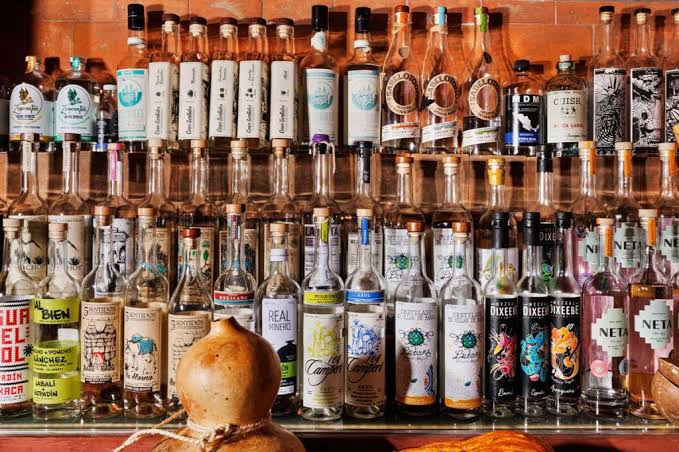
Agave spirits have moved well beyond novelty status in Japan — a growing cohort of bartenders, collectors, and quality-focused drinkers now treat tequila and mezcal with the same seriousness once reserved for whisky. Here’s what it actually takes to export tequila japan buyers are increasingly seeking out, and what’s specifically different about bringing mezcal into that same market.
Agave-spirit demand in Japan
What a foreign brand needs to understand
Tequila has built genuine momentum in Japan over the past decade, driven largely by the global craft cocktail movement and a growing base of Japanese bartenders and consumers who now approach it as a serious sipping spirit rather than purely a mixing base. Mezcal is at an earlier stage — smaller, more enthusiast-driven, but growing quickly among the same audience that has already developed sophistication around tequila.
How it plays out in the import process
This means a tequila brand enters a market with real existing momentum and a base of informed buyers who can distinguish between mass-market and craft-focused expressions. A mezcal brand is working with a smaller but often more engaged and curious audience — one actively looking for distinctive, small-production spirits, which can actually work in a genuine artisanal producer’s favor despite the category’s smaller overall size.
The practical takeaway
For tequila, focus on communicating what specifically differentiates your expression — production method, agave variety, aging — within a category buyers already understand reasonably well. For mezcal, lean into the genuine artisanal story and production specificity, since that’s exactly what the current, more specialized audience is actively seeking.
GI and classification
What a foreign brand needs to understand
Both “Tequila” and “Mezcal” are protected geographical indications tied to specific regions and production standards in Mexico, meaning their use on a label is restricted to products that genuinely meet the defined origin and production criteria. This protection matters for labeling accuracy and for consumer trust in a market where buyers increasingly understand and value these distinctions.
How it plays out in the import process
Beyond the GI designation itself, classification specifics matter for market positioning — Blanco, Reposado, Añejo for tequila, or the various agave species and production traditions relevant to mezcal, all carry real meaning for the enthusiast segment of the Japanese market that’s driving current category growth. Getting this classification information accurate and clearly presented is both a labeling and a positioning consideration.
The practical takeaway
Make sure your label and any accompanying marketing materials clearly and accurately reflect your product’s specific classification and production method — this Japanese audience segment is knowledgeable enough to notice and value that accuracy, and it’s a meaningful part of what differentiates a serious import from a generic one.
Label localization
What the regulation requires
Tequila and mezcal labels need Japanese-language disclosure of ingredients, the Japan-based responsible party’s name and address, ABV and tax category, and the mandatory under-20 warning — satisfying both the Food Labeling Act and Liquor Tax Act simultaneously, same as any spirits category.
The most common compliance gaps
A common gap for both categories is around aging and classification terminology (Reposado, Añejo, or specific mezcal production descriptors) that carries real meaning but needs accurate Japanese disclosure rather than being dropped for simplicity. For mezcal specifically, given the diversity of small producers and traditional production methods, ingredient and additive disclosure sometimes needs closer attention if any non-agave elements are part of the traditional production process.
How localization handles it
Preserving classification and production terminology on the front label while adding accurate Japanese disclosures separately — often through a back-label approach — protects the product’s authentic identity for an audience that values it, while satisfying compliance requirements cleanly.
Premium positioning
How this channel actually works in Japan
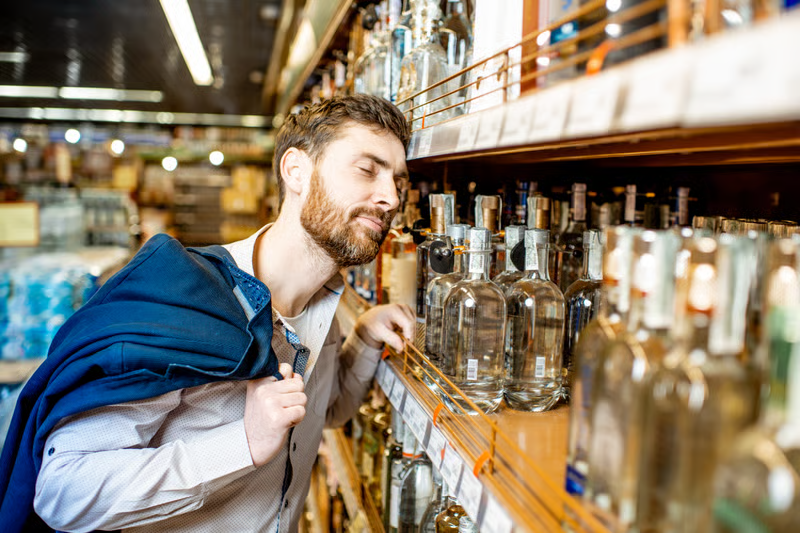
Both tequila and mezcal in Japan increasingly move through premium-focused channels: specialty spirits retail, dedicated cocktail bars and agave-spirit-focused venues, and e-commerce targeting engaged buyers. This reflects the category’s evolution away from a mixing-only reputation toward genuine sipping-spirit status among Japan’s more knowledgeable drinkers.
Fit for a foreign brand’s product and price tier
This premium-channel fit aligns well with Japan’s broader premiumizing market dynamics — a smaller-production, quality-focused tequila or mezcal brand generally has more to gain from strong placement in specialty and enthusiast-focused channels than from competing for mainstream retail shelf space against larger, established mixing-focused brands.
How JapanPint’s owned channels apply
JapanPint distributes through its own channels — CraftBeer.co.jp, OmoriMart.com, and Jasumo.com — alongside Amazon Japan, Rakuten, and Yahoo Shopping, giving a tequila or mezcal brand access to both curated specialty positioning for the enthusiast audience actively seeking these products and broader marketplace visibility as category awareness continues to grow.
Channel strategy
The variables that drive the number
Which channels make sense for your agave-spirit brand depends on your production scale, price tier, and where your specific product sits on the spectrum from accessible mixing spirit to premium sipping expression. A brand with both mixing-focused and premium sipping expressions in its range needs a channel strategy that treats them differently rather than a single blanket approach.
A realistic range (not a firm quote)
A more accessible, mixing-focused tequila might reasonably target a mix of specialty retail and broader e-commerce presence aimed at the cocktail-focused buyer. A premium single-village mezcal or aged tequila might be positioned more narrowly toward specialty spirits retail and dedicated agave-focused bars where collector and enthusiast buyers actively seek it out.
Why a label and SKU review is needed to be precise
The right channel mix for your specific range depends on exactly what’s in that range — production method, classification, price tier for each SKU — details that only become clear through an actual review of your product lineup rather than a general strategy applied uniformly across “tequila” or “mezcal” as broad categories.
A Mexico-to-Japan roadmap
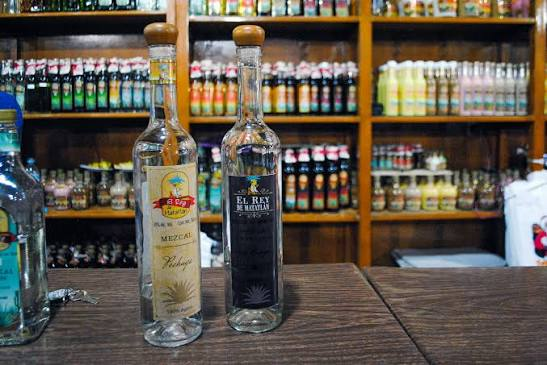
What a foreign brand needs to understand
Exporting tequila or mezcal to Japan follows the same core import sequence as any spirits category: a licensed importer of record, prior consultation with the quarantine station, food import notification, duty and liquor tax assessment, labeling-method notification, and distribution. What’s specific to Mexican agave spirits is the genuine momentum both categories currently enjoy, and the importance of accurate GI and classification handling given how much Japan’s growing enthusiast base values that specificity.
How it plays out in the import process
In practice, a tequila or mezcal producer’s roadmap should start with an honest read of where their specific product fits — accessible mixing spirit or premium sipping expression — since that decision shapes label strategy, channel selection, and pricing expectations from the start, rather than being decided after the first shipment has already landed.
The practical takeaway
Japan’s growing appetite for genuine, well-made agave spirits is a real and current opportunity — but capturing it depends on accurate classification, compliant labeling, and channel positioning matched to your specific product’s place in that spectrum, not on the category’s momentum alone.
Whether your specific tequila or mezcal range is classified, labeled, and positioned correctly for Japan’s current market is exactly the kind of detail a proper review of your product can answer.
Tell us about your product and SKU range through our contact form, and we’ll review where your brand stands for Japan entry. If you prefer email, you can also reach us at su*****@*******nt.com.