Exporting German Wine and Beer to Japan
 By
By 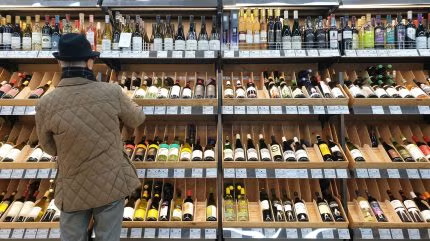
Germany brings two genuinely distinct alcohol traditions to the Japanese market — a globally respected Riesling wine culture and a deep, centuries-old beer brewing heritage — and each requires its own approach to succeed. Here’s what it actually takes to export german wine japan and German beer buyers are ready to embrace.
German wine and beer in Japan

What a foreign brand needs to understand
Japanese consumers hold German wine, particularly Riesling, in genuine esteem — it’s a category with established sommelier and enthusiast recognition, even if it’s a smaller overall share of the wine market than French or Italian wine. German beer carries its own strong reputation, benefiting from Japan’s long domestic engagement with German brewing traditions and techniques, which have influenced Japanese beer culture directly.
How it plays out in the import process
For both categories, this means a German brand isn’t starting from zero on category awareness — Japanese buyers already have context and respect for German wine and beer traditions. What varies is how specific and current that awareness is: Riesling as a varietal is well understood, but a specific producer or region still needs to earn its own recognition, and German beer styles beyond the most familiar (like Pilsner or Weissbier) may need more explanation.
The practical takeaway
Both categories benefit from leaning into genuine specificity — a particular German wine region’s character, a specific brewery’s traditional method or lesser-known style — rather than relying on “German” as a sufficient positioning on its own. The reputational foundation is there; the differentiation work still needs to happen at the brand level.
Beer freshness logistics
What a foreign brand needs to understand
German beer, like any beer category, carries real freshness sensitivity — shipping time, storage conditions, and time-to-shelf all affect the product’s actual quality by the time a Japanese consumer buys it. This matters particularly for German beer styles with more delicate or nuanced flavor profiles, where freshness degradation is more noticeable than in a straightforward, robust lager.
How it plays out in the import process
Any delay during food import notification, inspection, or bonded-warehouse processing eats into a beer’s freshness window before it reaches distribution. This is a key reason prior consultation with the quarantine station — an optional but strongly advised step — matters more for beer than for shelf-stable categories: it de-risks the timeline for the first shipment specifically, protecting product quality on arrival rather than just avoiding a compliance delay.
The practical takeaway
Plan your German beer export’s entire logistics chain with freshness in mind — not just import compliance, but storage conditions and distribution speed after customs clearance. A partner who treats beer’s timeline sensitivity as a real planning factor, rather than handling it identically to a shelf-stable product, protects the quality your brand is actually trying to sell on.
Label localization
What the regulation requires
German wine and beer labels need Japanese-language disclosure of ingredients and allergens (including sulfites for wine), the Japan-based responsible party’s name and address, ABV and tax category, and the mandatory under-20 warning — satisfying both the Food Labeling Act and Liquor Tax Act simultaneously.
The most common compliance gaps
For German wine, a common gap involves German-language classification terminology (Prädikat levels, Trocken/Halbtrocken sweetness indicators) that carries real meaning for enthusiasts but needs accurate handling in Japanese disclosure rather than being dropped or mistranslated. For German beer, a common gap is incomplete disclosure of specialty ingredients in certain traditional styles — coriander or other spices in a Witbier-adjacent style, or specific yeast strains relevant to Hefeweizen — that need accurate ingredient-level disclosure under Japanese standards.
How localization handles it
For wine, preserving German classification terminology on the front label while ensuring accurate Japanese disclosure of what those terms mean (sweetness level, quality designation) protects the wine’s technical identity for enthusiast buyers who value that specificity. For beer, a careful, style-specific ingredient review — rather than a generic translation of the beer’s name and basic description — catches specialty ingredient disclosure gaps before they become a compliance issue.
Riesling and category positioning
How this channel actually works in Japan
Riesling holds a genuinely respected position among Japanese wine enthusiasts and sommeliers, often positioned as a sophisticated, food-friendly alternative to more mainstream white wine choices. This gives German Riesling producers a real opening in Japan’s specialty wine and on-trade channels, where knowledgeable buyers actively seek out the category rather than needing to be introduced to it.
Fit for a foreign brand’s product and price tier
A German Riesling producer, particularly at the premium or single-vineyard end, fits well with Japan’s premiumizing market dynamics — quality and story over volume — and is well positioned for specialty retail and on-trade placement where sommelier relationships can communicate the wine’s specific character to an audience already receptive to it.
How JapanPint’s owned channels apply
JapanPint’s owned channels — CraftBeer.co.jp, OmoriMart.com, and Jasumo.com — alongside Amazon Japan, Rakuten, and Yahoo Shopping give a German wine or beer brand access to both curated specialty positioning and broader marketplace visibility, letting a Riesling producer target enthusiast buyers while a German beer brand can leverage CraftBeer.co.jp specifically to reach Japan’s craft and specialty beer audience.
Channel fit
How this channel actually works in Japan
German wine moves through specialty wine retail, on-trade, and e-commerce channels similar to other imported wine categories. German beer has a broader potential footprint, spanning specialty craft beer retail and bars, more mainstream retail for widely recognized styles, and e-commerce — the right channel mix depends significantly on whether a specific beer is a well-known style or a more specialized traditional one.
Fit for a foreign brand’s product and price tier
A German Riesling is generally best suited to specialty wine retail and on-trade curation rather than broad retail competition. A German beer brand’s channel fit depends on style — a recognizable Pilsner or Weissbier may have a path into broader retail, while a more traditional or regional specialty style is better suited to craft-focused specialty channels where curious, engaged buyers are more likely to try it.
How JapanPint’s owned channels apply
The combination of curated e-commerce channels and major marketplace listings lets a German producer match channel strategy to their specific product — concentrated specialty positioning for a niche wine or beer style, broader marketplace presence for a more widely recognizable one — without managing separate distribution relationships for each approach.
A Germany-to-Japan roadmap

What a foreign brand needs to understand
Exporting German wine or beer to Japan follows the same core sequence as any alcohol import: a licensed importer of record, prior consultation with the quarantine station, food import notification, duty and liquor tax assessment, labeling-method notification, and distribution. What’s specific to Germany is the freshness logistics for beer, the technical classification handling for Riesling, and the genuine existing respect both categories already enjoy in Japan.
How it plays out in the import process
In practice, a German wine producer’s roadmap should focus on accurate technical classification disclosure and specialty channel positioning that reaches enthusiast buyers. A German beer producer’s roadmap should prioritize freshness planning early and a channel strategy matched to how recognizable their specific style already is to Japanese consumers.
The practical takeaway
Germany’s wine and beer traditions already carry real credibility in Japan — the opportunity is there. Converting it into actual sales depends on handling the category-specific details correctly: freshness for beer, technical accuracy for wine classification, and a channel strategy that matches your specific product’s positioning within categories Japanese buyers already respect.
Whether your specific wine or beer range is labeled, positioned, and logistically planned correctly for the Japanese market is exactly the kind of detail a proper review of your product can answer.
Tell us about your product and SKU range through our contact form, and we’ll review where your brand stands for Japan entry. If you prefer email, you can also reach us at su*****@*******nt.com.