Does Your Alcohol Label Need to Be in Japanese? What the Law Requires
 By
By 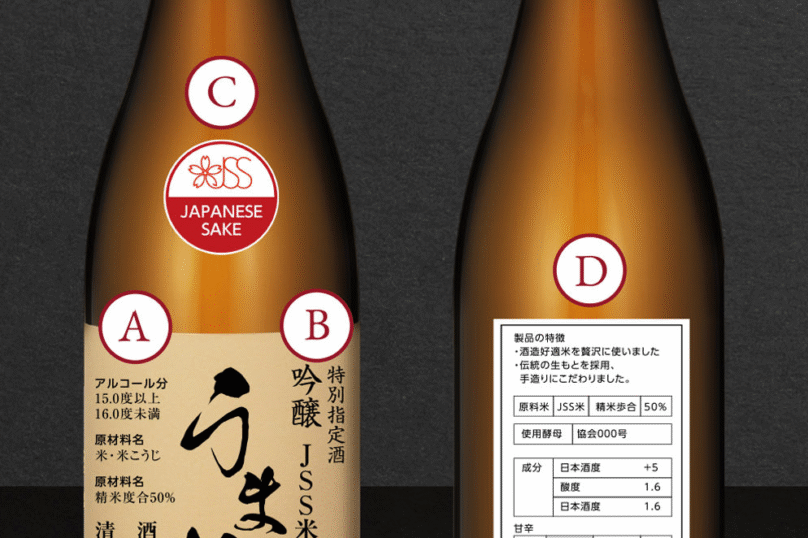
One of the first questions foreign brand owners ask after deciding to enter Japan is whether they need to redesign their entire label. Many also wonder if they can keep their existing packaging largely intact. The answer to alcohol label japanese language requirements depends on your current label. Fortunately, Japanese regulations offer more flexibility than many brands expect.
What must appear in Japanese
The direct answer up front
Certain information must appear in Japanese on alcohol products sold in Japan. This includes required ingredient and allergen information, the name and address of the Japan-based responsible party, alcohol content, tax category information, and the mandatory under-20 drinking warning. Regulators and consumers must be able to read these required details without relying on a foreign language.
What the answer depends on in practice
The required format depends on your packaging and labeling strategy. You can redesign the existing artwork to include Japanese disclosures. You can also keep the original packaging and add a supplementary label. Both approaches can meet the requirements when the label contains all required information in the correct format.
The choice usually comes down to cost, timing, packaging consistency, and available label space.
A concrete example for a foreign brand
Consider a boutique gin brand from the UK with distinctive bottle artwork. The brand may want to preserve its front label exactly as it is. In that case, the importer can add the required Japanese disclosures through a separate label. This approach helps preserve the original brand identity while providing the required information.
What can remain in English
The direct answer up front
Not everything on your label needs translation. Brand names, decorative elements, tasting notes, and other non-mandatory content can generally remain in English or the product’s original language. However, all required disclosures must appear in Japanese. This means Japan label english allowed content can cover much more than many brands initially expect.
What the answer depends on in practice
The key question is whether the information qualifies as a mandatory disclosure under the applicable Japanese requirements. Marketing copy, brand stories, and decorative elements can generally remain unchanged. Required information about ingredients, allergens, alcohol content, tax classification, the responsible party, and age restrictions needs Japanese wording where required.
A concrete example for a foreign brand
An Italian wine producer may keep its vineyard name, vintage, tasting notes, and estate imagery in Italian or English. This can help preserve the product’s premium identity. The importer can then add the required Japanese disclosures to a redesigned section or supplementary back label.
Front-label vs. back-label strategy
How the two options actually differ
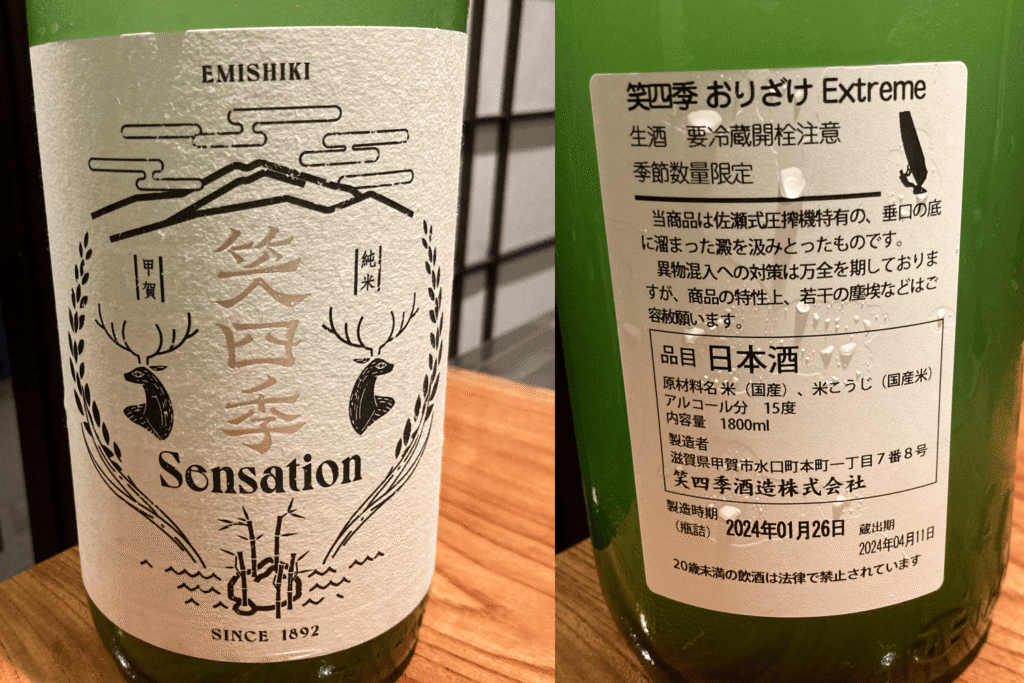
Brands generally choose between two approaches: redesigning the front (or primary) label to incorporate Japanese disclosures directly, or keeping the original front label unchanged and adding a separate back label — often a stick-on label — carrying the required Japanese information. The first integrates compliance into the primary packaging design; the second layers compliance on top of existing packaging.
Cost, speed and control trade-offs
A full front-label redesign typically costs more and takes longer, since it usually involves a new print run and closer design coordination, but it results in a single, cohesive label. A back-label approach is generally faster and cheaper to implement, especially for a first shipment or smaller SKU count, since it doesn’t require reprinting existing packaging — but it does mean two separate label elements need to work together visually and legally.
How to decide which fits your situation
For brands testing the Japanese market with a modest first order, a back-label approach often makes more practical sense: lower upfront cost, faster turnaround, and no disruption to existing inventory or packaging runs. For brands committing to Japan as a long-term core market, a redesigned front label integrating Japanese disclosures may better serve long-term brand consistency. Neither is inherently more compliant than the other — the choice is really about cost, timeline, and brand strategy.
Stick-on back labels explained
What the regulation requires
A stick-on back label carrying the required Japanese disclosures is a legally accepted approach, provided it includes every mandatory element — ingredient and allergen information, the responsible party’s name and address, ABV and tax category, and the under-20 warning — formatted clearly and durably affixed to the product before it’s withdrawn from bond.
The most common compliance gaps
The most common issue with stick-on labels isn’t content, it’s execution: labels that aren’t durably affixed and risk coming loose, or labels applied in a way that obscures other required information on the primary label. Another frequent gap is applying the sticker after the labeling-method notification has already been filed with a mismatched description of what’s actually on the finished product.
How localization handles it
Getting the stick-on label content, adhesive quality, and placement right — and ensuring it matches exactly what’s declared in the labeling-method notification — is a detail-heavy process best handled by a partner who has actually managed this for other brands’ first shipments, rather than treated as a simple print-and-apply task.
Brand identity vs. compliance
How the two options actually differ
Some brands worry that meeting Japan’s labeling requirements means diluting their brand identity — cluttering a carefully designed label with mandatory disclosures. In practice, compliance and brand identity aren’t necessarily in tension; the question is more about which approach (integrated redesign vs. supplementary label) better preserves the visual identity that matters most to a given brand.
Cost, speed and control trade-offs
A back-label approach gives you more control over preserving your original design exactly as-is, at the cost of having two visually distinct label elements on the finished product. An integrated redesign gives you a single cohesive label, but requires design work to fit mandatory Japanese content into your existing visual language without it looking like an afterthought.
How to decide which fits your situation
If your brand’s front-label design is a significant part of its market positioning — a distinctive illustration, a particular typography system — a back-label approach is often the lower-risk path to preserving that. If your label design is more functional or you’re planning a broader packaging refresh anyway, integrating Japanese compliance into a redesign may be the more efficient long-term choice.
Designing a dual-language label
What the regulation requires
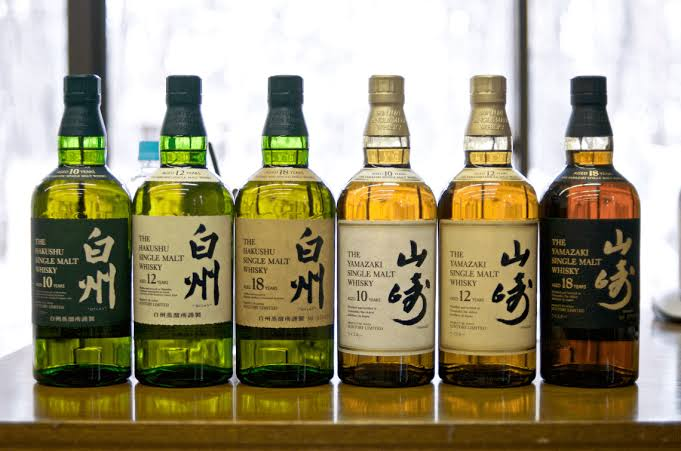
Whether you choose an integrated redesign or a supplementary back label, the finished product needs every mandatory disclosure in Japanese, formatted legibly and positioned in a way that doesn’t obscure other required information. There’s no requirement that non-mandatory content also appear in Japanese — a genuinely dual-language label, mixing required Japanese content with retained English or original-language branding, is standard practice.
The most common compliance gaps
The most common gap in dual-language label design is overcrowding: fitting mandatory Japanese content into limited label space in a way that becomes difficult to read, which can draw scrutiny during review even when all the required content is technically present. Font size and legibility matter as much as content accuracy.
How localization handles it
Whether your specific packaging has enough space to accommodate mandatory Japanese disclosures cleanly — or whether a back-label approach makes more sense for your bottle or can format — is exactly the kind of practical detail worth reviewing before you finalize a design direction.
The right label strategy for your brand depends on your specific packaging, your SKU count, and how much you value preserving your existing design versus moving quickly. A review of your actual label artwork is the only way to give you a concrete recommendation rather than a general one.
Tell us about your product and SKU range through our contact form, and we’ll review where your brand stands for Japan entry. If you prefer email, you can also reach us at su*****@*******nt.com.