License Stacking: How One Operator Can Cover Import, Wholesale and Online Sale
 By
By 
Japan’s liquor licensing system isn’t one license that covers everything — it’s a set of distinct licenses, each covering a specific function, and a foreign brand’s real question isn’t “does my partner have a license” but “which licenses, and do they actually cover the full path my product needs to travel.” Understanding license stacking alcohol japan operators rely on explains why a single accountable partner matters more than it might first appear.
Why a single brand can’t easily hold every license

The direct answer up front
Japan’s National Tax Agency issues separate license categories for different functions — import, wholesale, general retail, and mail-order or internet retail among them — and a foreign brand without an existing Japanese entity and licensing history would need to pursue each relevant license independently to cover its full path to market, a genuinely significant undertaking.
What the answer depends on in practice
How many separate licenses actually matter depends on which channels a brand intends to use — a brand selling exclusively through one wholesaler relationship faces a narrower licensing need than a brand wanting import, wholesale distribution, and direct e-commerce sale all under its own control.
A concrete example for a foreign brand
A foreign wine brand wanting to import product, sell some volume wholesale to restaurants, and also run its own direct-to-consumer e-commerce storefront would, if pursuing this independently, need import licensing, wholesale licensing, and mail-order retail licensing separately — three distinct license categories to secure and maintain.
How an operator stacks complementary licenses
The direct answer up front
An established operator holding multiple complementary licenses — import, wholesale, and retail including mail-order — can cover a brand’s full path from border to consumer under one accountable relationship, rather than the brand needing to coordinate separate licensed entities for each function.
What the answer depends on in practice
The practical value of this stacking depends on how many of a brand’s intended channels the operator’s specific license coverage actually spans — a partner holding import and wholesale licenses but not retail, for instance, wouldn’t cover a brand’s direct e-commerce ambitions without an additional relationship for that specific function.
A concrete example for a foreign brand
A brand working with an operator who holds import, wholesale, and mail-order retail licenses together can move a shipment from customs clearance through wholesale distribution to a direct e-commerce sale, all through that single relationship — versus needing a separate wholesale partner and a separate retail licensing arrangement if the operator only covered import.
Import to wholesale to retail flow
How this channel actually works in Japan
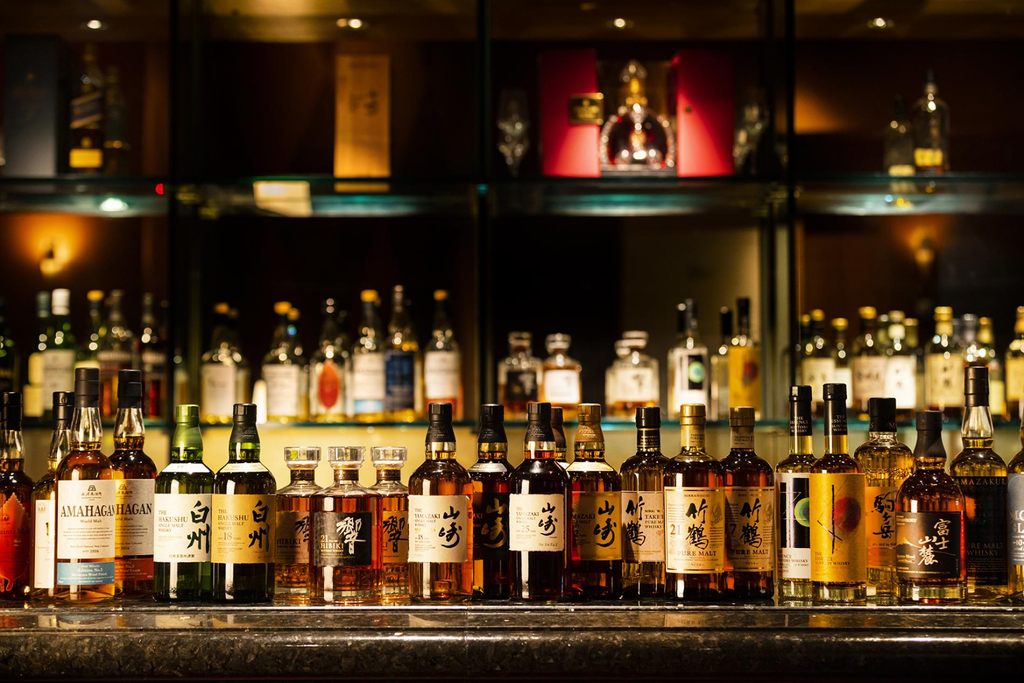
The standard path — importer to wholesaler to retail, on-trade, and e-commerce — involves distinct functions that, under a stacked-license operator, can be handled as one continuous, coordinated process rather than a series of handoffs between separately licensed, potentially uncoordinated parties.
Fit for a foreign brand’s product and price tier
This coordinated flow benefits brands across price tiers, but it’s particularly valuable for brands without the internal resources to manage multiple separate partner relationships — a smaller or first-time exporter especially benefits from the simplicity of one relationship covering the full path, rather than needing dedicated internal capacity to coordinate several.
How JapanPint’s owned channels apply
JapanPint’s structure as importer of record combined with ownership of distribution channels — CraftBeer.co.jp, OmoriMart.com, and Jasumo.com — alongside marketplace presence on Amazon Japan, Rakuten, and Yahoo Shopping reflects exactly this kind of license stacking, allowing a brand’s product to move from import through to consumer sale within one coordinated operator relationship.
E-commerce and marketplace coverage
How this channel actually works in Japan
Selling online specifically requires mail-order retail licensing distinct from standard retail, as covered in more depth elsewhere in this series — an operator’s license stack needs to specifically include this category to support e-commerce channels, whether through an owned storefront or supporting a brand’s presence on a marketplace platform.
Fit for a foreign brand’s product and price tier
E-commerce coverage matters across price tiers, but it’s particularly relevant for brands planning to lean on marketplace reach — Amazon Japan, Rakuten, Yahoo Shopping — as a meaningful part of their Japan strategy, since these channels depend on the underlying entity having correct e-commerce licensing in place.
How JapanPint’s owned channels apply
JapanPint’s license coverage extends specifically to the mail-order and internet retail category needed to operate its owned e-commerce storefronts and support marketplace presence, meaning a brand’s e-commerce strategy doesn’t require a separate licensing conversation beyond the standard relationship.
The accountability advantage
What a foreign brand needs to understand
Beyond the practical convenience of not managing multiple licensed parties, a single operator holding the full license stack means there’s one accountable party responsible for the entire path from import through to consumer sale — no gaps between separately licensed entities where responsibility could become unclear if something goes wrong.
How it plays out in the import process
This accountability shows up concretely when questions arise — a labeling issue, a shipment delay, a compliance question at any stage — since there’s one partner with visibility and responsibility across the full chain, rather than a brand needing to determine which of several separately licensed parties is actually responsible for resolving a given issue.
The practical takeaway
When evaluating a prospective partner, ask specifically which licenses they hold and confirm that coverage actually spans every function your intended channel strategy requires — import, wholesale if relevant, and retail including mail-order if e-commerce is part of the plan.
What this means for your margins
The direct answer up front
Working with an operator who holds a full, complementary license stack generally means fewer separate margin-taking intermediaries in the chain between import and consumer sale, compared to a fragmented setup involving multiple separately licensed parties each adding their own margin at each handoff.
What the answer depends on in practice
The actual margin impact depends on the specific commercial terms of the relationship, which vary and shouldn’t be assumed from the license structure alone — license stacking creates the structural possibility of a more efficient margin chain, but the actual terms still need to be reviewed and negotiated directly.
A concrete example for a foreign brand
A brand working through separately licensed import, wholesale, and retail partners faces margin taken at each of those three separate handoffs. A brand working with one operator covering all three functions has the structural opportunity for a more direct, potentially more efficient margin path — though the specific terms of that relationship still need to be reviewed on their own merits rather than assumed favorable purely because of the license structure.
Understanding exactly which licenses cover your intended channel strategy is worth confirming directly, alongside a review of your specific product.
Tell us about your product and SKU range through our contact form, and we’ll review where your brand stands for Japan entry. If you prefer email, you can also reach us at su*****@*******nt.com.