Sake Cocktails and RTDs: Riding a Global Trend for Export Growth
 By
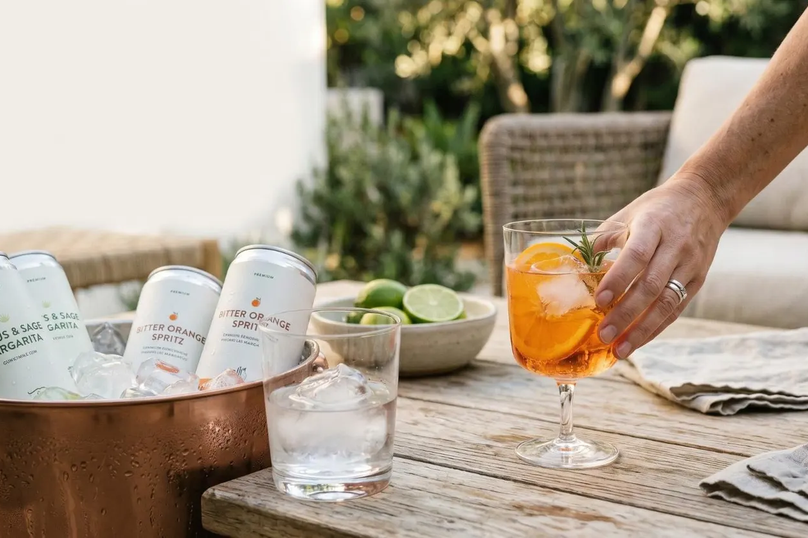
Sake has long been associated with traditional serving methods. However, that perception is changing. Bartenders overseas now use sake as a cocktail ingredient. Meanwhile, canned sake drinks are attracting younger consumers who may not enjoy traditional tasting experiences.
For breweries exploring sake cocktails export, several decisions matter. Which format best fits the brand? How will foreign markets classify the product? And how can producers protect their premium image?
This guide examines these questions from an export operator’s perspective.
The Sake-Cocktail Movement
What an Exporter Needs to Understand
Japan’s drinking population is shrinking and aging. As a result, domestic sake consumption has declined over the long term. Overseas demand therefore matters more to Japanese breweries.
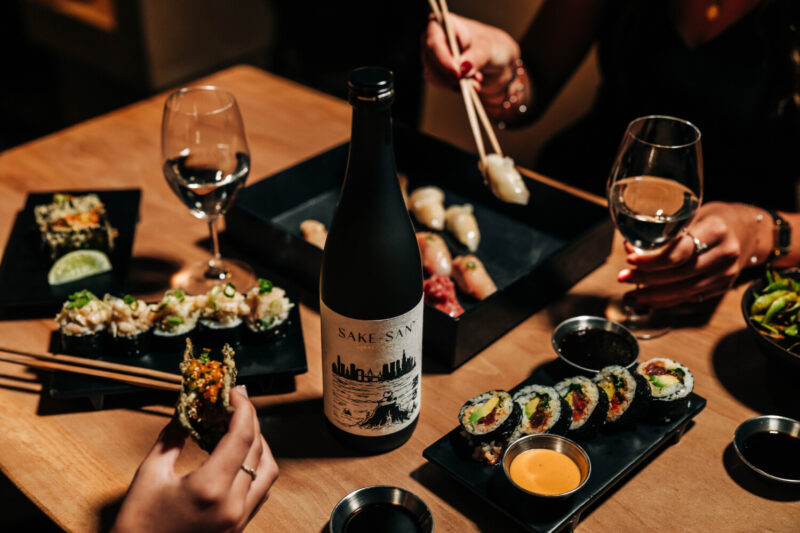
At the same time, bartenders in many cities want food-friendly ingredients with lower alcohol content. They also value authentic origins and distinctive flavors. Sake meets many of these needs. It has less alcohol than most spirits and offers a wide flavor range. Furthermore, it carries a strong craft and cultural story.
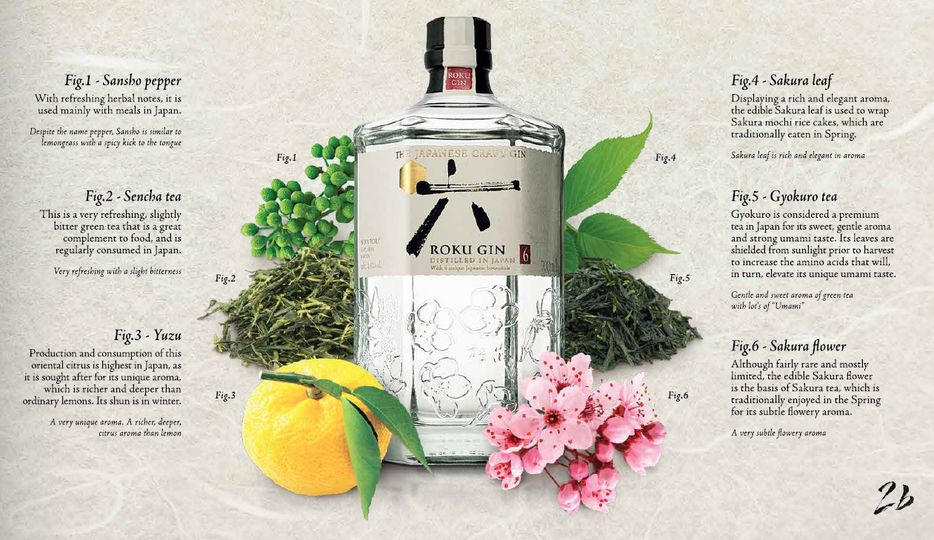
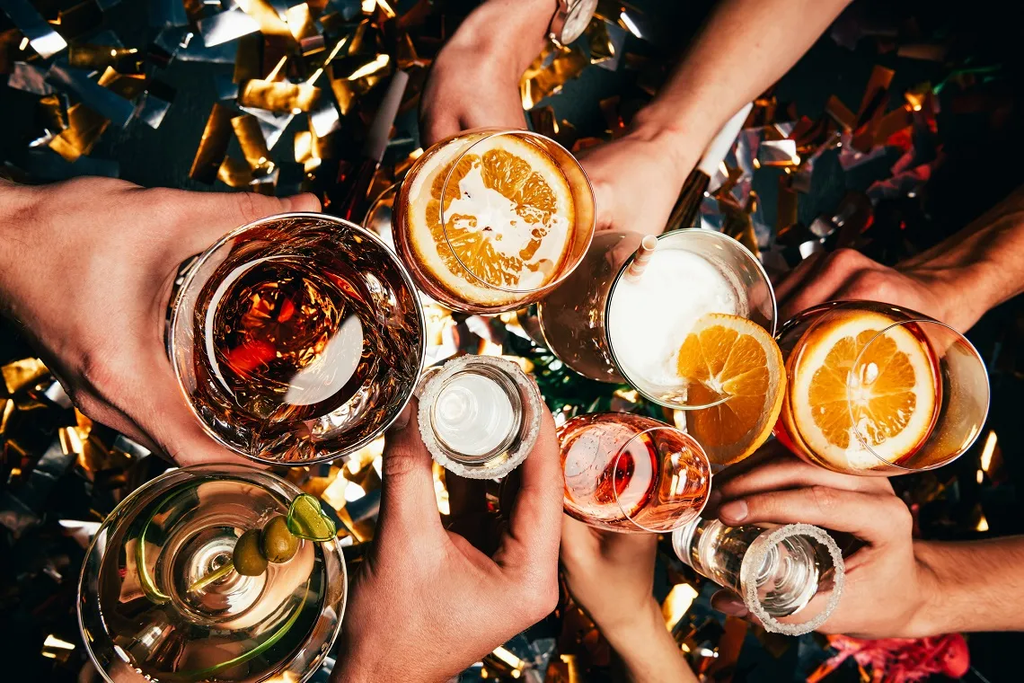
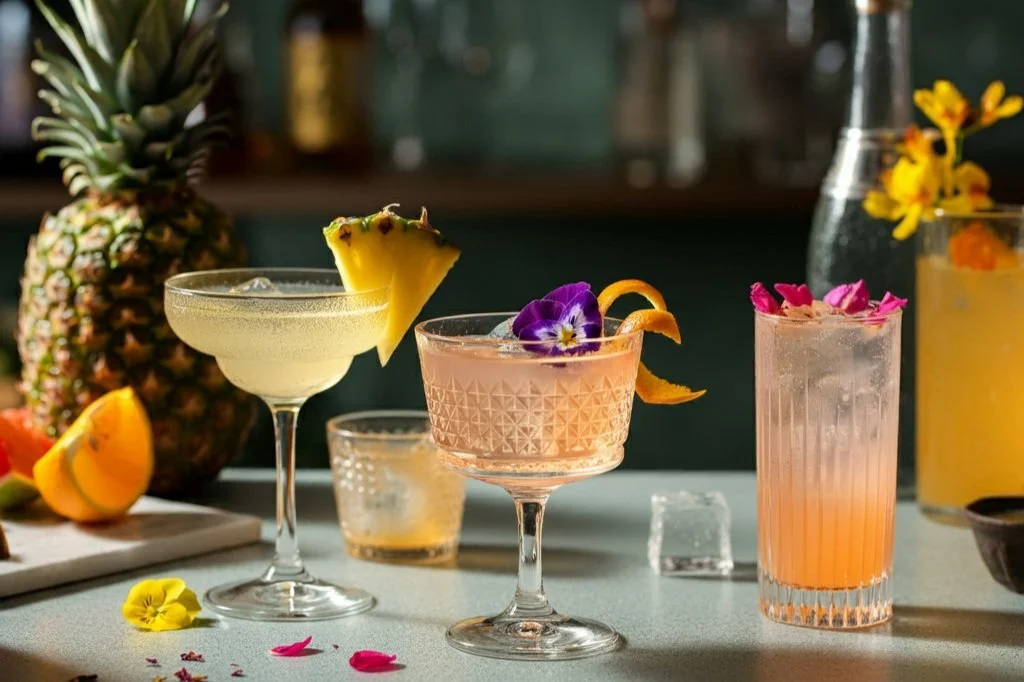
This movement forms part of a broader Japanese alcohol cocktail trend. Sake, shochu, Japanese whisky and local botanicals now appear alongside classic spirits on cocktail menus.
For example, bartenders can use sake in spritzes, highball-style drinks and martini variations. These drinks appeal to different customers than traditional sake served in small cups. They also attract new buyers.
[VERIFY: Obtain current market data on sake use in cocktails by destination. Use published trade or industry sources before quoting figures.]
How It Plays Out in the Destination Market
Bar buyers usually ask three practical questions:
- Does the product deliver consistent quality?
- Can the supplier maintain reliable availability?
- Can staff explain the product quickly?
A brewery that answers these questions clearly has an advantage. Simply sending bottles to a potential buyer is not enough.
Product style also matters. Clean, fresh junmai and fragrant ginjo often work well in mixed drinks. However, delicate daiginjo may lose its character behind stronger ingredients.
For this reason, some breweries develop dedicated, more affordable products for bars. This approach also protects their premium sipping range from becoming a cocktail mixer.
The Practical Takeaway
Separate your cocktail products from your traditional sipping range. Decide which sake suits mixing and which deserves individual appreciation.
Premium quality and a clear product story often create more value than low prices. Therefore, avoid pricing cocktail sake simply to undercut competitors. Its Japanese origin and production story remain important advantages.
RTD and Canned Formats
What an Exporter Needs to Understand
Ready-to-drink (RTD) beverages are an important category in Japan’s alcohol market. They attract consumers who want convenient and approachable drinks.
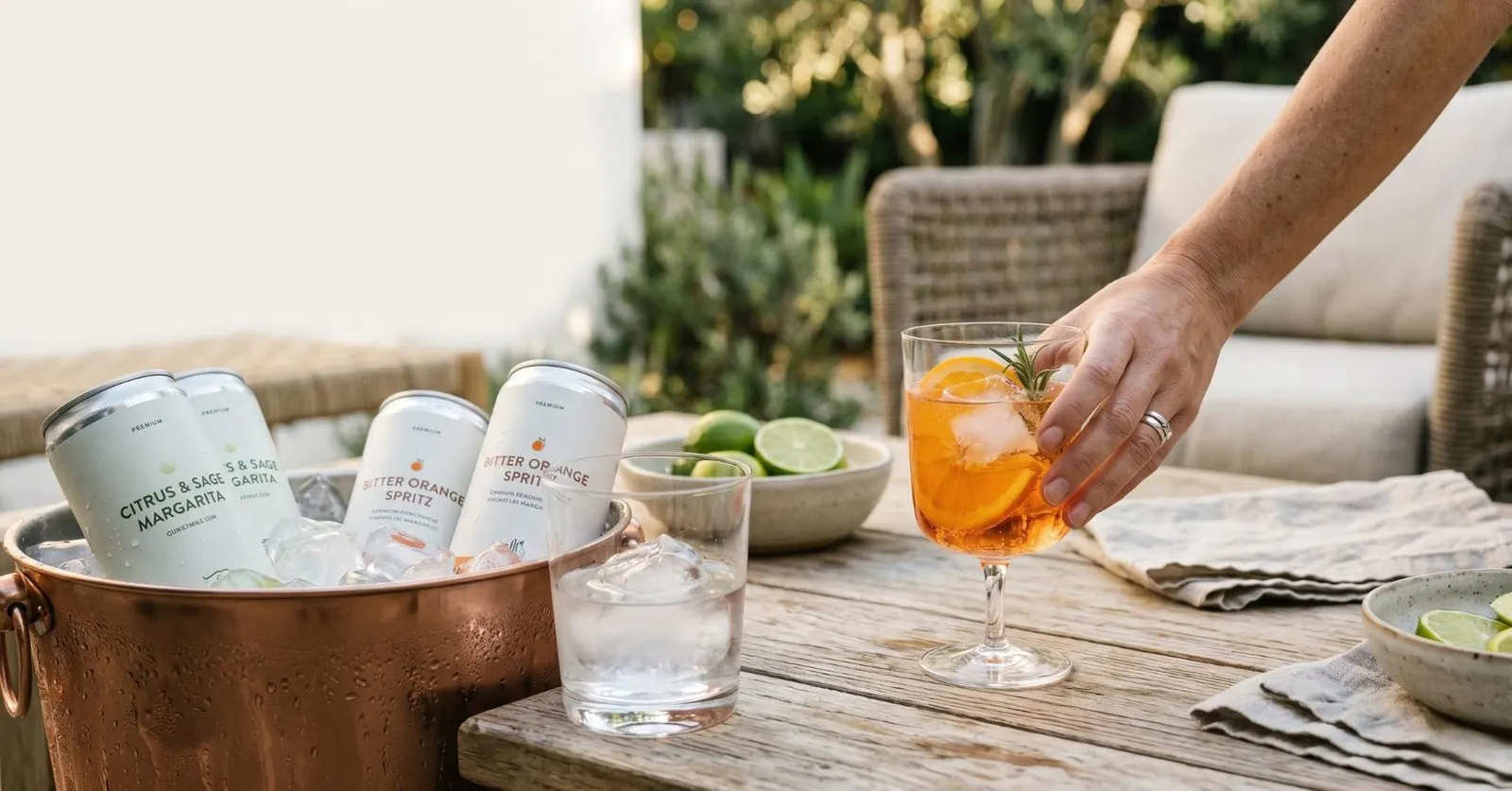
Sake-based RTDs can take several forms. These include sparkling sake in cans, fruit-flavoured sake drinks and sake highballs. Exporting these products can help breweries reach consumers beyond traditional sake audiences.
However, an RTD is not simply bottled sake in different packaging. Manufacturers create it through a separate production process. It may contain additional ingredients, flavourings and additives. It also has its own shelf-life requirements.
Furthermore, foreign authorities may classify flavoured sake drinks differently from traditional sake. Some products may fall outside the legal definition of sake. This distinction can also affect taxation.
[VERIFY: Check how each destination classifies flavoured or carbonated sake-based beverages. Confirm whether local authorities allow producers to label them as sake.]
How It Plays Out in the Destination Market
RTDs compete across several sales channels. These include supermarkets, convenience stores, bars and online retailers.
However, small breweries face strong competition from major beverage companies. These competitors often have established distribution networks and lower production costs.
A small brewery should therefore avoid competing on price alone. Instead, give customers a clear reason to choose the product. Strong options include Japanese provenance, distinctive flavours, attractive packaging and collaborations.
Regulatory requirements also demand attention. Ingredient and additive rules differ between markets. So do nutrition labels, allergen declarations and recycling requirements.
[VERIFY: Check additive, labelling, nutrition and container-deposit or recycling rules for canned alcoholic drinks in each destination.]
Shelf life requires equal attention. Flavoured and lightly alcoholic drinks can change during storage. Heat and long shipping periods may also affect product quality.
The Practical Takeaway
Treat an RTD as a new product rather than a repackaged version of traditional sake.
First, confirm its classification and labelling requirements with a prospective importer. Next, test product stability under realistic shipping conditions.
Finally, review the financial requirements before investing in cans and large production volumes. If the expected volume cannot support the costs, consider premium bottled cocktails or bar-focused products instead.
Bartender Engagement
What an Exporter Needs to Understand
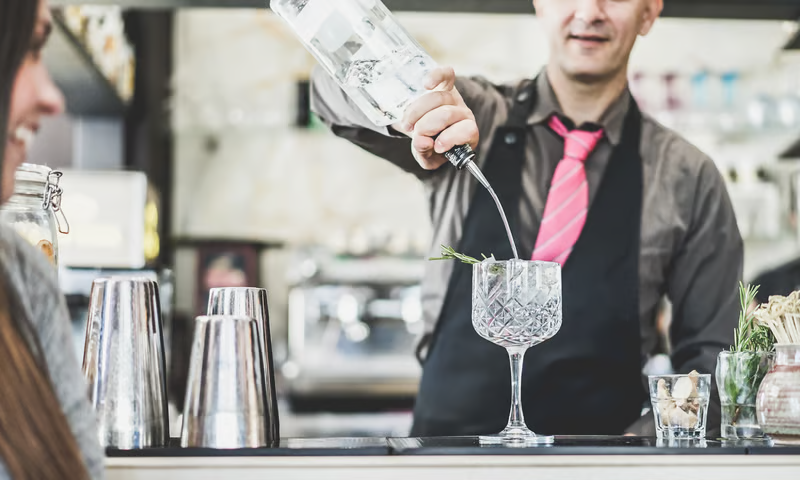
Bartenders often become the first influential audience for a new beverage category. A bartender who enjoys a particular sake may introduce it to customers through a cocktail menu.
That makes bartender engagement an essential part of the export strategy.
Bartenders want practical information. They need consistent products, clear explanations and suggested serving methods. They also appreciate responsive breweries that can answer technical questions.
A long lecture about brewing history is unnecessary. Nevertheless, an authentic story can help bartenders explain the product and recommend it to customers.
How It Plays Out in the Destination Market
Importers and specialist distributors usually organise bartender training. These activities may include product tastings, menu collaborations and staff education sessions.
A brewery cannot attend every training session overseas. Therefore, it needs an importer who understands the product and communicates its value accurately.
Product samples also support this process. However, alcohol samples still count as alcohol shipments. Exporters generally need to send them through a licensed importer in the destination country rather than posting them informally.
[VERIFY: Check sample-shipment rules for each destination.]
Consistency matters greatly to bartenders. They build cocktail recipes around ingredients with predictable characteristics. If the sake’s flavour changes between batches, it may affect the entire drink.
The Practical Takeaway
Prepare a simple bartender information kit before entering a new market.
Include:
- A one-page product explanation in the destination language.
- Three or four tested cocktail recipes.
- Clear serving measurements and specifications.
- A concise tasting note.
- Accurate production and ingredient information.
Choose an importer who will actively use these materials. Also, ensure that every document contains consistent and verifiable product information.
Format and Packaging
What an Exporter Needs to Understand
Packaging decisions affect production costs, compliance and shelf life. Japanese breweries can choose from several formats.
Common options include standard 720 ml bottles, larger bar-friendly bottles, small single-serve bottles or cups, cans, bag-in-box products and kegs for bars.
Each format has different commercial and regulatory requirements.
Packaging also carries important legal information. The label must meet the destination market’s requirements.
Depending on the country, mandatory information may include:
- Product class or type.
- Alcohol content.
- Net contents.
- Producer or importer details.
- Country of origin.
- Required health statements.
For example, the United States requires federal label approval for applicable products. Exporters must also consider state requirements. The European Union follows its own labelling framework.
[VERIFY: Confirm current label requirements and permitted container sizes in each destination. Include applicable standards of fill.]
How It Plays Out in the Destination Market
Bottle and can sizes commonly used in Japan may not match foreign market expectations. Unusual sizes can also complicate product approvals and retail placement.
Small packaging creates another challenge. It offers less space for mandatory information. Therefore, designers must consider legal statements from the beginning.
A crowded label can also attract regulatory scrutiny, even when it contains all the required information.
Environmental regulations create further considerations in some markets. These rules may cover recycling, deposit-return schemes and packaging materials. Consequently, they can affect both glass and can packaging costs.
[VERIFY: Confirm packaging and recycling requirements for each destination.]
The Practical Takeaway
Choose packaging according to the buyer’s actual needs.
Bars may prefer larger bottles, kegs or other on-trade formats. Meanwhile, retailers targeting younger consumers may prefer cans and smaller bottles.
Include all required legal statements in the initial packaging design. Then ask your prospective importer to review the artwork before printing.
We do not provide fixed cost or timeline estimates. These depend on the packaging format, label requirements and number of SKUs.
Positioning for Younger Drinkers
How This Channel Actually Works Abroad
Younger consumers discover alcoholic beverages through several channels. These include social media, bars, festivals, convenience stores and online retailers.
Many value attractive design, interesting flavours and authenticity. They may also prefer brands that communicate clearly rather than relying entirely on tradition.
In several markets, younger consumers are also reducing their overall alcohol consumption. This trend creates opportunities for lower-strength and non-traditional beverage formats.
However, reaching this audience rarely depends on one sales channel.
A brand might begin in a few trend-setting bars. It can then expand into specialist retail before approaching larger distribution channels. Meanwhile, online activity can help build awareness and encourage repeat purchases.
Most destination markets still require a licensed importer. Some also involve additional distributors before products reach retailers.
The United States provides one example. Its alcohol distribution structure operates at state level.
[VERIFY: Confirm the current distribution structure in each destination, including excise arrangements and applicable US state three-tier rules.]
Fit for Your Product and Price Tier
Targeting younger consumers does not automatically mean selling cheap products.
Many younger drinkers will pay more for distinctive flavours, attractive design and an authentic brand story. However, they expect the heritage story to feel genuine.
Keep your brand message honest and consistent. The label, can design and online presence should communicate the same identity.
Avoid positioning your sake as an imitation of another beverage category. Such comparisons can make the product appear less distinctive.
Instead, explain what makes the drink valuable in its own right.
Where JapanPint’s Operator View Applies
JapanPint operates several owned channels in Japan. These include CraftBeer.co.jp, OmoriMart.com and Jasumo.com.
We also operate within Japanese marketplaces such as Amazon Japan, Rakuten and Yahoo Shopping. However, these channels serve the Japanese market. They do not represent an overseas distribution network.
We also do not claim to maintain a network of overseas importers.
Our contribution to outbound projects comes from our experience on the import side. We apply that knowledge in reverse to help Japanese producers understand export preparation.
We know what licensed importers need to review. We also understand how teams check labels and notifications. In addition, we recognise common documentation gaps that can delay product entry.
A Cocktail-Led Export Plan
What an Exporter Needs to Understand
A successful export programme needs a clear sequence. Following the right order can prevent unnecessary costs and delays.
Use this practical approach:
- Choose one destination and one hero product. Start with a cocktail-friendly bottled sake or a single RTD instead of exporting your entire product range.
- Confirm the Japanese export requirements. Review liquor tax treatment for exported alcohol and identify the licensed parties responsible for the export process.
- Check destination regulations. Ask a prospective importer to confirm product classification, labelling, additives and applicable duties in writing.
- Select the right importer. Consider category experience, distribution capabilities and the attention the importer can give your product.
- Arrange compliant samples. Send samples through an approved channel and prepare your bartender information kit.
- Start with a modest shipment. Use suitable temperature protection and support the launch with product education for trade buyers.
[VERIFY: Confirm current export exemptions and licensing requirements administered by Japan’s National Tax Agency (NTA).]
How It Plays Out in the Destination Market
Export costs and timelines vary significantly. The destination, product classification, packaging and importer all affect the final requirements.
Duty and excise may depend on alcohol content and product category. Label changes can also create design and printing expenses. In addition, freight and storage introduce further costs.
We do not quote fixed figures for these items. A realistic estimate requires a review of the actual labels, product formats and SKU count.
Preparation makes the biggest difference to a smooth first shipment. Confirm classification early, prepare market-specific labels and maintain consistent product quality.
Most importantly, work with an importer who understands the product and its intended market.
The Practical Takeaway
Focus on one market at a time. Lead with a clear product story rather than a low price. Also, match the format to the buyer’s requirements.
A disciplined approach to sake cocktails export can help Japanese breweries benefit from changing drinking habits. It can also protect their products from becoming ordinary low-cost commodities.
Cocktail-led exporting rewards preparation more than speed. Classification, label wording and packaging decisions all depend on the product and target market.
Tell us about your sake range and target destinations through our contact form. We can review your labels and discuss the Japan-side export preparation needed for your project.