Importing Liqueurs and Cream Liqueurs Into Japan
 By
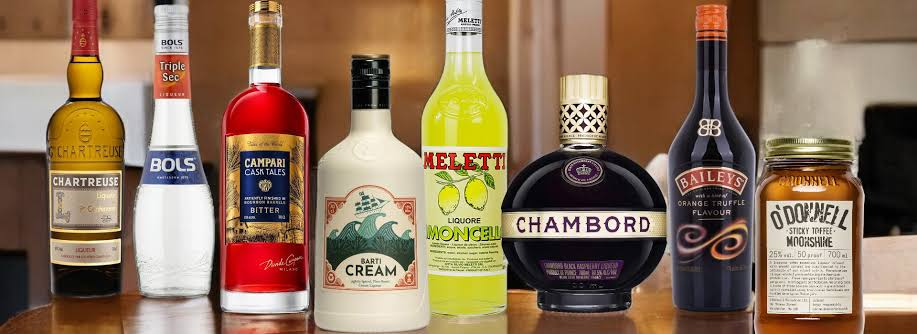
Liqueurs offer foreign brands many opportunities in Japan. They come in a wide range of flavours, sweetness levels, and formulations. Some contain cream, while others use fruit, herbs, spices, or nuts. However, these differences can create challenges during import.
If you want to import liqueur to Japan, start by confirming how Japanese authorities classify your product. That classification affects liquor tax, documentation, labeling, and import planning. In addition, ingredients and storage requirements can introduce further compliance considerations.
This guide explains Japanese liqueur classification, dairy and allergen considerations, additive disclosure, cold-chain planning, labeling requirements, and the steps involved in preparing a product for the Japanese market.
Liqueur Classification
What Foreign Brands Need to Understand
The word “liqueur” describes a broad range of alcoholic beverages. However, Japan’s liquor tax system relies on legal definitions rather than commercial names alone.
Authorities consider factors such as the base alcohol, ingredients, production method, and other product characteristics. Therefore, a spirit-based liqueur, wine-based aperitif, and cream liqueur may receive different classifications under Japanese law.
Added sugar, flavourings, and other ingredients can also affect the assessment. Consequently, foreign brands should not assume that a product’s classification in its home market will apply in Japan.
The National Tax Agency (NTA) provides the relevant legal framework and guidance. Review the current requirements with your Japanese importer before finalising the product’s import plan. You can consult the National Tax Agency of Japan for official information.
How Classification Affects the Import Process
Once you establish the classification, keep the product information consistent across every document.
Your Japanese importer needs accurate details for the food import notification, customs declaration, liquor tax assessment, and Japanese label. The Ministry of Health, Labour and Welfare (MHLW) oversees food import notifications under the Food Sanitation Act.
If your invoice describes a product as a flavoured spirit but your technical documents identify it as a different beverage category, authorities may request clarification. Resolving inconsistencies can delay customs clearance and increase storage costs.
The importer of record coordinates the declarations and applicable licensing requirements. As a foreign brand, you must provide complete product information so your partner can prepare accurate submissions.
The Practical Takeaway
Describe each SKU according to its actual composition and production method. Include the following details:
- Base alcohol and final alcohol by volume (ABV)
- Sugar, sweeteners, and other added ingredients
- Sources of flavours, colours, and extracts
- Dairy, egg, nut, and other relevant allergen ingredients
- Manufacturing and processing methods
Confirm the classification before setting prices or approving Japanese label artwork. This early review helps reduce costly changes later.
Dairy and Allergen Considerations
What Foreign Brands Need to Understand
Cream liqueurs require particular attention because their ingredients may trigger both food-labeling and product-handling questions.
Milk is a key allergen to consider. Other liqueurs may contain egg, nuts, or ingredients derived from these foods. Therefore, a complete ingredient declaration is essential before your importer prepares the Japanese label.
Dairy ingredients can also raise questions about animal-health controls. However, the applicable requirements depend on the specific product, its processing, its origin, and the rules in force.
Do not assume that every bottled cream liqueur requires the same veterinary documentation. Instead, ask your importer to confirm whether animal quarantine requirements or additional certificates apply to your particular formulation.
How These Requirements Affect Importation
Your importer needs the full ingredient list to assess allergen declarations and prepare the Japanese label.
If animal-health controls apply, the importer may also need supporting documentation from the exporting country’s authorities. Such documents can take time to obtain, so investigate these requirements before shipping.
Meanwhile, the usual food import notification, customs procedures, tax settlement, and labeling obligations still apply. An additional animal-health requirement does not replace those steps.
The Practical Takeaway
If your product contains dairy, egg, or nuts, flag those ingredients during the first discussion with your importer.
Prepare the ingredient specifications and ask whether any additional controls apply to the product and its country of origin. This approach helps identify potential complications before you commit to production or freight.
Additive Disclosure
What the Regulations Require
Liqueurs often contain more ingredients than unflavoured spirits. Common additions include sweeteners, colourings, flavourings, emulsifiers, stabilizers, and preservatives.
Before importing a product, your Japanese partner must assess its ingredients against the applicable Japanese food safety requirements. An additive permitted in your home market may face different conditions in Japan.
The assessment should cover both the ingredient itself and its intended use. Your importer also needs accurate information for the food import notification and any applicable Japanese ingredient declarations.
For general regulatory information, consult the Ministry of Health, Labour and Welfare.
Common Compliance Gaps
Several issues can complicate the import process.
First, a supplier may provide a vague ingredient list that uses terms such as “natural flavours” or “colour” without sufficient technical detail. Second, the manufacturer may change an ingredient supplier after preparing the import documents. Third, the final label may contain information that differs from the submitted specifications.
Cream liqueurs can create additional questions because manufacturers use emulsifiers and stabilizers to maintain texture and product stability.
Even when an ingredient is standard in the country of manufacture, your importer must assess its status and intended use under Japanese rules.
How to Manage Ingredient and Label Reviews
Start with a complete ingredient specification from the manufacturer. Where necessary, request further details about flavour extracts, colours, stabilizers, and other components.
Next, have your importer assess the ingredients and identify any issues that require clarification or reformulation. Only then should you finalise the Japanese wording.
If a recipe needs changes, identifying them before production for Japan can save money and time. A coordinated review also helps ensure that the import notification, technical documents, and finished label remain consistent.
Cold-Chain and Storage for Cream Liqueurs

What Foreign Brands Need to Understand
Many cream liqueurs have formulations designed to maintain stability during distribution. However, storage tolerance varies by product.
Temperature fluctuations may affect texture, appearance, or flavour. Some formulations also have shorter shelf lives or specific storage requirements.
Therefore, your importer needs reliable product data rather than general assumptions about cream liqueurs.
Provide the following information:
- Shelf life and any relevant date-marking requirements
- Recommended storage temperature
- Pasteurization or homogenization details
- Packaging and product-stability specifications
- Any restrictions on temperature exposure during transport
How Storage Affects the Import Process
International freight, document checks, inspections, customs clearance, and labeling all influence the time between production and sale.
Authorities may select a shipment for inspection or sampling. If testing becomes necessary, the goods may remain in bonded storage while the relevant process continues.
This waiting period can increase storage costs and affect products that need controlled temperatures. Moreover, not every port or bonded warehouse offers the same facilities.
Label preparation can create another delay. If your Japanese artwork is not ready when the shipment arrives, the goods may have to wait before release.
The Practical Takeaway
Discuss storage requirements with your importer before booking freight. Confirm whether the proposed route and warehouse can accommodate your product.
Allow a realistic buffer for inspections, documentation, and labeling. For temperature-sensitive products, also agree on how the importer will manage storage and monitor product condition.
Japanese Liqueur Labeling Requirements
What Foreign Brands Need to Understand
Imported liqueurs may need to comply with the Food Labeling Act, Liquor Tax Act, and applicable alcohol-labeling standards. The exact obligations depend on the product category and the rules that apply to the intended sale.
Your importer should review the required Japanese-language information, including the applicable product description, ingredients, additives, net quantity, alcohol content, and other mandatory declarations.
Alcohol products must also carry the required under-20 warning where applicable. In addition, confirm whether the relevant labeling-method notification or other tax-office procedure applies to your product.
Do not assume that one label template will suit every liqueur in your range. Differences in ingredients, classification, and product characteristics may require different wording.
Common Labeling Problems
Liqueur labels can contain several avoidable errors.
An allergen declaration may be incomplete. A flavour name may imply an ingredient that the recipe does not contain. Similarly, the alcohol-content or net-volume declaration may not follow the applicable Japanese format.
Terms such as “cream,” “herbal,” or “traditional” also deserve careful review. The wording should accurately describe the product and must not create a misleading impression about its ingredients, origin, or legal classification.
Health-related claims require additional caution. Herbal and digestif-style liqueurs sometimes use traditional wellness language, but certain health and medicinal representations may be restricted under Japanese law.
How to Localize the Label Correctly
Begin with the approved product specification and ingredient list. Then match each proposed label claim to the supporting product information.
Your localization process should include:
- Reviewing the product classification and mandatory declarations.
- Checking ingredient and allergen information.
- Verifying alcohol content, net quantity, and origin claims.
- Translating flavour descriptions accurately.
- Reviewing the final Japanese artwork against applicable requirements.
- Confirming the necessary notifications and procedures before release.
Once the review is complete, keep a record of the approved label version. If the recipe, ingredients, or packaging changes later, ask your importer whether the existing documentation and label remain valid.
A Roadmap for Importing Liqueur into Japan
What Foreign Brands Need to Understand
The import process follows a general regulatory sequence, but each SKU needs its own assessment. A range containing fruit liqueurs, cream liqueurs, and herbal spirits may raise different questions about classification, ingredients, allergens, and storage.
Therefore, avoid assuming that one compliance decision covers every product in your range.
The Import Process Step by Step
Step 1: Choose a qualified Japanese importer.
Work with a partner that holds the appropriate liquor licensing and can manage the relevant import procedures.
Step 2: Confirm classification and ingredients.
Review the base alcohol, ABV, recipe, additives, and production method for every SKU.
Step 3: Assess allergen and animal-health requirements.
Identify dairy, egg, and nut ingredients. Confirm whether any additional documentation or controls apply.
Step 4: Review food import requirements.
Prepare the necessary product specifications and submit the applicable food import notification to the relevant MHLW quarantine station.
Step 5: Address any inspection or testing requirements.
Respond to requests for additional documents or sampling where necessary.
Step 6: Calculate import taxes.
Confirm the applicable customs duty, liquor tax, and consumption tax using the product’s classification, origin, and declared value.
Step 7: Finalise Japanese labeling.
Complete the applicable labeling procedures and ensure that the required labels and declarations meet the relevant rules before the goods leave bonded storage.
Step 8: Plan distribution.
Identify suitable wholesalers, retailers, bars, restaurants, and online sales channels for the product.
JapanPint works across channels including CraftBeer.co.jp, OmoriMart.com, Jasumo.com, Amazon Japan, Rakuten, and Yahoo Shopping. However, the suitability of each channel depends on the product, its market positioning, and the relevant commercial and regulatory requirements.
A liqueur with a distinctive origin or flavour profile may suit specialty retailers, curated e-commerce, or bar and restaurant placements. Rather than relying on price alone, build a strategy around product quality, differentiation, and a clear brand story.
The Practical Takeaway
You do not need to manage every Japanese regulatory procedure independently. However, you do need to give your importer complete and consistent information for each SKU.
Flag cream-based formulations, allergens, complex additive lists, and special storage requirements early. Also, notify your partner before making changes to the recipe, suppliers, alcohol content, or packaging.
Import costs and timelines vary according to the product, origin, documentation, and compliance work. Therefore, request an assessment based on your actual specifications instead of relying on a generic estimate.
Plan Your Liqueur Import into Japan with JapanPint

Importing liqueur into Japan requires careful preparation. Correct classification, ingredient verification, allergen assessment, tax calculations, and Japanese labeling all contribute to a smoother market entry.
A product-specific review can identify potential issues before you commit to production and shipping. It can also help you determine which distribution channels best fit your brand.
Tell us about your product and SKU range through the JapanPint contact form. Our team can review your starting point and discuss the next steps for entering the Japanese market.
Alternatively, email su*****@*******nt.com.
Prepare your product specifications, complete ingredient lists, and label artwork before starting your Japan import assessment.