Importing RTDs and Hard Seltzers Into Japan: A Fast-Growing Segment
 By
By 
RTDs and hard seltzers are among Japan’s fastest-growing alcohol categories. They also appeal to younger and more health-aware consumers than many traditional beer and spirit products.
For foreign brands, this creates a genuine growth opportunity. However, RTDs also have classification and compliance details that require careful planning.
This guide explains how to import RTDs to Japan. It covers classification, tax treatment, additives, labeling, packaging, and sales channels.
RTD Classification Challenges
What a Foreign Brand Needs to Understand
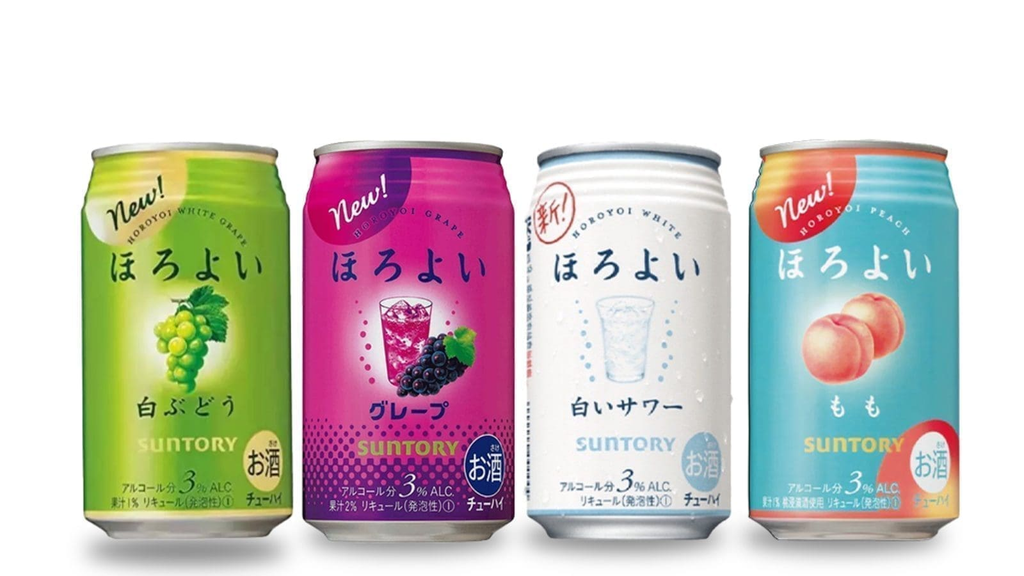
RTDs can have a more complex classification than a straightforward spirit, wine, or beer.
The category includes products with different production bases. Some RTDs use a spirits base. Others use malt or another fermented base.
Japan may classify these products differently. The final classification can depend on production method, ingredients, and ABV.
For that reason, brands should review each product individually.
How It Plays Out in the Import Process
A product labeled “RTD” or “hard seltzer” does not automatically receive one specific Japanese tax classification.
Instead, the importer must examine the product’s actual production method and formulation. The same marketing category can therefore contain products with different regulatory treatment.
This makes early classification confirmation essential.
The Practical Takeaway
Do not classify an RTD based only on its marketing name. Do not assume that Japan will treat it like a similar product in your home market.
Instead, confirm the Japanese classification for each SKU. Review its production method, ingredients, and ABV before calculating the expected tax.
Low-ABV Tax Categories
What a Foreign Brand Needs to Understand
RTDs and hard seltzers generally have lower ABV than many traditional spirits. Depending on the product’s classification, they may fall under the beer, happoshu, or third-category beverage tax structure.
Japan’s tax reform also makes this issue especially important for products entering around October 2026.
How It Plays Out in the Import Process
Brands entering before October 2026 need to consider the applicable category-specific rates based on the product’s classification.
For products entering after the reform takes effect, the unified rate becomes the relevant planning factor.
Therefore, the timing of your Japan entry can affect how you approach RTD tax planning.
The Practical Takeaway
If you plan an RTD launch around October 2026, include the tax reform in your planning from the start.
First, confirm the product’s Japanese classification. Then, apply the tax treatment relevant to the planned import period.
This approach gives your team a clearer estimate of landed cost.
Flavoring and Additive Rules
The Items That Matter Most
RTDs often contain more flavoring and sweetening ingredients than traditional spirits, wine, or beer.
Some products also use carbonation-related ingredients or other formulation components. Each ingredient and additive requires an appropriate review under Japan’s Food Sanitation Act requirements.
Flavor-forward products may therefore need a more detailed compliance review.
Why Each Ingredient Matters
Every additive, flavoring agent, or sweetener in an RTD needs accurate disclosure.
The importer uses this information for the food import notification. The finished Japanese label must also provide the required information.
A product’s casual or convenient positioning does not reduce these requirements. Instead, the more complex formulation may require more detailed preparation.
How to Prepare Them Correctly
Provide the complete ingredient and additive list early in the review process.
Include every component used in the final RTD formulation. This gives the importer enough information to review the product before filing the required documentation.
Treat flavored RTDs with the same level of care as flavored spirits or liqueurs.
Packaging and Label Notes
What the Regulation Requires
A Japanese RTD label must meet applicable Food Labeling Act and Liquor Tax Act requirements.
The label must accurately disclose required ingredients and additives. It must also carry the mandatory under-20 warning.
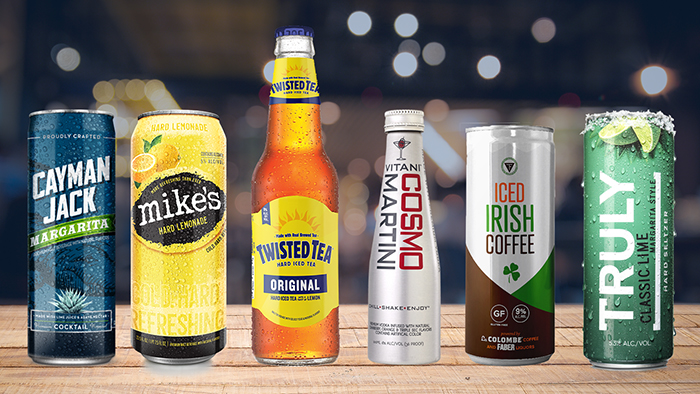
RTDs often use cans rather than bottles. Therefore, the packaging format can affect how the label information appears and how the label gets applied.
The Most Common Compliance Gaps
Can packaging can create different label application considerations from traditional bottle formats.
Brands may also use attractive flavor descriptions that work well as marketing copy. However, those descriptions may not provide the precise information required for Japanese labeling.
For this reason, marketing copy and regulatory labeling should receive separate reviews.
How Localization Handles It
A proper localization process considers the can format from the beginning.
The importer should review the Japanese text, ingredient information, additive disclosures, and warning requirements together.
At the same time, the team should confirm that the final label format works correctly on the chosen can packaging.
Marketplace Channel Fit
How This Channel Works in Japan
RTDs and hard seltzers often appeal to convenience-focused consumers. As a result, e-commerce, marketplace platforms, and convenience retail can play an important role in the category.
This differs from some premium spirits and wine products. Those categories may rely more heavily on specialty retailers, restaurants, bars, and other premium channels.
RTDs can benefit from broad retail access and convenient purchasing.
Fit for a Foreign Brand’s Product and Price Tier
RTDs generally suit a more accessible price tier than many premium spirits.
Flavor variety, convenience, packaging, and brand appeal can all influence consumer interest. Therefore, foreign brands should consider a broader retail strategy when entering Japan.
The product’s price point should also match its intended consumer and channel.
How JapanPint’s Owned Channels Apply
JapanPint’s owned channels include CraftBeer.co.jp, OmoriMart.com, and Jasumo.com.
The broader strategy can also include Amazon Japan, Rakuten, and Yahoo Shopping.
These channels can help an RTD brand reach consumers who already shop online for beverages. They also provide space to communicate the product’s flavor profile and positioning.
An RTD Import Plan
What a Foreign Brand Needs to Understand
RTD imports require particular attention to classification and tax timing.
The October 2026 tax reform also makes the planned entry date an important part of the process.
Before shipping, brands should confirm the product’s classification and understand the applicable tax treatment for the intended import period.
How It Plays Out in the Import Process
The import process generally follows these steps:
- Partner with a licensed importer of record that holds the required NTA liquor license.
- Confirm the Japanese classification for each RTD SKU.
- Review the product’s ingredients, additives, production method, and ABV.
- Consult the quarantine station at the intended port of entry when appropriate.
- File the food import notification under the Food Sanitation Act.
- Provide complete ingredient and additive information.
- Complete any required inspection or bonded-warehouse sampling.
- Calculate and settle the applicable liquor tax under the confirmed classification.
- Pay applicable duty and the 10% consumption tax.
- File the labeling-method notification.
- Affix compliant Japanese labels before the products leave bond.
- Move the products through a wholesaler into suitable e-commerce, marketplace, and convenience retail channels.
For can-format products, the labeling review should also confirm that the final application works with the packaging format.
The Practical Takeaway
An RTD brand does not need to manage every regulatory detail alone. A licensed importer of record can handle the required import procedures.
However, the brand should confirm classification early. It should also consider the October 2026 tax reform when setting its entry timeline.
These steps can help prevent unexpected tax and compliance issues later.
Start Your RTD Import Review
Getting your RTD’s classification, tax treatment, labeling, and channel strategy right starts with a review of the specific product.
Each SKU may have different production details, ingredients, or ABV. Therefore, a portfolio-level assumption may not provide enough accuracy.
Tell us about your product and SKU range through our contact form, and we’ll review where your brand stands for Japan entry.
If you prefer email, you can also reach us at su*****@*******nt.com.
Conclusion

Importing RTDs to Japan requires careful attention to classification, formulation, tax, labeling, and distribution.
The category offers opportunities through e-commerce, marketplaces, and convenience-focused retail. However, brands need to understand how Japan classifies each specific product.
The October 2026 tax reform also makes timing an important consideration for RTD imports.
Start with a SKU-by-SKU review. Confirm the classification, check the formulation, prepare the required labeling information, and then build the channel strategy around the product’s intended market.