Why ABV Is the Single Biggest Driver of Your Japan Alcohol Tax Bill
 By
By 
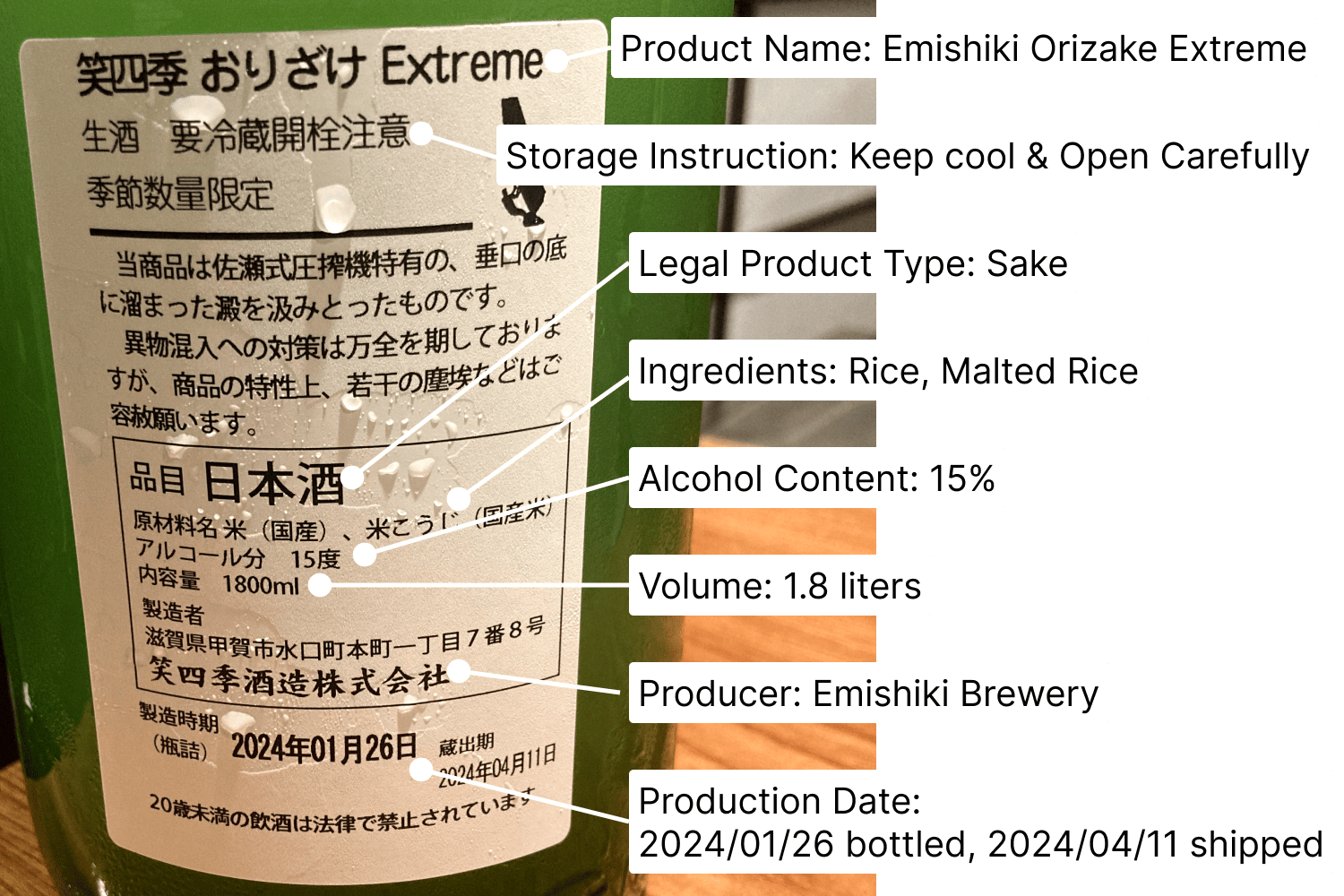
For foreign alcohol brands entering Japan, alcohol content can have a major effect on tax calculations.
ABV is not simply a product specification. In several liquor categories, Japan’s tax structure uses alcohol content when determining the applicable rate.
However, ABV does not work alone. Product category, volume, and the applicable tax rules also matter.
Therefore, brands should review ABV before finalizing a Japan product specification.
The ABV-Tax Relationship
What Foreign Brands Need to Understand
Japan’s Liquor Tax Act applies different tax structures to different categories.
Some categories use alcohol content as part of the rate calculation. Others apply specific thresholds or reduced-rate rules.
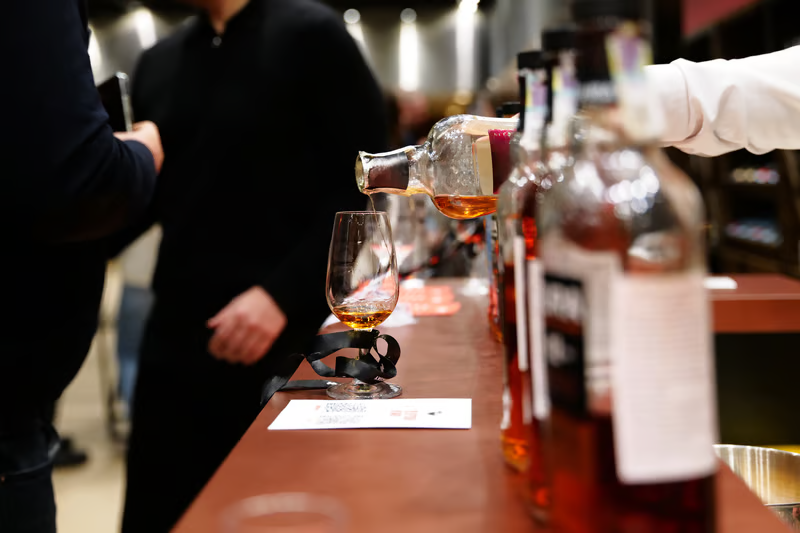
For example, Japan has specific ABV-related rules for distilled spirits. Whisky and brandy also have category-specific provisions.
Therefore, a brand should not assume that one ABV rule applies to every type of alcohol.
How ABV Affects the Import Process
Japan’s liquor tax does not work like a simple percentage-of-value tax.
For many alcohol categories, the tax calculation uses the quantity of alcohol products and the applicable category rate. ABV can then affect the rate or threshold that applies.
Importers should therefore review both the product’s category and its confirmed ABV.
The declared product value still matters for other import taxes and customs calculations. It should not be treated as irrelevant.
The Practical Takeaway
Do not assess Japan alcohol tax from product price alone.
Instead, review these factors together:
- Product category
- Confirmed ABV
- Product volume
- Applicable liquor tax rate
- Any relevant threshold or special-rate provision
- Other import taxes and charges
This approach gives brands a more reliable picture of their potential Japan costs.
How Small ABV Changes Can Affect Tax
The Direct Answer
A small change in ABV can matter when it moves a product across a relevant tax threshold.
However, the effect depends on the product category and the specific rule that applies.
A one-percentage-point change may have little effect in one situation. In another case, it may change the applicable calculation.
Therefore, brands should check the exact ABV of every SKU.
What the Difference Depends On
The impact of an ABV change depends on the product’s position within the applicable tax structure.
A product far from a threshold may not experience a major change.
A product close to a threshold deserves more careful review.
This is especially important when a brand develops several versions of the same product.
A Practical Whisky Example
Consider two whisky batches.
One batch has an ABV of 36.5%. Another has an ABV of 37.5%.
The two products may require different tax treatment under the applicable whisky rules.
However, the exact outcome depends on the current rate schedule and the product’s legal classification.
Brands should therefore verify the current Japanese rules before using ABV differences in a cost model.
ABV Thresholds and Product Categories
Why Thresholds Matter
Japan’s liquor tax system contains several category-specific ABV thresholds.
For example, current and historical NTA materials show special provisions involving low-ABV distilled spirits and other alcohol categories.
The rules can change over time.
Japan will also revise certain liquor tax rates on October 1, 2026.
Therefore, brands should not rely on an old threshold table when planning a current shipment.
The 37% Whisky and Brandy Threshold
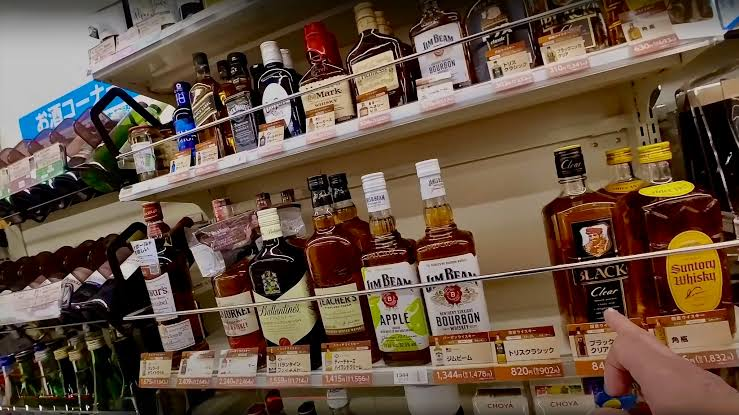
The 37% figure deserves specific attention.
NTA materials identify 37% as a relevant threshold for whisky and brandy taxation.
However, this does not mean that every spirit above 37% automatically receives the same surcharge.
The applicable rule depends on the liquor category.
For this reason, brands should avoid using “37% spirits surcharge” as a universal description.
Instead, describe the 37% rule in relation to the specific category where it applies.
Lower-ABV Thresholds Also Matter
Higher ABV levels are not the only consideration.
Japan also has special provisions for certain lower-ABV distilled spirits and other categories.
For example, NTA materials describe special treatment for certain non-carbonated distilled spirits below specific ABV levels.
This means a brand should review both high-ABV and low-ABV thresholds.
The Practical Takeaway
Do not focus only on 37%.
Instead, identify every ABV threshold that applies to your product category.
Then confirm the current rule before you calculate the expected Japan tax.
Product-Design Implications
What Foreign Brands Need to Consider
ABV can become a product-design consideration for brands developing a Japan-specific SKU.
A brand may compare different ABV options before finalizing the specification.
However, tax should not become the only design consideration.
Product quality, consumer expectations, production requirements, and brand positioning also matter.
ABV Adjustments and Compliance
Changing ABV for a specific market can form part of normal product development.
However, the final specification must accurately reflect the product.
The label must also provide the required information under Japanese rules.
Therefore, brands should treat ABV adjustments as a commercial decision, not as a way to avoid compliance requirements.
When to Review ABV
If you are developing a Japan-specific SKU, review ABV early.
Do not wait until the shipment reaches the importer.
Early review gives the brand time to assess:
- Product classification
- Applicable tax rules
- Label requirements
- Packaging specifications
- Import costs
- Potential SKU differences
This process can prevent costly changes later.
Reading Your Product Through the Tax Rules
Review Every SKU
Every SKU should have its own confirmed ABV.
Do not assume that all products within one brand share the same tax treatment.
A whisky range may contain several expressions with different ABVs. A liqueur range can also contain different alcohol levels.
Those differences may affect the applicable tax calculation.
Review the Product Category Too
ABV alone does not determine the final tax result.
The legal category matters as well.
Therefore, a proper review should examine the product description, ingredients, production method, ABV, and intended Japanese classification.
This creates a stronger basis for tax planning.
Keep the Specification Accurate
The brand should confirm the actual ABV before finalizing its Japan label.
The confirmed figure should match the product specification and supporting documentation.
Accurate product data also makes customs and importer discussions easier.
Optimizing Within the Rules
What Legitimate Optimization Means
Legitimate tax planning starts with accurate product information.
Brands should first confirm the actual ABV of each SKU.
Next, they should identify the applicable category and tax structure.
Finally, they can assess whether a different ABV makes commercial sense for the Japanese market.
Why Each Step Matters
Each step supports a different part of the import process.
Accurate ABV gives the importer a reliable product specification.
Correct classification helps identify the applicable tax rules.
Threshold analysis shows whether an ABV change could affect the tax calculation.
Product planning allows the brand to consider commercial alternatives before production.
Together, these steps create a more reliable Japan entry plan.
How to Prepare the Review
Start with a complete SKU list.
For each product, record:
- Product name
- Product category
- ABV
- Bottle size
- Number of bottles
- Ingredients where relevant
- Intended Japanese classification
Then compare those details with the current Japanese tax rules.
The National Tax Agency publishes current liquor-tax information and rate schedules. Brands should use the applicable schedule for the date of import.
Check the Current Tax Year
This point matters because Japan’s liquor tax rates can change.
The NTA has announced a liquor-tax revision for October 1, 2026.
Therefore, a cost model prepared under an earlier tax schedule may need an update.
Do not carry an old rate into a new shipment without checking the effective date.
Build ABV Review Into Your SKU Process
The most reliable approach is to make ABV review part of the normal Japan import workflow.
Start with the confirmed product specification.
Next, verify the product category.
Then identify the applicable tax rule.
Finally, calculate the expected tax using the current rate schedule.
This process is more reliable than using a general ABV assumption.
Final Takeaway
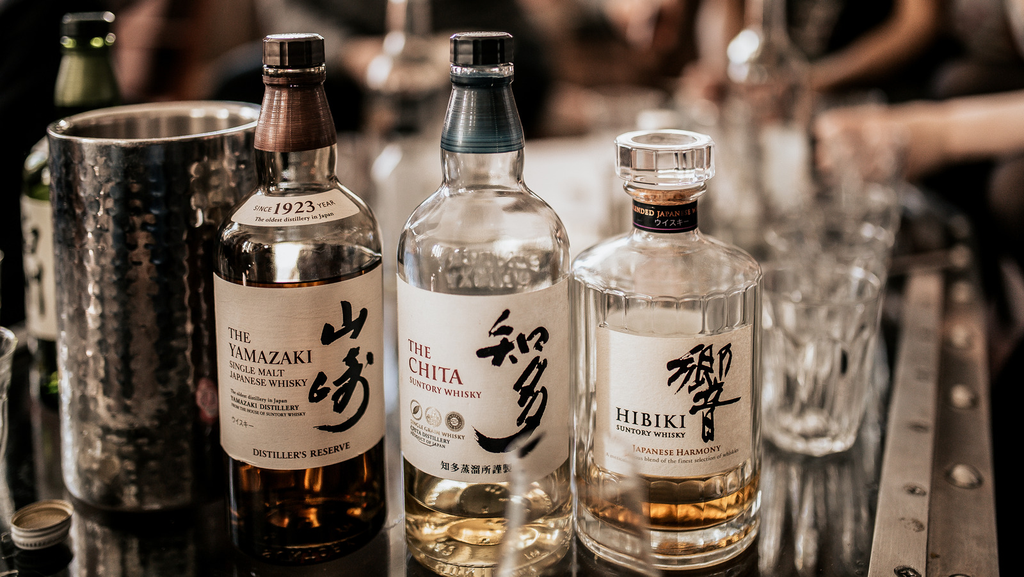
ABV can play an important role in Japan alcohol tax planning.
However, ABV does not operate as a universal tax driver across every alcohol category.
The product category, applicable thresholds, volume, and current tax schedule all matter.
For that reason, foreign brands should review each SKU individually.
A careful review can identify potential tax differences before the brand commits to production, labeling, or shipment.
If you are developing a Japan-specific SKU, review ABV alongside classification and current tax rules from the beginning.
Tell us about your product and SKU range through our contact form, and we can review the key Japan-entry considerations for your brand.
If you prefer email, you can also reach us at su*****@*******nt.com.