Restaurant and On-Premise Sales: Special License Notes for Hospitality Imports
 By
By 
A foreign brand’s product reaching a restaurant, bar, or hotel isn’t the same regulatory question as that same product reaching a retail shelf — on-premise consumption sits under its own licensing logic, and understanding restaurant alcohol license japan requirements matters for any brand planning to build real presence in Japan’s hospitality channel.
On-premise consumption license basics

What this permits and forbids
An on-premise consumption license permits a business — a restaurant, bar, or hotel — to serve alcohol for consumption on its premises, distinct from a retail license that permits selling sealed products for consumers to take away. This is a separate licensing category from both the import license and standard retail licensing covered elsewhere in this series.
Why foreign brands rarely hold it directly
A foreign brand doesn’t typically hold this license itself, since it’s tied to the operation of the actual hospitality venue serving the alcohol — the license sits with the restaurant, bar, or hotel operator, not with the alcohol brand or its importer.
How a partner’s license covers you
A foreign brand’s role in this channel is supplying compliant, properly imported and labeled product to venues that already hold their own on-premise license — the brand’s importer of record handles getting the product to Japan compliantly, and the venue’s own licensing covers the actual on-premise service to consumers.
Selling sealed bottles to take away
What a foreign brand needs to understand
Some hospitality venues also sell sealed bottles for consumers to take home — a bottle shop attached to a restaurant, or a hotel gift shop offering branded spirits, for instance — and this take-away retail function requires its own retail licensing, distinct from the on-premise consumption license covering in-venue service.
How it plays out in the import process
A venue offering both on-premise service and take-away retail sale needs both license categories in place, and a brand’s product moving through that venue in both contexts needs to be compliant with standard retail labeling regardless of which sale format applies — the product itself doesn’t have different compliance requirements based on how it’s ultimately sold.
The practical takeaway
If your hospitality distribution strategy includes venues selling take-away bottles alongside on-premise service, confirm the venue holds both relevant licenses — this is the venue’s responsibility, but worth understanding so you know what to expect from a distribution partner working across this channel.
The common confusion for restaurant clients
What a foreign brand needs to understand
A common point of confusion for foreign brands is assuming a restaurant’s ability to serve their product on-premise also means the restaurant can legally sell sealed bottles to customers to take home, when these are actually two distinct licensed activities that don’t automatically come bundled together.
How it plays out in the import process
This confusion sometimes surfaces when a brand wants to expand a successful restaurant placement into broader retail availability through that same venue, only to discover the venue’s existing license doesn’t cover that additional sale format without separate licensing.
The practical takeaway
Don’t assume on-premise placement automatically opens a path to take-away retail sale through the same venue. If that’s part of your strategy, confirm directly whether the venue holds — or is willing to pursue — the additional retail licensing that function requires.
Branded sake and to-go retail
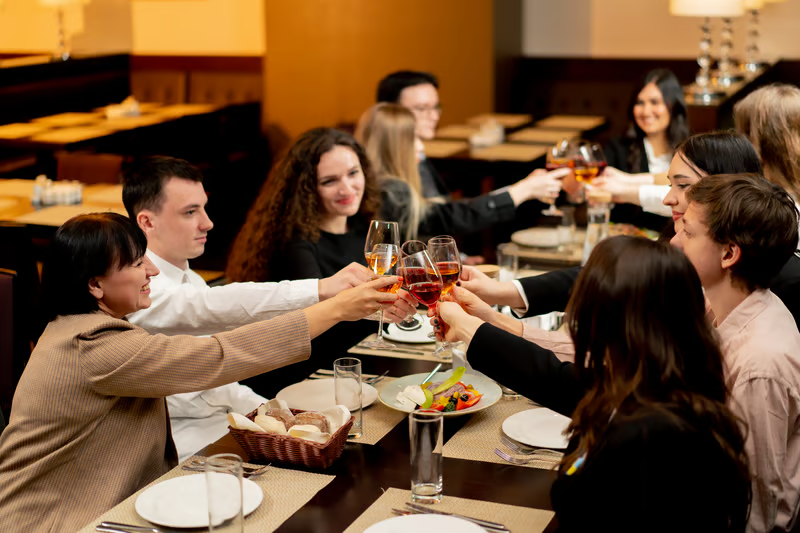
How this channel actually works in Japan
Some hospitality venues, particularly those with a strong brand identity of their own, sell branded products — sake or spirits carrying the restaurant or hotel’s own branding, sometimes produced or bottled specifically for that venue — through a retail function alongside their on-premise service.
Fit for a foreign brand’s product and price tier
This model can suit premium foreign brands looking for a distinctive hospitality partnership — a co-branded or specially selected product offered through a well-regarded venue’s retail function — though it requires the venue to hold appropriate retail licensing and typically involves a more bespoke commercial relationship than standard distribution.
How JapanPint’s owned channels apply
While this kind of bespoke hospitality partnership sits somewhat outside JapanPint’s standard owned-channel and marketplace distribution model, a foreign brand interested in pursuing this kind of arrangement can still benefit from JapanPint’s import and compliance handling as the foundation, with the specific venue partnership negotiated as its own commercial relationship.
Implications for hotel and bar accounts
What a foreign brand needs to understand
Hotels and bars represent a genuine and often valuable channel for a foreign alcohol brand — on-premise consumption at scale, often with a captive, quality-attentive customer base, particularly for premium spirits, wine, and craft beer categories.
How it plays out in the import process
Supplying these accounts follows the standard import and wholesale path — product clears customs and quarantine review, moves through the wholesaler, and reaches the hotel or bar account through standard distribution, with the venue’s own on-premise license covering the actual service to guests.
The practical takeaway
Treat hotel and bar accounts as a standard, valuable part of the on-trade channel rather than requiring special licensing consideration on the brand’s side — the licensing complexity in this channel sits with the venue, not with the brand or its importer.
Structuring hospitality distribution
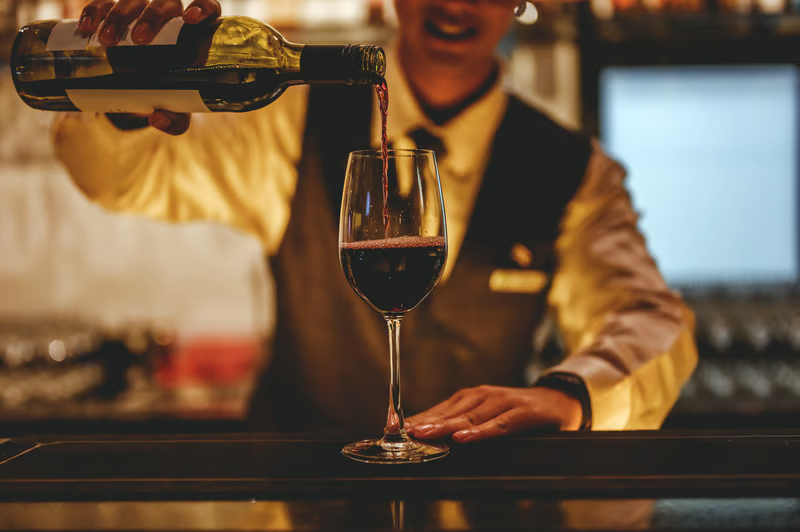
How this channel actually works in Japan
Building real presence across restaurant, bar, and hotel accounts typically happens through the standard wholesaler-to-on-trade distribution path, with relationships built account by account based on the product’s fit for a given venue’s concept, wine or spirits list, and customer base.
Fit for a foreign brand’s product and price tier
Premium and mid-tier products generally find the strongest hospitality channel fit, since on-premise pricing supports a higher margin structure than typical retail, and hospitality buyers — sommeliers, bar managers, beverage directors — are often the audience most receptive to a genuine quality and story-driven pitch.
How JapanPint’s owned channels apply
JapanPint’s distribution reach, alongside its import and compliance handling, supports building presence across this on-trade channel as part of a broader Japan strategy — connecting a compliant, properly imported product with the hospitality accounts where it’s likely to find genuine traction.
Building the right hospitality distribution strategy for your specific product starts with understanding where it fits — worth discussing directly.
Tell us about your product and SKU range through our contact form, and we’ll review where your brand stands for Japan entry. If you prefer email, you can also reach us at su*****@*******nt.com.