How High-ABV Spirits Are Taxed in Japan: The Surcharge Explained
 By
By 
Cask-strength and high-proof spirits create an additional tax consideration that standard-proof products do not: a surcharge applies above a specific ABV threshold. If you import products above standard proof, you need to understand the high ABV tax that Japan applies to them. The difference can directly affect your landed cost. Therefore, include it in your pricing before you ship, not afterward.
The base rate for spirits
The variables that drive the number
Japan’s Liquor Tax Act applies a base rate to spirits. The rate uses a reference amount per kiloliter and is commonly cited at around 370,000 yen per kiloliter for a standard reference ABV. The high-ABV surcharge adds a separate charge.
This base figure applies broadly across the spirits category. Products above the ABV threshold can then incur the additional surcharge.
A realistic range (not a firm quote)
Treat this base figure as a starting reference rather than a confirmed current rate. Specific tax rates can change, so you should verify the current figure before using it for pricing.
The important point is the calculation structure. Japan applies a base rate to spirits and adds a separate surcharge to qualifying high-proof products.
Why a label and SKU review is needed to be precise
A label-and-SKU review can confirm the current base rate and compare it with your product’s actual ABV and volume. This approach gives you a product-specific figure instead of relying on an older reference rate.
The +10,000 yen/kl per 1% over 37% rule
What a foreign brand needs to understand
The commonly referenced surcharge structure applies to spirits above 37% ABV. It adds around 10,000 yen per kiloliter for each percentage point above the 37% threshold.
For example, a product at 40% ABV sits 3 percentage points above the threshold. A product at 50% ABV sits 13 percentage points above it. Therefore, the surcharge increases as the ABV rises.
However, verify the specific rate against current National Tax Agency (NTA) guidance before using it in a pricing calculation. Tax authorities can revise rates and calculation rules.
How it plays out in the import process
Customs and tax authorities calculate the surcharge during the customs and liquor tax assessment process. They use the shipment’s verified ABV to determine the applicable amount.
As a result, the amount depends on how far the product exceeds 37% ABV. It does not simply add one flat fee to every high-proof spirit.
The practical takeaway
If your product exceeds 37% ABV, do not treat the surcharge as a rough budget allowance. First, confirm the current rate. Then, calculate the charge using your product’s exact verified ABV.
Even a difference of one or two percentage points can change the final calculation.
Worked example for cask-strength whisky
What a foreign brand needs to understand
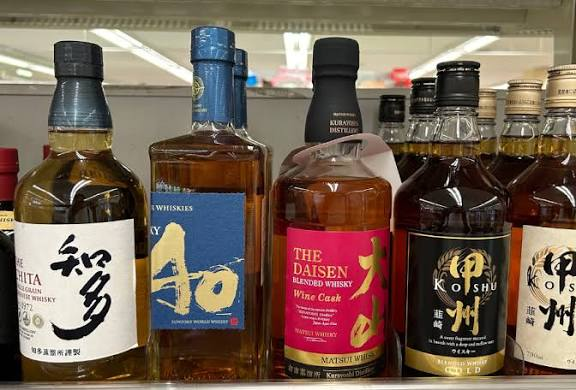
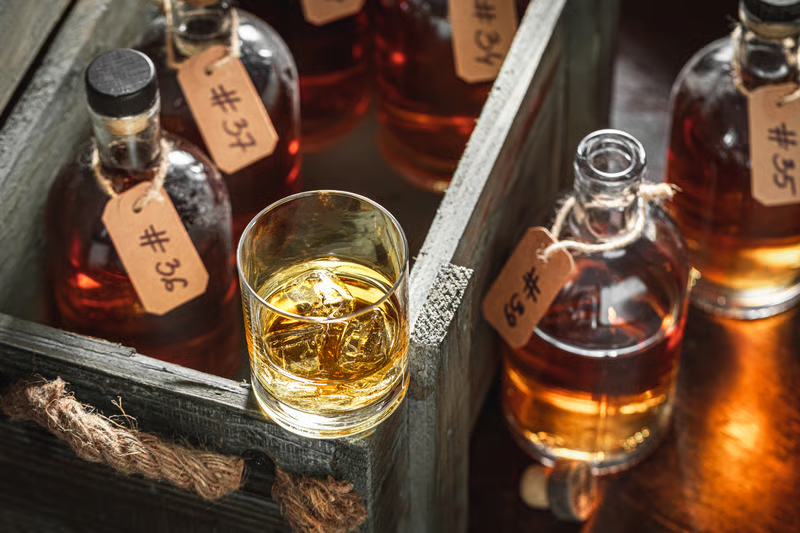
To illustrate the structure rather than state a confirmed number: a cask-strength whisky at roughly 55% ABV sits about 18 percentage points above the 37% threshold. Using the referenced (unverified) incremental figure purely as an illustration, that would suggest a meaningfully larger surcharge than a whisky sitting just 2 or 3 points above the threshold — the point being that the surcharge scales substantially with ABV, not that this specific example produces a number to price against.
How it plays out in the import process
This is exactly why two products in the same general category — both “cask-strength whisky,” for instance — can face genuinely different tax outcomes if their actual ABVs differ by even a few percentage points, since the surcharge calculation is sensitive to that specific figure.
The practical takeaway
Treat this worked example as illustrating the shape of the calculation, not a number to use directly. Your actual surcharge depends on your product’s exact ABV and the current confirmed rate, both of which need to come from a real review rather than an example in a general guide.
Why ABV rounding matters
The direct answer up front
Because the surcharge scales incrementally with ABV above the threshold, how ABV is measured and rounded for tax purposes has a direct, real effect on the amount owed — a product measured at 37.4% versus 37.6% ABV, for instance, could fall on different sides of a rounding convention that affects the calculation.
What the answer depends on in practice
The specific rounding convention used for ABV in this calculation — whether it rounds to the nearest whole percent, uses a more granular figure, or follows some other convention — should be confirmed directly, since assuming a rounding approach that doesn’t match actual NTA practice could produce an inaccurate cost estimate [VERIFY].
A concrete example for a foreign brand
A brand with a product hovering close to a whole-percentage-point ABV value benefits particularly from confirming exact rounding treatment, since a small measurement or rounding difference at that margin could meaningfully change the calculated surcharge compared to a product sitting clearly in the middle of a percentage range.
Comparing categories at high ABV
What a foreign brand needs to understand
The 37% ABV surcharge is specific to the spirits category under current structure — it doesn’t apply the same way to wine, which has been unified with sake’s tax treatment, or to beer and beer-like beverages under their own separate (and currently reforming) rate structure.
How it plays out in the import process
This means a high-ABV fortified wine, for instance, faces a genuinely different tax question than a high-ABV spirit, even though both involve elevated alcohol content — the relevant threshold, rate structure, and calculation method depend on which category the product falls into for liquor tax purposes, not on ABV alone across all categories.
The practical takeaway
Don’t assume the 37% spirits surcharge applies universally to any high-ABV product regardless of category. Confirm which liquor tax category your specific product falls into first, since that determines which rate structure — and which surcharge rules, if any — actually apply.
Planning around the surcharge
The variables that drive the number
Planning realistically around the surcharge means knowing your product’s exact, verified ABV, confirming the current base rate and surcharge structure for the spirits category specifically, and understanding how ABV rounding conventions might affect a product sitting close to a threshold.
A realistic range (not a firm quote)
Given how much this calculation depends on exact figures that need current verification, this post can describe the shape of the surcharge honestly without providing a number you should price against — doing otherwise would risk giving you a figure that turns out to be materially wrong once the actual current rate is confirmed.
Why a label and SKU review is needed to be precise
A label-and-SKU review is where your product’s actual ABV gets confirmed, the current base rate and surcharge structure get verified, and the real calculation gets run — turning the structural understanding this post provides into an actual number you can build a Japan price around with confidence.
The surcharge structure matters, but only a real review of your specific product’s ABV turns that structure into an accurate number.
Tell us about your product and SKU range through our contact form, and we’ll review where your brand stands for Japan entry. If you prefer email, you can also reach us at su*****@*******nt.com.