Exporting Portuguese Wine and Port to Japan
 By
By 
Portugal brings two distinct propositions to the Japanese market: still wine from regions such as the Douro and Alentejo, and Port. Port is a fortified wine with its own centuries-old identity. It does not fit neatly into either the wine or spirits category. If you’re considering how to export Portuguese wine to Japan, understand both propositions separately.
Portuguese wine and Port demand
What a foreign brand needs to understand
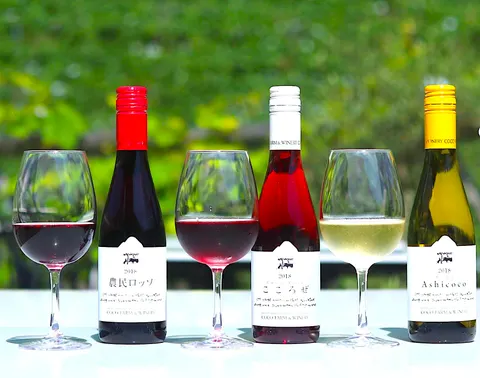
Portuguese still wine remains smaller in Japan than French or Italian imports. However, it offers a clear value proposition. Indigenous grape varieties give these wines a distinctive identity. Many also offer strong quality at competitive prices.
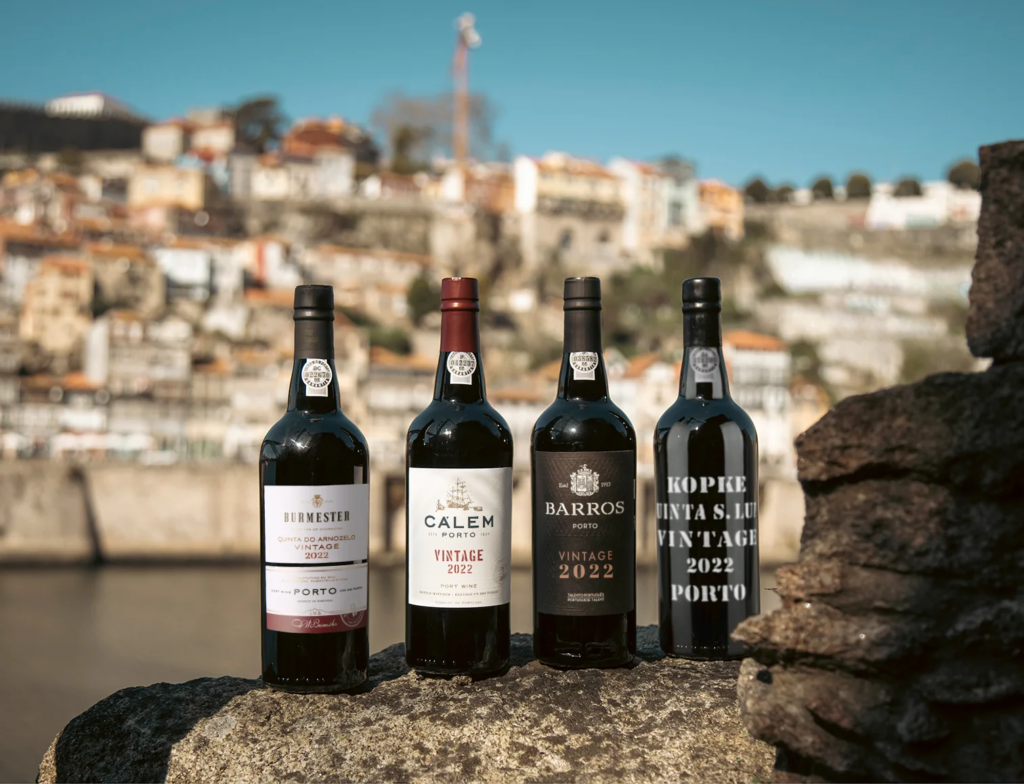
Port occupies a different position. It is a fortified wine with an established identity. Japanese consumers who enjoy dessert wines or after-dinner drinks may already recognize the category.
How it plays out in the import process
Neither category avoids the standard import process. A foreign producer needs a Japan-based importer of record. That importer must hold the required National Tax Agency liquor license.
The importer must also file the food import notification with the MHLW quarantine station. This requirement falls under the Food Sanitation Act. Both still wine and Port must follow these entry procedures.
The practical takeaway
Treat still wine and Port as related but distinct products. Still wine can focus on value, quality, and grape variety. Port can focus on heritage, age, and special occasions. Both products still require the same basic licensing and compliance foundation.
Fortified-wine tax notes
What a foreign brand needs to understand
Port usually contains a higher alcohol level than still wine. Its typical strength ranges from the high teens to around 20% ABV. This remains below the Liquor Tax Act surcharge threshold above 37%.
However, Japan’s liquor tax classification may differ between Port and still wine. Wine now falls within the unified sake tax category. Port’s exact treatment as a fortified wine should therefore be confirmed directly. Do not assume that Port receives the same treatment [VERIFY].
How it plays out in the import process
The classification affects customs and liquor tax calculations. The product category determines the applicable duty and tax treatment.
If an importer assumes that Port receives the same tax treatment as still wine, the landed-cost estimate may be inaccurate. Confirm the classification before setting final costs.
The practical takeaway
Do not assume that Port follows the same tax treatment as still wine. Both products come from grapes, but that does not guarantee identical treatment. Confirm the classification of each fortified wine during the label and SKU review.
Label localization

What the regulation requires
A Japanese label for imported wine, still or fortified, has to satisfy the Food Labeling Act and Liquor Tax Act simultaneously and carry the mandatory under-20 warning. The labeling-method notification is filed with the tax office, and compliant labels must be affixed before withdrawal from bond.
The most common compliance gaps
For Portuguese wine specifically, common gaps include indigenous grape variety names that have no established Japanese transliteration and need careful, consistent handling, and — for Port specifically — style terminology (Tawny, Ruby, Vintage, Colheita) that carries real meaning for informed consumers but needs explanation rather than direct translation for a Japanese audience less familiar with the category’s internal vocabulary.
How localization handles it
Handled properly, localization treats Port’s style terminology and Portugal’s indigenous grape names as needing context, not just translation — giving a Japanese reader enough explanation to understand what a specific style or grape actually signals, coordinated alongside standard compliance review and the labeling-method notification.
Value and premium tiers
What a foreign brand needs to understand
Portuguese still wine’s value-quality positioning gives it real flexibility across price tiers — it can compete credibly in a mid-market segment on genuine quality-to-price ratio, while still-premium and specifically Port can command higher positioning built on scarcity, age, and heritage rather than volume.
How it plays out in the import process
This flexibility matters for how a brand plans its Japan entry: a value-positioned still wine may target broader retail and e-commerce reach from the start, while a premium Port or reserve-tier still wine is better suited to the slower, relationship-driven build that specialty retail and on-trade placement require.
The practical takeaway
Be clear internally about which tier each SKU is actually targeting before entering Japan, since value and premium positioning call for different channel strategies — treating the full range as one undifferentiated “Portuguese wine” offering risks under-serving both ends.
Channel fit
How this channel actually works in Japan
Japan’s distribution runs from importer to wholesaler to retail, on-trade, and e-commerce, with wholesalers remaining significant gatekeepers even as e-commerce grows. Port in particular tends to find a natural home in specialty retail and on-trade placement at restaurants or bars building out a dessert-wine or digestif offering.
Fit for a foreign brand’s product and price tier
A value-positioned still wine fits well across broader retail and e-commerce, while premium still wine and Port fit better in specialty retail, curated e-commerce, and selective on-trade — channels where a knowledgeable seller can actually convey the heritage and style distinctions that justify the price.
How JapanPint’s owned channels apply
JapanPint distributes through its own channels — CraftBeer.co.jp, OmoriMart.com, and Jasumo.com — alongside Amazon Japan, Rakuten, and Yahoo Shopping, giving a Portuguese producer both curated placement suited to Port’s storytelling needs and broader marketplace reach for value-positioned still wine.
A Portugal-to-Japan roadmap

What a foreign brand needs to understand
The path from deciding to enter Japan to having product on a shelf or wine list benefits from being mapped out in advance, particularly given the added complexity of managing both a still wine and a fortified wine line under one entry plan.
How it plays out in the import process
The roadmap runs: partner with a licensed importer of record holding the NTA liquor license, optionally consult with the quarantine station at the intended port of entry, file the food import notification under the Food Sanitation Act, clear any inspection or bonded-warehouse sampling, settle liquor tax, duty, and the 10% consumption tax (confirming fortified-wine classification specifically for Port), file the labeling-method notification and affix compliant labels before withdrawal from bond, then move through a wholesaler into retail, on-trade, or e-commerce.
The practical takeaway
A producer bringing both still wine and Port to Japan doesn’t need to run two entirely separate entry processes, but should expect the fortified-wine classification question to need its own specific confirmation rather than assuming the still-wine path applies uniformly across the whole range.
The real tax treatment, positioning, and channel strategy for your specific range depend on the SKU details — which is exactly what a review is for.
Tell us about your product and SKU range through our contact form, and we’ll review where your brand stands for Japan entry. If you prefer email, you can also reach us at su*****@*******nt.com.